
Hydroponic aquariums are fun and productive. Plants and fish have a symbiotic relationship. If you are interested in aquarium hydroponic gardening with fish, this article is a great help. In the following, you will learn about hydroponic aquariums and aquarium substrate gravel that help to grow plants. Do they need heaters or not? You learn a step-by-step procedure to build a hydroponic tank. At the end of this article, you will find fish species that are perfectly suitable for hydroponic aquariums.
Content Table
Hydroponic Aquariums
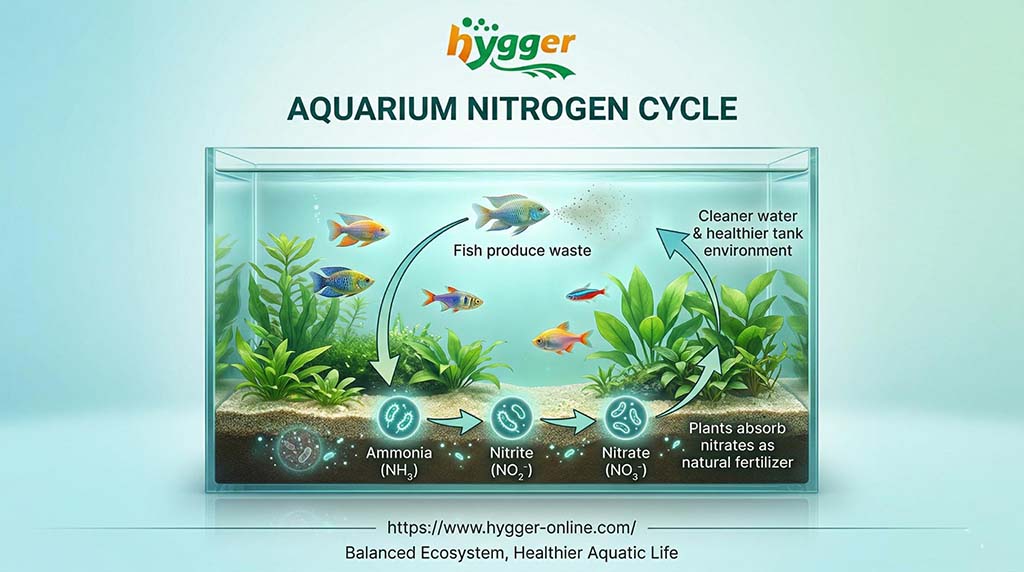
Plants and fish coexist in nature over time. Both complement each other by having a symbiotic relationship. Here is the detail of how the symbiotic relationship between hydroponics and aquariums works.
- Fish eat food and produce waste.
- Beneficial bacteria in the tank break down the fish waste into nutrients, Ammonia to nitrite to nitrate.
- Plants take up the nitrates as a fertilizer.
- Reducing nitrates improves the water quality and overall living standards in a tank.
Moreover, if you are thinking of using the aquarium as a food production source, it is a great idea. Research reveals that hydroponic aquariums produce 10 times more food than traditional farming. You can smartly grow the weekly lettuce for your salad in your aquarium by keeping the aquarium healthy and clean.
hydroponic aquariums
Aquarium Substrates Gravel for Hydroponics
In traditional framing or plantation, we use the soil as a material. However, in the hydroponic system, this role is replaced with several plant-holding materials. However, it is wise to select a suitable substrate as it will affect the plant and aquarium in multiple ways. It can affect the water’s pH, plant growth rate, and fish’s health. Here are some such substrate options.
| Substrate | Best For | pH Effect |
| Expanded Clay Pebbles (Hydroton) | Plant grow cups | Neutral |
| Top trays | ||
| River Gravel | Aquarium base layer | Slightly alkaline |
| Lava Rock | Filtration + plant support | Neutral to slightly acidic |
| Hydroton / LECA | Net pots and floating rafts | Neutral |
| Coconut Coir | Seedling starter (external) | Slightly acidic |
Out of these substrates, LECA is one of the best substrate options as it doesn’t alter the water chemistry and offers better drainage. Above all, it is lightweight. However, it is completely up to your tank setup to select a suitable substrate for your hydroponic aquariums.
Aquarium Heaters for Hydroponics
It completely depends on the type of fish. If you are raising tropical fish species in your hydroponic system, it is better to keep a heater. However, if you have coldwater fish, you are good to go without a heater.
Benefits of Having a Heater in Hydroponic Aquariums
Although it depends on the type of fish, the heater has some pros that will positively impact your hydroponic aquarium setup. A 3 to 5 watts per gallon is the optimal heating value.
- High temperatures speed up the nitrogen cycle, which makes nutrients frequently available to plants.
- A water heater keeps the water temperature consistent in your hydroponic aquarium system. It will reduce the stress and diseases in your tank.
- Warm water helps to absorb the nutrients with ease.
- If you have a tropical fish species, it is necessary to keep them in an optimal temperature range, i.e., 72°F and 82°F.
2
Types of specialized heaters for a hydroponic system
| Heater Type | Key Features | Best Use Case |
| Titanium Heaters | Corrosion-resistant | Long-term use in hydroponics |
| External digital controller for precise temperature control | ||
| Very durable | Ideal for reliability and accuracy | |
| Virtually unbreakable | ||
| Submersible Titanium / Heavy-Duty Glass | Fully submersible | Direct heating of nutrient solutions in reservoirs |
| Built-in thermostat | ||
| Secure placement with suction cups | ||
| In-Line Heaters | Installed outside the tank | Systems with plumbing (pump-based setups) |
| Even heat distribution | ||
| No contact with the solution | Cleaner and more efficient heating | |
| Prevents hot spots | ||
| High-Quality Plastic / Specialized Glass | Shatter-resistant | General-purpose use where safety and consistent temperature are important |
| Highly accurate | ||
| Stable performance | ||
| Safety features like auto shut-off |
How to build a hydroponics system
How to Build a Hydroponics Garden in a Fish Tank?
You are here and want to build a hydroponic aquarium setup. Here is how to build hydroponics.
Pre-requisists
If you are a complete beginner and don’t know how to start your journey, gather the following items for an optimal beginner setup.
- A 10 to 40-gallon fish tank
- An aquarium pump
- Air stone
- A growing tray or net cups that will stay at the top of the tank.
- Expanded clay pebbles or LECA
- Aquarium heater
- LED grow light
- Fish of your choice
- Plant seedlings or plants.
How to Build a Hydroponic Aquarium Setup?
Set up your tank
- Rinse the substrate.
- Add substrate at the bottom of the tank.
- Gently add dechlorinated water to the tank.
- Set up the aquarium pump for proper water circulation.
- Leave it for up to 6 to 8 weeks for complete cycling.
Build Grow Tray
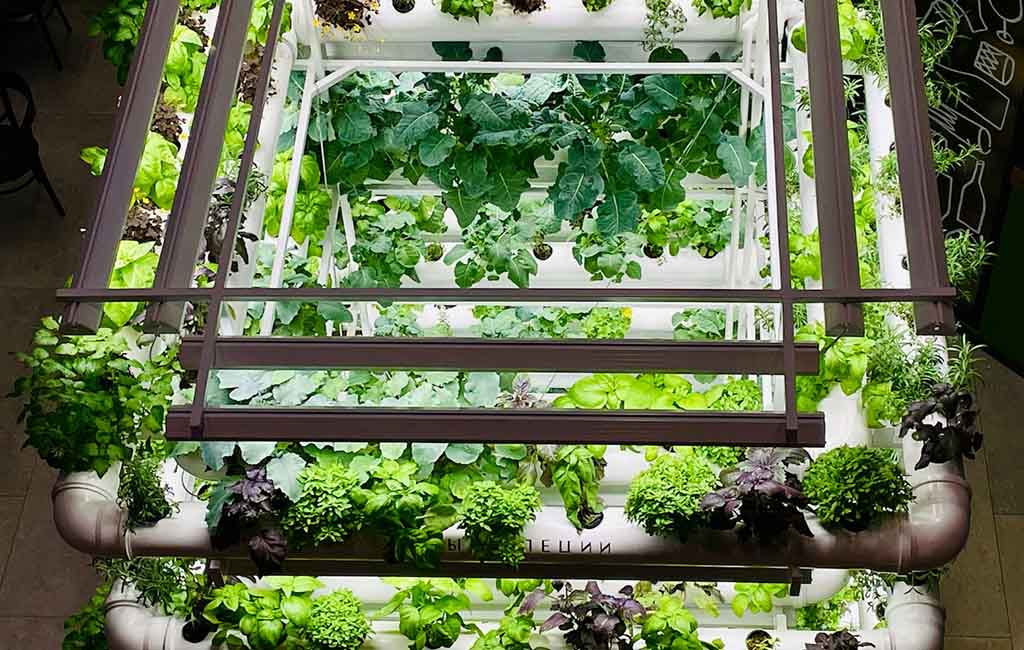
The grow tray holds the plants at the top of the tank. It will allow exposed plant roots to water, i.e., water flows through the cups or roots exposed to water.
Hydroponic Aquarium Setup
Add Growth Media to Grow Trays
Once you are done building the grow tray, add the growth media to the tray. You can use various types of growth media that have already been discussed. However, don’t add the soil as it can make the water cloudy.
Connect Water Pump
A water pump helps to circulate the water in the tank. Water movement allows the nutrient uptake from water by raising the water to the tray and back to the tank. Moreover, it also helps to improve the oxygenation of the tank.
Add Plant Seedlings
Add plant seedlings to the growth tray or row of growth cups. Turn the light on for 12 to 16 hours daily for optimal growth. Suitable beginner plants include.
- Basil
- Lettuce
- Mint
- Water cress
- Peace lily
Introduce the Fish
Once the cycling is complete, i.e., no nitrite and ammonia but nitrate less than 40 ppm, add the fish to the tank. Feed them according to their preferred food and feeding requirements.
Care
- Weekly change 10 to 20% tank’s water
- Weekly check the water parameters, i.e., temperature, pH, etc.
- Trim overgrown plants.
- Don’t use pesticides to grow plants in the tank.
Right Fish for Hydroponic Aquarium
Choose the Right Fish for a Hydroponic Aquarium
| Fish Name | Ideal Tank Size (Gallons) | Temp Range (°C) | Why It’s Great |
| Tilapia | 50–130+ gal | 22–30°C | Fast-growing |
| Hardy | |||
| Excellent nutrient producer | |||
| Trout | 80–210+ gal | 10–18°C | Thrives in cold water |
| high oxygen efficiency | |||
| Catfish | 65–160+ gal | 20–28°C | Very hardy |
| Tolerates poor water conditions | |||
| Koi | 130–260+ gal | 15–25°C | Long lifespan |
| Strong waste output for plants | |||
| Goldfish | 25–80+ gal | 18–24°C | Easy to care for |
| Great for beginners | |||
| Perch | 80–185+ gal | 15–26°C | Good eating fish |
| Adaptable to systems | |||
| Barramundi | 105–260+ gal | 24–30°C | Fast growth |
| Ideal for warm climates | |||
| Carp | 105–260+ gal | 15–28°C | Extremely hardy |
| Adaptable to various conditions | |||
| Bluegill | 50–130+ gal | 18–28°C | Easy to raise |
| Good balance of growth and resilience | |||
| Largemouth Bass | 105–260+ gal | 20–30°C | Popular sport fish |
| Strong and adaptable |
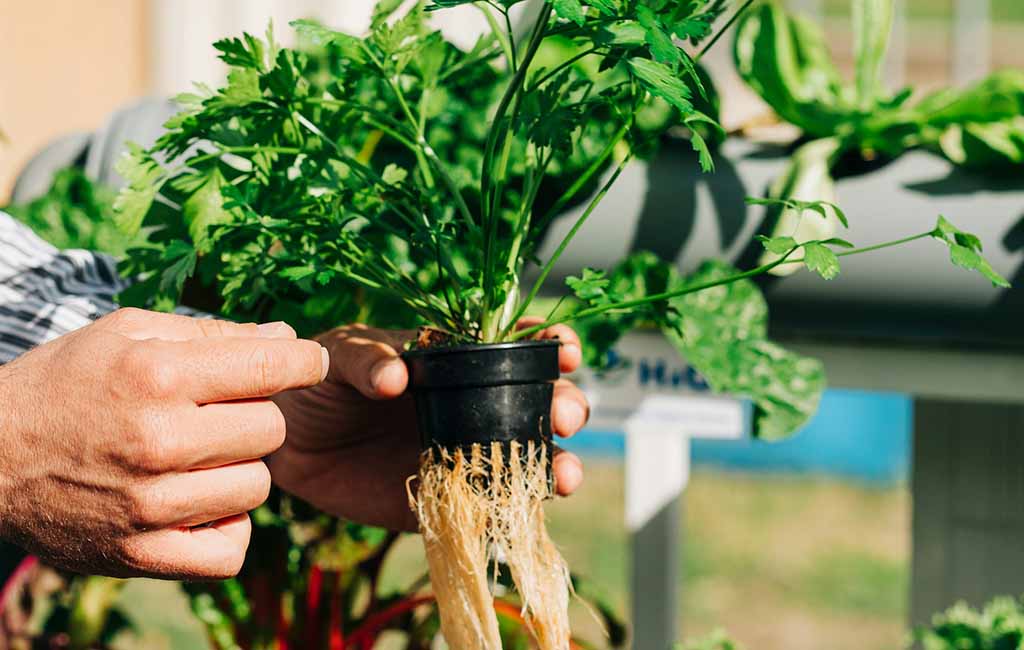
aquarium hydroponic gardening with fish
Final Thoughts
Hydroponic aquariums are a smart way to stabilize your tank’s water parameters. The symbiotic relationship between fish and plants perfectly helps you to orchestrate aquarium hydroponic gardening with fish. While building the setup, don’t use soil as a substrate; use other growth materials as plant substrate. Follow a step-by-step procedure to build the tank and add suitable fish species for optimal growth in a hydroponic aquarium.
Related Products

Leave a comment