
Fish behavior carries more information than most aquarium keepers stop to read. When fish gather close together in unusual patterns, especially outside of their normal schooling rhythm, something is usually happening beneath the surface. That sudden clustering near a tank corner, pressed against the heater, or hovering at the water line is often one of the earliest visible signals of fish illness or serious environmental stress.
Content Table
Knowing what is actually going on in that tank, and what is driving that behavior, can be the difference between catching a problem early and watching it become something far more difficult to manage.
Common Fish Illnesses
Common Fish Illnesses and Parasites Found in Home Aquariums
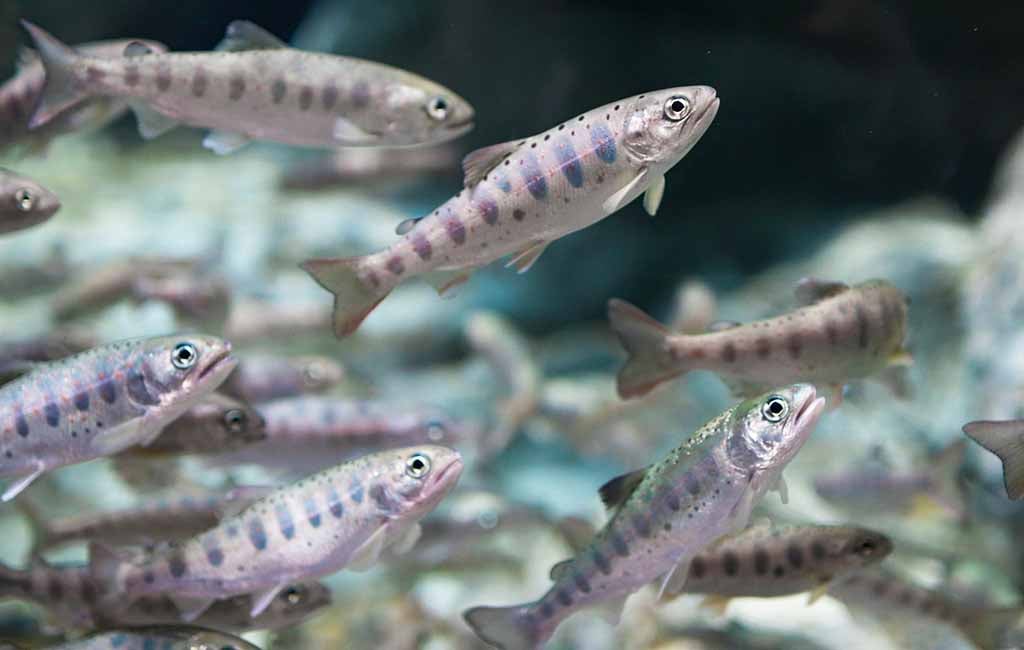
Fish tanks, even well-maintained ones, can become environments where pathogens thrive the moment water conditions change. The most frequently seen fish illness types in home aquariums include:
- Ich (Ichthyophthirius multifiliis): A parasitic infection recognized by white, salt-grain-sized spots across the body and fins. Fish that often scrape themselves against tank surfaces and show increasingly labored breathing as the infection spreads.
- Fin Rot: Primarily bacterial in origin, fin rot causes fin edges to appear frayed, discolored, or progressively worn away. Deteriorating water quality is almost always the root cause.
- Velvet Disease(Oodinium): A parasitic condition that coats the fish in a fine, gold or rust-colored dust. It is frequently mistaken for a change in tank lighting and often goes undetected until symptoms become severe.
- Dropsy: Caused by internal bacterial infection or organ failure, dropsy produces noticeable bloating and outward-flaring scales that lift like a pinecone.
- Gill Flukes (Dactylogyrus): Microscopic parasites that attach to gill tissue and disrupt oxygen absorption, causing rapid breathing and persistent surface gasping.
- Columnaris: A bacterial infection that creates white or gray patches across the skin and fins, commonly mistaken for a fungal problem.
Each of these conditions changes how a fish physically experiences its body, and that experience directly shapes the behavior visible in the tank.
Fish Behavior Looks Like
What Fish Behavior Looks Like When Illness Sets In
The Clustering Pattern and Its Accompanying Signs
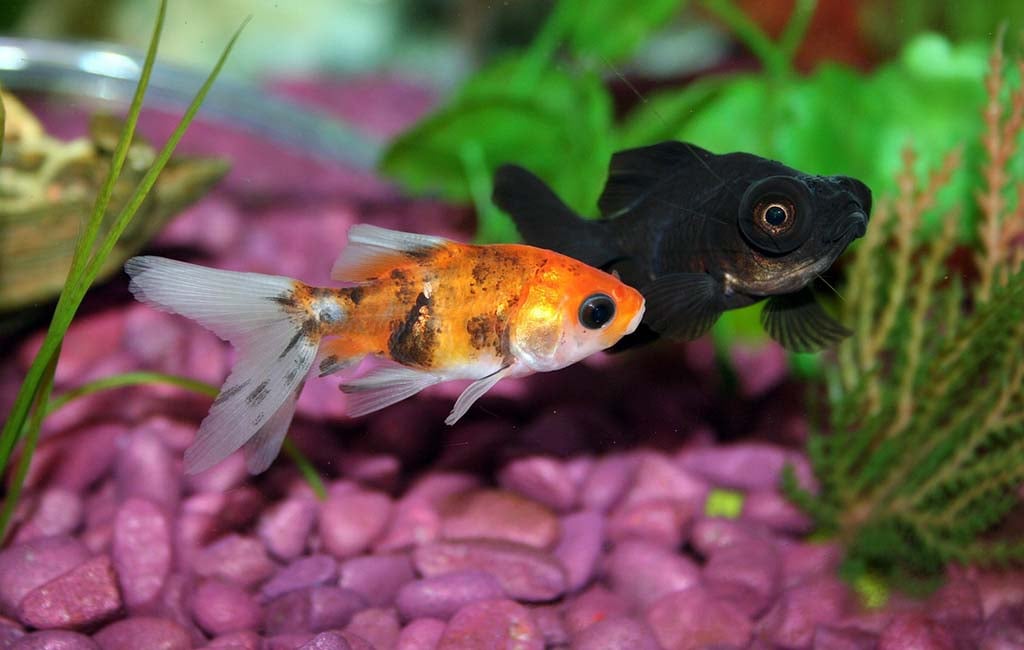
When fish illness takes hold, one of the first behavioral shifts is a change in how fish position themselves relative to each other. Fish gather close in ways that look distinctly different from regular schooling. The grouping tends to be tighter, less fluid, and anchored to a specific zone of the tank, such as near the heater, in a bottom corner, or directly at the water surface.
This pattern typically surfaces within 24 to 72 hours of illness onset, though the exact timeline depends on the specific infection type and the severity of the environmental stressor.
With parasitic infections like ich, the clustering often coincides with flashing behavior and visible lethargy. Both signs tend to appear around the same time, making them easier to connect.
Other symptoms that frequently accompany illness-related gatherings include:
- Complete loss of appetite or a sharp drop in feeding response
- Fins held tightly clamped against the body instead of fanned outward
- Rapid or visibly strained gill movement
- Unexpected fading or darkening of body color
- Stationary, hovering at the top or bottom of the tank
- Brief bursts of erratic swimming followed by extended periods of stillness
Without treatment, these signs tend to compound over the following days.
Why Fish Seek Closeness
Why Fish Seek Closeness When They Are Under Physical Stress
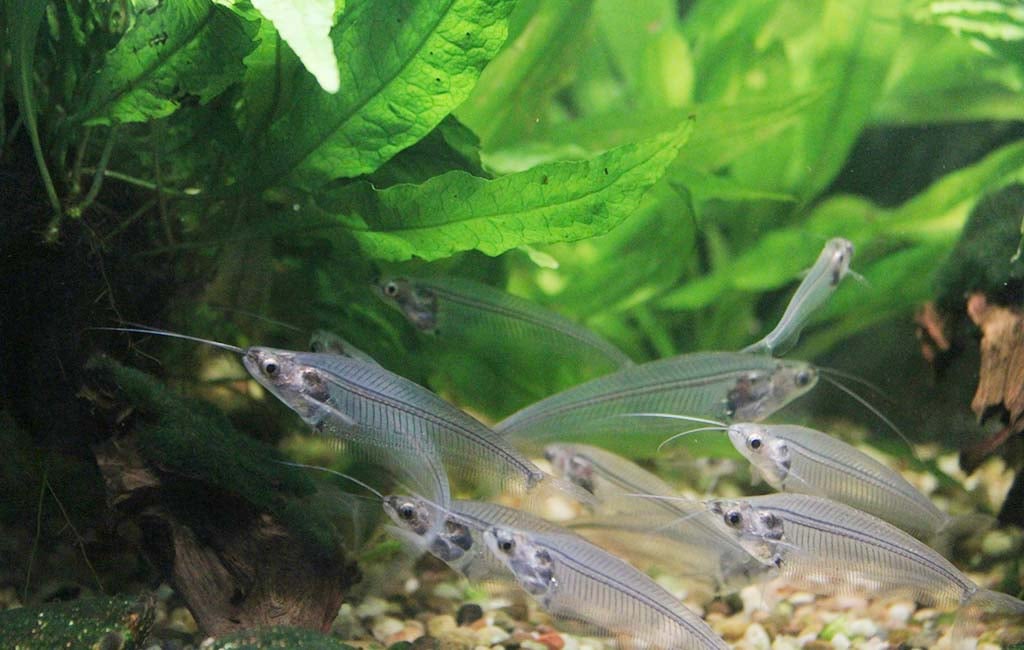
This behavior often gets described as solidarity among tank mates, but the more accurate explanation lies in stress physiology and survival instinct. Fish do not consciously comfort each other as mammals do. What is actually happening is that physical discomfort, whether from parasites irritating the skin and gills, reduced oxygen caused by gill damage, or water toxicity stressing the whole system, activates the fish’s built-in threat response.
In that activated state, prey fish move instinctively toward others of their kind. Proximity to the group registers as reduced individual exposure, even inside a closed tank where no predators are present. The nervous system runs a program that was never designed with aquariums in mind: gather close, minimize exposure, and hold on.
There is also a straightforward environmental layer to this. A fish experiencing respiratory distress due to gill flukes or elevated ammonia will gravitate toward areas with higher dissolved oxygen, typically near the filter output or just below the water surface. Other fish responding to the same water quality pressure end up in the same zones. The result looks like deliberate grouping, but it is more accurately a shared reaction to a shared problem.
Worth pausing on that last point: clustering specifically near the surface often points to low oxygen levels or gill-related fish illness rather than a social response. That distinction changes how the problem should be addressed.
fish gather close
When Fish Gathering Close Is Completely Normal Behavior
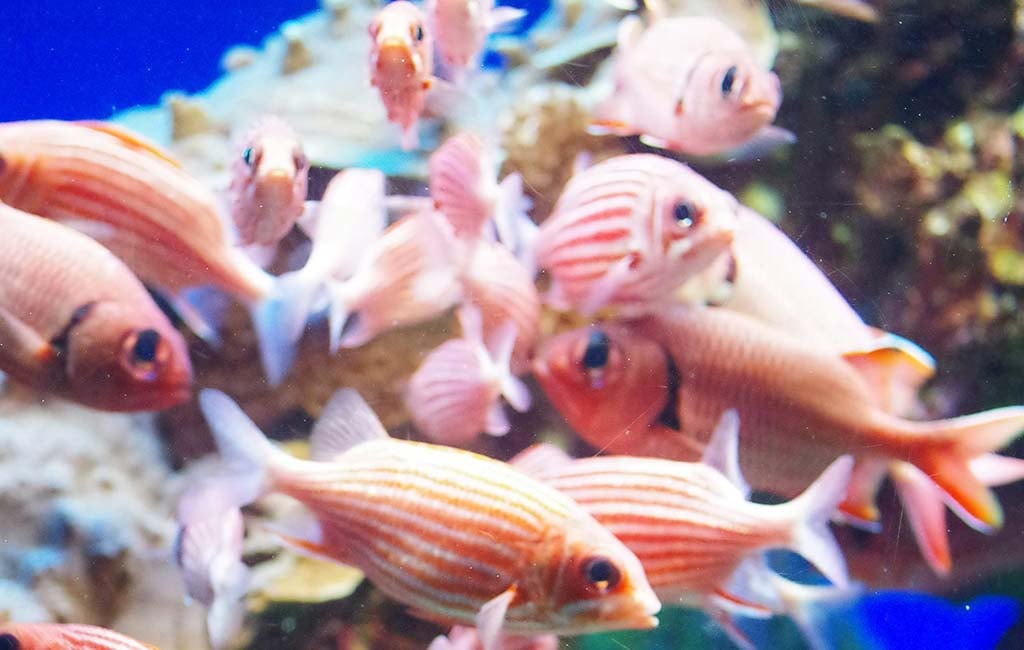
Not every instance of fish grouping signals illness or distress. Schooling species move in tight, coordinated groups as a fundamental part of their survival wiring. Tetras, danios, rasboras, and barbs are biologically built to stay close. For these fish, separation from the group is the stressor, not the grouping itself.
Normal schooling behavior is fluid and synchronized. Fish move together, shift direction in unison, maintain consistent spacing between individuals, eat without hesitation, and respond actively to movement near the tank.
Gathering behavior that warrants closer attention tends to look different:
- Fish remaining stationary rather than moving as a cohesive group
- Clustering concentrated near one corner or a specific piece of equipment
- Physical symptoms visible on the body, fins, or around the gills
- Species that do not typically school together are suddenly bunching up
- Behavior appearing suddenly after a water change, temperature swing, or new fish introduction
Reading the context of the gathering is what separates routine schooling from a genuine warning sign.
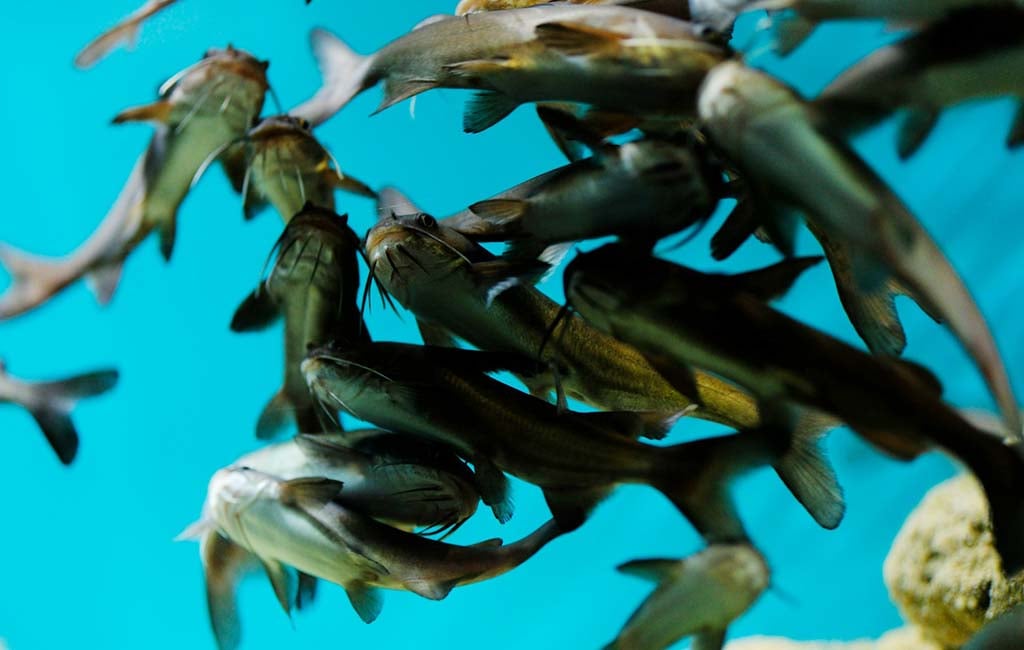
Diagnosing Illness When Fish Are Gathered Together
A Practical Process for Diagnosing Illness When Fish Are Gathered Together
Step 1: Observe Without Disturbing the Tank:
Watch 10 to 15 minutes without tapping the glass or adjusting anything. Note whether the grouping is moving or stationary, whether all fish are involved, and whether any individuals are showing visible physical changes.
Step 2: Test Water Parameters Right Away:
Ammonia, nitrite, nitrate, pH, and temperature all need to be checked before drawing any conclusions about fish illness. Ammonia above 0.25 ppm, any detectable nitrite, or temperatures outside the range appropriate for the species are immediate red flags.
Step 3: Physically Inspect Each Fish:
Look for white spots, fuzzy growths, torn or discolored fins, bloating, or unexpected color changes. A magnifying glass is genuinely useful for spotting small lesions or early parasitic signs on smaller species.
Step 4: Review Recent Tank Activity:
New fish introduced, a large water change, a filter cleaning, and a temperature drop overnight. Any recent disturbance to the tank’s biology or chemistry is worth considering as the possible triggering event.
Step 5: Quarantine Fish Showing Visible Symptoms
Moving affected fish to a separate quarantine tank prevents the spread of infectious fish illness and allows for targeted treatment without disrupting the established biological cycle in the main tank.
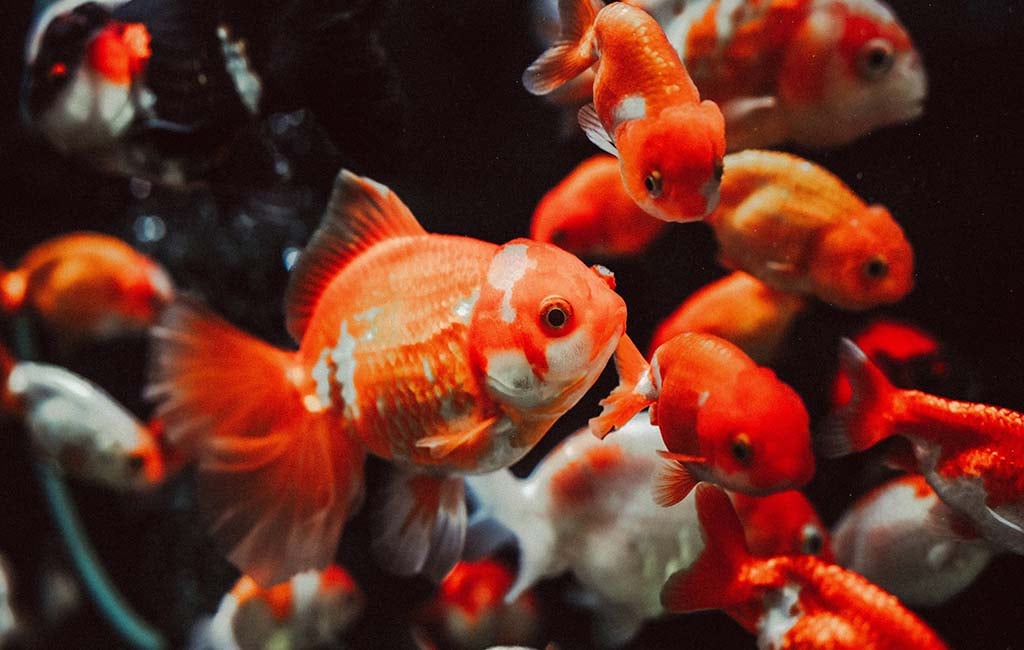
Why do fish gather more closely?
Prevention Strategies That Reduce the Conditions Leading to Disease-Related Clustering
The most practical approach to keeping fish from reaching the stress threshold that triggers illness is addressing the conditions that allow fish illness to develop in the first place.
- Quarantine every new fish for at least two weeks before adding them to an established tank. Many parasitic infections arrive on fish that appear completely healthy on the surface.
- Perform weekly partial water changes of 20 to 30 percent to prevent ammonia, nitrate, and dissolved organic buildup before it reaches harmful levels.
- Avoid overstocking. Crowding increases ammonia production, reduces oxygen availability, and creates ongoing physical stress for every fish sharing the same water.
- Feed a varied, species-appropriate diet. Nutritional deficiency quietly weakens immune function and makes fish far more susceptible to infections they might otherwise resist.
- Maintain filtration without over-cleaning it. Stripping all biological media from the filter removes the beneficial bacteria responsible for regulating water chemistry, and that disruption can destabilize an otherwise healthy tank within days.
- Watch for temperature instability, particularly during seasonal transitions when room temperature drops at night without a corresponding adjustment to the heater setting.
Take the First Step Today
Watching fish gather close unexpectedly is a signal worth taking seriously. It is also one of the most useful early warnings a tank can offer. Whether the underlying cause turns out to be a parasitic fish illness, a bacterial infection, or a water quality problem, the response process follows the same sequence: observe, test the water, check for visible symptoms, and act with a clear understanding of what is actually happening.
Healthy tanks do not appear by accident. They exist because someone paid close attention when something looked slightly off and had the information to act on what they saw. That is where meaningful fish care begins.
Related Products



Leave a comment