
Figuring out how many Neocaridina shrimp to keep together is one of those questions that sounds simple but carries real weight once a tank is running. Too few and the shrimp stay hidden, stressed, and reluctant to breed. Too many, and the water quality becomes a battle that slowly loses itself. The answer sits in the middle, shaped by tank size, filtration strength, plant cover, and keeper experience. This article covers the full picture, from first purchase to a well-balanced colony that stays healthy long term.
Content Table
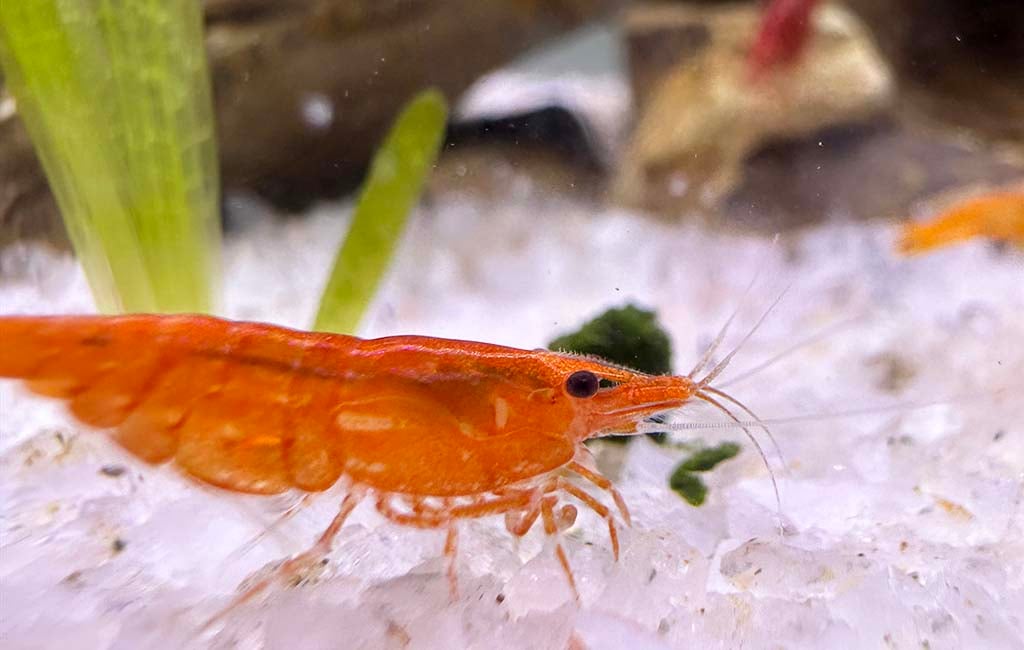
neocaridina shrimp
What Shrimp Are Neocaridina?
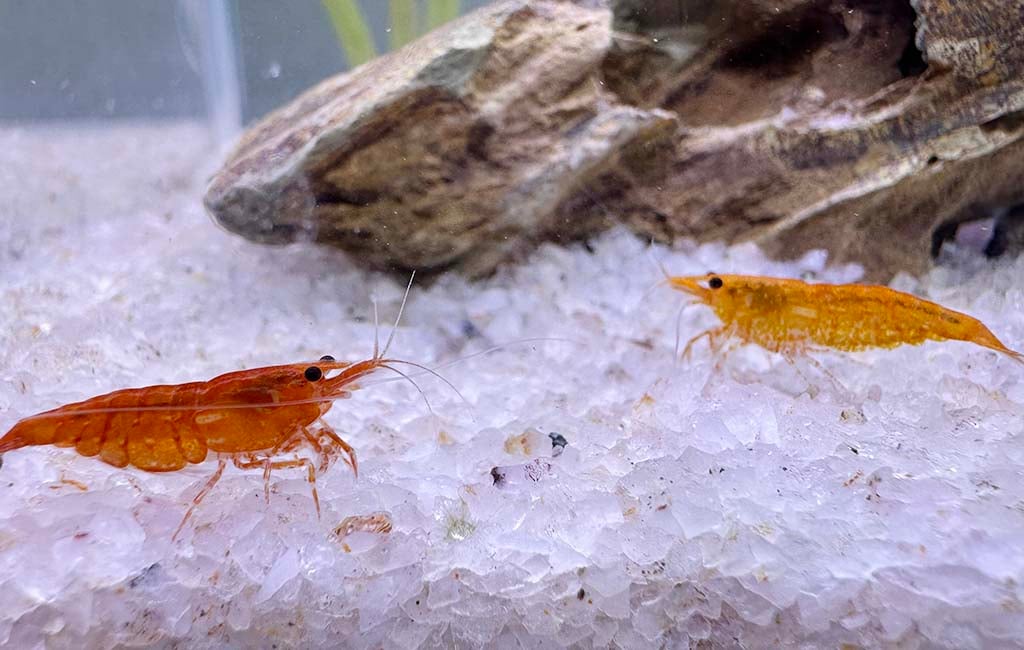
Neocaridina davidi, commonly called Neo Shrimp, are dwarf freshwater shrimp that have grown into one of the most popular invertebrates in the aquarium hobby. Wild-type individuals are greenish-brown or transparent, but selective breeding has produced a wide range of color forms, including cherry red, blue dream, black rose, and yellow. Each color variety is the same species underneath, which matters when mixing tanks, since they will breed indiscriminately across colors, and offspring often revert to a drab brown or clear appearance.
Neocaridina shrimp reach about 1.5 inches at full adult size, with females growing slightly larger than males. They are omnivores that graze on biofilm, algae, and decomposing plant matter throughout the day. Compared to Caridina species, Neocaridina tolerate a much wider range of water parameters, which is a large part of why they suit beginners so well.
One thing worth knowing early: a healthy shrimp can double in size every three to four months. That growth rate means the starting number matters less than people expect, because the tank will populate itself fairly quickly under good conditions.
Why Quantity Affects Shrimp Keeping
There are two common mistakes, and they go in opposite directions.
The first is assuming that more shrimp always means a livelier tank. It does, up to a point. Past that point, the bioload climbs, ammonia spikes become more frequent, and shrimp start spending more energy managing stress than they do foraging or breeding. A high bioload from too many shrimp can quickly overwhelm a filtration system, leading to elevated levels of ammonia, nitrites, and nitrates.
The second mistake is thinking that fewer shrimp means an easier tank to manage. A group of three or four shrimp in a ten-gallon tank will not thrive. Neocaridina are social animals, and a lonely dwarf shrimp will be under constant stress because they are social animals that require company, which affects their well-being and causes them to hide most of the time.
Quantity also shapes the viewing experience directly. A colony of eight shrimp in a five-gallon tank looks alive, busy, and interesting. The same tank with two shrimp looks sparse, and both individuals spend most of their time out of sight. The visual payoff of a shrimp tank comes from having enough individuals to create natural, overlapping activity across the substrate, plants, and hardscape simultaneously.
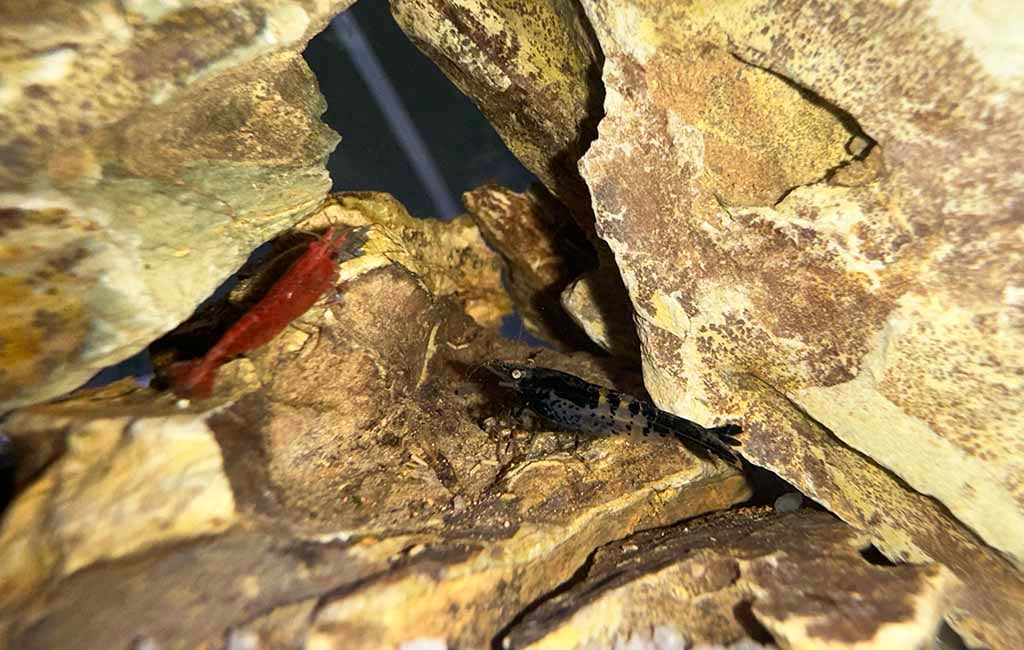
keeping Neocaridina shrimp
Start with Tank Size and Water Stability
Tank size determines how many Neocaridina shrimp the setup can realistically support, but not just because of physical space. Larger water volumes dilute ammonia and waste more effectively, which means parameter swings happen more slowly and give more time to respond.
For anyone planning to start a colony, a 10 to 20-gallon tank is a practical starting point, with 20 gallons or larger being preferable for long-term colony growth. Smaller tanks under five gallons are possible, but leave very little margin for error. A feeding mistake, a dead shrimp that goes unnoticed, or a brief filter issue can crash water quality in a nano tank within hours. The same event in a 20-gallon setup gives a much longer window to catch and fix the problem.
Water stability matters as much as volume. A cycled tank with an established nitrogen cycle handles Neocaridina shrimp density far better than a newer setup of the same size. Before adding shrimp, ammonia and nitrite should read zero, and nitrates should stay below 20 ppm. The higher the intended stocking level, the more important it is to verify that the biological filtration is genuinely mature before adding shrimp.
How Many Neocaridina Shrimp to Start With
For someone keeping Neocaridina shrimp for the first time, starting with a group of 10 to 15 shrimp in a 10-gallon tank is a reasonable entry point. A smaller initial colony of 10 to 20 shrimp in a 10-gallon tank gives the group enough social density to behave naturally while leaving space for the population to grow.
Aiming for a male-to-female ratio of 1 to 2 encourages steady, manageable breeding without overwhelming the tank too quickly. More females than males means more berried females over time, which is the foundation of a healthy colony. Starting with roughly five males and ten females in a 10-gallon tank gives a practical, beginner-friendly setup.
Beginners should err on the side of caution and start with a lower stocking density, then monitor water parameters and gradually increase the population as the shrimp grow. This approach lets the biological filter adapt to increasing bioload progressively rather than absorbing a large jump all at once.
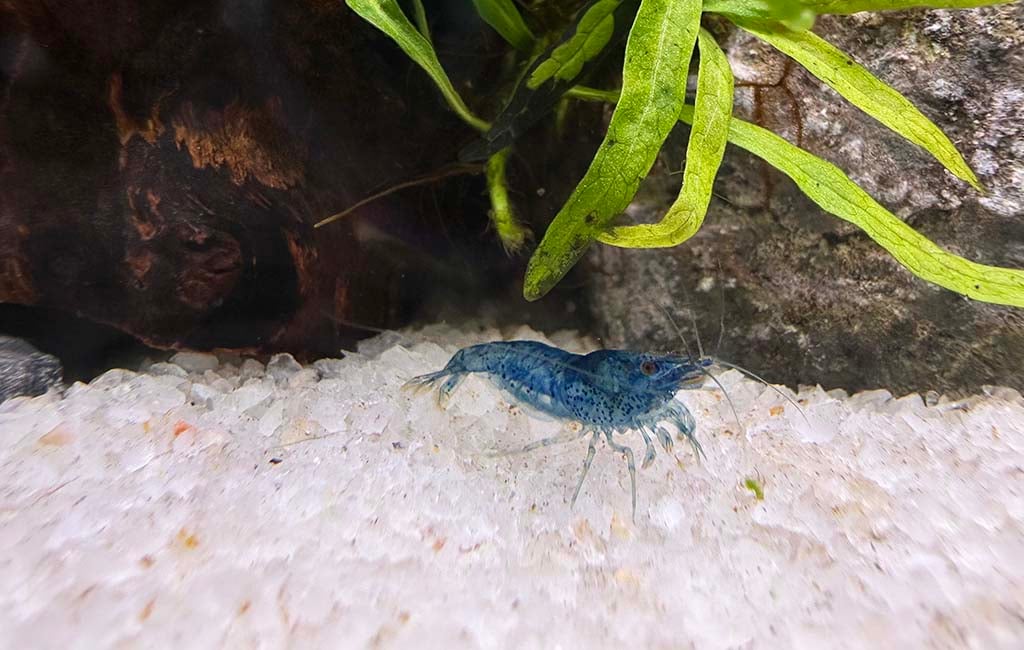
How many Neocaridina shrimp per gallon
How Many Neocaridina Shrimp Per Gallon
The most practical guideline for how many Neocaridina shrimp per gallon is a range, not a fixed number, because tank conditions vary too much for a single figure to cover every situation.
The general target for Neocaridina shrimp is 5 to 10 shrimp per gallon, which provides a thriving and stable environment. That range accounts for differences in filtration quality, plant density, and keeper experience. A heavily planted, well-filtered 20-gallon tank with an experienced keeper can push toward the higher end. A lightly planted 5-gallon tank with a beginner at the helm should stay toward the lower end.
For smaller tanks under 20 gallons, 2 to 5 shrimp per gallon is a conservative and appropriate approach, since water parameters are harder to stabilize in lower volumes. For larger tanks of 20 gallons and above, 5 to 10 shrimp per gallon is workable because the increased water volume provides a buffer against rapid water quality changes.
The carrying capacity for adult Neocaridina is generally cited around 15 per gallon at the absolute upper boundary, but that figure assumes exceptional filtration and frequent maintenance. For most setups, staying well below that ceiling produces healthier, more visually appealing results.
Neocaridina Shrimp Density Guidelines
Scientific research on Neocaridina shrimp density found the optimal level to be approximately 2.5 shrimp per liter, which translates to roughly 5 to 10 per gallon. At this density, shrimp become larger and healthier compared to higher-density setups.
The same research found that males kept at lower densities weighed 25 to 30 percent more than those kept at higher densities, and ovigerous females were measurably larger at all density levels regardless of population pressure. Larger females carry more eggs per clutch, which means the colony reproduces more effectively at moderate density than at maximum capacity.
Here is a quick reference for how many Neocaridina shrimp to keep based on tank size, using the 5 to 10 per gallon guideline:
| Tank Size | Conservative Start | Comfortable Colony | Upper Boundary |
| 5 gallons | 10 shrimp | 25 shrimp | 40 shrimp |
| 10 gallons | 15 shrimp | 50 shrimp | 80 shrimp |
| 20 gallons | 25 shrimp | 100 shrimp | 150 shrimp |
| 40 gallons | 50 shrimp | 200 shrimp | 300 shrimp |
The upper boundary figures in the table assume a heavily planted, well-maintained tank with strong biological filtration and regular water changes. Most home setups should target the middle column and allow natural breeding to do the rest.
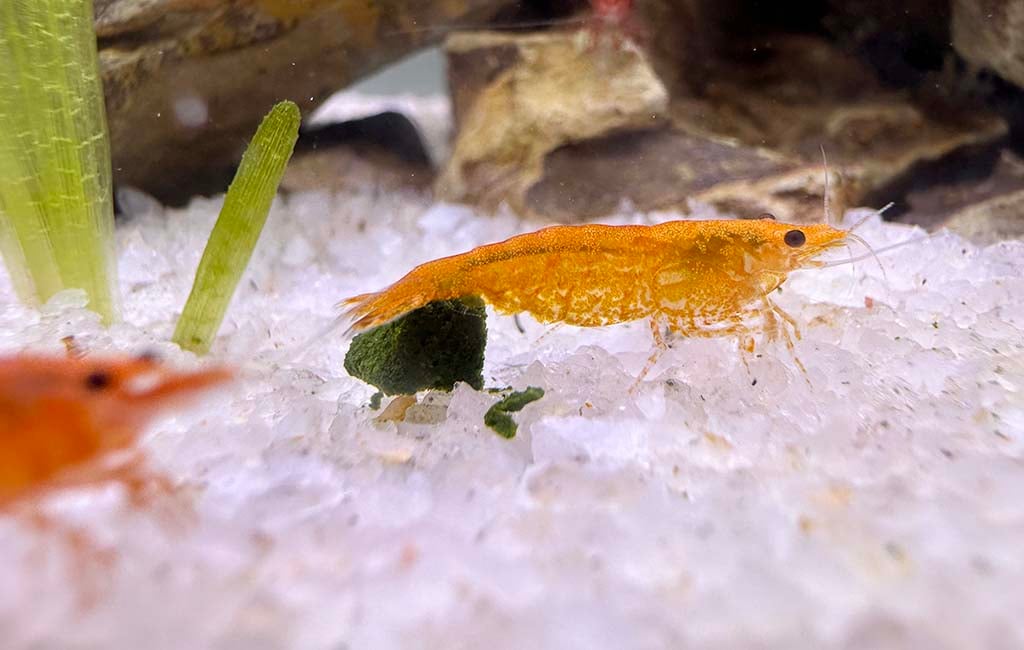
Neocaridina shrimp density
Recommended Starting Scenarios
Scenario 1: Complete Beginner with a 5-Gallon Tank
Start with 10 shrimp, keeping the ratio at roughly 3 females to every 2 males. Focus on establishing stable water parameters before adding more. Do not increase the population through purchases once breeding begins. Let the colony find its own equilibrium.
Scenario 2: Intermediate Keeper with a 10 to 20 Gallon Planted Tank
Begin with 15 to 20 shrimp and allow the population to grow organically. Monitor ammonia, nitrites, and nitrates regularly, and if elevated levels appear, reduce Neocaridina shrimp density before adjusting anything else. Add live plants such as Java moss, Anubias, or water sprite to increase the effective biological capacity of the tank.
Scenario 3: Experienced Keeper Targeting a Breeding Colony in 20 Gallons or More
Start with 20 to 30 shrimp across a balanced male-to-female ratio. Invest in quality sponge filtration and heavy planting. Live plants absorb nitrates, provide hiding places, and offer surfaces for biofilm growth, allowing heavily planted tanks to support higher stocking densities than bare or lightly planted setups. Plan for population overflow by preparing a second tank or establishing a buyer relationship before the colony peaks.
How many Neocaridina shrimp
Starting Action Instructions
The decision about how many Neocaridina shrimp to keep together comes down to a clear sequence of steps. Cycle the tank fully before any shrimp arrive. Choose a starting number based on tank volume and experience level, aiming for 5 to 10 shrimp per gallon as a working target. Favor a higher proportion of females from the start. Add live plants to buffer water quality and support natural behavior. Test parameters weekly during the first three months as the population grows.
Neocaridina shrimp density should feel like something that builds naturally, not something imposed all at once. A well-sized starter group in a stable, planted tank will grow into a full, active colony faster than most beginners expect. The numbers above are guides, not guarantees. Observation matters more than any formula. Watch the shrimp, watch the water, and adjust accordingly.
Related Products



Leave a comment