
Setting up an aquarium looks simple from the outside. You buy a tank, fill it with water, add fish, and watch them swim. That is what most beginners think, and that assumption is exactly where the trouble starts. The reality of fishkeeping involves water chemistry, biological cycles, feeding schedules, and compatibility research that nobody warns you about at the pet store. Understanding what mistakes beginner fish owners make before you make them yourself can save your money, frustration, and, more importantly, the lives of your fish.
Content Table
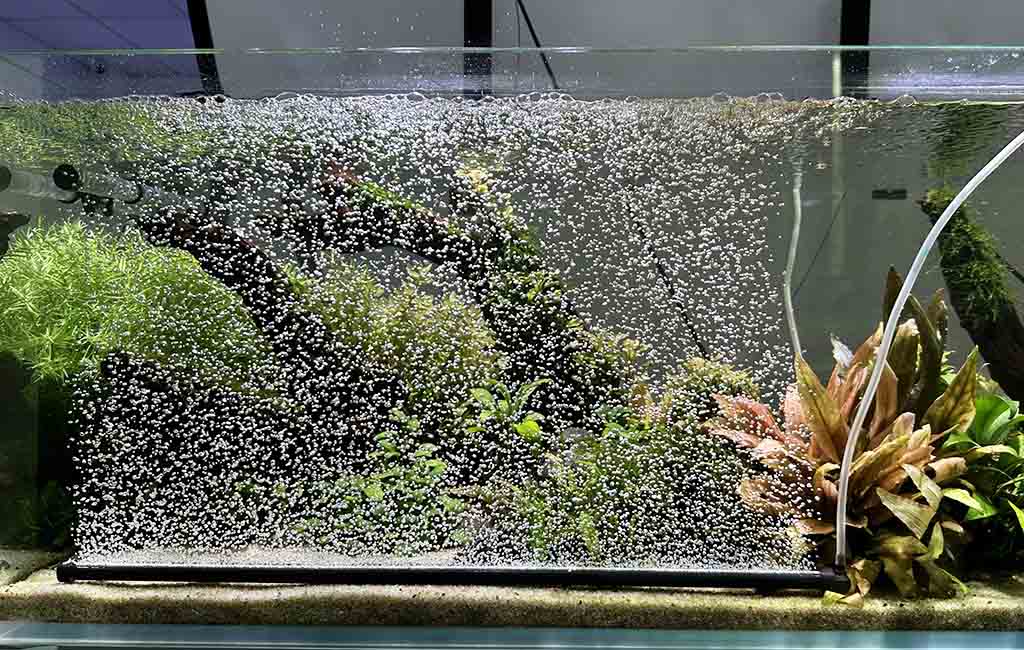
What mistakes do beginner fish owners make
The Most Common Mistakes Beginners Make in Aquariums
Most new fish owners lose their first fish within weeks. Not because they are careless, but because they are missing foundational knowledge that experienced hobbyists take for granted. These are not rare or unusual errors either. They are the same patterns that repeat across beginners worldwide.
Buying Fish First, Then Trying to Build an Ecosystem
This is probably the most widespread error in the hobby. Someone walks into a pet store, falls in love with a group of neon tetras or a betta, brings them home, and then scrambles to set up a tank for them. The fish go into completely uncycled water, where ammonia spikes within days, and no beneficial bacteria have yet been established to process the waste.
The nitrogen cycle takes four to six weeks in a new tank. During that period, ammonia and nitrite levels rise to toxic concentrations. Fish placed in an uncycled tank are essentially sitting in their own waste with no biological filtration to protect them.
The correct sequence is to set up the tank, run the filtration, seed the tank with ammonia (from fish food, pure ammonia, or a bacterial supplement), test the water daily, and introduce fish only after ammonia and nitrite both read zero and nitrate is rising. It is not exciting to wait. But the fish survive when you do it properly.
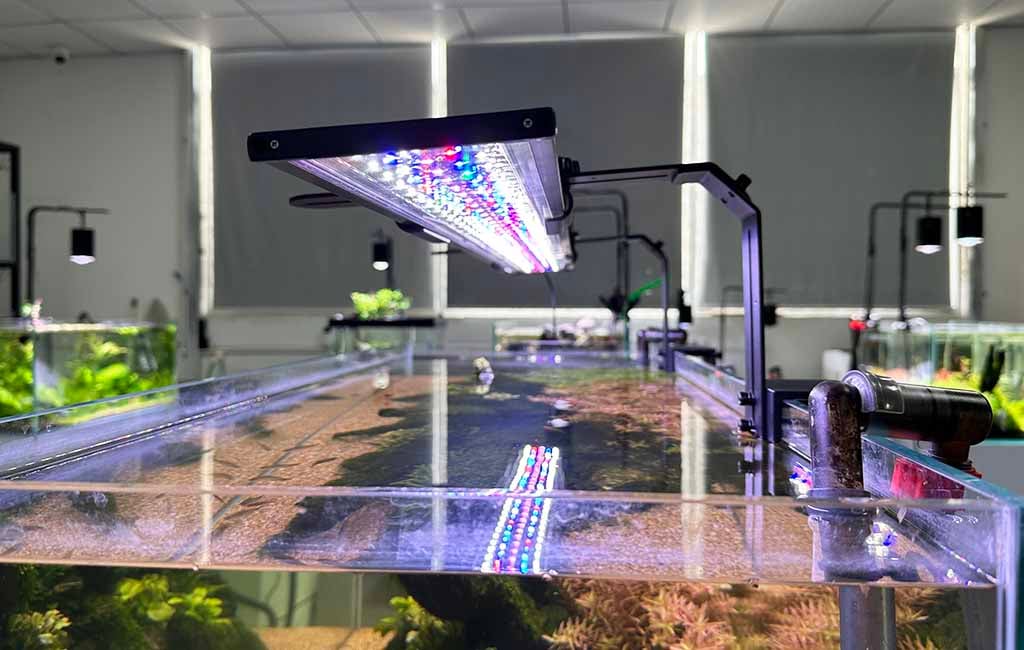
Build an Ecosystem
Ignoring Filtration and Water Movement
Filtration is not just about removing visible debris. A proper filter handles mechanical filtration (trapping particles), chemical filtration (activated carbon removing dissolved compounds), and biological filtration (the beneficial bacteria colony living in the filter media). Beginners often choose undersized filters because they are cheaper, or they buy a filter rated for their exact tank size when the actual rule of thumb is to filter the total water volume at least four times per hour.
Beyond filtration, water movement matters for oxygenation. Still, stagnant water holds less dissolved oxygen, which stresses fish even when the chemical parameters look acceptable. A spray bar, wavemaker, or simple air stone can make a significant difference in how healthy the tank environment actually is.
Not Measuring Tank Water Parameters
Guessing water quality based on how the tank looks or how the fish seem to be behaving is one of the most common mistakes beginners repeat. Clear water does not mean safe water. Ammonia can reach lethal concentrations in a tank that appears spotless.
A basic test kit covering ammonia, nitrite, nitrate, and pH is not expensive, and it removes all the guesswork. Parameters worth knowing for most freshwater community tanks:
- Ammonia: 0 ppm at all times
- Nitrite: 0 ppm at all times
- Nitrate: Below 20 ppm for sensitive species, below 40 ppm for hardy fish
- pH: Depends on species, but most community fish tolerate 6.8 to 7.6
- Temperature: Species dependent, but most tropical fish need 24 to 27 degrees Celsius
Testing twice a week in a new tank and once a week in an established tank gives a clear picture of what is actually happening in the water.
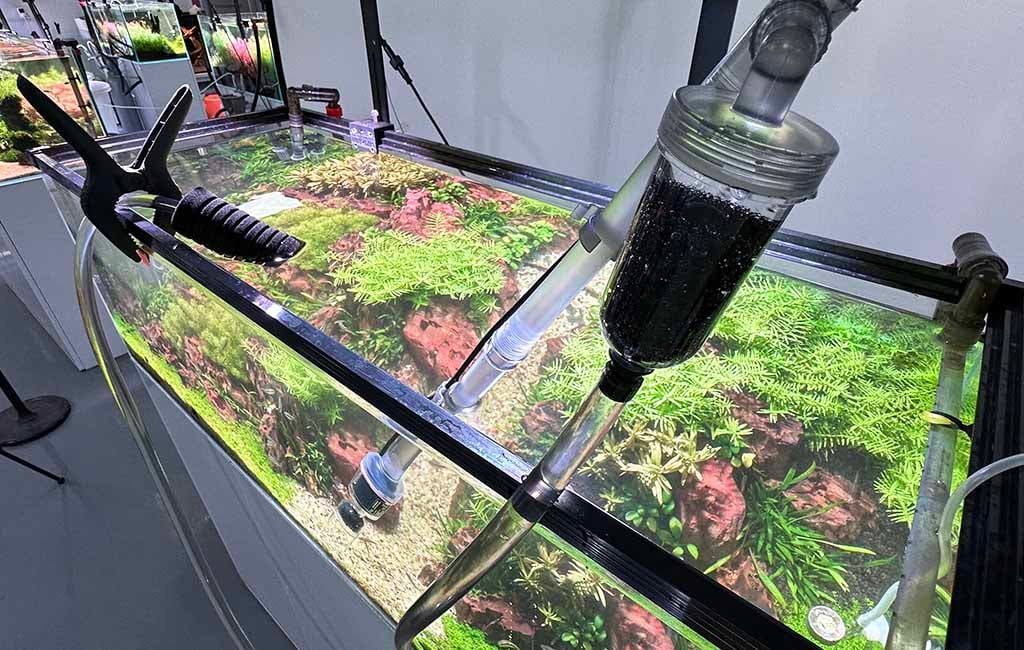
mistakes in the fish tank water change
Mistakes in Fish Tank Water Change Frequency
A surprisingly common misconception is that more frequent water changes automatically mean better water quality. Some beginners perform daily water changes, believing that replacing the water constantly keeps things cleaner. In reality, excessively frequent mistakes in fish tank water change routines can disrupt the nitrogen cycle, stress fish through sudden parameter shifts, and remove the trace minerals and buffers that keep the water chemically stable.
The standard recommendation for a healthy, established tank is a 20 to 30 percent water change once per week. That volume removes accumulated nitrates without destabilizing temperature, pH, or hardness enough to shock the fish. Mistakes in fish tank water change practices also include the opposite problem, which is changing water too infrequently and allowing nitrates to build past 40 ppm. Both extremes cause stress.
When performing water changes, always treat tap water with a dechlorinator before adding it to the tank, and match the temperature of the new water to the tank water as closely as possible.
Overfeeding Fish in the Tank
Overfeeding is probably the most common daily mistake beginners make. Fish do not behave the way dogs do when they are full. They will continue eating past the point of satiation, and excess food sinks to the substrate, decomposes, and sends ammonia levels climbing within hours.
Overfed fish in a tank also develop health problems over time. Obesity in fish is real and leads to fatty liver disease in species like goldfish and bettas. Overfed fish in a tank environment also suffer from constipation, which is a more serious issue than it sounds for small fish with short digestive tracts.
The correct feeding amount is what the fish can fully consume in two to three minutes, once or twice daily. For most community fish, that is a very small pinch. One fasting day per week also helps digestion and keeps the tank cleaner.
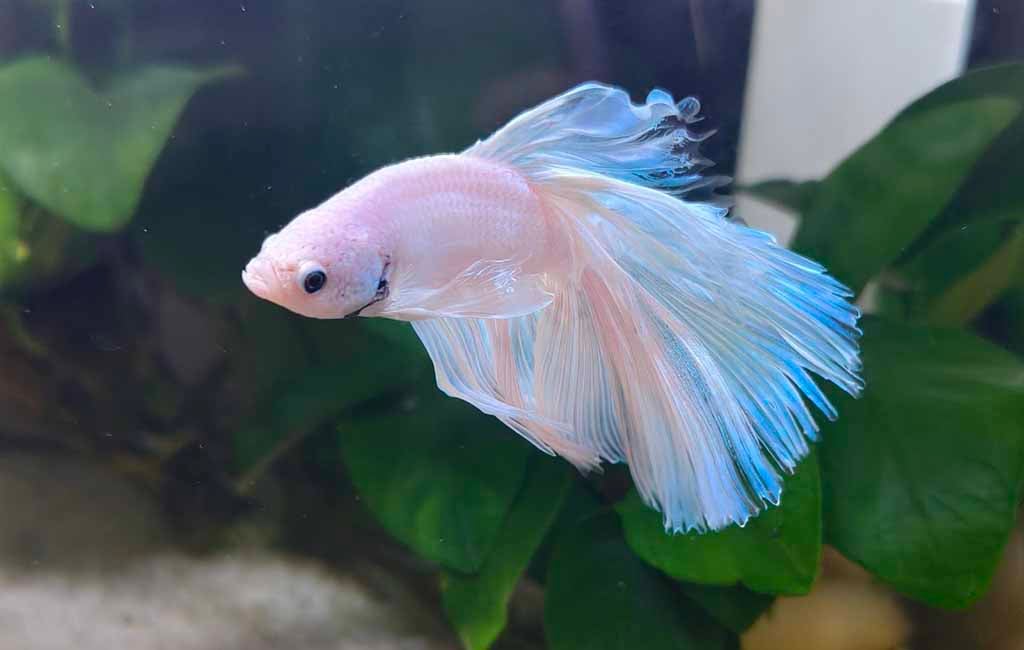
Overfed fish in a tank
Mixing Incompatible Fish Based on Personal Preference
A tank full of fish that cannot coexist is a tank full of stress, injury, and eventual death. Beginners often select fish purely based on appearance without researching temperament, water parameter requirements, or adult size. A common example is housing tiger barbs with long-finned fish like bettas or angelfish, since tiger barbs are known fin nippers. Another frequent mistake is keeping goldfish, which prefer cooler water around 18 to 22 degrees Celsius, in a tropical community tank running at 26 degrees.
Research before purchasing matters. For every species being considered:
- Adult size (many fish sold as juveniles grow significantly larger)
- Temperament (peaceful, semi-aggressive, or aggressive)
- Water parameter requirements (temperature, pH, hardness)
- Dietary needs (herbivore, omnivore, carnivore)
- Schooling requirements (some species are stressed without a group of six or more)
Skipping Quarantine and Observation
New fish can carry parasites, bacterial infections, and diseases that show no visible symptoms for days or even weeks. Placing them directly into a display tank risks infecting every fish already established there.
A quarantine tank does not need to be elaborate. A 10 to 20 litre container with a sponge filter and a heater is enough to house new arrivals for two to four weeks. During that period, observe for white spots (ich), frayed fins, unusual swimming behaviour, clamped fins, or any visible lesions. Treat any issues in quarantine before introducing the fish to the main tank.
Aquarium Beginner-Friendly Checklist
Aquarium Beginner-Friendly Checklist
Before adding any fish to a new tank, work through this checklist:
- Tank has completed the nitrogen cycle (ammonia and nitrite both at 0 ppm)
- Filter is appropriately sized (minimum four times the tank volume per hour)
- Water parameters have been tested and are within an acceptable range for selected species.
- The temperature is stable and correct for the intended fish
- Fish species have been researched for compatibility, adult size, and care requirements
- A quarantine tank is set up and ready for new arrivals
- Dechlorinator is on hand for water changes
- Feeding amount has been confirmed (two to three minute consumption rule)
- A weekly water change schedule is planned (20 to 30 percent per week)
Understanding what mistakes beginner fish owners make is genuinely half the battle. The other half is slowing down enough to do the preparation that most people skip. Fishkeeping rewards patience. The tanks that thrive long term are almost always the ones where the groundwork was done properly before the first fish ever entered the water.
Related Products

Leave a comment