
Most aquarium failures trace back to two things: unstable temperature and inconsistent light. Not poor filtration. Not overfeeding. Those get blamed a lot, but the environment is usually what breaks down first. Fish, plants, and corals are not built to handle constant change. When temperature dips a few degrees overnight, or the light runs on no real schedule, the stress just builds and builds quietly, until one day it shows up as disease or unexplained death.
Content Table
This heating lighting guide is built around one core understanding: those two factors deserve far more deliberate attention than they typically receive. Get them right, and everything else in the tank becomes significantly easier to manage.
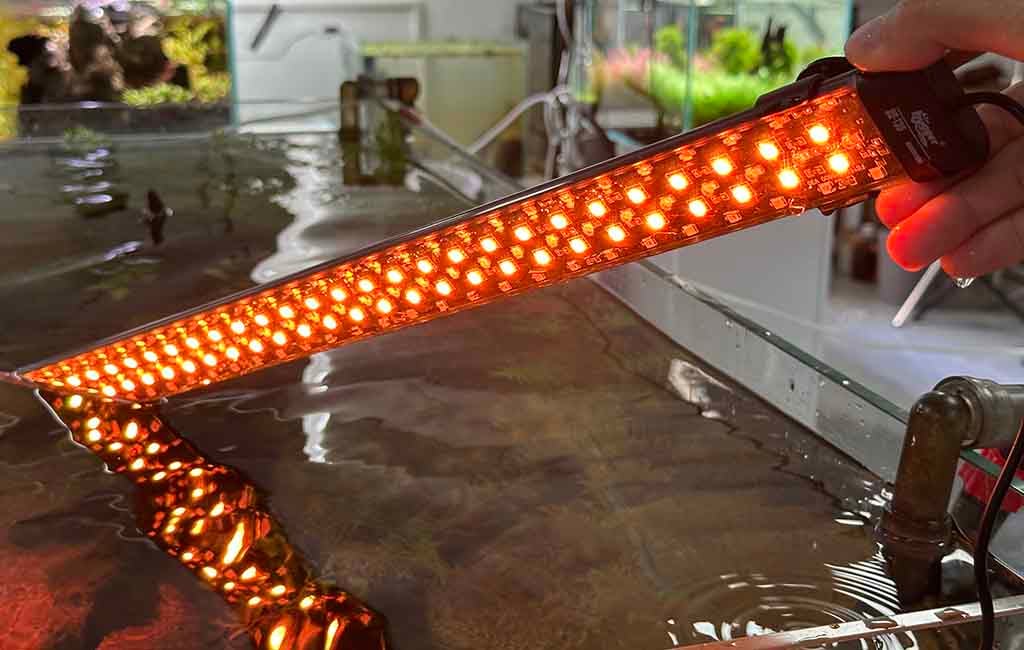
heating lighting adjustment
Constant Temperature and Appropriate Light in an Aquarium
Why do these two factors decide whether a tank thrives or fails? Because temperature and light are active biological signals, not passive background conditions. Aquatic organisms read them constantly.
A fish living in stable 78°F water operates normally. Drop that to 72°F over two days, and metabolism slows, digestion becomes sluggish, and the immune system weakens. Add irregular lighting on top of that, and what looks like a healthy aquarium starts functioning like a low-grade stress running around the clock.
Plants respond to light the way fish respond to temperature. Photosynthesis drives oxygen production, nutrient uptake, and overall plant health. Without consistent light, live plants deteriorate and drag water quality down with them.
Temperature Stability is Prioritized
How Temperature Shapes Aquatic Life
Temperature influences nearly every biological process in fish: metabolic rate, breathing speed, immune response, activity levels, and even color expression in certain species.
Tropical fish like bettas and discus require water held consistently between 76°F and 84°F. Goldfish prefer cooler conditions, around 65°F to 72°F. The challenge is rarely finding the right target temperature. It is maintaining it without swings.
A poorly cycling heater, a tank positioned near a drafty window, or a water change using unconditioned tap water can all introduce temperature fluctuations. A 4°F shift within 24 hours is enough to suppress immune function in many tropical species.
Watch for these signs that temperature instability is already affecting the tank:
- Fish are hovering near the surface or pressing against the heater.
- Reduced appetite with no other visible cause.
- Labored breathing or clamped fins.
- Sudden onset of ich or bacterial infection following a temperature change.
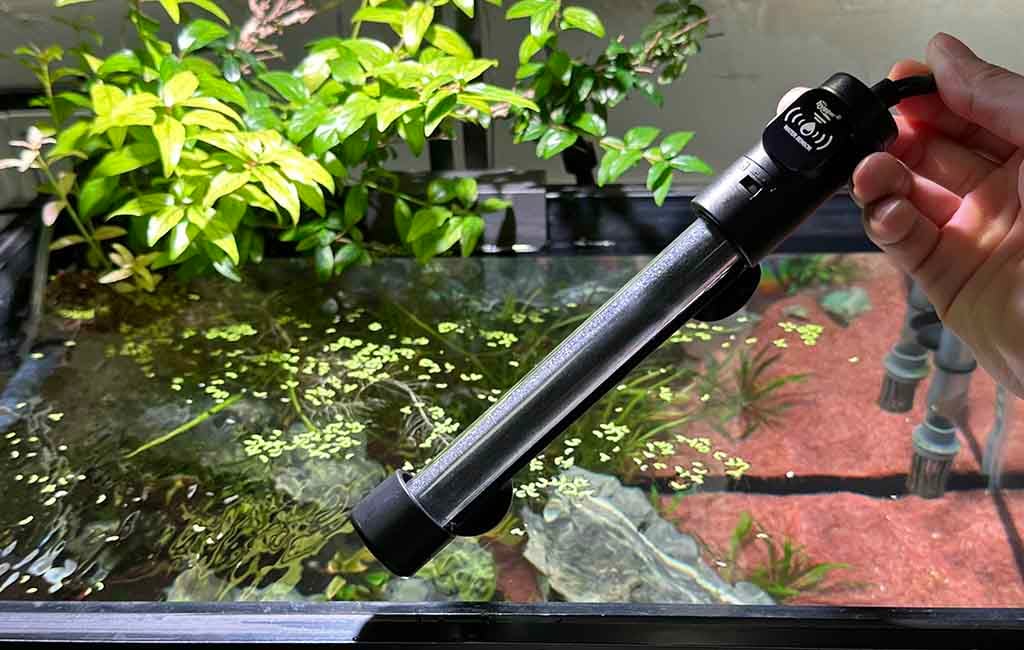
Choose the right water heater
Choosing the Right Heater for Your Fish Tank
Choosing the right water heater is one of the most underestimated decisions in the hobby. The market is full of inexpensive submersible heaters that perform adequately for a few months, then begin failing without obvious warning. By the time the thermometer confirms the problem, damage is often already done.
Heater Size and Tank Volume
The standard guideline is 3 to 5 watts of heating power per gallon of water. A 30-gallon tank needs at least 90 watts, and in colder rooms or climates, 150 watts provides a safer buffer.
Heater Type and Placement
Submersible heaters placed horizontally near the substrate distribute heat more evenly than vertical placement. In tanks exceeding 50 gallons, two smaller heaters positioned at opposite ends outperform a single large unit and provide a natural backup if one fails.
Thermostat Accuracy
External thermostats connected to inline heaters provide far more precise temperature control. They bypass the integrated thermostat of the heater itself, which tends to drift over time. For discus or reef tanks where precision matters most, this setup is worth the added cost.
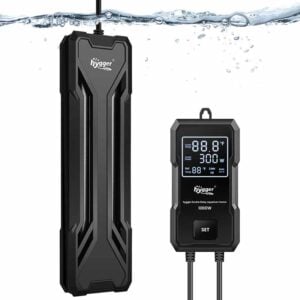
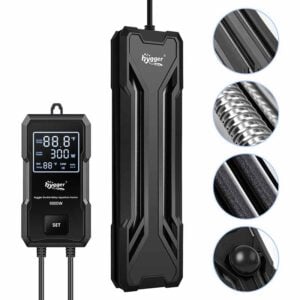
Choosing the right water heater also means checking the brand history carefully, such as hygger has a strong reputation in the hobby. Unmarked or unbranded heaters carry a higher risk regardless of their price point.
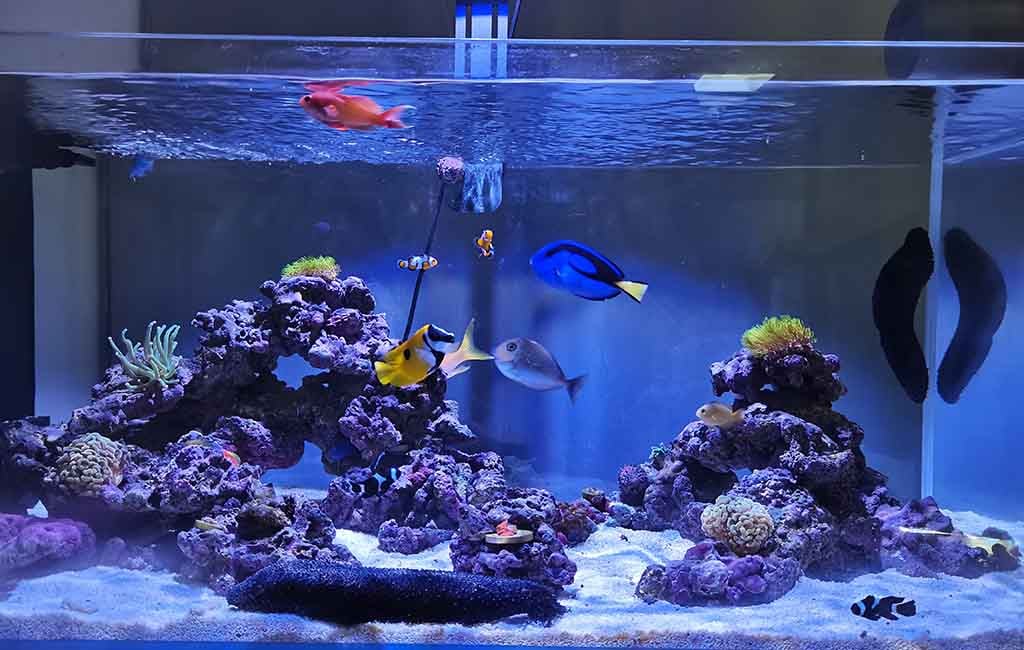
Light Affects the Growth and Behavior of Aquatic Pets
How Does Light Affect the Growth and Behavior of Aquatic Pets
Light does considerably more than make a tank look attractive. It drives feeding behavior, supports photosynthesis, influences coloration, and regulates the internal clock that fish depend on daily.
Behavior and Circadian Rhythm
Fish follow a predictable light and dark cycle. Their biology responds to consistent photoperiods, and interrupting that cycle causes measurable stress that disrupts feeding and breeding patterns. Cardinal tetras and neon tetras, for example, display noticeably more vibrant coloration under schedules that include gradual dusk and dawn transitions rather than abrupt on and off switches.
Photosynthesis in Plants and Corals
For planted tanks, light is the primary fuel source. Low-light plants like Java fern and anubias thrive on 6 to 8 hours of moderate intensity light. Highlight plants, particularly carpeting species, need 8 to 10 hours of stronger output alongside CO2 supplementation to prevent algae from overtaking them.
Reef tanks require specific light spectrums. Corals rely on symbiotic algae called zooxanthellae, which photosynthesize using particular wavelengths. Getting the spectrum wrong causes coral bleaching even when every other water parameter tests correctly.
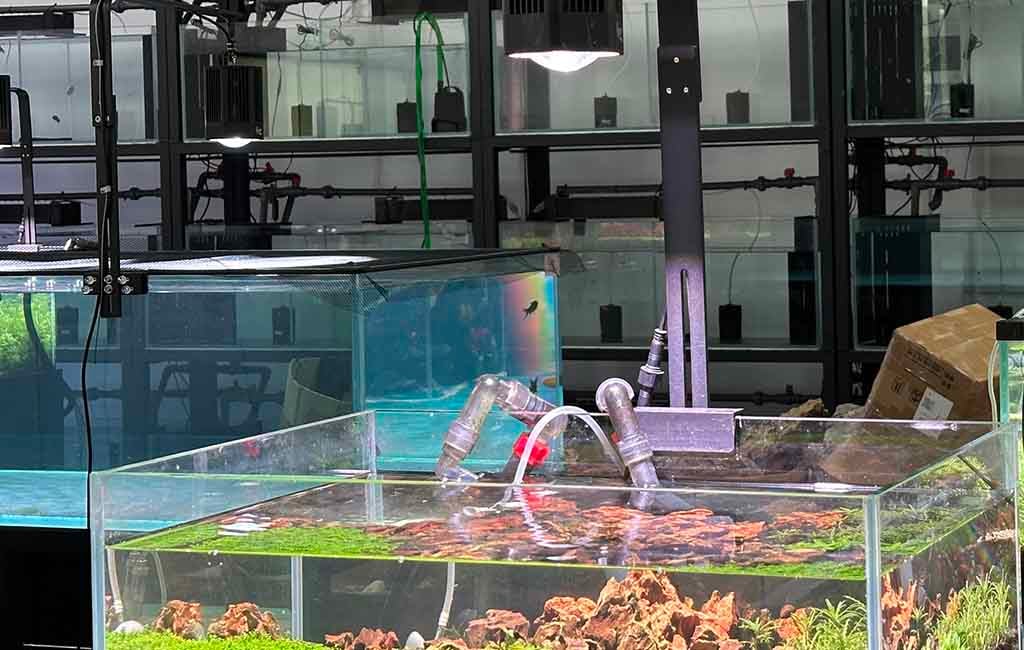
Lighting for Different Tank Types
Lighting for Different Tank Types
Not every tank needs the same lighting strategy, and this is where a practical heating and lighting guide makes a real difference.
Freshwater Fish Only Tanks
Standard LED fixtures with adjustable intensity handle this setup well. The priority is a stable photoperiod, typically 8 to 10 hours per day. Fish in this environment do not require high PAR (photosynthetically active radiation) values. They require consistency above everything else.
Planted Freshwater Tanks
Full-spectrum LED lights with a color temperature between 6500K and 7000K work well here. Low-tech planted tanks thrive at 20 to 30 PAR measured at the substrate level. High-tech setups push above 50 PAR and typically require CO2 injection to match plant demand.
Saltwater and Reef Tanks
This is where the light replacement guide becomes essential rather than optional. T5 fluorescent bulbs and metal halide lamps degrade in output well before they visibly burn out. LEDs last longer but still shift their spectrum gradually over time. A proper light replacement guide recommends swapping T5 bulbs every 9 to 12 months, regardless of appearance, which keeps coral growth and coloration on track.
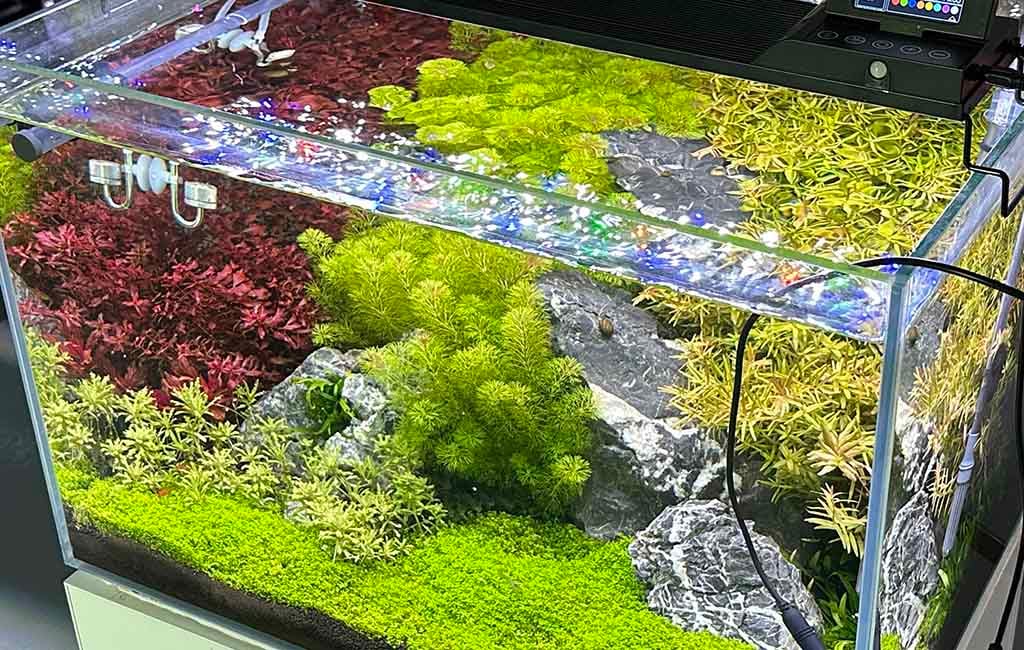
heating lighting guide
Build the Daily Lighting Schedule
A daily lighting schedule takes about five minutes to set up and prevents weeks of troubleshooting later on.
Use a programmable timer. Set it once and stop relying on manual switching. A workable baseline for most tanks:
- Lights on: 9 AM or 10 AM
- Lights off: 7 PM or 8 PM
- Total photoperiod: 8 to 10 hours
For planted or reef tanks, adding a ramp-up and ramp-down period using dimmable LEDs reduces fish stress and better reflects natural light behavior. Some LED controllers offer sunrise and sunset simulation, which is genuinely useful rather than just a marketing feature.
Suggestion of Heating, Lighting Adjustment
Observe Before Changing Anything
The most common mistake hobbyists make is reacting too quickly. Something looks off, and adjustments begin immediately. The better approach is to observe the tank for at least 7 to 10 days before making any heating or lighting adjustment.
Document water temperature at the same time each day. Record fish behavior, plant growth, algae development, and coral coloration. This baseline reveals what is actually happening, not just what feels like it might be happening.
The Order of Adjustment
When a heating or lighting adjustment becomes necessary, make one change at a time and wait at least one full week before altering anything else. Start with temperature, since it affects everything downstream. Once the tank holds a stable target for 7 consecutive days, shift attention to lighting intensity or duration.
Adjust light duration by no more than 30 minutes per week. Jumping from 6 hours to 10 hours overnight stresses the entire system. When following the light replacement guide during a bulb change or fixture upgrade, reduce intensity for the first two weeks to give corals, plants, and light-sensitive fish time to adapt without shock.
Choosing the right water heater replacement follows the same gradual logic. Run old and new heaters simultaneously for a few days when possible, then remove the old unit once the temperature confirms stability.
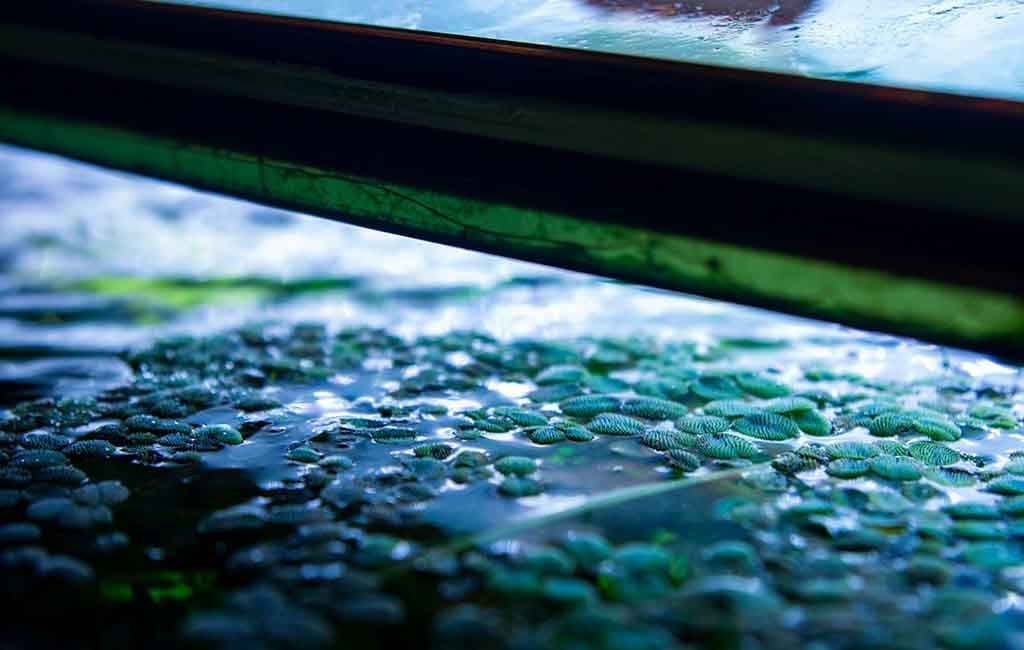
light replacement guide
Action Steps
Temperature and light are not tasks to complete once and forget. They require ongoing observation, seasonal calibration, and intentional heating and lighting adjustment as conditions and seasons shift.
As a starting point, install a reliable digital thermometer and a programmable timer if either is currently missing. Review the light replacement guide for the fixture already running and schedule the next replacement date now, before it slips by.
Use a dependable heating land ighting guide when evaluating any new equipment purchase. Choosing the right water heater and building a consistent lighting setup from the start protects every other system in the tank and makes the entire hobby noticeably more rewarding over the long run.
Related Products

Leave a comment