
Most people walk past a green anole without giving it a second thought. Then it flashes a bright pink dewlap from a fence post, puffs up its body, and suddenly becomes the most interesting thing in the yard. Anoles are compact, fast, and surprisingly watchable. They also happen to be among the most studied lizard groups in the world, with over 400 documented species found across the Americas.
For reptile keepers, the anole sits at an interesting crossroads: accessible enough for beginners, yet demanding enough to challenge experienced hobbyists. This post covers the basics of what anoles are, what they eat, how long green anoles live, and which species are worth knowing.
Content Table
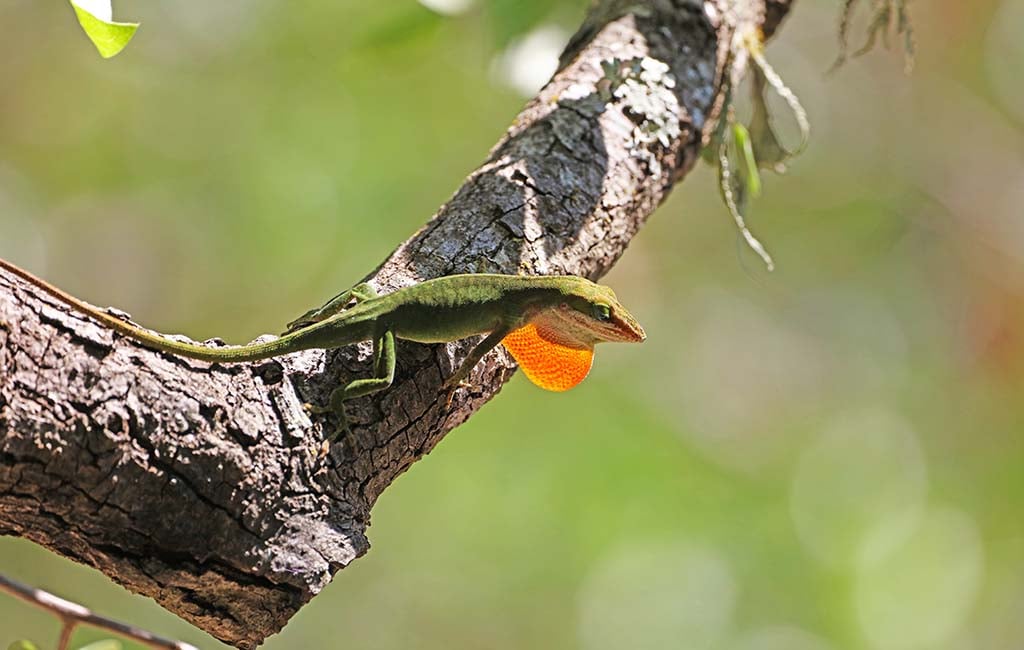
What is an anole
What is an Anole?
The anole belongs to the genus Anolis, which falls under the family Dactyloidae. For a long time, many taxonomists placed anoles within Iguanidae, but molecular studies eventually recognized Dactyloidae as a distinct family. The result is a genus that contains somewhere between 425 and 450 recognized species, depending on the source and year of publication.
So, what is an anole exactly? At its most basic, an anole is a small to medium-sized lizard native to the Americas, with the highest species diversity concentrated in the Caribbean islands and Central America. Most species measure between 5 and 20 centimeters from snout to tail tip. They are diurnal (active during daylight), arboreal by preference, and territorial by nature.
All anoles share a few defining physical traits:
- Adhesive toe pads that allow them to grip vertical and overhead surfaces
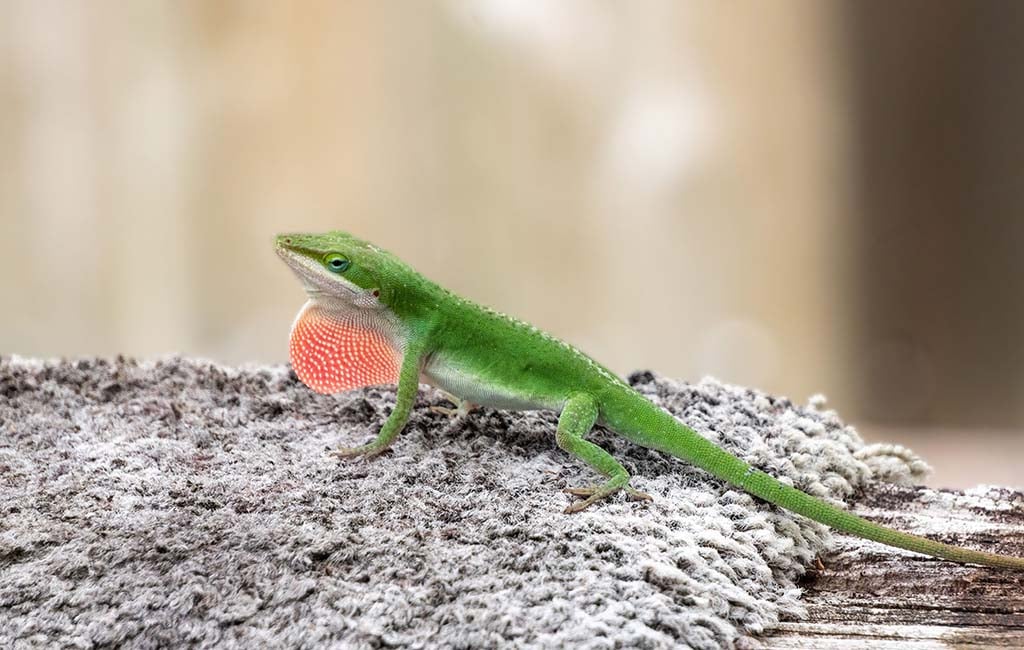
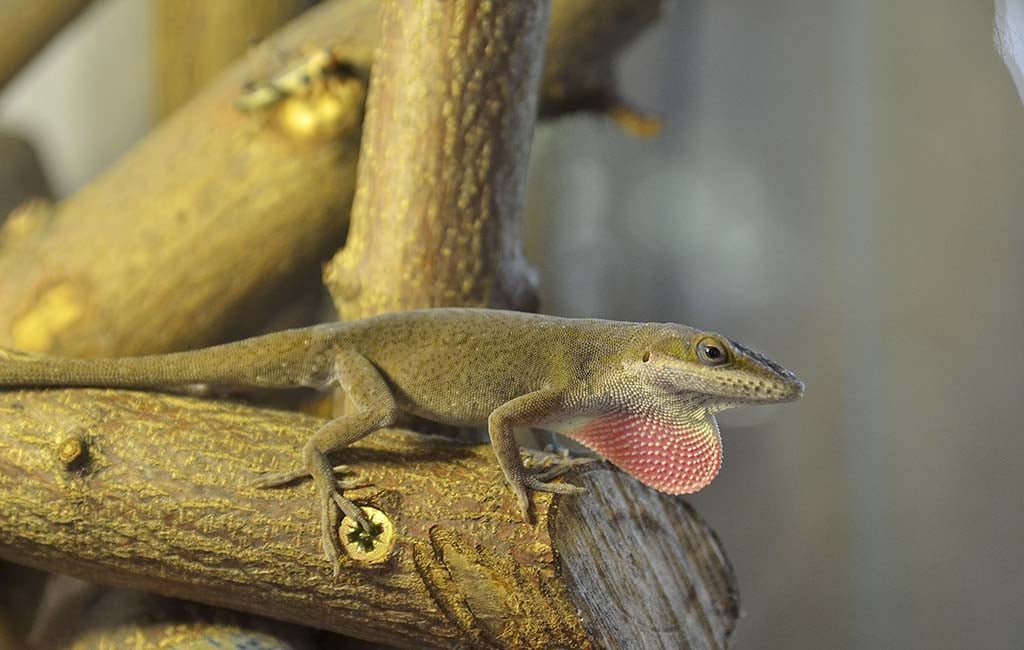
- A distinct dewlap (a loose flap of skin under the throat) is used for communication and species recognition
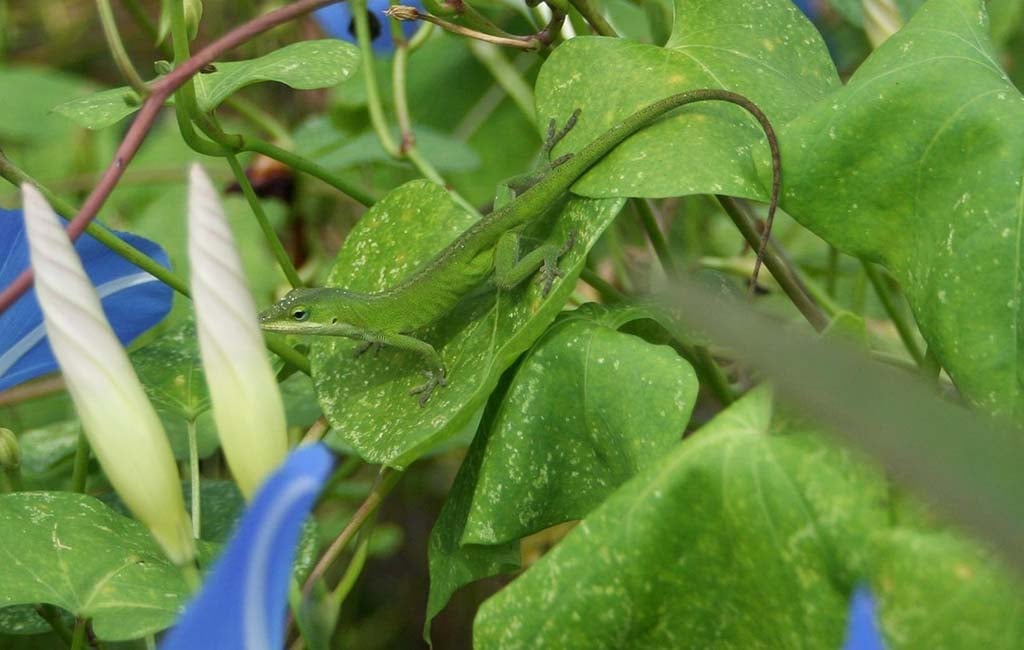
- The ability to change color to a limited degree, typically between green and brown, depending on stress, temperature, and social signaling
The green anole (Anolis carolinensis) is the species most North American readers will recognize, since it is the only anole native to the continental United States.
Why Anoles Are Both Rewarding and Frustrating to Keep
Anoles have loyal fans in the reptile hobby, and they also have a reputation for being harder to keep than their low price tag suggests. Both reputations are earned.
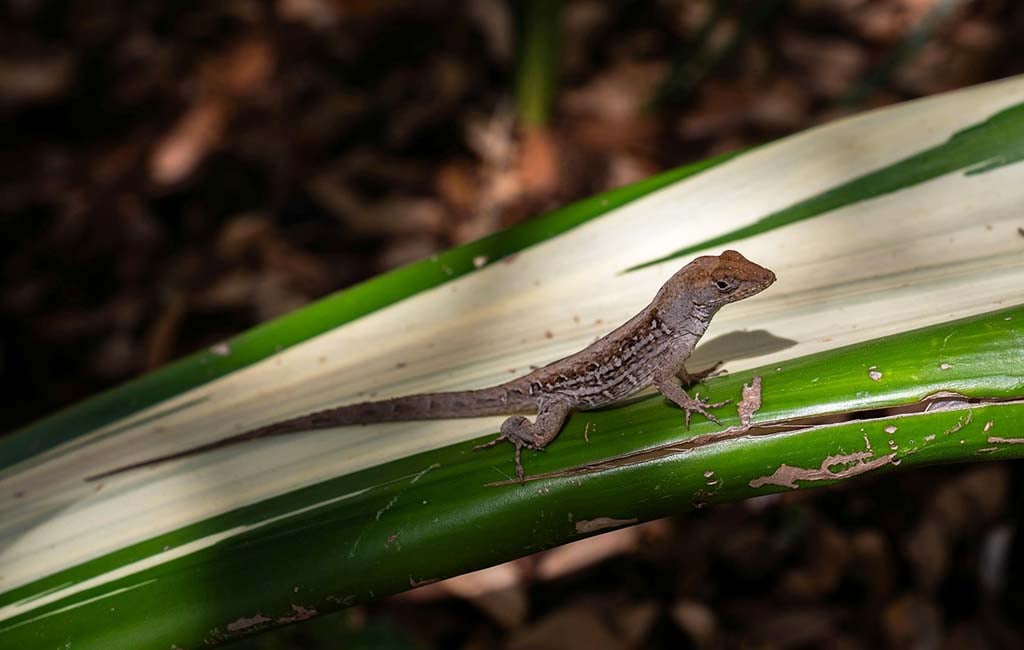
On the rewarding side, anoles are active during the day, which means keepers can watch natural behavior without nocturnal schedules. They display territorial posturing, dewlap extensions, head bobs, and push-up sequences that are genuinely entertaining to observe. For anyone interested in behavioral biology, a well-set-up anole enclosure offers more to watch than most other small lizard setups. The difficulties, though, are real.
anoles are active during the day
Temperature and Humidity Stress
Anoles are ectotherms that require a temperature gradient within their enclosure, typically a basking spot between 85 and 90 degrees Fahrenheit, with a cooler side sitting around 72 to 75 degrees Fahrenheit. If the enclosure runs too warm throughout, or if there is no cooler retreat, the lizard cannot thermoregulate properly. Chronic heat stress shortens lifespan and suppresses immune function.
Humidity matters just as much. Green anoles, for example, require ambient humidity between 60 and 80 percent. Low humidity causes incomplete sheds, dehydration, and respiratory irritation over time.
UVB and Feeding Density
Anoles require UVB lighting to synthesize vitamin D3 and metabolize calcium. A keeper who skips UVB supplementation will often see metabolic bone disease within months, particularly in juveniles. The UVB bulb also needs replacement every six months, since output degrades before the bulb visibly dims.
Feeding density is a less discussed problem. Many keepers start with a pair or small group and underestimate how quickly prey insects need to be offered. An anole fed every three to four days in a suboptimal enclosure is not thriving; it is surviving. Daily or every-other-day feeding with appropriately sized prey is the standard most experienced keepers follow.
What Do Anoles Eat
What do anoles eat in the wild? Primarily small invertebrates. In captivity, that translates to a live insect diet with some specific requirements.
The core prey items for captive anoles include:
- Crickets(the most common staple; appropriately sized means no wider than the space between the lizard’s eyes)
- Dubia roaches(higher protein and fat content than crickets, lower chitin)
- Small mealworms(acceptable as an occasional variety, not as a staple due to high fat content)
- Fruit flies(Drosophila) for juveniles and very small species
- Waxworms(treat only, used sparingly)
What do anoles eat
All feeder insects should be gut-loaded before offering. Gut-loading means feeding the insects nutritious food (leafy greens, high-quality gut-load powder) for 24 to 48 hours before they become prey. A cricket that has been sitting in an empty container for three days passes almost no nutrition to the lizard that eats it.
Dusting insects with calcium and vitamin D3 powder three to five times per week is standard practice for most keepers. Some experienced keepers scale back supplementation once a proper UVB setup is established, but for most home enclosures, regular dusting remains the safer approach.
Anoles do not typically accept still prey. They are visual hunters that respond to movement, so frozen or dead insects are rarely accepted without significant effort.
Behavior and Life Habits
Anoles are territorial, and that territoriality structures most of what they do during the day. A male will defend a vertical territory that includes basking spots, retreat sites, and access to females. He communicates ownership through head bobs, push-up displays, and dewlap extensions directed at rival males.
Females have smaller territories that often overlap with a dominant male’s range. Female-to-female aggression exists but is less intense than male rivalry.
One behavior that surprises new keepers is color change. An anole displaying bright green is typically calm, warm, and in a relatively stress-free state. A dark brown or grayish anole is often cold, stressed, or ill. Color is not always a reliable health indicator, but a lizard that stays brown throughout the day despite proper temperatures is worth watching closely.
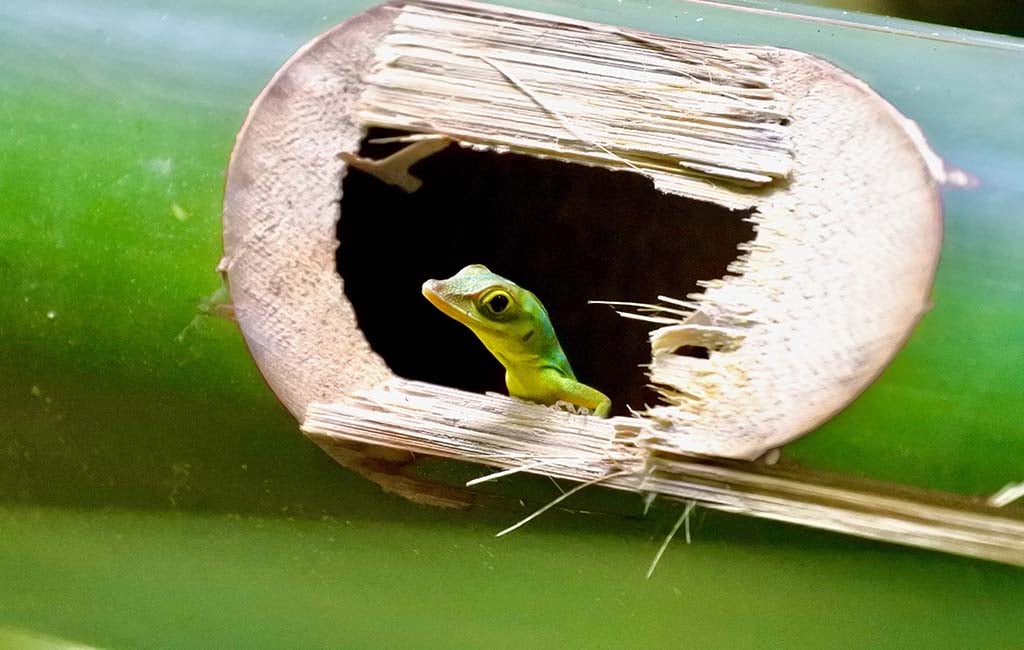
Most anoles sleep on vertical surfaces, plant stems, or near the tops of branches, pressed flat against the surface with eyes closed. They are light sleepers and will drop or flee if disturbed.
How long do green anoles live
Basic Anole Keeping Requirements
Enclosure Size and Layout
A single adult green anole needs a minimum enclosure of 20 gallons, but a taller enclosure is more useful than a wider one since anoles are climbers. Screen tops are preferred over glass tops because they allow UVB penetration and promote airflow. Poor ventilation accelerates bacterial growth in a humid enclosure and leads to respiratory infections.
The interior layout should include:
- Multiple vertical climbing surfaces (cork bark, bamboo, live or artificial plants)
- A defined basking spot directly under the heat and UVB source
- Dense mid-level cover where the lizard can retreat and feel hidden
- A water source that includes light misting at least once daily, since anoles often drink water droplets from leaves rather than from standing dishes
Substrate and Plants
Coconut fiber, organic topsoil, or a bioactive mix all work well for maintaining appropriate humidity. Live plants such as pothos, bromeliads, and ficus are commonly used and tolerate the humidity levels anoles require.
Anole Keeping Requirements
Popular Anole Species
Green Anole (Anolis carolinensis)
The green anole is the best-known species in North America and the starting point for most keepers. Adults reach 5 to 8 inches in total length. Males display a pink-to-red dewlap. How long do green anoles live? In captivity with proper care, green anoles typically live between 3 and 7 years, with some well-kept individuals reaching 8 years. Wild specimens average closer to 3 years due to predation and environmental stress.
Brown Anole (Anolis sagrei)
Originally from Cuba and the Bahamas, the brown anole has established invasive populations across Florida, Georgia, and parts of the Gulf Coast. It is stockier than the green anole, prefers lower perches, and displays an orange dewlap with a lighter border. Brown anoles are slightly more heat-tolerant than green anoles but share similar basic care requirements.
Cuban Anole (Anolis equestris) or Knight Anole
The knight anole is the largest anole species found in Florida, reaching up to 20 inches in total length. Originally from Cuba, it was introduced to South Florida and is now established in Miami-Dade County. Knight anoles are more aggressive than smaller species and will bite firmly if handled. Their diet in the wild includes not only insects but also small lizards and occasionally fruit.
Carolina Anole
The Carolina anole is another name for Anolis carolinensis, the green anole native to the southeastern United States. The name is used interchangeably in many retail contexts, though some sellers use “Carolina anole” specifically to distinguish wild-caught southeastern specimens from captive-bred stock.
Anole
The Bottom Line
Anoles are a genuinely interesting group of lizards that reward keepers who take their environmental needs seriously. Understanding what anoles eat, providing correct UVB, and maintaining appropriate humidity are the three areas where most husbandry problems originate. How long green anoles live under good care comes down to consistency in those same areas. Whether the goal is a simple single-species display or a planted bioactive setup, the anole offers more behavioral complexity than its small size suggests. Start with the green anole, get the setup right, and the rest follows naturally.
Related Products



Leave a comment