
Although Ectothermic reptiles are the most common reptiles. Do you know that endothermic reptiles are also present? In the following, we’ll learn about reptiles, their body temperature regulation, classes, and some examples of ectothermic reptiles. Moreover, what are the pros and cons of having endothermic and ectothermic reptiles? At the end, you’ll also learn how to pick suitable ectothermic reptiles.
Content Table
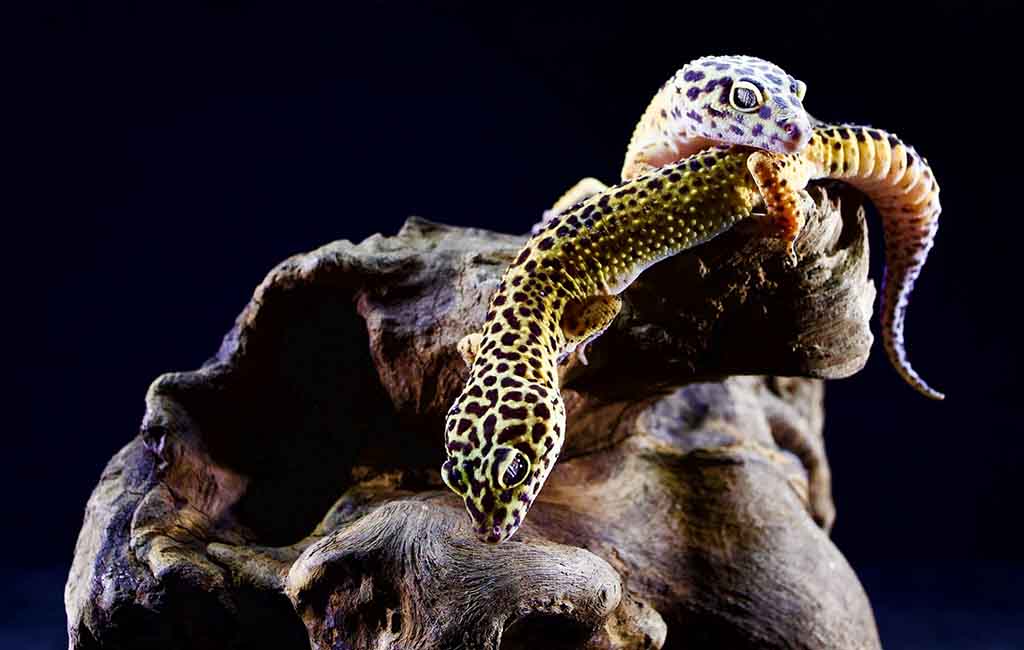
ectothermic
Endothermic and Ectothermic
Endothermic
Endotherms are species that don’t rely on external heat to maintain their body temperature. They regulate their own body temperature.
Ectothermic
Ectothermic species rely on their surroundings to regulate their body temperature. To heat up, they need to go under the sun to get heat, and vice versa.
Are Reptiles Endothermic or Ectothermic?
Reptiles are air-breathing and mostly cold-blooded vertebrates. They have a backbone, scaly and dry skin, and lungs. Mostly reptiles lay eggs to continue their generation and adapt to a certain environment. It includes crocodiles, lizards, snakes, etc.
Are They All Endothermic or Ecothermic?
Mostly reptiles are ectothermic, i.e., rely on the surroundings and are adapted to a specific location. They need to go under the sun to heat up and vice versa. They decrease their food consumption in cold times as their metabolic activity reduces in the winter. However, there are some exceptions.
Are there Any Endothermic Reptiles?
Yes, there are endothermic reptiles as well, but they are endothermic up to a certain extent. They generate heat within their large bodies. It includes large marine leatherback turtles, tegu lizards, and pythons. They especially use their eternal heat during their breeding period. However, there are no such endothermic reptiles as birds.
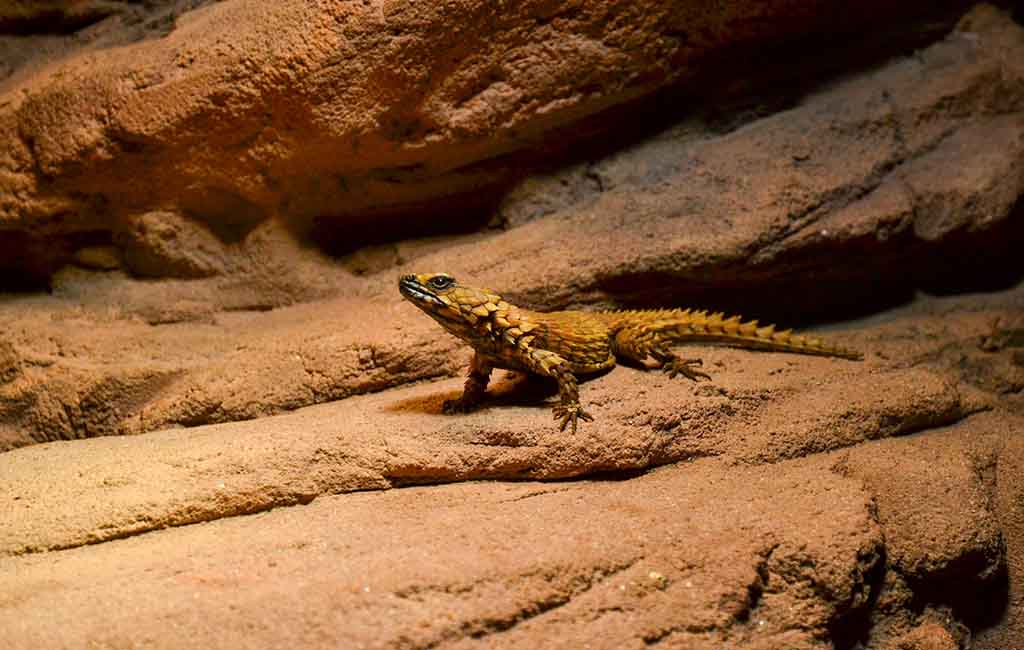
Endothermic or ectothermic reptiles
What Are Ectothermic Reptiles
Ectothermic reptiles are reptiles that rely on an external heating source to regulate their body temperature. It includes lizards, snakes, tortoises, etc. Here are other details of these ectothermic reptiles.
Habitats
They are present in all parts of the world except Antarctica. Here are some common habitats and general characteristics of their habitats.
| Habitats | Species |
| Desert | Lizards |
| Snakes | |
| Tropical forests | Geckos |
| Chameleons | |
| Wetlands and Rivers | Crocodiles |
| Turtles | |
| Grasslands and Savannas | Monitor Lizards |
| Oceans and Coastal Areas | Sea turtles |
| Sea Snakes |
Usually, their habitat has
- Basking area
- Shelter for cooling and hiding
- Stable seasonal temperature
Cahracteristics
- They have basking and shady areas for temperature regulation.
- Their body temperature varies with the environment.
- They require less food than endothermic animals.
- Ectothermic reptiles survive without eating for a longer period.
- They use their energy for growth, movement, and reproduction.
- They don’t sweat or shiver.
- Ectothermic reptileschange their body posture for thermo
- They have scaly skin.
- Their scales protect them from extreme temperatures.
- They slow down their activity during the cold season.
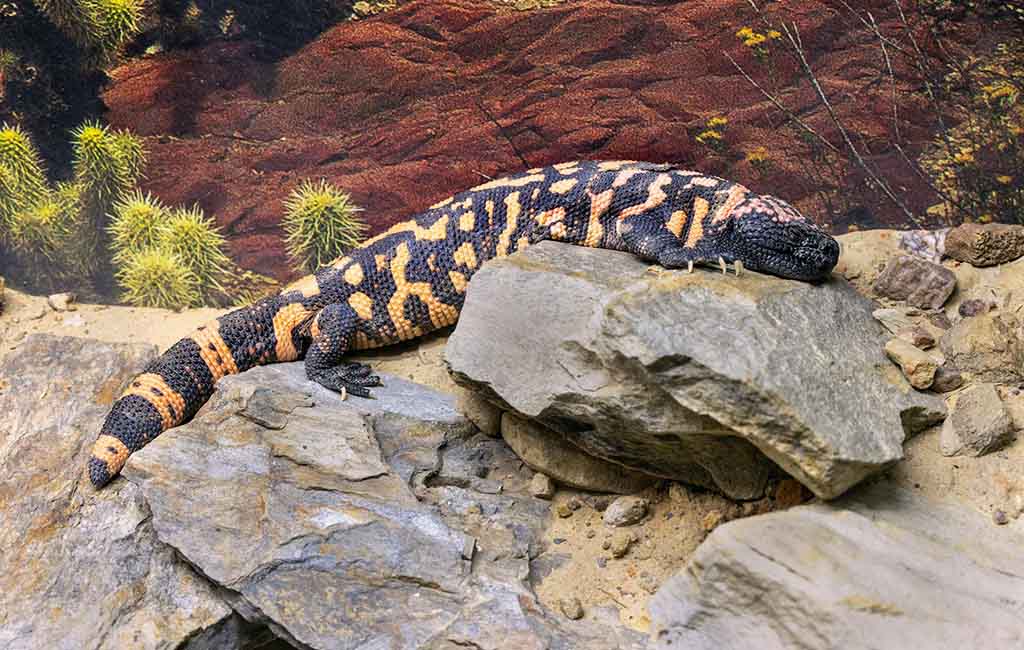
ectothermic reptiles
Major Orders of Ectothermic Reptiles
Ecotothermic reptiles have the following four major orders.
| Order | Common Name | Characteristic |
| Squamata | Lizards & Snakes | Largest reptile order |
| Highly adaptable to diverse environments | ||
| Periodic shedding of scales | ||
| Flexible skulls | ||
| Testudines | Turtles & Tortoises | Hard protective shell |
| Heavy reliance on basking for digestion | ||
| Long lifespan | ||
| Slow metabolism | ||
| Crocodilia | Crocodiles, Alligators, Caimans | Semi-aquatic lifestyle |
| Efficient heart structure | ||
| Dependence on sun basking | ||
| Powerful jaws | ||
| Rhynchocephalia | Tuatara | Rare and ancient group |
| Active at lower temperatures than most reptiles | ||
| Slow growth and metabolism | ||
| Primitive reptile characteristics |
Examples of Ectothermic Reptiles
Here are different ectothermic reptiles and their preferred habitats from each order.
Squamata
This order contains the lizards and snakes. It includes about 12,000 species. Here are some examples of squamata reptiles with their preferred habitats.
Common NameHabitatGeckoTropical forestsHousesIguanaRainforestsRiverbanksMonitor LizardGrasslandsWetlandsChameleonTrees and shrubsSkinkForest floorsDesertsBearded DragonArid regionsCobraForestsGrasslandsPythonTropical forestsViperDesertsRocky regionsBoa constrictorRainforestsAnacondaRiversswampsSea snakesCoastal areas
Testudines
This order contains tortoises, turtles, and terrapins. It has about 356 species.
| Common Name | Habitat |
| Freshwater Turtle | Rivers, lakes |
| Sea Turtle | Oceans |
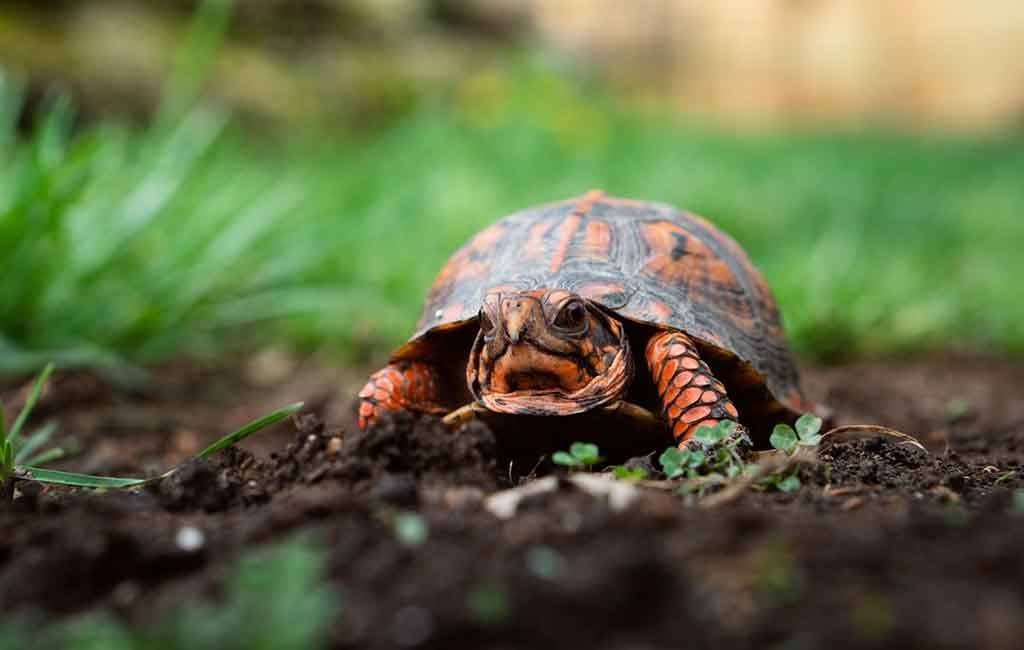
| Box Turtle | Forests |
| Softshell Turtle | Rivers, ponds |
| Desert Tortoise | Deserts |
| Galápagos Tortoise | Islands |
Crocodilia
This order contains about 28 species of alligators, crocodiles, caimans, and gharials. Here are some common reptiles from this group.
| Common Name | Habitat |
| Crocodile | Rivers, estuaries |
| Alligator | Freshwater wetlands |
| Caiman | Tropical rivers |
| Gharial | Large rivers |
Rhynchocephalia
This is the smallest order with only two surviving species of tuatara in New Zealand.
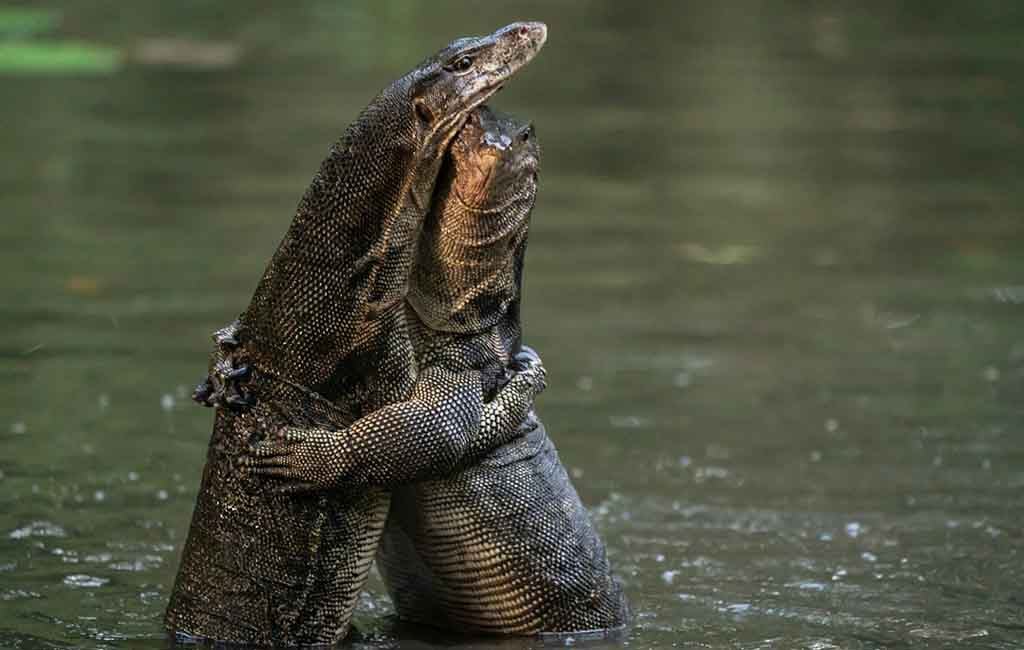
Examples of ectothermic reptiles
Endothermic and Ectothermic Reptiles: Which One Is Better?
Ectothermic Reptiles
| Pros | Cons |
| Low energy requirement | Inactive in the cold season |
| Survive in a low-resource environment, i.e., desert. | Sunlight-dependent for movement |
| Long lifespan | Mostly available in warm regions |
| Can survive long without eating or drinking | |
| High efficiency in energy consumption |
Endothermic Reptiles
| Pros | Cons |
| Active in even cold environments | High food requirement |
| Constant body temperature | Higher risk of starvation |
| Faster growth | Short survival without food |
| Higher reaction speed | |
| Higher stamina and endurance | |
| Wide habitat range |
Picking the Right Reptiles
If you want to start a reptile journey, you need to think about various aspects. Here are these aspects.
Why You Need to Keep a Reptile?
Here are some different purposes and some reasonable reptiles that will go well for that reason.
PurposeBest ReptileEasy and low-maintenance petLeopard geckoCorn snakeDisplay animal (look, not touch)ChameleonBall pythonPet that tolerates handlingBearded dragonLimited timeSnake speciesEducational petTortoiseGecko
Experience Level
Do you have any experience handling reptiles? Here are some suitable reptiles for different experience levels.
Beginners
These are easy-going and suitable for beginners. Don’t require too much care.
- Leopard gecko
- Crested gecko
- Corn snake
- Ball python
- Bearded dragon
Intermediate
If you have some experience with reptiles and you want some challenge, here are some moderately challenging reptiles for you.
- Blue-tongue skink
- Uromastyx
- King snake
- Red-footed tortoise
Picking the Right Reptiles
Pro
If you are a seasoned reptile keeper, the following reptiles are suitable for you.
- Chameleons
- Monitor lizards
- Large pythons or boas
- Crocodilians
Available Space
Pet selection is also dependent on the available space. Here is a table of space suitable for different ectothermic reptiles.
| Available Space | Suitable Reptiles |
| Small tank (20–30 gal) | Leopard gecko |
| Small snakes | |
| Medium enclosure | Bearded dragon |
| Skinks | |
| Large enclosure | Tortoises |
| Monitors | |
| Outdoor setup | Large tortoises (warm climates only) |
Some other aspects that you should consider before selecting the reptile include
- Do you have a stable temperature environment?
- Which food can you comfortably feed them?
- Do you want frequent handling or not?
- How much budget do you have?
- How long can you take care of your reptile, i.e., months, years, or decades?
Once you have answered these questions, you are ready for the reptile journey.
Related Products


Leave a comment