
When you want a cool pet reptile that is easy to take care of and interesting, then the crested gecko could be your new favourite. With their geeky-looking eyelashes, mellow temperaments, and inquisitive climbing habits, crested geckos are gaining in popularity with reptile hobbyists.
Content Table
However, before you take one home, it is important to learn what this crepuscular animal requires to survive. We will discuss all the essential facts you need to know in this blog. Their history and life expectancy are tied to how they are taken care of, and are indicators of good health. So you can make an informed decision before buying a crested gecko.

crested gecko
Crested Gecko Reptiles: Family, Habitat & Basic Information
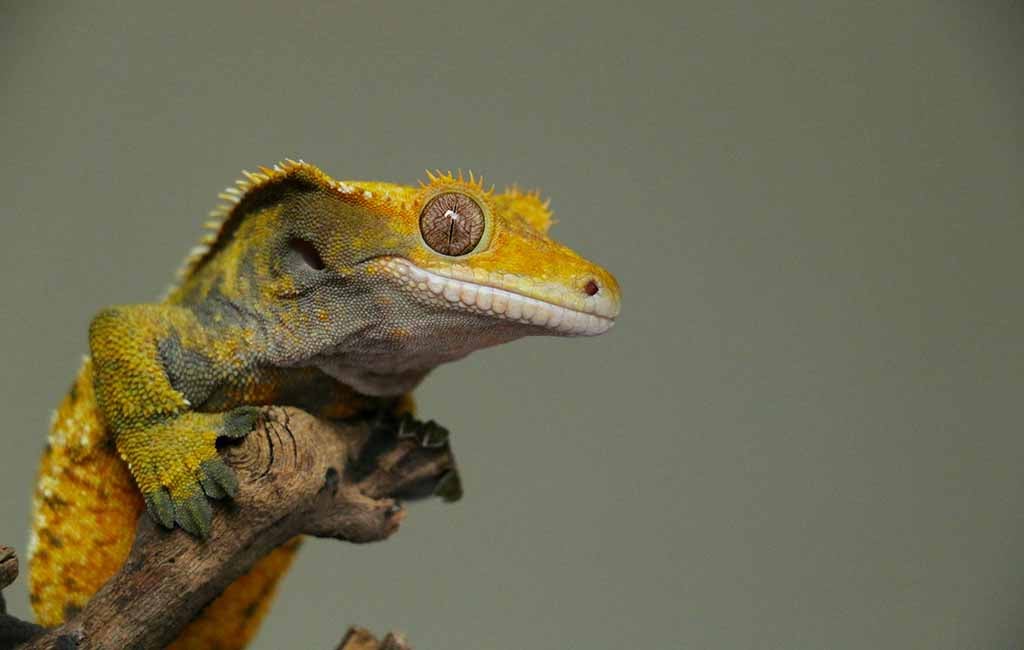
Eyelash geckos or crested geckos (Correlophus ciliatus) are geckos of the family Diplodactylidae. They originated in the southwest Pacific Ocean, on the islands of New Caledonia. They were first discovered in 1866 and were believed to be extinct. But they were found once again in 1994. They have now become a popular pet trade choice because of their low maintenance and peaceful nature.
The crested gecko is a tree-dwelling crepuscular animal. They are great climbers and can also stick on smooth surfaces due to thin hair-like structures on their toe pads.
Some quick facts:
- Size: 8 to 10 inches (including tail)
- Weight: 35–55 grams in adults
- Activity: Crepuscular and nocturnal
- Temperature: Prefer room temperatures between 72–78°F (22–25°C)
- Humidity: 50–70%
They also have many morphs (variations in color and pattern), which render them even more attractive to pet owners.
Crested Gecko Lifespan and Diet
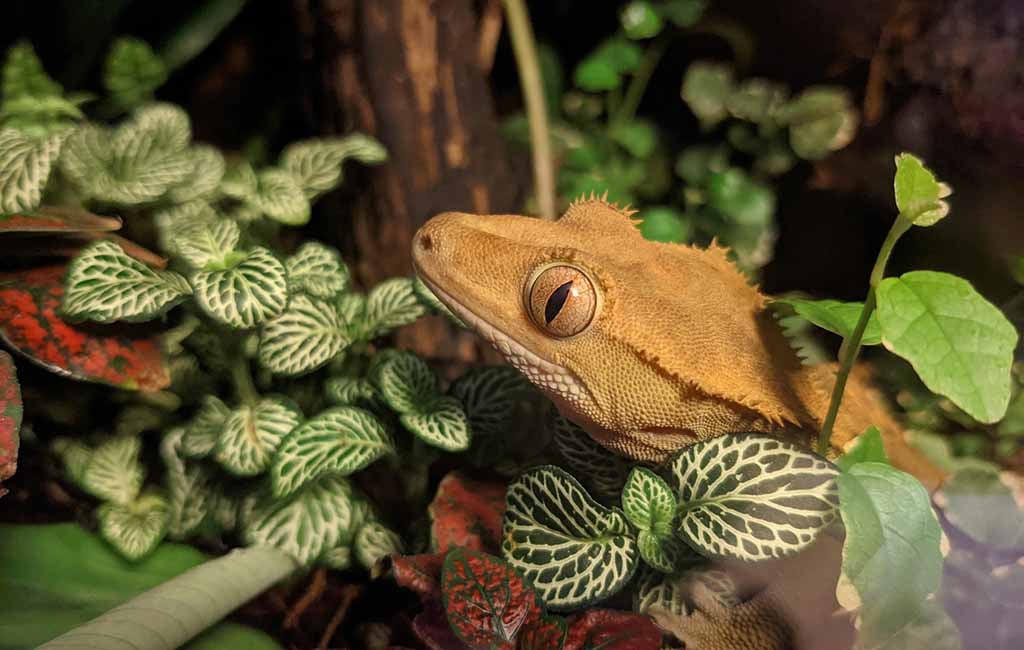
Under captivity and with good care, a crested gecko can live 15 to 20 years. This is why they are a long-term commitment, and potential owners should be ready to spend several long years of quality care and companionship.
The dietary aspect of crested geckos is omnivorous, i.e., they consume both vegetable and animal products. They feed on a combination of insects, soft fruits, and nectar in the wild. In captivity, they are considerably less demanding in terms of diet. Thanks to commercially available nutritionally balanced formulas.
crested gecko lifespan
Recommended diet includes:
- Commercial Crested Gecko Meal Replacements (MRPs)– These powdered blends are the most convenient method of providing your gecko with a balanced diet. They have a perfect balance of vitamins and minerals with an added natural source of fruit-based nutrition. Just prepare by mixing with water and serving 3-4 times a week.
- Live Insects– Crickets, dubia roaches, or black soldier fly larvae should be provided 1-2 times weekly. Always dust them with calcium vitamin D3 powder to keep them healthy, avoiding metabolic bone disease.
- Occasional Treats– Occasional mashed or soft fruits such as banana, mango, or peach can be offered as a treat, but should not be their main diet.
- Hydration– There should always be water in a shallow dish. Also, the enclosure can be misted once or twice a day. This is to keep it humid and to give the crested gecko some droplets to lick. Because most crested geckos like to drink off surfaces.
Is a Crested Gecko a Good Pet to Have?
Yes. Crested geckos are the perfect pets, particularly for new owners and apartment owners. Or anyone who requires a low-maintenance pet. They are one of the friendliest reptiles to keep. They are adorable in the way they look, relatively easy to take care of, and are placid.
Here’s why they stand out:
- Low-maintenance: Crested geckos do not need complicated heating systems and do not need special UVB light. A low-level UVB is still good to ensure health in the long term. They require an average room temperature and are hence easy to take care of.
- Docile nature: These geckos are clean by nature. Odor is absent or hardly present at all with frequent spot cleaning of their enclosure and good hygiene.
- Minimal smell: Crested geckos are naturally clean. With regular spot cleaning of their enclosure and proper hygiene, odor is virtually non-existent.
- No feeder rodents: You won’t need to feed mice or thaw frozen rodents. Their diet is nutritious and simple to feed. Since they are given powdered meal replacements that look like fruit, and occasionally insects.
- Quiet and space-saving: crested geckos are silent and not space-consuming. They are also ideal to keep in small homes or rooms. A vertical 20-gallon tank is normally enough to contain one adult.
Out of all these benefits, it should be kept in mind that they are sensitive beings. They have small bodies and sensitive skin. Which may be hurt in case of mishandling.
Furthermore, they are also likely to undergo autotomy (falling off) of their tails under the most stressful conditions. Or during fright permanent defense mechanism since they do not grow their tails back. Due to this factor, they are to be held only when adults are present, and special precautions must be taken not to endanger or upset them needlessly.

healthy crested gecko reptiles
How to Tell If a Crested Gecko Is Healthy Before Owning It
Before purchasing a crested gecko, it’s essential to assess its health. A healthy gecko should display the following:
Physical Signs:
- Bright, alert eyes– No discharge or swelling.
- Rounded body– Not overly skinny or bloated.
- Clean vent area– Free from feces or crust.
- Strong grip– It should cling well to your hand or surface.
- Complete tail– Although tail drops are common, a complete tail often indicates a stress-free life so far.
- No visible injuries– Skin should be smooth without cuts or retained shed.
Behavior:
- Responsive movement– It should move naturally when touched.
- Calm demeanor– Not overly jumpy or aggressive.
- Nighttime activity– Ask the seller when the gecko is most active; crepuscular geckos may be sleepy during the day.
If possible, ask to observe the gecko eating and pooping. Good appetite and regular bowel movements are strong indicators of health.
How Long to Hold a Crested Gecko
Crested geckos can be handled, but they don’t necessarily enjoy it like a dog or cat might. They’re curious and tolerant, but excessive handling can cause stress.
Here are some tips for handling:
- Start slow– Limit sessions to 5–10 minutes at first.
- Hold close to the ground or soft surface– They may jump if startled.
- Handle 3–4 times per week– Give them time to rest.
- Always support their whole body, especially their delicate tail.
With time, your gecko will be able to become readily accustomed to being handled. At all times, be alert to the indication of stress, fast tail twitching, or attempt to escape.
Crested Gecko Care Table
Crested Gecko Care Sheet (Including Tail Protection)
Crested geckos have a fairly simple setup; consistency and regular observation are major. To ensure that your gecko survives, proper enclosure design, humidity control as well and delicate handling are the main ingredients.
You can find everything that you should know about comprehensive care below:
Housing
- Tank Size: Adults: The minimum tank size they should be kept in is 20-gallon tall terrariums. So, they can climb and explore. Juveniles may be started in 10-15-gallon tanks. But it will require an upgrade eventually.
- Enclosure Type: A vertical terrarium will be the best setting because crested geckos are arboreal. Use bark, cork rounds, artificial plants, and vines to present an environment of natural hiding places.
- Substrate: Coconut fiber, sphagnum moss, or paper towels should be used. Avoid gravel or sand, which may lead to impaction in case of ingestion.
- Humidity: Keep the air at a level of 50-70 percent. Water once or twice a day, mostly in drier areas.
- Temperature: Maintain it in the range 72-78°F (22-25°C). Avoid high temperatures (greater than 82 o F) that might bring about stress or heat stroke.
Lighting & Heating
- UVB Light: It is not essential, though some low-output UVB (2.0- 5.0 strength) is useful in vitamin D3 formation and an aid to general vitality.
- Heating: You do not need a heat lamp when your room is 70-78°. A ceramic heater is only required if the enclosure falls below 68°F during the night.
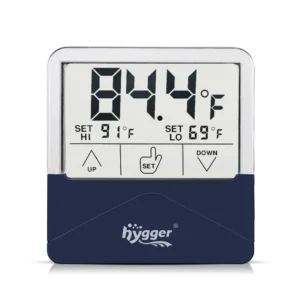
- Monitoring Tools: To ensure accurate monitoring of the gradients, place a digital thermometer and a hygrometer at the top and bottom of the tank, respectively.
Feeding Schedule
Always watch feeding behavior-if a gecko goes off feed for more than a few days, the Gecko may be stressed, shedding, or ill. Go through the table and know the best feeding schedule for your Gecko.
| Food Type | Frequency | Notes |
| Commercial MRP Diet | Every 24–48 hours | Mix with water; remove uneaten food after 24 hours |
| Live Insects (Crickets/Dubia) | 1–2x per week | Must be gut-loaded and dusted with calcium & vitamin D3 |
| Fresh Mashed Fruit | 1x per week (optional) | Offer as a treat only, not a substitute for MRP diet |
| Clean Water | Daily | Replace with fresh water daily; ensure shallow dish access |
Tail Protection
Crested geckos also possess prehensile tails, which also help in climbing. But in response to fear or danger, they may shed their tail as a defensive mechanism called autotomy. Their quality of life is not impacted negatively, and unlike other animals, their tail do not grow back.
How to Protect Their Tail:
- Avoid sudden movements or rough handling, especially during the first weeks after bringing them home.
- Handle in short sessions(5–10 minutes), close to a soft surface.
- Provide multiple hiding places to reduce stress from open exposure.
- Keep tankmates separated, especially if one is aggressive or dominant.
- Ensure proper humidity(especially during shedding) to prevent retained shed on the tail tip, which can cut off circulation.
Don’t panic if your gecko has lost its tail. Tailless geckos can remain active. As a result of their new appearance, many owners affectionately call them frogbutts.
Crested Gecko Quick Care Table
Here is a quick table to understand the Gecko care requirements better.
| Category | Details |
| Activity | Crepuscular (active at dawn and dusk) |
| Adult Tank Size | Minimum 20-gallon vertical terrarium |
| Ideal Temperature Range | 72–78°F (avoid >82°F) |
| Humidity Level | 50–70%, mist 1–2x daily |
| Lighting | Optional UVB (low output); no direct sunlight |
| Substrate | Coconut fiber, moss, or paper towels |
| Diet | MRP diet + occasional live insects and fruit |
| Handling Time | 5–10 minutes per session, 3–4 times per week |
| Tail Risk | High (especially with stress, rough handling, or tank mate aggression) |
| Lifespan | 15–20 years with proper care |
Ultimately
Crested geckos make a perfect pet for both a first-time reptile keeper and an experienced herpetology enthusiast. They are gorgeous, silent, and easy to maintain. But they demand attention on your part. There are a lot of things to consider before taking one home. It includes studying their natural habits, feeding them the proper diet, and observing their health.
When you want a long-term pet who keeps you entertained in the evenings, occupies the limited space in your house, and can sneak a peek at your life behind glass, the crepuscular crested gecko can be an excellent fit for your family.
Just take your time selecting a healthy one, create an enriched and safe enclosure, and wait until you win the trust of your new reptilian friend. When you have a crested gecko that is settled. It may make an absolute delight and peaceful presence in your life in the years ahead.
Related Products


Leave a comment