
The aquarium requires a balanced amount of oxygen in the water and a healthy biological state. Numerous aquarists use filters and air stones, although live plants are essential. The best oxygen-producing plants in aquariums release oxygen naturally and enhance the total quality of water. They help fish to respire, ease their stress, and make the underwater environment look more natural.
Content Table
This vegetation also captures toxic waste and excess nutritional materials, which can lead to algae growth. When properly selected, the best oxygen plan can also make an aquarium quite stable. This hygger article describes the functionality of the best aquarium plants for oxygen and emphasizes superior species of the same to use in your tank.
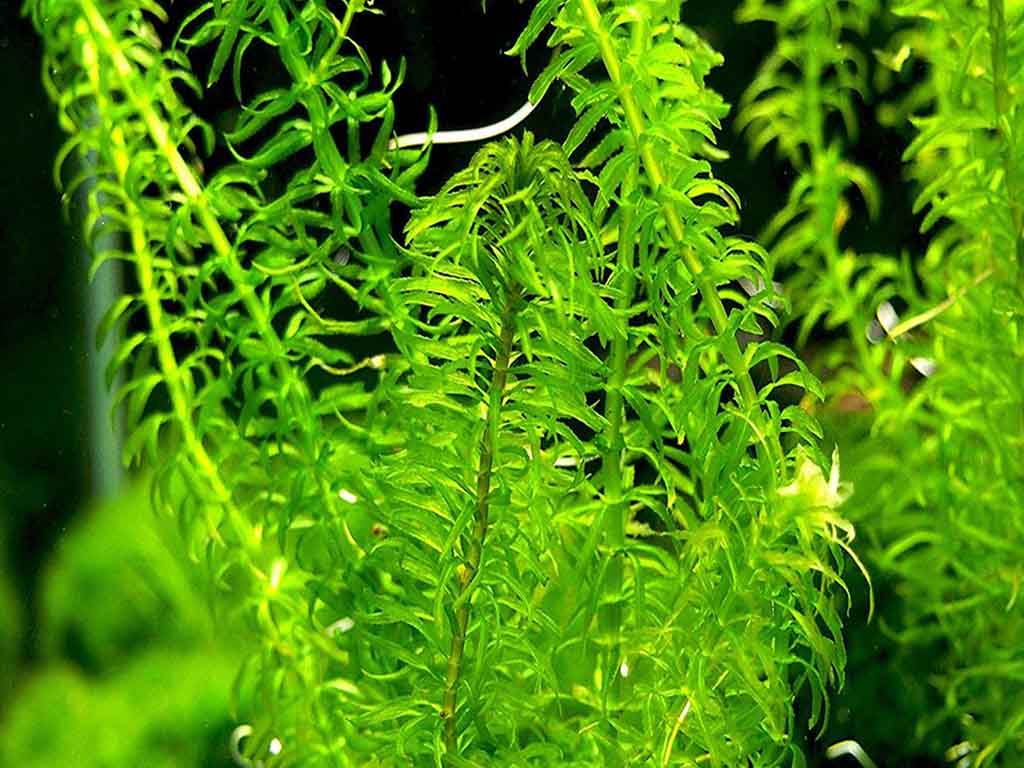
best oxygen-producing plant
What Are Oxygenating Aquarium Plants
Oxygenating plants, such as aquatic plants, actively release oxygen in the process of photosynthesis. They use the light energy to develop food and enhance the water chemistry naturally. Such oxygen producers plant take in the amount of carbon dioxide emitted by fish and biological wastes. This process leads to the freeing of oxygen into the water. This dissolved oxygen helps in fish breathing and other advantageous bacterial functions.
Live plants, unlike artificial ones, have a direct contribution to the health of aquariums. They lower the nitrate and ammonia levels by absorbing the excess nutrients. Plants that produce oxygen qualify to support a self-sustaining ecosystem that uses less mechanical interference.
Why Oxygen Levels Matter in an Aquarium
Fish cannot survive without oxygen, and the entire aquarium may not be stable. Low oxygenation produces stress, immobility, and gulping in fish. Even helpful microorganisms need oxygen to efficiently decompose toxic waste. Incidents of ammonia accumulation and unstable nitrogen cycles result from poor oxygenation. Plants aid in the stabilization of oxygen content during the day. This will provide a more secure environment for delicate species. In oxygen-rich tanks, the colour of fish and their activity are improved. Oxygen maintenance ensures a high success rate of the aquarium in the long run.
Characteristics of Oxygen-Producing Aquarium Plants
Plants that generate oxygen hold certain biological similarities and structures. The majority of them grow fast and produce higher oxygen levels regularly. Light is better absorbed by thin leaves, feathered or broad leaves. These are the plants that do well in moderate to intensive lighting environments.
Nutrients in the water column are absorbed by many oxygenating species. This contributes to the reduction of waste and algae. The plantation of good health is green in color, and the leaves are firm. They are user-friendly solutions as they are adaptable to multiple water parameters.
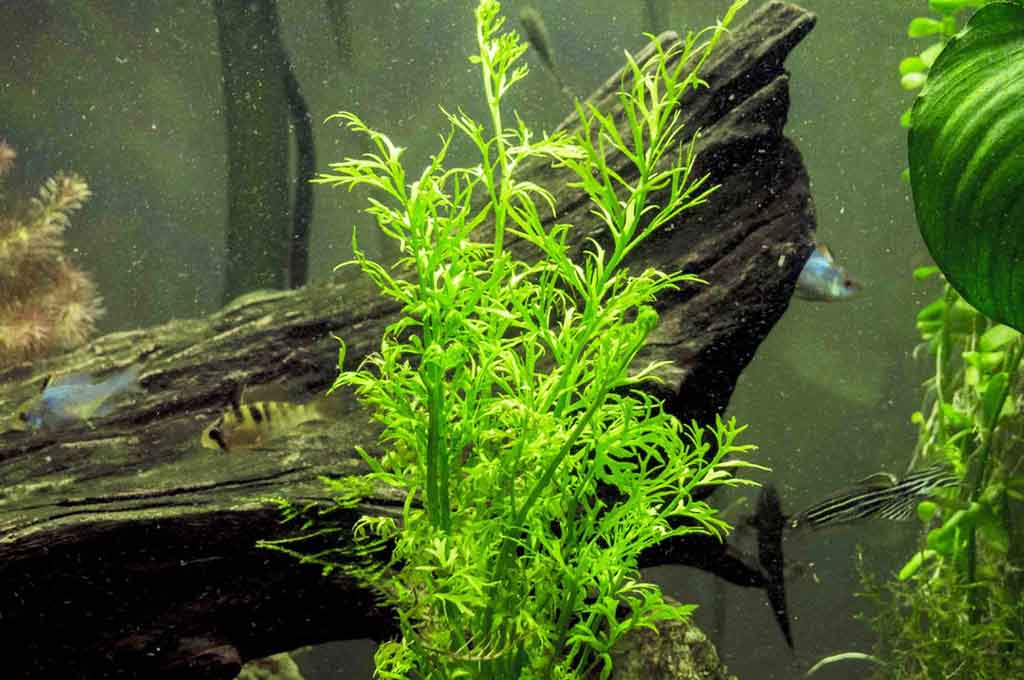
Aquarium Plants Produce Oxygen
How Aquarium Plants Produce Oxygen
The oxygen producers plant in the aquarium generate oxygen by a biological process referred to as photosynthesis. They take up carbon dioxide, which is emitted by fish and decaying organic substances. Chlorophyll in plant cells is activated by light energy. This stimulates chemical reactions that generate plant-growing sugars. The release of oxygen is emitted into the water around the oxygen pool. This is done in the course of light cycles. Plants do not produce oxygen at night; they use it up. Proper lighting will allow the production of oxygen as compared to the consumption during the night.
Factors That Affect Oxygen Production in Plants
- Lighting intensity and duration control how fast plants photosynthesize and how much oxygen they release daily.
- Light spectrum quality determines how efficiently plants absorb energy needed for oxygen production.
- Carbon dioxide availability affects how well plants convert light energy into usable oxygen.
- Water temperature influences plant metabolism, with extreme temperatures reducing oxygen output efficiency.
- Nutrient availability ensures plants remain healthy and capable of sustained oxygen production.
- Plant density affects light penetration, which directly impacts oxygen production across different tank levels.
- Water circulationhelps spread produced oxygen evenly throughout the aquarium water column.
- Plant species type matters because faster-growing plants generally produce higher oxygen levels.
Which Aquarium Plant Species Are Rich in Oxygen Production
There are plant families that are associated with a high production of oxygen in aquariums. A rapid increase in stem plants is more successful in producing oxygen than a slow increase. The floating vegetation exudes oxygen close to the water surface to facilitate greater gaseous exchange.
Rosette plants give a consistent oxygen supply, as well as stabilizing nutrients of the substrate. Fluvial plants are sufficient for oxygen production.
The leaves of fine-leafed species permit faster diffusion of oxygen. Mixed types of aquarium oxygen plants will ensure that oxygen penetration in every level of the tank. Diversity enhances the general balance and resilience of the ecosystems.
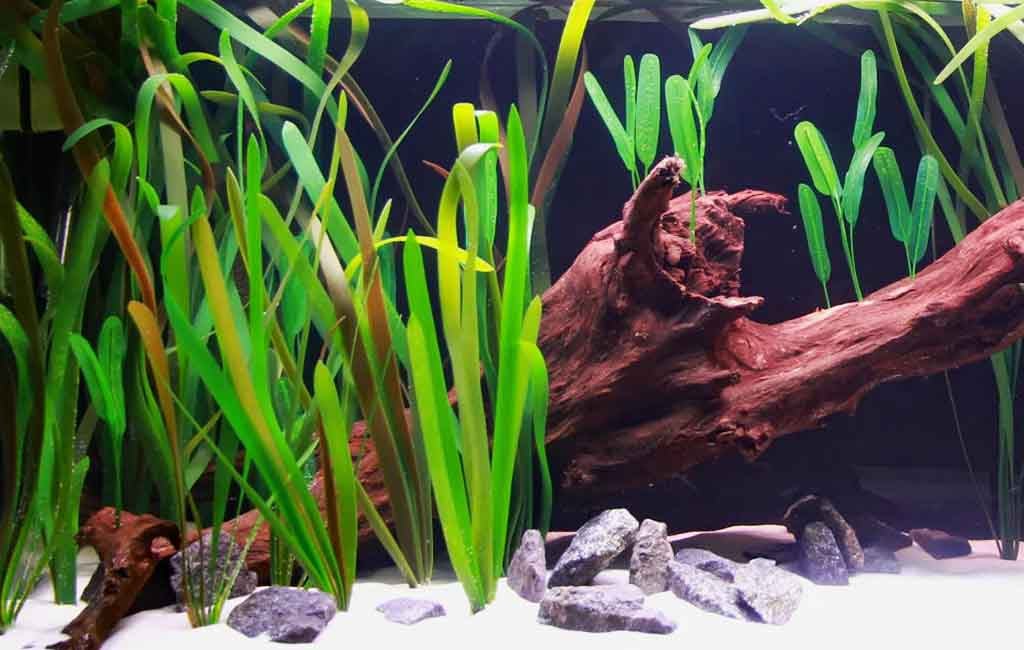
best aquarium plants for oxygen
5 Best Oxygen-Producing Aquarium Plants
- Anacharis (Egeria densa)
Anacharis is among the best oxygen-producing plants that can be used in aquariums. It thrives fast and gives good exposure to medium light. This plant has the potential of generating about 40 to 50 percent oxygen output. Anacharis is a natural absorbent of nitrates and enhances the quality of water. It is a species that grows in a broad range of temperatures. You may put it into the earth or leave it so it may. Floating Anacharis dissipates oxygen effectively in the surface levels. It suits community tanks and beginner arrangements.
- Hornwort (Ceratophyllum demersum)
Hornwart is an oxygen plant without roots, with the characteristic of aggressiveness. The amount of oxygen it produces with good light is approximately 45 percent. Hornwart feeds on the water column nutrients. This assists in controlling algae and ensuring that the level of nitrate is low. Its structure has feathers that give refuge to fry. Hornwart can withstand cool and hot water environments. Constant hair removal makes growth manageable. It is appropriate in low-maintenance pools.
- Vallisneria
Vallisneria is a herb that produces constant oxygen production. It supplies about 30 to 35 percent of oxygen regularly. Vallisneria propagates by means of runners, creating thick plant beds. These beds enhance the circulation of oxygen in the tank. It prefers average light and nutritious food. The tall leaves de-oxygenate in the middle and the top water layers. Vallisneria provides natural scenery. It is suitable for medium and large aquariums.
- Amazon Sword (Echinodorus species)
Amazon Sword plants are moderate and steady producers of oxygen. They produce about 25-30 percent of oxygen. The nutrient absorption in the roots is essential for these plants. The substrate is rich and increases their efficiency in oxygen production. The broad leaves increase the absorption of light in the process of photosynthesis. To grow well, Amazon Swords have to be spaced out. They promote fish spawning activities. These are plants that would be appropriate in the large freshwater aquariums.
- Water Sprite (Ceratopteris thalictroides)
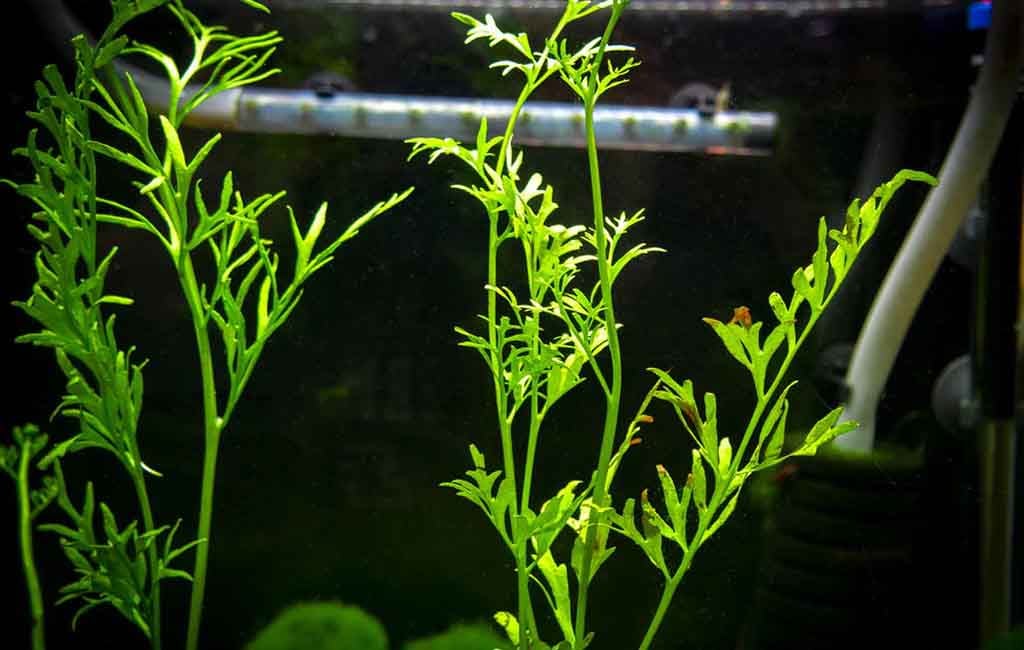
Water Sprite is a rapid plant with regard to positioning. It generates approximately 35 to 40 percent oxygen production. Water Sprite is a successful plant in both floating and rooted growth. Free-floating growth enhances the exchange of oxygen at the surface. It is efficient in the absorption of nitrates, which diminishes water pollution. Fry and shrimp are shielded by delicate leaves. It can easily adjust to various light conditions and has proven to be very good in a good breeding tank.
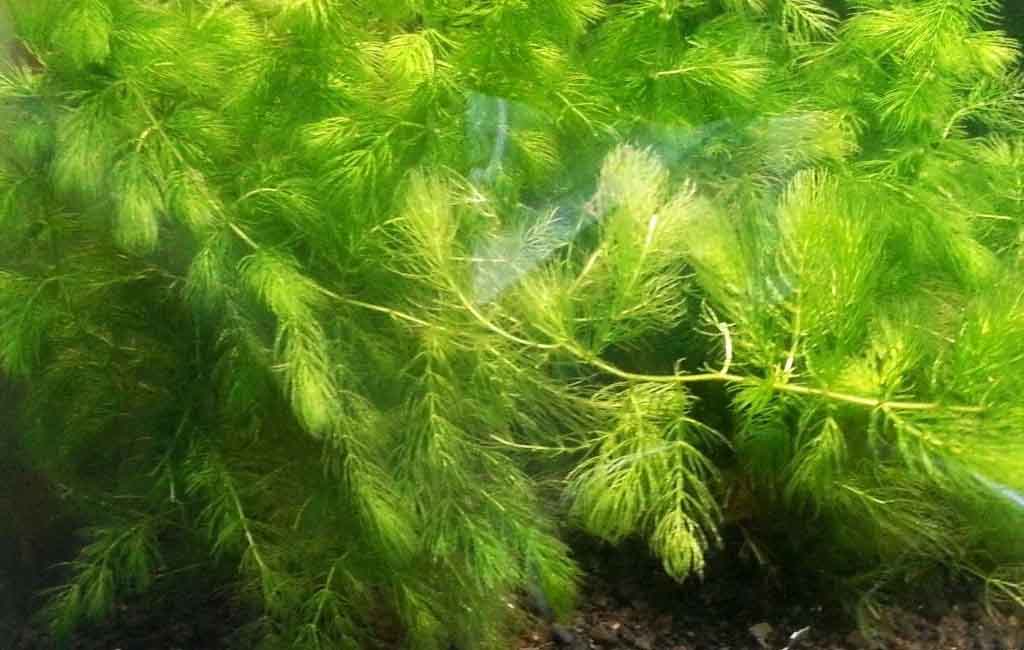
aquarium best oxygen plant
How Many Plants Are Needed for Proper Oxygenation
The number of plants is no less important than the choice of the type of plant. Tanks that are lightly stocked require fewer oxygenating plants. Plant cover is necessary in areas where the tanks are heavily loaded. Covering 50 to 70 percent tank space is a good rule. Night depletion of oxygen is inhibited by balanced planting.
Plant filtration is better than plain filtration. Plants should not be overstocked, as it may decrease swimming space. Healthy growth and oxygen are achieved with proper spacing. The behavior of fish allows you to evaluate the sufficiency of oxygen.
Common Mistakes When Using Oxygenating Plants
Even the finest oxygenating plants will fail when the basics of taking care of the aquarium are not adhered to. Improper lighting is one of the most frequent errors.
- Poor Lightning
Poor or even sporadic lighting decreases photosynthesis, and this reduces oxygen generation directly. The plants need constant light of a full spectrum of light between eight and ten hours a day to be productive. The limitation to the release of plant growth and oxygen is the use of old bulbs or short light cycles.
- Overcrowding
The other common problem is the overcrowding of plants in the aquarium. The growth of plants when overcrowded is not able to receive adequate light to the lower leaves. This decreases the production of oxygen and retards normal growth. Ineffective spacing also limits the free flow of water, which traps waste at the bottom of plants. When spacing is done properly, the light penetration and even distribution of oxygen in the tank are improved.
- Nutrient Imbalance
Other significant issues that most aquarists exhibit are nutrient imbalance. Plants require nutrients such as nitrogen, potassium, and iron in order to remain healthy. The lack of nutrients makes plants weak, whereas a surplus of nutrients promotes the growth of algae. Allow concentration of carbon dioxide also lowers the efficiency of photosynthesis. A balanced process of fertilization ensures a constant supply of oxygen.
- Ignoring Night Time Consumption
Most aquarists do not even pay attention to night oxygen usage. Plants also consume oxygen when the lights are switched off, and it may reduce levels to a significant point. Regular pruning allows for avoiding congestion and pursuing new growth, and leads to better long-term oxygen stability.
Using Oxygenating Plants
To Summarize
Plants that provide oxygen to aquarium waters are very crucial in ensuring a healthy environment in the tank. They are also known to release oxygen, enhance the quality of water, and minimize the harmful waste compounds. Such plants maintain the health of fish and result in an ecosystem of balance. Selecting high-growth and performance oxygenating species enhances long-term aquarium maintenance.
Excellent choices are anacharis, hornwart, Vallisneria, Amazon Sword, and Water Sprite. These types of plants have predictable benefits when they are coupled with correct lighting and care. Live oxygenating plants also enable you to have a cleaner, healthier, and more natural aquarium.
Related Products



Leave a comment