
You may notice a thin, shiny layer forming on your aquarium water over time. This oily film often appears harmless, but it slowly reduces oxygen exchange and water clarity. When oxygen levels drop, your fish become stressed and less active. Plants may also struggle because surface blockage limits gas exchange. Many aquarists ignore this issue until fish behavior changes or algae problems increase. A fish tank oil film skimmer offers a simple and reliable solution for maintaining a clean surface.
Content Table
This article explains what oil film skimmers are, how they work, why oil films form, and how to remove oil film in aquariums effectively. You will also learn why the hygger HC030 oil film skimmer removes oily surface well for small freshwater aquariums.
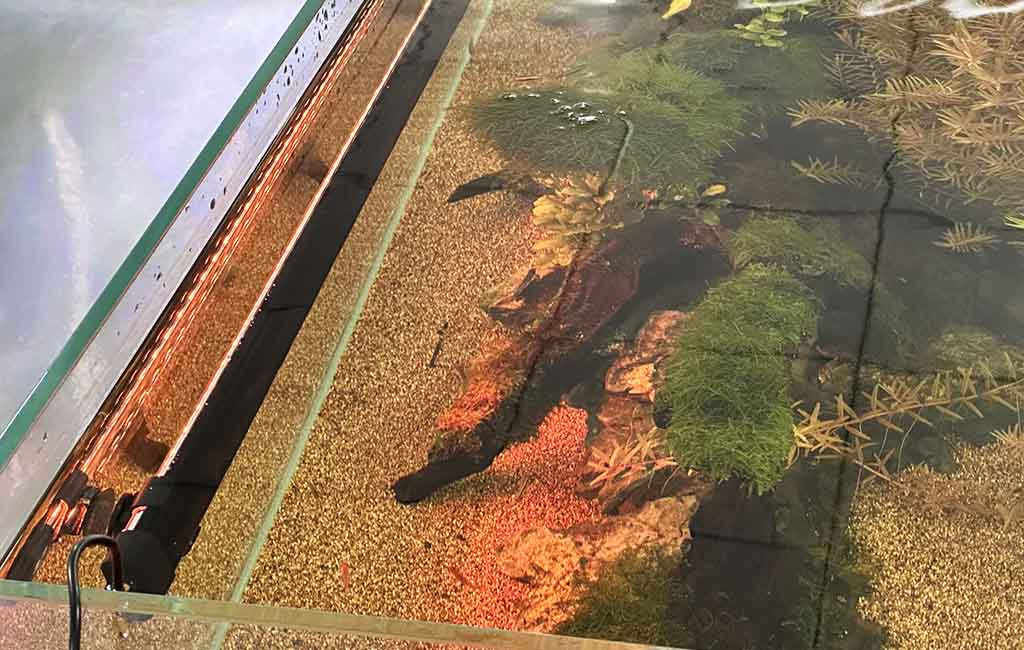
fish tank oil film skimmer
What’s a Fish Tank Oil Film Skimmer
A fish tank oil film skimmer is a specialized aquarium device designed to clean the water surface continuously. Unlike internal filters that focus on water inside the tank, a surface skimmer targets floating waste. This waste includes proteins, fats, dust particles, pollen, and microscopic debris. Over time, these materials combine to form a visible oily layer.
A skimmer gently draws only the top layer of water into its intake. This focused action prevents surface buildup without disturbing fish or plants. You benefit from better gas exchange because oxygen can freely enter the water. Carbon dioxide can also escape more easily, which helps planted aquariums remain balanced.
Oil film skimmers are commonly used in freshwater tanks with calm water movement. They are especially useful in aquascapes where strong currents are avoided.
Working Principle of Aquarium Oil Film Skimmer
An aquarium oil film skimmer operates by maintaining constant contact with the water surface. Most skimmers use a floating intake that adjusts automatically as water levels change. This ensures the intake always stays at the surface where oil accumulates. The motor pulls surface water into the skimmer housing at a steady pace. Inside the housing, a filter sponge or cartridge traps organic waste and fine debris. Clean water then exits through a designated outlet.
Some skimmers include directional outlets that improve circulation and oxygen movement. This circulation prevents dead zones from forming near the surface. Because the skimmer works continuously, oil films rarely have time to build up. This constant removal helps maintain stable oxygen levels throughout the day and night.
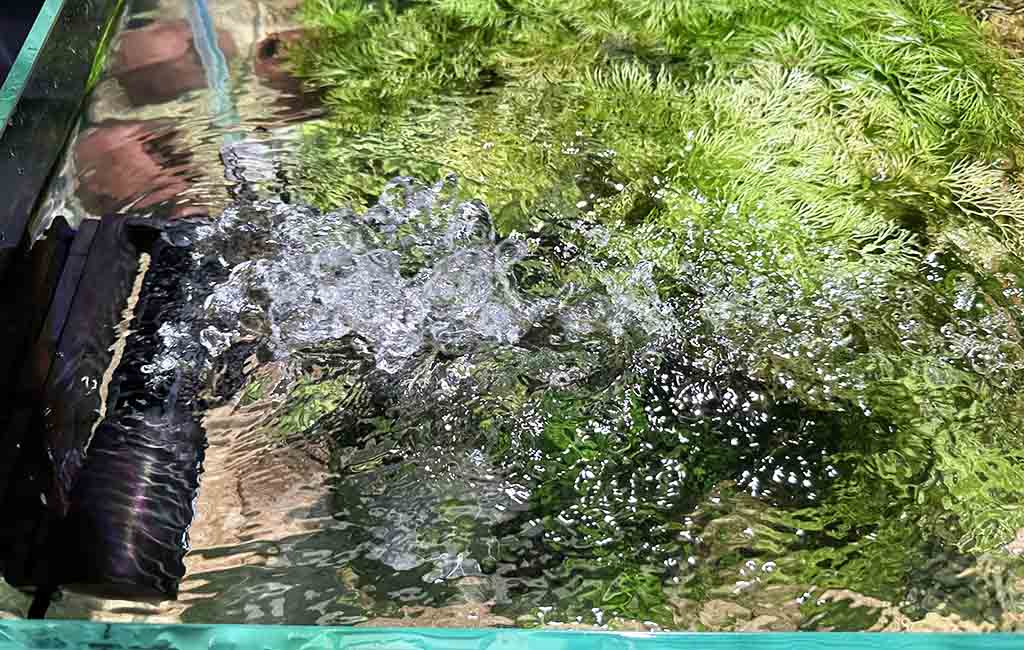
remove oily surface
Why There Are Oily Surfaces in Your Tank
1. Organic Waste and Feeding Practices
Oily surfaces often appear because organic waste accumulates faster than your tank can process it. Fish food is one of the biggest contributors, especially foods high in fats. Pellets and flakes release oils after feeding, while frozen foods leak oils as they thaw. Uneaten food quickly breaks down and rises to the surface as a thin film. Fish waste adds more organic compounds that naturally float upward. Over time, these materials combine and become visible on the water’s surface.
2. Biological Activity Inside the Aquarium
Beneficial bacteria play an important role in aquarium balance, but they also create biofilm. This biofilm forms as bacteria process waste and organic matter. When water movement is weak, the biofilm stays trapped at the surface. Decaying plant leaves release proteins and fatty acids, adding more surface residue. Even healthy planted tanks can develop oil film if plant debris is ignored.
3. Poor Circulation and Overstocking
Low surface agitation allows oils to remain undisturbed. Overstocked tanks produce excess waste that filtration systems cannot manage efficiently. Even clean tanks develop oily surfaces when circulation is minimal and maintenance is inconsistent.
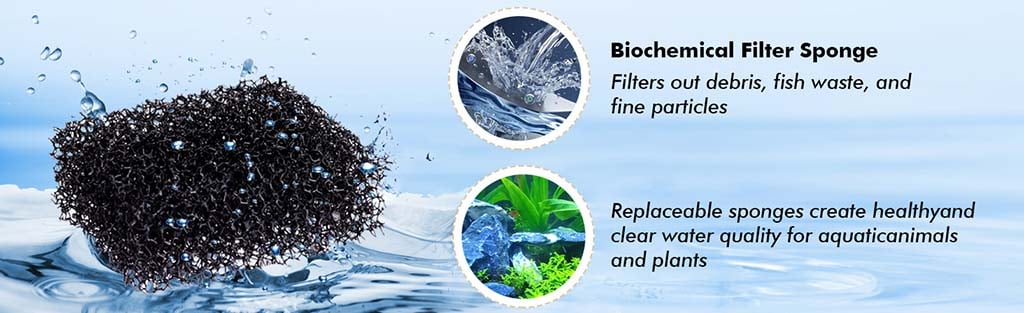
removing oil film in aquariums
Effective Skimmer for Removing Oil Film in Small Aquariums
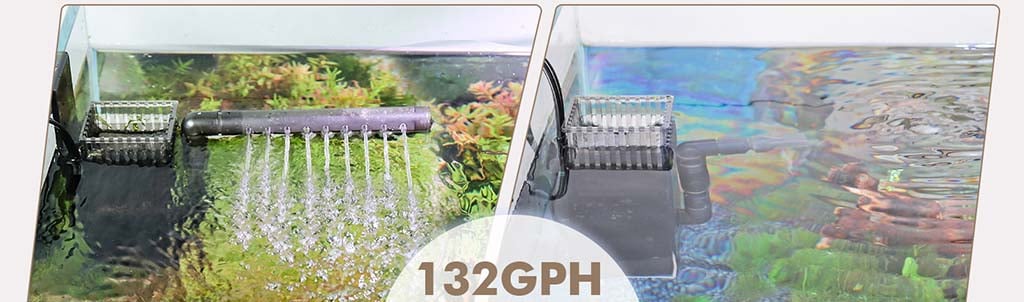
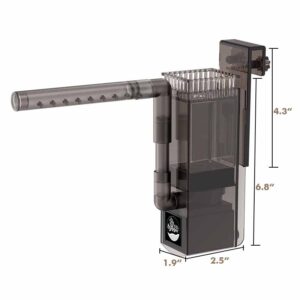
The hygger HC030 oil film skimmer is designed specifically for freshwater aquariums up to fifty gallons. It combines surface cleaning with gentle water circulation. This dual function makes it suitable for planted tanks and community setups.
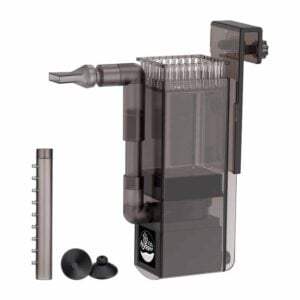
The skimmer removes floating debris quickly, keeping the surface crystal clear. Its innovative surface intake focuses only on the oily layer. This targeted approach avoids disturbing the substrate or the fish. You can switch between two water flow modes easily. The duckbill outlet creates a stronger current for improved circulation. The rain-barrel outlet provides a softer flow for delicate fish species. Switching between modes requires no tools or complicated steps.
The adjustable hanging bracket allows the skimmer to fit rimless and framed tanks securely. Strong suction cups keep the unit stable without scratching glass. An auto-adjusting float maintains proper skimming height as water evaporates. This feature saves time by eliminating frequent adjustments. The six-watt pump operates quietly, making it ideal for home and office aquariums.
Auto shut-off protection prevents damage during low water levels. The ABS construction resists rust and corrosion over long periods.
Maintenance remains simple and quick with this model. The removable filter sponge rinses easily during water changes. Tool-free impeller access allows fast cleaning without disassembly frustration. Regular maintenance keeps performance consistent and efficient.
Overall, the hygger HC030 delivers reliable oil removal with minimal effort. It suits aquarists who want clean surfaces without complex equipment.
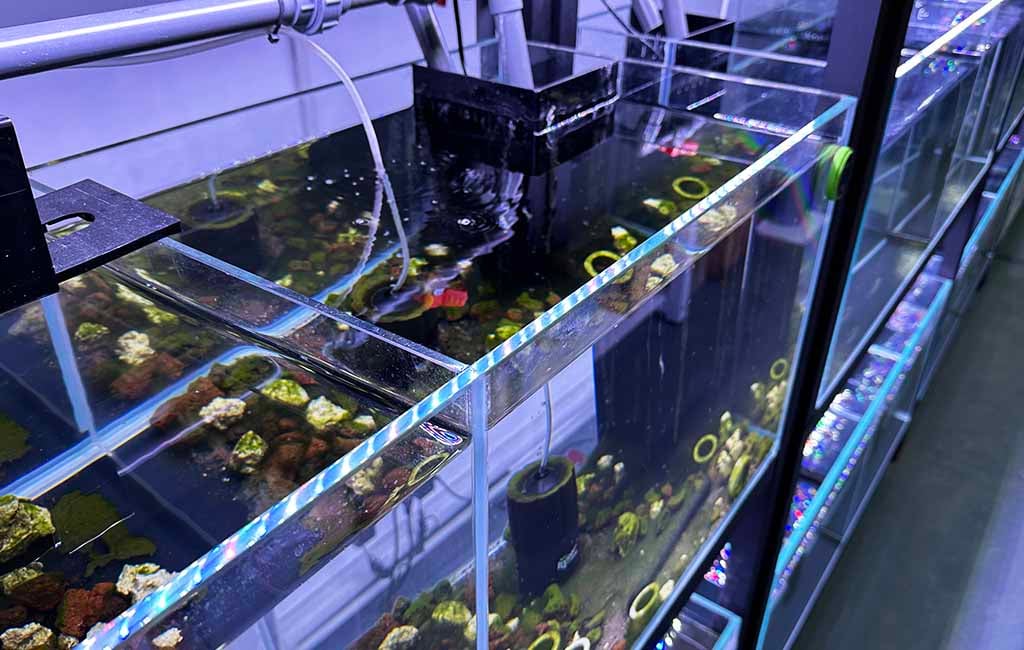
Remove an Oily Surface in a Fish Tank
How to Remove an Oily Surface in a Fish Tank
1. Optimize Surface Movement
Using an oil film skimmer provides the most consistent long-term solution, but surface movement still matters. Direct your main filter outlet slightly upward so water gently ripples the surface. This agitation breaks protein films before they settle and improves oxygen exchange.
In planted tanks, keep the flow mild to avoid stressing fish while still disturbing the surface layer. Consistent surface motion prevents biofilm from rebuilding between maintenance cycles.
2. Improve Feeding and Maintenance Habits
Overfeeding remains one of the biggest causes of oily surfaces in aquariums. Serve smaller portions that the fish can finish within a few minutes. Remove uneaten food quickly before oils release into the water. Perform regular water changes to dilute dissolved organic waste.
Clean mechanical filter media gently to prevent clogging while preserving beneficial bacteria. Rinse sponges using tank water instead of tap water.
3. Reduce External Contamination
Always wash hands thoroughly before tank work to avoid introducing oils or lotions. Manually skim floating debris during maintenance. Maintain balanced stocking levels so waste production stays manageable. These habits work together to keep your aquarium surface clean and healthy.
Effective Skimmer for Removing Oil Film
Concluding Remarks
Oil film may look minor, but it affects aquarium health more than you realize. Reduced oxygen exchange stresses fish and limits plant growth. A reliable oil film skimmer effectively solves this problem.
The hygger HC030 stands out for small freshwater aquariums due to quiet operation and smart design. When combined with good feeding habits and maintenance routines, surface films disappear completely. Clean surfaces mean healthier fish, clearer water, and a better viewing experience for you.
Related Products

Leave a comment