
It is frightening to see your fish coming to the surface and gulping air, even when it is a behavior change that immediately changes. This ac, in most occurrences, is an indication that the fish is finding it hard to derive adequate oxygen in the water.
Content Table
Although not unusual when some species periodically come to the surface to breathe, persistent gasping generally denotes something is wrong with the tank or pond environment.
It can be caused by several factors, among which you may have poor water and sudden changes in temperature, as well as illnesses or stress.
It is necessary to know why gasping occurs to resolve the situation in a short amount of time and not to make the condition life-threatening. In this article, we will be investigating the reasons why fish gulp air, its causes, and how you can ensure that your fish no longer gapes.

gasping fish
Gasping Fish – What Does It Mean?
When fish breathe at the surface, there is clear evidence that they are experiencing difficulty in sourcing oxygen. Dissolved oxygen level in well-maintained aquariums and ponds is sufficiently high to allow fish to breathe with ease at any point in the column. When your fish are hanging at the surface with rapid movement of gills, it is generally an indication that there is more oxygen at this point. Because it comes in contact with air, and they are battling to get enough supplies of it in the deep water.
In addition to hanging around just beneath the surface, gasping fish tend to exhibit other behavioral changes. You can observe them getting slow, appear dull to food, or even slow down with their swimming energy. They may breathe faster than usual, as seen in their gills that move faster than usual, which is a sign that they are straining to breathe. Gills that appear pale, swollen, or even coated with mucus, indicating an infection or parasite, are observed in some instances.
Such behavior must never be discounted, as an extreme loss of oxygen can suppress a fish’s immune system, retard growth, and predispose it to illness. Even though the fish may appear healed, the infection may manifest itself again unless the environment is fixed. Thus, the identification of gasping as the signal of distress helps to avert more severe issues.
Fish Gasping for Air After Water Change
The most likely period when fish begin to gasp for air is immediately after changing the water. Though water changes are necessary in maintaining a healthy aquarium or pond. Doing so in the wrong manner may lead to stress and problems regarding oxygen.
1. Sudden Change in Water Conditions
The first one is the sudden alterations in the chemistry of the water. Rapid changes in temperature, pH, and hardness are sensitive to fish. Their system is bound to be shocked by the new water that is considerably different from the one that was there before.
These stresses usually impede their rate of breathing, hence they tend to seek oxygen at the surface. Adjusting the temperature and other parameters as closely as possible will minimize this risk.
2. Chlorine or Chloramine Concentration
The second common problem is that tap water contains chlorine/chloramine. These chemicals are included in municipal water to kill harmful bacteria. This is also toxic and causes damage to the gills in their bodies. This complicates the absorption of oxygen, which results in gasping. You should keep in mind to add tap water to your aquarium using a high-quality water conditioner.
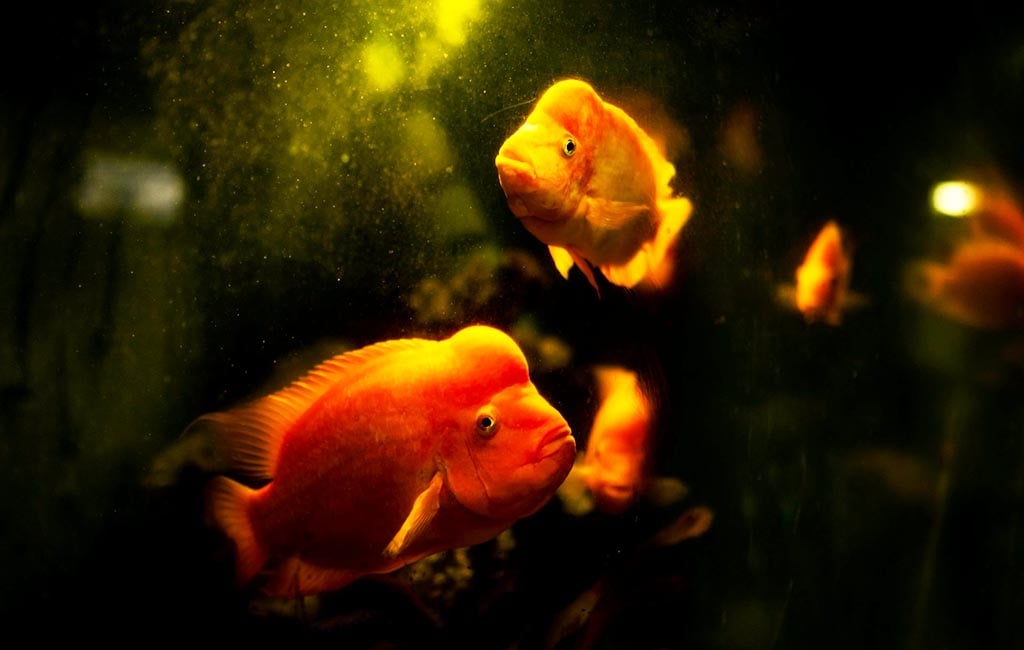
fish gasping for air
3. Excessive dissolved Gases
Moreover, newly drawn water can have too many dissolved gases in it if it is pumped to pipes. In pouring this water into the aquarium, the gases may become bubbles within the gills and other tissues of the fish, which is referred to as the gas bubble disease. This can be avoided by letting the water sit in a place or aerating the water first and adding it in.
4. Other reasons
Other than water changes, oxygen depletion may occur in several circumstances.
- The excessive number of fish in the aquarium also puts pressure on the supply of oxygen, as well as elevating the waste levels.
- During summer, the water temperature influences the capacity of water to store oxygen; therefore, fish will be affected even in the case of clean water.
- It is also possible that the oxygen will not be distributed evenly. This can be caused by poor water circulation caused by clogged filters or by feeble pumps.
- The overfeeding also has its part. Since food decaying forms waste left in the water. This consumes oxygen and multiplies the harmful amounts of ammonia.
Why Is Only One of the Fish Gasping for Air?
On some occasions, you might find yourself in a situation where there is only a single fish in a tank or pond. Which is gasping for air, whereas other fish inside the tank or pond seem okay. It is not unusual and is usually indicative of a locally oriented health problem and not one of systemic shortage of oxygen.
1. Gill Parasites
A gill parasite (e.g., flukes) is one of the causes. But in this condition, the gills are injured physically by the parasites, and therefore, breathing is impaired. New fish, new decorations, or equipment not properly quarantined can bring it. Affected fish can also scrape decorations or the tank walls as they try not to itch.
2. Gill Infections
The other cause can be bacteria or fungus-caused gill infections. The reasons that lead to these infections are usually poor water quality, traumatic injuries, or stress. Diseased gills may swell up or develop lesions, thereby failing to perform an effective exchange of oxygen.
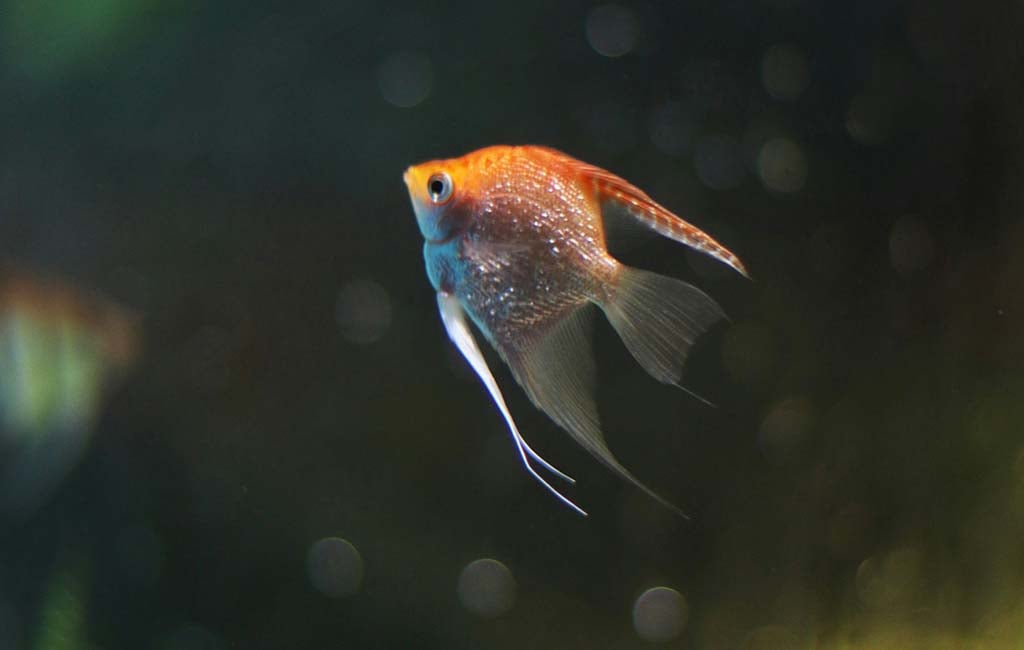
Why Fish Gasping for Air
3. Physical injury
Another cause of why one fish would be gassing is physical injury. It also might have been damaged by aggressive tankmates, who might have damaged the gills by breaking off the gills or fins. Even shy fish in the community aquariums can also be chronically stressed due to bullying, which impacts breathing.
4. Individual sensitivity
It might also be a factor of the sensitivity of the individual. Some species (and some individuals of the same species) may be more vulnerable to minor variations in water conditions. Fish experiencing pre-existing health issues or older fish are the first to display signs of distress, even when the rest of the fish group is healthy.
Tips on How to Treat Gasping Fish
Once your fish are gasping for air, take action to prevent severe damage to them. The best steps to take in addressing the problem are as follows:
1. Increase Aeration and Water Movement
Install an air stone, a bubble wall, or boost the flow of your filter to create more surface agitation. Movement on the surface makes oxygen enter the water much more effectively. Try to introduce a fountain or even a waterfall in tanks where the oxygen level is quite low.
2. Test Water Parameters and Correct Issues
Test using ammonia, nitrite, nitrate, and a pH water test kit. In case ammonia or nitrite exceeds zero, carry out a partial water change and include detoxifying conditioners. Most freshwater fish aim to maintain nitrate at less than 40 ppm.
3. Treat Water Properly During Changes
The tap water will have to be dechlorinated prior to its addition to the fish tank. The temperature and the pH should also be matched to the minimum extent possible to avoid shocking the fish. Oxygen content can also be increased by aerating the replacement water previously.
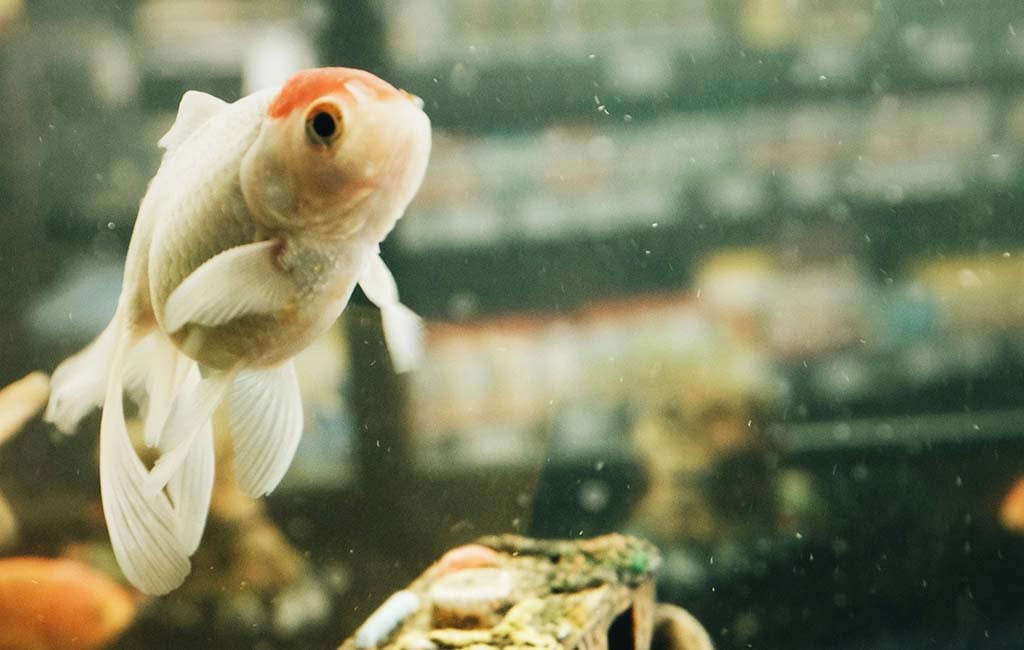
How to treat gasping fish
4. Quarantine and Treat Sick Fish
In cases where there is only a single gasping fish, take it into a different hospital tank and treat for parasites, bacterial infections, or fungal diseases according to symptoms. A prescription might be required to use drugs such as an antiparasitic bath or an antibacterial drug.
5. Reduce Stocking Density
Crowding conditions not only cut down oxygen availability, but they also raise waste and stress. Always maintain oxygen levels at the ideal levels according to the size of the aquarium and the capacity of the filtering system.
6. Control Feeding and Waste Build-Up
Provide only as much fish as can be cleared up in two to three minutes, once or twice a day. The result of overfeeding is the availability of leftover food that breaks down and diminishes the availability of oxygen.
7. Maintain Equipment and Cleaning Schedule
Clean filters to avoid clogging, which would impede the flow of water. Examine check pumps, heaters, and air stones to make sure that they are functioning. Weekly or biweekly practice of partial water change is determined by the size and the stocking of the tank.
8. Monitor Temperature Closely
During warm weather, run cooling fans, chillers, or frozen bottles of water (no spill, no contamination allowed) to cool the water. The reduced temperature in the water enables the oxygen to be maintained, making the water less prone to gasping.
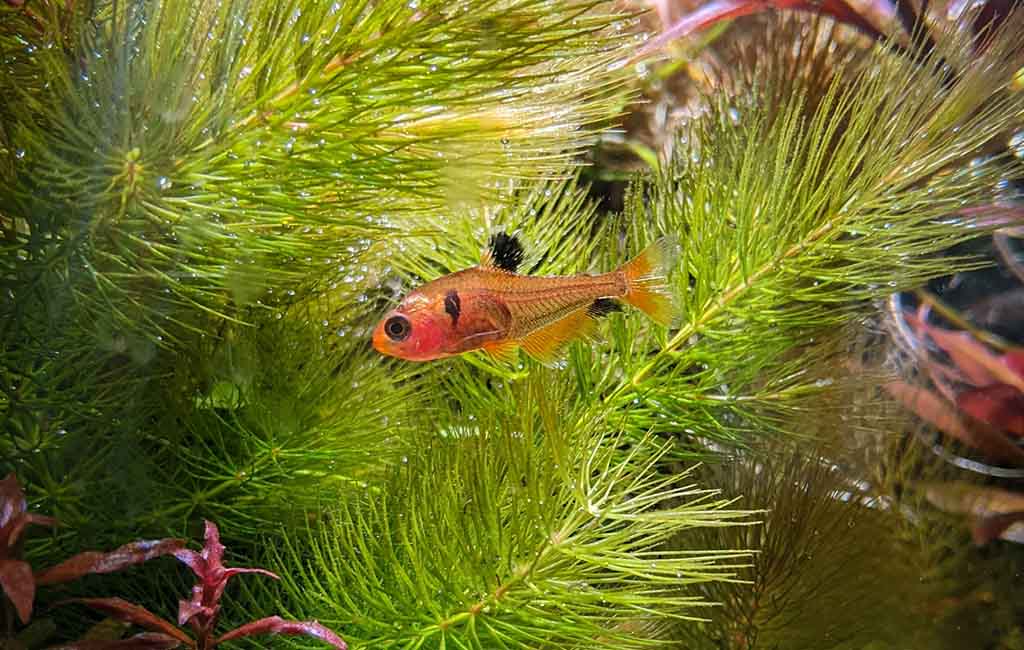
prevent severe damage to fish
A Call to Action
Your fish are fully reliant on you to take care of them by giving them a good environment to survive. Gasping is abnormal at the surface and should be regarded as an emergency indicator that something is amiss in most species.
Be it a problem of oxygenation, water, or just a fish sickness, rapid diagnosis and treatment may be the difference between saving and losing.
You will want to put some time in every day to observe your fish. Get to know their typical behavior. So, you will notice promptly when they are gasping, tardy, or when their fins are clamped. Give them the right toolkit: a decent water testing kit, quality filtration, and aeration systems to keep their environment stable.
Taking prompt action and sticking to the same regime of care not only resolves the challenges at hand. But also makes a safe and flourishing environment for your aquatic pets. When your water is healthy, you have healthy fish. All that you have to do is take care to make them have a happy, long life.
Related Products


Leave a comment