
The fish’s fluke can prove lethal for the fish. Therefore, it’s better to understand body flukes, symptoms, treatment, and precautions. Moreover, ich and body fluke sometimes have similar symptoms. Knowing how to distinguish between them is worth knowing. In the following, you’ll learn about all of these topics.
Content Table
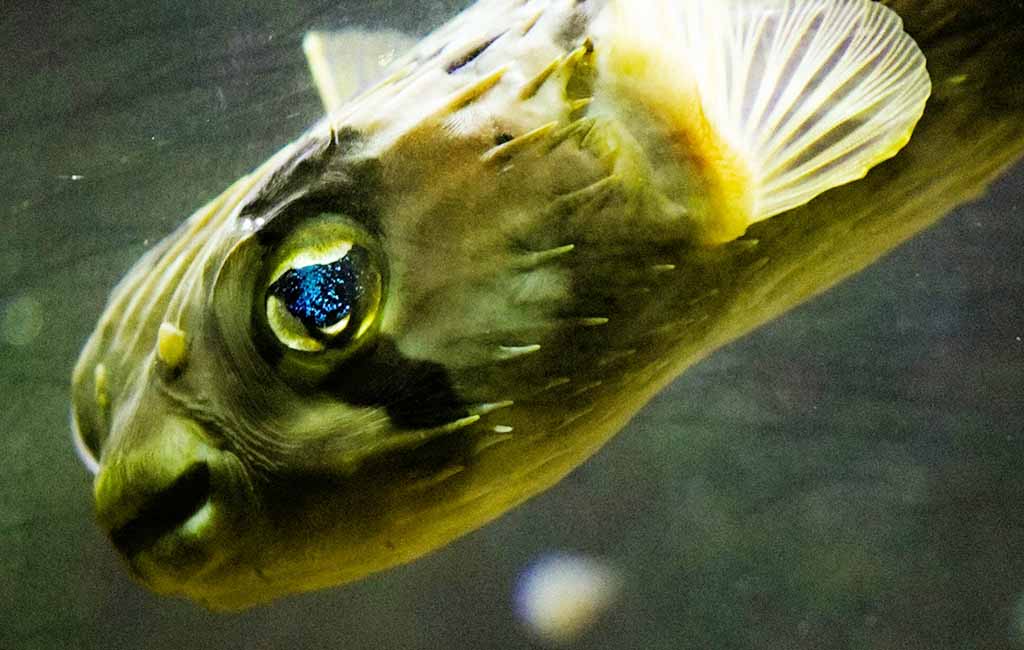
body flukes
Body Flukes in Fish
Flukes are parasitic flatworms that cause infection among fish. Usually, they are attached to gills and skin. They feed on the fish muck, skin, and blood. Skin flukes and gill flukes are the two main fluke types. Skin flukes have 16 hooks, and gill flukes have 14.
Monogenean trematodes are the most common fish flukes. These flukes irritate, cause secondary infarction, clamped fins, and heavy breathing, and, in extreme cases, can cause death to the fish. However, mortality is often observed in young and weak fish.
Body Flukes Fish Disease Symptoms
Fish show behavioral and physical signs when they are under a fluke attack. Sometimes, these symptoms match with ich and velvet signs. Therefore, it’s better to do a microscopic investigation for the final treatment. Here are both physical and behavioral symptoms.
Physical Symptoms
- Excessive mucus is produced on the fish’s body.
- You can observe redness and inflammation in their body. It’s visible around the gills and fins.
- They have clamped fins.
- You can observe small holes around the body. It happens due to a parasite eating and a secondary infection.
- Fish often rub against the tank walls, rocks, and other hard tank decorations. They do so to avoid irritation.
- Heavy breathing
- Dull coloration or color loss in patches.
- Darkening of the infected area
- Cloudy eyes
- Jumping out of the tank.
Behavioral changes
- Isolation
- Lethargy and inactivity
- Lose their appetite
- Erratic swimming
- Encircled moment
- Non-coordinated moment.
- Frequently pop out of the surface for breathing due to gill problems.

body flukes fish disease
How To Treat Body Fluke Fish Disease?
You can treat your fish fluke in several ways. Here are some easy and effective treatment methods.
Freshwater Dip
Dip your affected fish for 5 to 10 minutes in freshwater. The freshwater’s alkalinity difference will help in dislodging the flukes. If your fish don’t feel stressed, do it daily.
Medication
There are several medications available that will help to cure fish flukes.
Praziquantel
It is the most recommended medication as it is safe for most fish and doesn’t affect biological filtration. Several products are under the Praziquantel umbrella. Its dosage per litter varies among different products. Add the recommended dose in a separate tank and dip the affected fish for the said duration. After a few days, check the fish’s condition to see whether it requires a second dip or not.
Formalin Dip
It is an effective but stressful treatment. Add 25 mg formalin per litter and dip the affected fish for half an hour to one hour. Ensure that the tank is well aerated during the treatment. It’s not a preferred treatment.
Salt Bath
It’ll help with mild fish fluke problems. Add up to 3 grams per liter and dip the fish for 5 to 30 minutes. Repeat it after several days. A salt bath helps to reduce external parasites and cure mucus problems.
Water Quality
Bad water quality makes the fish vulnerable to various diseases, including flukes. Therefore, it is recommended to maintain the water quality by performing regular water changes, debris and waste removal, etc.
Early Treatment
Usually, fish fluke’s signs match those of ich. The day when you feel the fish fluke symptoms, go through your fish with a microscopic examination. After confirmation, properly treat the fish. However, in case of negligence, never fail to check the secondary infection examination. If you find any symptoms, treat your fish as soon as possible.

body flukes fish disease
Prevention Should Be Earlier Than Treatment
Prevention is better than treatment. Here are several precautions that you can adopt to avoid body fluke fish disease.
Water Quality Maintenance
Water quality directly impacts fish health. Keep the water in optimal condition. Here are several ways by which you can keep your tank’s water in prime condition.
- Weekly water change can vary according to stocking level and fish species. However, 20% is the lowest level that you must change.
- Weekly, remove the debris, fish and plant waste, and food leftovers. It will help to avoid ammonia spikes and other water problems.
- Maintain the optimal flow rate to avoid dead spots in the water. Dead spots are often the starting point of various tank-related issues.
- Maintain the filtration, especially biological filtration, in the tank.
- Remove the leftover food after 2 to 3 minutes. Otherwise, it’ll be problematic.
- Always feed them healthy and relevant food. Before experimenting with a new food item, do proper research about it.
Optimal Water Parameters for Tropical Fish
| Parameter | Value |
| Temperature | Stable |
| pH | Stable |
| Nitrate | Less than 20 ppm |
| Nitrite | 0 ppm |
| Ammonia | 0 ppm |
Avoid Direct Entry
Always quarantine your new fish and check its behavior. Do it for at least 2 weeks. However, it’s better to keep it for 1 month. After that duration, follow proper acclimation standards and introduce them into the tank.
Stress Free Environment
Keep the tank stress-free. You can do it with the following tricks.
- Avoid sudden changes in water parameters.
- Always provide them with adequate hiding spots. These spots will give them rest and optimize their immunity.
- Avoid adding bullying fish.
- Avoid higher overstocking.
Feed Them High Ammunity Diets
- Feed them high-quality food, i.e., flakes, pellets, live and frozen food items, etc.
- Occasionally, feed them on vitamin-enriched dietary options. You can even feed them direct vitamin supplements to improve their immunity.

preventing body flukes fish disease
Avoid Wild Species
Wildly caught species are often suspicious. They could be fish fluke carriers to the tank. Therefore, it’s better to avoid wild species, especially for beginners.
Keep Up With Routine Maintenance
Here is a brief maintenance routine that will help your fish enjoy their best life and let them live a fluke-free life.
| Duration | Tasks |
| Daily | Observe fish |
| Proper feeding with a variety | |
| Visual equipment inspection | |
| Weekly | 20 to 30% water change |
| Test water parameters | |
| Clean aquarium glass | |
| Vacuum substrate | |
| Monthly | Clean filter media |
| Prune plants | |
| Clean and inspect plants and decor | |
| After a few months | Replace parts |
| Deep clean | |
| Deep equipment check |
The Bottom Line
Fish fluke is a parasitic disease that can irritate, cause gasping, and even mortality among fish. If you see your fish is lethargic, food-denying, gasping, or rubbing against the decor, do a microscopic inspection. Once you are confirmed, treat it through medication, maintain water quality, and quarantine. However, it’s better to remain preemptively cautious with regular water changes, quarantining new fish, avoiding wild species, etc. With this, you can enjoy a happy and healthy fish tank.
Related Products



Leave a comment