
Growing corals is an amazing experience that many aquarists, like you, want to explore. It requires proper research, knowledge, and a perfect way to grow amazing coral in your tank. In this article, you’ll learn about these aspects, other than how to put coral frags on live rock. Moreover, the best corals for beginners are also within the scope of this article. Scroll down before starting your first-time coral tank journey.
Content Table

Grow amazing coral
Before Growing Amazing Coral
Corals bring colors and fantastic patterns to the tank. If you plan to embark on the coral tank journey, there are certain things you need to know. Here are some points about which you should be clear before growing amazing coral.
Corals Basic Knowledge
Corals are animals belonging to the cnidarians group. They have a symbiotic relationship with zooxanthellae, i.e., tiny algae. Start your journey with Soft corals, as they are easiest to keep in the tank. LPS and SPS corals are other options, but they require moderate and advanced care, respectively.
Gather All the Equipment
- Reef-ready tank
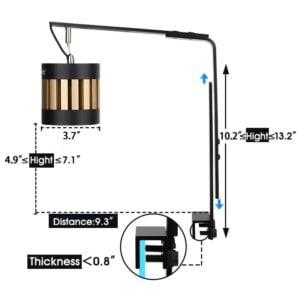
- High-quality lighting, i.e., full-spectrum LEDs.
- Wavemaker or powerhead
- Protein skimmer
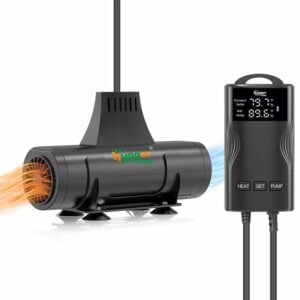
- Heater
- Thermometer
- Clean and mineral-free water
Maintain optimal water parameters
Before introducing corals to your tank, ensure optimal water parameters are maintained. Here are some general water parameters. However, it’s better to research parameters according to your desired coral species.
| Parameter | Optimal Range |
| Salinity | 1.024 to 1.026 |
| Temperature | 75 to 78°F |
| pH | 8.1 to 8.4 |
| Alklintiy | 8 to 12 dKH |
| Calcium | 400 to 450 |
| Magnesium | 1250 to 1350 |
| Nitrate | Less than 10 ppm |
| phosphate | 0.03 to 0.1 ppm |
Coral species selection
Select a suitable coral species that can bear the environmental variations and your inexperience. These corals usually belong to soft coral species. Here is a list of such corals.
- Zoanthids
- Sinularia
- Toadstool
- Xenia
- Green Star Polyps
- Euphyllia
- Bubble Coral
- Duncan
- Candy Cane
- Mushrooms
Tank Setup
Do a reef tank setup. Usually, water parameters take 6 to 8 weeks for maturity and proper cycling. After cycling and maturity, add snails, hermits, and other invertebrates, as they help to keep your tank clean from algae blooms.

New Corals to the Reef Tank
Introduce New Corals to the Reef Tank
Once you have completed the preparations and initial steps, proceed to the coral introduction to your tank. Here are some aspects that will help you build a successful coral reef tank.
Coral Inspection and Tool Preparations
Visually check the corals. Check whether there is any sign of damage, pest presence, algae growth, or signs of disease. Once you are done with the inspection, proceed with the preparation. Gather the following items.
- Coral dip
- Frag rack
- Turkey baster
- Gloves
- Aquarium with stable water parameters
Coral Dipping
Corals can carry pests and many other problems. To avoid unintentional introduction to your tank, coral dipping is one of the most crucial steps. Prepare a coral dip solution. Place your new corals for 5 to 15 minutes in your solution. After that, remove the coral from the solution and clean it with a turkey baster. Then, clean the coral with the saltwater from your tank.
Acclimation
Acclimation is the next step for successful coral growth in the tank. Put the dipped coral into a bag and hang it for 15 to 20 minutes in the main tank. After that, slowly replace the bag water with the tank water. Acclimation will take 30 to 60 minutes. However, if you have sensitive coral species, go with the drip acclimation.
Introduction to the Main Tank
After acclimation, place the coral in a low-light area in the tank. Sudden high light exposure can shock the coral. Monitor it for up to 3 days. After 3 days, gradually move it to the desired location, i.e., the area with optimal lighting and flow rate. Using a frag rack will help you secure the coral at the initial stages.

Corals for Beginners
Light and Flow Rate Adjustment
It was mentioned that coral should be gradually placed in an area with optimal lighting and flow rate. The optimal flow rate and lighting depend on the coral types. Some corals require high light intensity and vice versa. Set the photoperiod according to the species. Moreover, the flow rate requirement varies from moderate to high, depending on the coral species.
Monitoring
After placing the coral, closely monitor the following coral parameters.
- Polyp extension
- Color changes
- Tissue bleaching
If you find the deviation from the optimal level, set the light and flow rate to reduce the stress.
Patience
Patience is crucial for maintaining a successful coral reef tank. Corals usually take some time, i.e., a few days to a few weeks, for adjustment. During this period, avoid excessive touching or frequent transfer within the tank.
Water Parameters
Don’t forget to check the water parameters regularly. Keep the parameters at an optimal level.

Put coral frags on live rock
How to Put Coral Frags on Live Rock?
The attachment of coral frags to live rocks gives a natural look and promotes healthy growth. Moreover, it helps the easy integration of corals into your tank. You can put coral frags on live rocks with ease. Here are some steps that you need to know.
Coral Frag Preparation
Remove the frag from the container. Trim the extra stem or base and clean the bottom for better attachment to live rocks.
Adhesive Application
Apply a small amount of glue, i.e., cyanoacrylate or HC006 Aquarium Glue Instant Adhesive, to the bottom of the frag plug. Make a small ball with reef-safe putty and place the putty on top of the glue. Again, cover the putty with another glue layer.
Attachment
Press the glued frag on the live rock. Hold it for up to 30 seconds to allow the frag to make a better attachment to the live rock.
How to Keep Coral for Beginners?
A coral reef tank journey brings some challenges to beginners. However, it’ll be easy if you follow a proper procedure.
Before Growing Amazing Coral
Learn about corals, choose a specific type, prepare the tank, and stabilize the water parameters in the tank. Once you complete it, it’s time to introduce corals to the tank.
Coral Introduction
Once you are done with the preparations, introduce the corals to your tank. For better growth, perform proper coral inspection, do coral dipping, acclimate them, and introduce them to an optimal light and flow rate environment. Regularly monitor your corals and remain patient throughout the procedure.

best corals for beginners
The Fast-Growing Beginner Coral
Here is a list of fast-growing corals you can introduce to your tank.
- Zoanthids
- Green Star Polyps
- Xenia
- Mushroom corals
- Montipora
- Bird’s Nest coral
- Kenya Tree coral
- Leather corals
- Duncan’s
- Stylophora
- Toadstool corals
- Coral Euphoria
- Sarcophyton
- Weeping Willow Toadstool
5 Best Corals for Beginners
Here are 5 of the best coral species for beginners, along with the reasons why they are the best.
| Specie | Reasons Why They Are the Best |
| Zoanthids | Hardy |
| Available in various eye-catching colorations | |
| Fast-growing | |
| Multiple growth patterns are available | |
| Green Star Polyps | Easy to grow |
| Excellent for growing on live rocks | |
| Can thrive in various conditions | |
| Bring a waving effect to the tank. | |
| Fast growth | |
| Most forgiving of beginner mistakes | |
| Mushroom Corals | Tolerate the lighting |
| Available in multiple colors and textures | |
| Tolerating the water parameter fluctuation | |
| Bring life to shady and low-light areas | |
| Candy Cane Corals | Show steady growth |
| Suitable for mixed reef tanks | |
| Radiate under actinic lighting | |
| Easy to feed | |
| Toadstool Corals | Hardy |
| Beautiful polyp extension | |
| Adapt to various water conditions |
Lasting Impressions
Corals are animals that bring life and color to your reef tank. With the proper research about the coral type, water requirements, and light and flow rate requirements, you can start your coral tank journey. Soft corals are easy to keep, as they can tolerate the mistakes of beginners. Moreover, you can add more aesthetic and natural elements to your tank by growing on live rocks. It’s easy, as they require only reef-safe glue and putty to grow on live rocks. GSP, toadstool corals, etc., are some of the best corals that will help to kick-start your coral tank journey.
Related Products



Leave a comment