
A reef tank is more than a decoration—it’s a small version of a coral reef found in the ocean. Healthy home aquariums can also see corals suffer from bleaching or photoinhibition, which may lead to their damage or death. Anyone serious about caring for a reef tank should know these phenomena, how to recognize them, and, most importantly, how to stop them. This guide explains the key things you should do to ensure your coral colonies stay healthy and vibrant.
Content Table
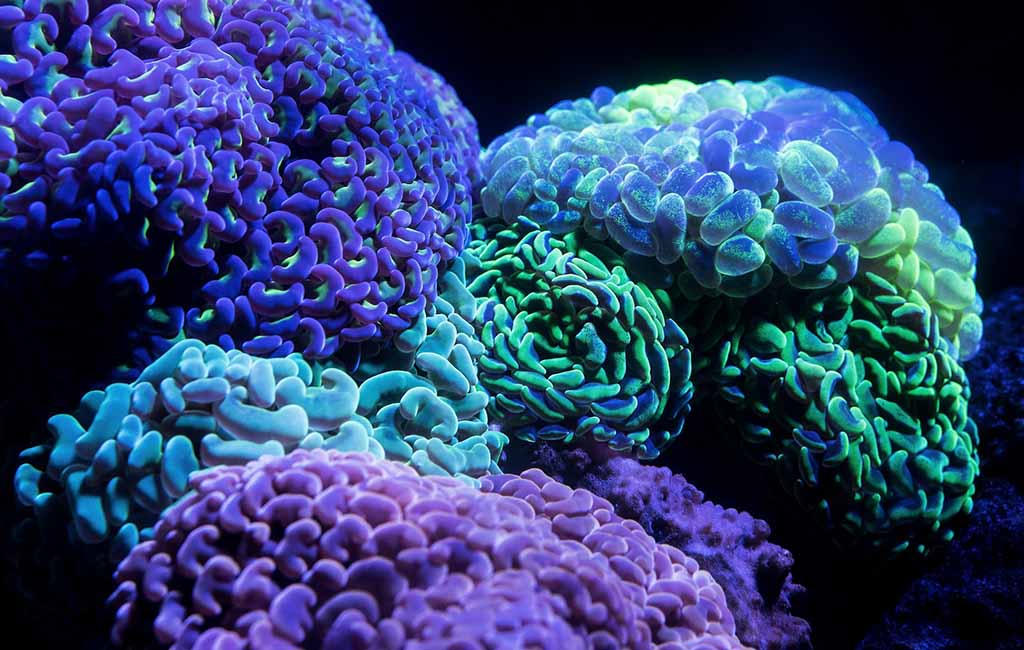
What is coral bleaching
What Is Coral Bleaching and Photoinhibition?
What Is Coral Bleaching?
Corals remove the algae, zooxanthellae, in their tissues as a way to cope with stress during coral bleaching. Geographically, from a distance, corals often do not seem very colorful, but it’s the microscopic algae living inside them that give them all their stunning colors. Stress causes corals to lose their zooxanthellae, and their appearance turns white or they become “bleached”.
What Causes Coral Bleaching?
The most common triggers of bleaching include:
- Elevated water temperature – One of the main causes, even a 1–2°C increase can trigger bleaching.
- Intense lighting or UV exposure – Overexposure to light, especially after a sudden change in lighting conditions, can stress corals.
- Chemical imbalances – Elevated nitrate, phosphate, or ammonia levels.
- Sudden salinity changes – Drastic shifts in salinity or pH can disturb coral physiology.
- Prolonged darkness – Inadequate light also deprives corals of photosynthetic energy.
What Is Photoinhibition?
If there is too much sunshine, a plant’s photosynthetic efficiency falls, a process called photoinhibition. The symbiotic algae within the corals require light to function. But too much bright light, together with heat, can damage their system and decrease their ability to produce energy. With time, oxidative stress results from this damage and can lead to bleaching.
How Do These Conditions Affect Coral Growth?
- Reduced energy availability– Without functional zooxanthellae, corals can’t produce sufficient energy.
- Slow growth or stagnation– Corals may stop growing, or their skeleton formation may halt.
- Increased susceptibility to disease– Stress weakens the coral’s immune system.
- Mortality– Prolonged bleaching often results in coral death if not addressed.
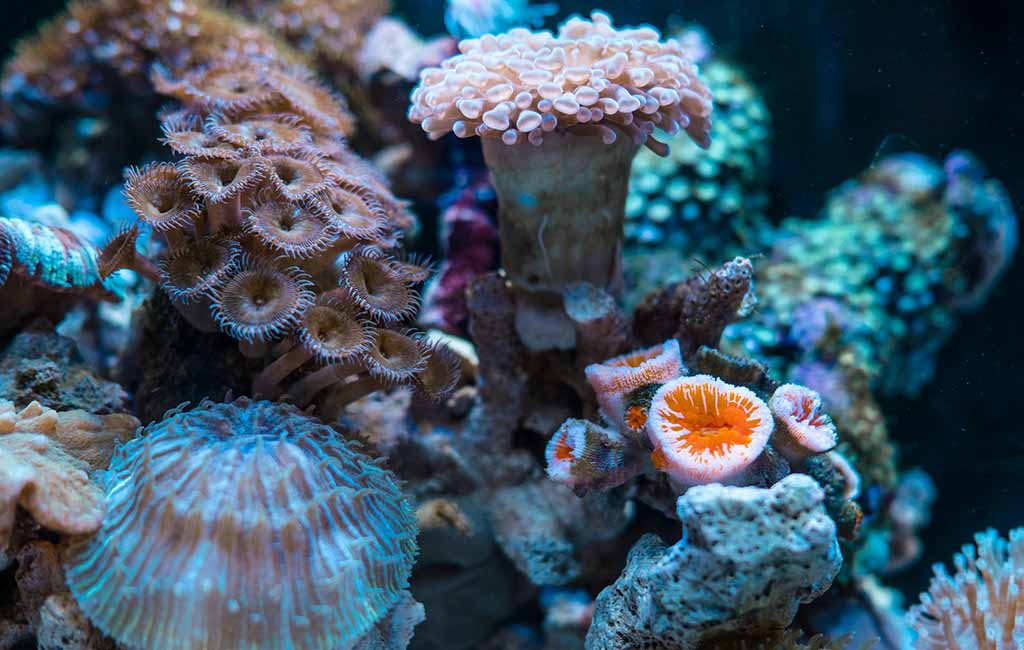
coral reef bleaching
How to Tell If Coral Is Bleached
If you notice coral bleaching early, you raise your chances of saving your reef. Bleaching doesn’t always begin noticeably. So, keep checking your coral every week. Don’t forget to watch out for these things in your tank:
- Color Fading or Whitening
Among the early indications is a fading of color. The colors of healthy corals change from red to green to purple to blue, depending on which species they are and how well they are lit. Stony corals, Acropora and Montipora, might bleach their tips first when they receive too much light. The colony of a soft coral can look partially translucent.
- Tissue Recession
When corals are bleached, their tissues start to peel off or pull back, leaving the white calcium carbonate skeleton below. Even though some might confuse it with growth. Bleaching-related decline tends to appear patchy, uneven, and all at once. Watch for jagged lines, skin-scraping-free, or skinless areas on the coral surface.
- Reduced Polyp Extension
When corals are in great health, both Zoanthids and LPS species reach out with their polyps to collect food and engage the water. If a coral is stressed or bleached, its polyps will be pulled in tight and usually not open for feeding, even during that time. This behavior is a defensive reaction and a major red flag.
- Loss of Appetite
Some species (e.g., Acanthastrea, Torch, Duncan) which are fed supplementally, may not show a response to reef roids or mysis shrimp when offered. If you find very little or no movement in the tentacles, the prey is captured slowly. This is a sign the coral is nearly out of energy.
- Algae Overgrowth
Because the thinning coral reveals its support structure, coral areas may soon be taken over by bothersome algae like hair algae or cyanobacteria. Because of the fast growth, the algae cover the coral and take the same nutrients and light. Usually, this means that the coral has been under stress for some time.
- Fluorescence Under Blue Light
You can judge degradation in the algae feeding on the coral by observing changes in the coral’s fluorescence using an actinic or blue light. The absence of pigment shielding can make bleached corals either less bright or have a startlingly neon color. Using this tool, you can find out about bleaching before it becomes clearly obvious.
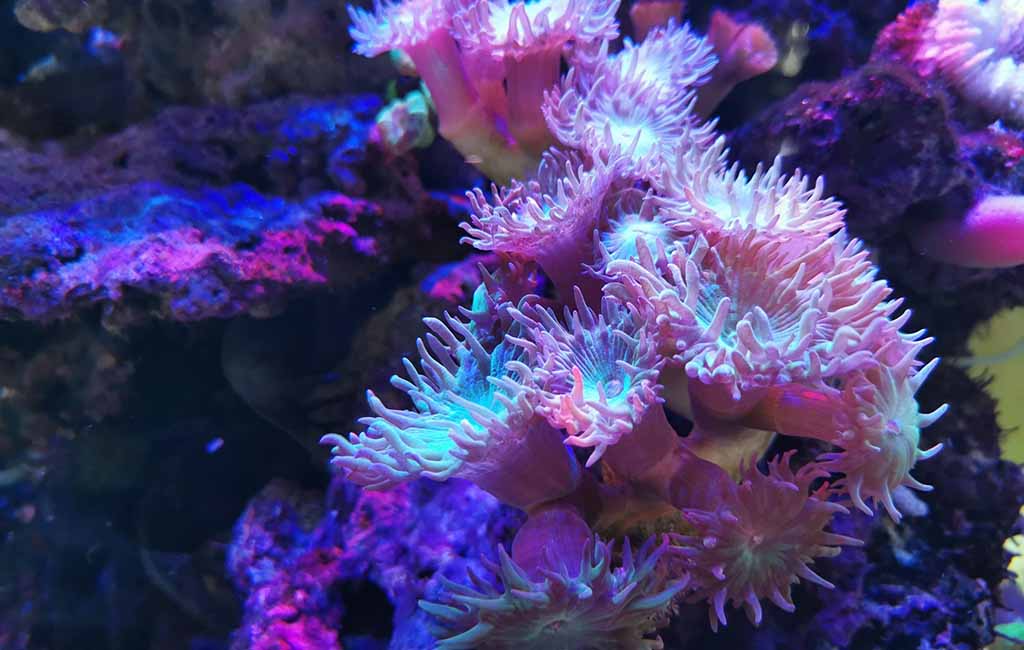
What causes coral bleaching
Can Bleached Coral Be Saved?
Yes, in many cases, bleached corals can recover if the stressor is removed and conditions are optimized. Here’s how:
1. Correct the Cause
Usually, the first step is to fix what is causing the problem such as too much heat, lighting or chemical-contaminated water. Maintain a temperature between 24–26°C (75–79°F) with the help of a digital thermometer. Reduce the intensity of your light slowly with dimmers or diffusers, or decrease the hours of light. This is to shield your corals from photoinhibition. Broad changes in spectrum or PAR can put more pressure on corals. So, if you can, use a PAR meter to keep things as regular as possible, mainly for SPS corals.
2. Provide Nutritional Support
Bleached corals have lost the ability to make energy with photosynthesis. Mineralize your tank by providing top-quality coral foods. Provide polyps with amino acids- and fatty acids-rich plankton and feed them two to three times a week after they are fully extended. Certain LPS and soft corals like being fed with mysis shrimp or brine shrimp nauplii by coral feeder. Taking nutritional supplements gives the body more energy and helps to build new tissue.
3. Improve Water Quality
Bleached corals are extremely vulnerable to even minor parameter swings. Use reliable test kits and an automated dosing pump (if needed) to maintain:
- Alkalinity: 8–12 dKH
- Calcium: 400–450 ppm
- Magnesium: 1250–1350 ppm
- Nitrates: 1–5 ppm (not zero)
- Phosphates: 01–0.03 ppm
Run activated carbon or poly-filters to remove organic toxins, and ensure proper protein skimming and mechanical filtration to prevent excess nutrient buildup.
4. Reduce Stress
Maintain the same environment and don’t add animals or complete large cleanings until the coral delivers. Only relocate distressed coral when it is completely required. Just a small change in the salinity or pH of water can slow down restoration. Using pumps and top-off systems is a simple way to maintain strict water parameters. It is important to maintain a calm to moderate flow to supply oxygen to tissues without hurting the coral.
5. Monitor Recovery Progress
Recovery isn’t instant—it may take several weeks to months. Keep a coral health log or take weekly photos under the same lighting for comparison. Look for:
- Polyp extension improvement
- Color returning gradually (initially a faint tint)
- Tissue regrowth over the previously exposed skeleton
- Increased feeding response
Sarcophyton, Euphyllia, and Zoanthids tend to improve faster. Although Acropora and Montipora can take longer and will rarely bounce back if conditions are very stressful.
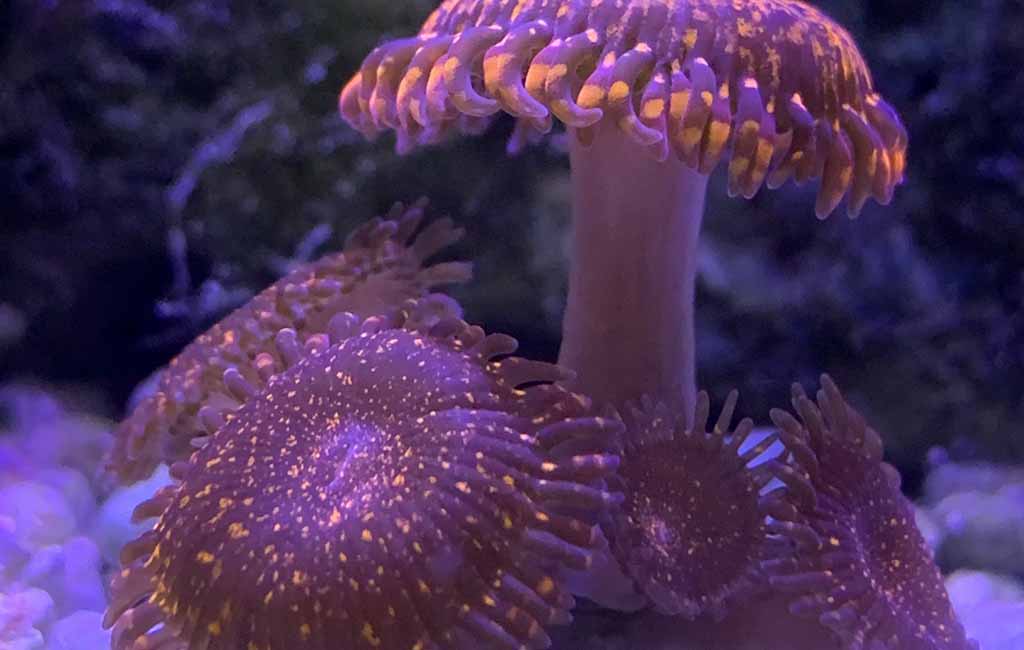
Prevent Coral Bleaching and Photoinhibition
How to Prevent Coral Reef Bleaching and Photoinhibition
Preventing bleaching and photoinhibition begins with good reef tank management. Here’s how to create a safe and thriving environment.
1. Maintain Optimal Lighting
- Use high-quality LED or T5HO lights tailored for reef aquariums.
- Avoid “light shock” by acclimating corals slowly when introducing new lights or new coral species.
- Consider photoperiod control—a lighting schedule of 8–10 hours is typically enough.
- Use PAR values to measure light intensity; different corals have different requirements (e.g., SPS corals need 200–400 PAR, LPS around 100–200).
2. Regulate Water Temperature
- Keep a stable range between 24–26°C (75–79°F).
- Use aquarium chillers or cooling fans with thermostats for temperature control.
- Avoid placing the tank near heat sources or direct sunlight.
3. Ensure Water Quality
- Perform regular water tests to monitor key parameters.
- Use RO/DI water for top-offs and water changes to avoid introducing impurities.
- Install a protein skimmer, activated carbon, and biological filtration to maintain clean water.
4. Choose Hardy Coral Species
If you’re new to reef tanks, start with corals known for their resilience:
- Mushroom corals
- Zoanthids
- Green star polyps
- Toadstool leather corals
These species are more tolerant of slight fluctuations and light variations.
5. Acclimate New Corals Properly
Never introduce new corals directly into the tank. Instead:
- Use a drip acclimation method to gradually adjust them to your tank’s temperature, salinity, and light.
- Quarantine new arrivals for a couple of weeks to monitor for signs of disease or parasites.
6. Limit Chemical Stress
- Avoid overdosing on trace elements and additives.
- Be cautious when using medications or pest treatments in the display tank.
- Do regular partial water changes—10–20% every 1–2 weeks help maintain chemistry.
7. Provide Flow and Nutrients
- Ensure proper water circulation to deliver oxygen and remove waste.
- Feed coral-safe foods (like phytoplankton or rotifers) occasionally to support energy intake.
8. Monitor and Adjust
Use reef-monitoring apps or controllers to track:
- Temperature
- pH
- Salinity
- Light schedules
Staying ahead of any changes allows for quicker interventions before bleaching starts.
Closing Remarks
Coral bleaching and photoinhibition may sound alarming, but with attentive care, they are largely preventable and often reversible in reef tanks. The key lies in understanding your coral’s needs, maintaining stable and optimal conditions, and being proactive about changes in your tank. By creating a stress-free environment and recognizing early warning signs, you can enjoy a vibrant, healthy coral reef in your home for years to come.
Caring for corals is both a science and an art—but it’s also a rewarding journey. A little effort and knowledge go a long way in preventing coral stress and ensuring your reef tank flourishes with color and life.
Related Products


Leave a comment