
Waterborne pathogens cause recurring fish diseases in your tank. They affect aquatic pets in various ways, i.e., direct contact, infected tools, and other ways. You can observe their signs through your fish’s behavior and water parameters. Confirmation of their presence, treatment, and how to avoid them are some questions that need answers. In the following, you will find the answers to these recurring fish disease questions and many other points.
Content Table
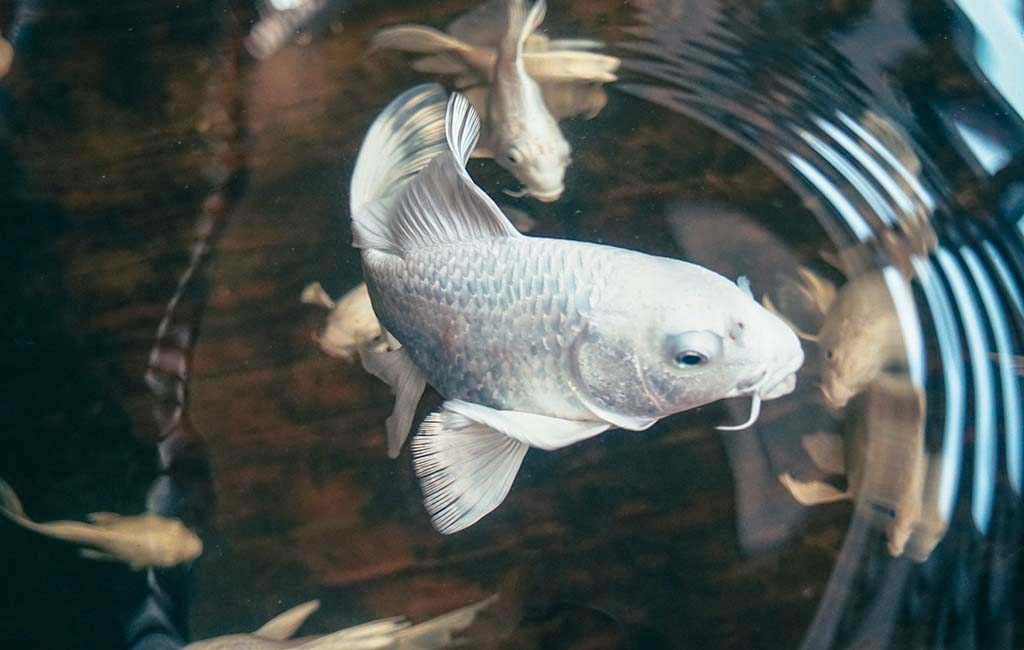
waterborne pathogens in fish tank
What Are the Pathogens in Aquariums
Aquarium pathogens are microorganisms that cause diseases in the aquarium environment. Plants, fish, and other aquatic pets are equally susceptible.
Waterborne Pathogens in Fish Tank
Waterborne pathogens are microorganisms that live in or are transmitted through water. There might be some bacteria, viruses, fungi, or parasites. Here are some waterborne pathogens and their types.
| Type | Specific Pathogen |
| Bacteria | Aeromonas hydrophila |
| Flavobacterium columnare (Columnaris) | |
| Mycobacterium marinum | |
| Pseudomonas spp. | |
| Viruses | Lymphocystis virus |
| Koi Herpesvirus (KHV) | |
| Viral Hemorrhagic Septicemia Virus (VHSV) | |
| Parasites | Cryptocaryon irritans (Marine Ich) |
| Ichthyophthirius multifiliis (Ich) | |
| Dactylogyrus and Gyrodactylus (flukes) | |
| Costia, Trichodina | |
| Fungi | Saprolegnia (water mold) |
How Do Waterborne Pathogens Transmit in a Water Tank?
Waterborne pathogens can make their way into a water tank in various ways. Here are some common ways.
Direct Contact
It is the most probable way that fish directly take it from other fish or aquatic pets while feeding, mating, schooling, or any other direct contact. Moreover, some waterborne pathogen parasites can swim in the tank and directly affect the host.
Move with Tides
Columnaris or ich are pathogens that can swim in the water and infect fish through their gills, skin, and food or water intake.
Infected Decor or Equipment
Pathogens can make biofilm and remain active on various surfaces. In a water tank, they can live on nets, filters, decors, wood objects, siphons, etc. When fish come into contact with them, they cause disease among them.
Infected Plant or Fish
Sometimes, aquarists unknowingly introduce an infected plant or add infected fish to the tank. Once they are one, without proper quarantine, they will affect others.
How Do I Know If I Have Waterborne Pathogens in the Tank?
A fish can be a victim of various diseases in a tank. For this reason, it’s hard to tell whether tanks have waterborne pathogens or some other sort of disease. Moreover, their microscopic size also makes the detection very hard. However, you can learn it through fish behavior, appearance, tank condition, and water quality.
Fish Behavior and Symptoms
- White spots on a fish’s skin or fins
- Fish rubbing against decor, wall, or other objects.
- Rotting fins
- Gasping fish
- Pineconing scales
- Swollen belly
- Cottony growths
- Ulcers
- Bulged eyes
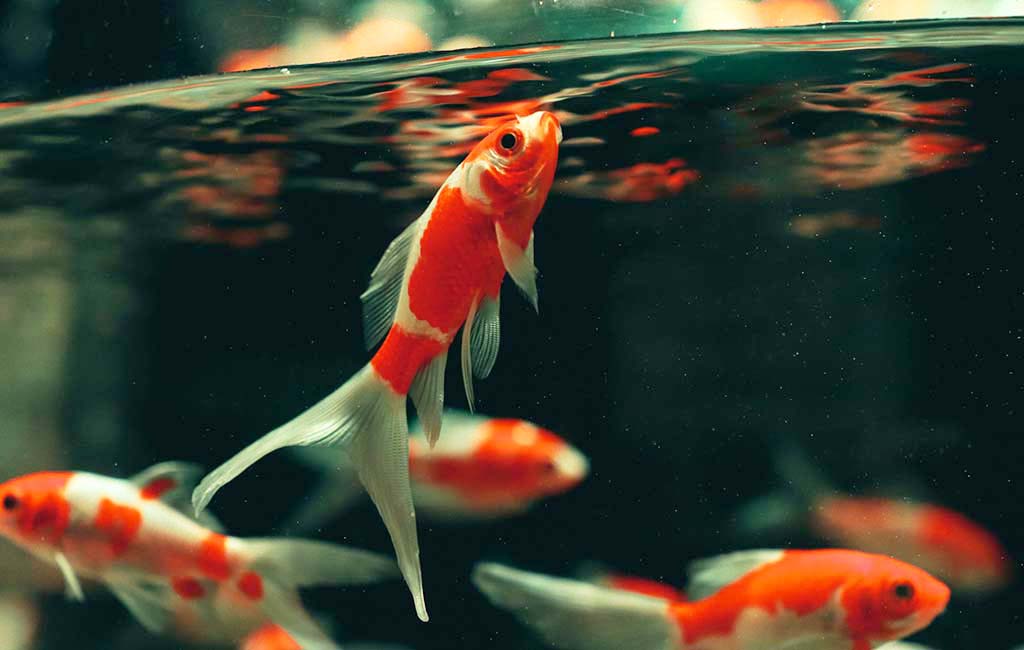
Recurring fish diseases
Water Quality
Bad-quality water is a catalyst for waterborne pathogens. Here are some signs of waterborne pathogen presence in your tank.
- White or greyish cloud water often causes a bacterial bloom in the tank.
- A foul smell, i.e., sour or rotten, is caused due to organic material decay in the tank. This decay is fuel for pathogens’ exponential growth.
- The algae bloom is an indirect indication. It happens due to organic material decay, waste, or nutrient buildup. However, this is not a 100% sure sign of waterborne pathogens, but you can take it seriously.
- The presence of ammonia, nitrite, and high quantities of nitrate plays a pivotal role in the growth of waterborne pathogens.
Confirmation
All the above-mentioned are signs of waterborne pathogens in the tank. However, by just observing these signs, you can’t be definitive about their presence. Here are some lab methods that will help you to be sure about their presence.
- Culture-based methods
- PCR-based methods (Polymerase Chain Reaction)
- Microarray technology
- Enzyme-linked immunosorbent assay (ELISA)
- Flow cytometry (FCM)
Clean the Fish Tank from Recurring Fish Diseases
If your tank is affected by pathogens, it is important to clean it. A thorough cleaning is far more important, as they can revive in the future and can again cause casualties. Here is a guide on how to clean your tank.
Quarantine Your Aqua Pets
Empty your tank of aquatic pets and move them to a quarantine tank that has optimal water parameters. Keep them there for up to 4 weeks and observe them. Once you are sure, reintroduce it to your main tank.
Waste Removal
Once you have moved your fish to the quarantine tank, remove all objects, e.g., plants, rocks, decorations, driftwood, etc. Siphon all water and do a thorough vacuuming of the substrate. It will help to remove debris, feces, food leftovers, and even some infected eggs.
Equipment Disinfection
Prepare a 1:10 household bleach to water solution. Dip all non-porous tank items, i.e., rocks, plastic decors, and filter, with no filtering media, nets, or any other objects. Do it for up to 30 minutes. Take a sponge and scrub your tank’s walls with bleach solution. Clean your tank’s walls with clean and plain water, and leave your tank to air dry.
Filter Media Cleaning
The most suitable method is to discard the filter media. Cleaning is hard and causes the resurfacing of these pathogens in the tank. Install new filter media and restart your equipment.
Plant Cleaning
Potassium permanganate, 3% hydrogen peroxide, and a 1 to 2% salt solution can help in treating your live plants. Soak your plants for up to 5 minutes in any of these solutions and rinse them with dechlorinated water.
Prevent Recurring Fish Diseases
Preventing Your Tank Inhabitants from Recurring Fish Diseases
Once you have gone through all of these processes, it’s time to re-establish the tank. Fill the tank with clean and dechlorinated water, cycle it, and stock your fish. However, properly maintain your tank to avoid any risk in the future. Here are some key points to do so.
Quarantine
Always quarantine new fish, plants, or aquatic pets for 2 to 4 weeks. Observe them during this period. If everything is fine, introduce it into the main tank.
Water Quality
Bad water quality often causes the bloom of waterborne pathogenic diseases. Therefore, it’s necessary to maintain the water quality. For ease, you can understand that poor water quality causes stress that reduces immunity and makes fish easy prey for pathogens.
- Weekly water changes are required according to the stocked fish and their population.
- Keep your water ammonia and nitrite-free.
- Maintain nitrate levels less than 20 ppm.
- Regularly check the water parameters.
- Clean the tank’s substrate.
Strict Hygiene
- Sterilize nets, siphons, or other tools after usage.
- Use different tools for different setups.
- Remove food leftover after 3 minutes of feeding.
Improve Fish Health
- Always feed them high-quality food.
- Feed them according to the requirements. Food requirements vary with age.
- Avoid stress-causing activities, e.g., bullying, sudden temperature change, overcrowding, etc.
- Seldom feed them on garlic extract or vitamin supplements.
Waterborne Pathogen Control
- Add beneficial bacteria for a stable nitrogen cycle.
- Give your fish a medicated bath in case of any waterborne pathogenic disease.
- UV clean light sterilizer usage also helps to destroy them.
Regular Inspection
Regularly inspect your fish. If you find any of the following signs, quarantine the affected fish.
- Flashing
- No attraction toward food
- Bloating
- Discoloration
- Gasping
- White spots.
Closing Remarks
Bacteria, fungi, viruses, etc., cause waterborne pathogen diseases. They cause weight loss, bloating, gasping, and many other problems in the fish. However, it’s hard to pinpoint whether it is caused by a waterborne pathogen or some other reason. Culture-based methods, PCR-based methods, ELISA, and FCM help to ensure pathogen presence. In such a case, immediately quarantine your fish and clean your tank to avoid the spread. Adopt the safety measures to avoid future losses.
Related Products


Leave a comment