
A fish tank looks serene from the outside. What happens beneath the surface is a different story: cloudy water, sick fish, broken equipment, and unstable chemistry. These problems catch hobbyists off guard, especially when everything seemed fine just days before. Most tank issues follow recognizable patterns, and once the pattern is understood, the fix becomes straightforward. This tank maintenance guide covers the real problems, the actual causes, and what you can do about each one without wasting time guessing.
Content Table
fish tanks ecology
Common Problems in Fish Tanks
Some issues show up so often that they are practically rites of passage for anyone keeping fish. Knowing them by name and symptom saves you a significant amount of panic later.
- Cloudy Water
Cloudy water comes in two distinct types, and each means something different.
- White or grey cloudiness typically signals a bacterial bloom. This happens most often in new tanks during the nitrogen cycle, when beneficial bacteria populations are still establishing. It also appears in established tanks after a large water change or a sudden increase in feeding.
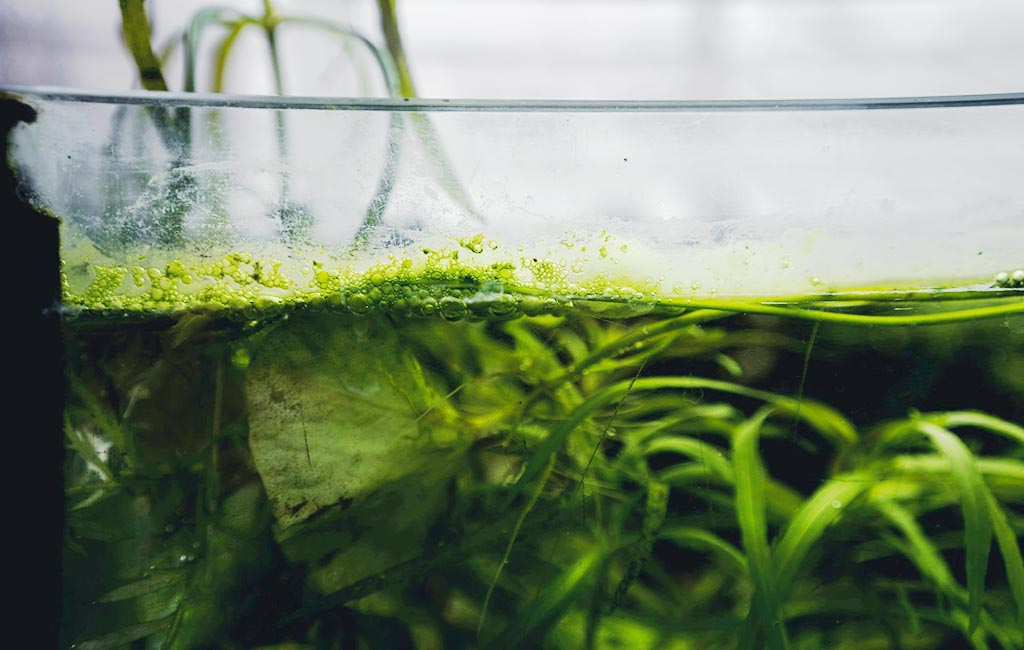
- Green cloudiness is algae. Specifically, free-floating single-celled algae that thrive on excess light and elevated nitrate or phosphate levels.
- New Tank Syndrome
New tank syndrome refers to the ammonia and nitrite spike that occurs before a tank fully cycles. An uncycled tank lacks enough beneficial bacteria (primarily Nitrosomonas and Nitrobacter species) to convert fish waste into the less harmful nitrate. Ammonia above 0.25 ppm is toxic to most fish. Nitrite is equally dangerous at similar concentrations. This phase typically lasts three to six weeks.
- Algae Overgrowth
Algae growth is normal, and overgrowth is a symptom. Specifically, it points to one or more of the following:
- More than 8 to 10 hours of light per day
- Nitrate levels above 20 ppm
- Phosphate levels above 0.05 ppm in a planted tank or 0.5 ppm in a fish-only setup
- Direct sunlight hits the tank at any point during the day
- Fish Disease
The three most common diseases in home aquariums are ich (Ichthyophthirius multifiliis), fin rot, and velvet disease. It presents as white salt-like spots on the body and fins. Fin rot shows as ragged, receding fin edges, usually bacterial in origin. Velvet appears as a fine gold or rust-colored dust, most visible under a flashlight at an angle.
Common Problems in Fish Tanks
The Common Fish Tank Maintenance Troubleshooting
Diagnosis is only useful when it leads somewhere. Here is how you can address each problem directly.
- Fixing Cloudy Water
For bacterial blooms: reduce feeding to once daily, avoid water changes larger than 20 to 25 percent at a time, and let the cycle complete. Adding a bottle of live beneficial bacteria accelerates the process measurably.
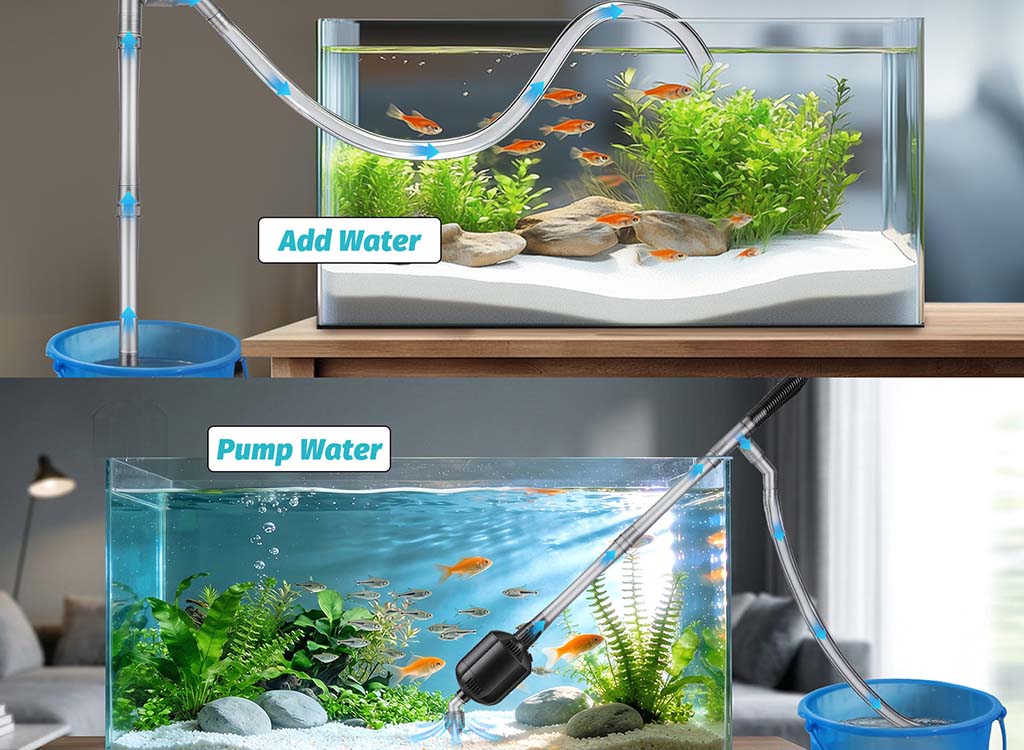
For green water: reduce photoperiod to 6 to 8 hours, vacuum substrate thoroughly during water changes to remove decaying organic matter, and test phosphate levels. A phosphate remover or PureDigest Pro placed in the filter resolves persistent cases within a week.
- Managing New Tank Syndrome
The safest approach is fishless cycling. Add a pure ammonia source (pure ammonia with no surfactants, dosed to reach 2 to 4 ppm) and wait for the tank to process it completely before adding fish. Testing kits that measure ammonia, nitrite, and nitrate separately are necessary here. While the hygger water meter kit remains the standard affordable option.
If fish are already in the tank during a spike:
- Perform 25 percent water changes daily until ammonia and nitrite readings are below 0.25 ppm
- Use a dechlorinator that also detoxifies ammonia temporarily
- Reduce or stop feeding temporarily
- Treating Ich and Fin Rot
It requires raising the tank temperature gradually to 86°F (30°C) over 48 hours. At that temperature, the free-swimming stage of the parasite cannot survive, and the heat treatment alone resolves most cases over 10 to 14 days. Not all fish tolerate 86°F. Scaleless fish and species from cooler water (like certain loaches) need medication-based treatment instead.
Fin rot responds well to clean water first. A 30 percent water change, followed by treatment with aquarium medicine, addresses most bacterial fin rot cases in one to two weeks.
advice for fish tank maintenance
Advanced Advice for Fish Tank Maintenance
Beyond fixing what breaks, some practices prevent most problems from occurring in the first place.
- Test water weekly, not just when something looks wrong. Ammonia, nitrite, nitrate, and pH can shift without visible symptoms. A pH drop from 7.4 to 6.6 stresses fish silently. Weekly testing creates a baseline so deviations are caught early.
- Maintain filter media correctly. Biological filter media (ceramic rings, bio balls, sponge) should never be rinsed under tap water. Chlorine kills the beneficial bacterial colonies living in the media. Rinse all biological media in the tank water removed during a water change.
- Feed by weight, not volume. Overfeeding is the single most common driver of poor water quality. Most fish need roughly 1 to 2 percent of their body weight in food daily. For a 10-gallon tank with a moderate stocking level, a small pinch once per day is sufficient.
- Stock conservatively. The popular “one inch of fish per gallon” rule is outdated and inaccurate. A single 6-inch goldfish produces far more waste than six 1-inch tetras. stocking calculators that factor in bioload, filtration, and tank dimensions together.
Whether It Is Necessary to Use an Automatic Feeder
Automatic feeders come up frequently in maintenance discussions. They deserve a specific answer rather than a vague one.
For hobbyists who travel or work irregular hours, an automatic feeder solves a real problem. Inconsistent feeding creates stress cycles that suppress immune function in fish. An automatic feeder on a consistent schedule prevents that.
The practical benefits:
- Delivers precise, repeatable portion sizes that reduce overfeeding
- Maintains feeding schedules during vacations without relying on untrained neighbors
- Reduces the risk of ammonia spikes caused by large manual feedings
The limitations worth knowing:
- Pellet-based feeders work well. Flake feeders often clump in humidity and dispense erratically, particularly in tanks with lids that trap moisture
- Automatic feeders do not replace water changes or filter maintenance
- Power outages reset most budget feeder timers, requiring manual reprogramming
A reliable mid-range option like the hygger HG082 intelligent fish feeder handles humidity better than most budget alternatives and maintains programming through brief power interruptions. For most freshwater community setups, an automatic feeder is a worthwhile addition, not a luxury.
Safety and Ecology
Special Considerations: Safety and Ecology
- Electrical Safety Around Aquariums
Drip loops are non-negotiable. Every cord connected to aquarium equipment should form a U-shaped dip below the outlet before plugging in. This prevents water that travels along the cord from reaching the outlet directly. GFCI-protected outlets are the appropriate standard for any room where aquariums are kept.
- Responsible Fish Disposal
Fish released into local waterways cause serious ecological damage. Species like red-eared slider turtles and goldfish have established invasive populations across the United States because of releases from home setups. The same risk applies to aquatic plants. Hornwort, water hyacinth, and several species of aquarium moss are listed as invasive in multiple states.
Options for fish that can no longer be kept:
- Contact local fish stores; many will accept unwanted fish
- Post on aquarium hobbyist forums and Facebook groups where other keepers will adopt them
- Euthanize humanely using clove oil at a concentration of 0.4 mL per liter of tank water
Never pour tank water containing live plants or invertebrates directly into outdoor drains or waterways.
- Chemical Use and Water Treatment
Every dechlorinator, medication, and pH adjuster added to a tank enters the water that is eventually changed out. That water should go down household drains rather than into gardens adjacent to natural water features when medication has been used. Copper-based treatments (used for parasites) are acutely toxic to invertebrates and can persist in soil.
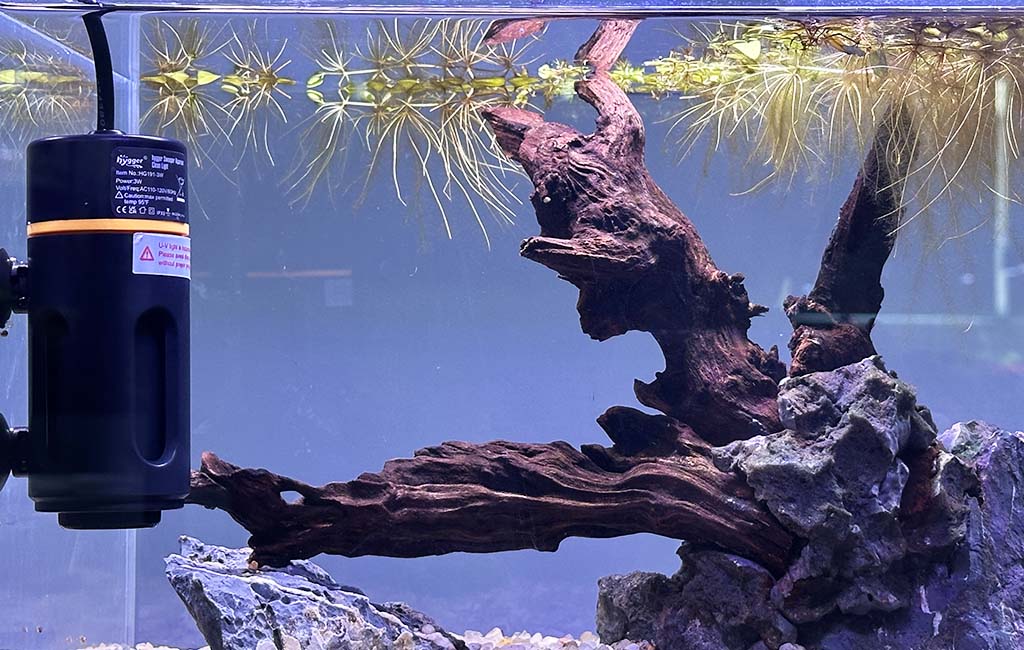
fish tank troubleshooting
Start Small, Measure Progress
Tank maintenance gets manageable when it becomes a system rather than a reaction. Test weekly, change 20 to 25 percent of the water every one to two weeks, rinse biological media in tank water only, and feed conservatively. Most problems trace back to deviations from those four practices. A stable, healthy tank is not the result of expensive equipment or rare expertise. It comes from consistent, low-effort habits applied over time.
Related Products

Leave a comment