
Floating aquarium plants are great for improving the tank’s aesthetics. However, it is not the sole benefit of having them in your tank. They help to control the algae growth and provide an optimal environment for fish fry growth. In the following, you’ll get the details. Moreover, a step-by-step care guide for floating aquarium plants with a quick table is provided below. At the end, you will find some optimal floating plants as well. Scroll down to learn before starting the floating aquarium plants journey.
Content Table
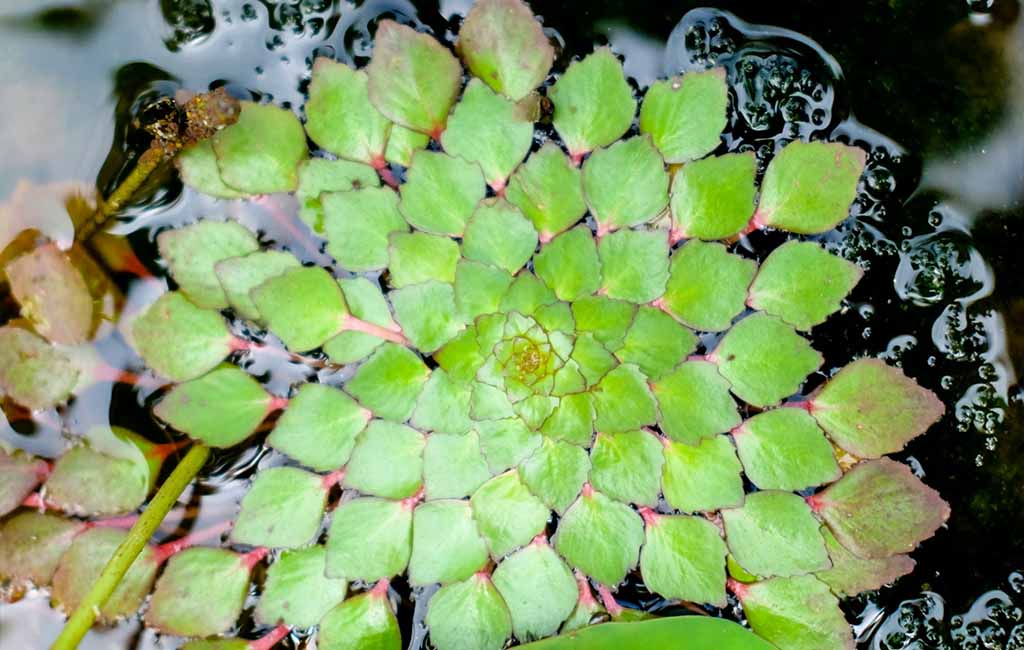
Floating plants stop algae
Do You Have Floating Plants for Aquariums?
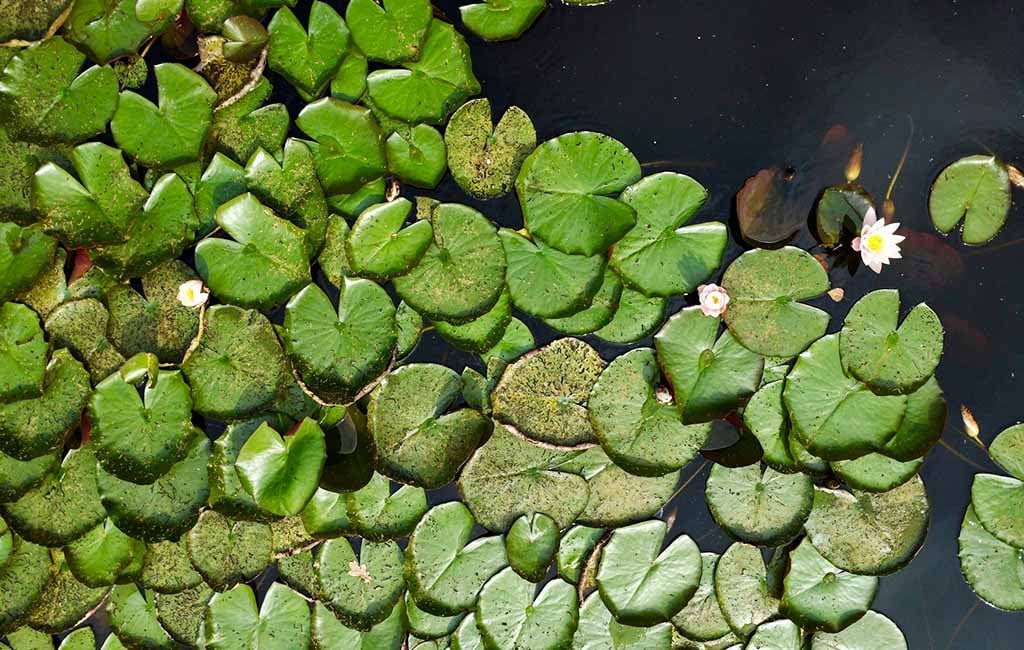
Floating aquarium plants are unique from the rooted aquatic plants. Unlike other aquatic plants that need substrate to keep their base settled, they require nothing because they keep floating on the water surface. Here are some peculiarities.
- They use atmospheric CO2, as compared to other aquatic plants that use CO2 present in the water.
- They help to control algae growth in the tank. As floating plants remain at the water surface, they reduce the light intensity at the bottom. This reduced light intensity helps to suppress the algae growth in the tank.
- Floating aquarium plants provide shade and shelter to shy fish in the tank.
- Floating aquarium plants have dangling roots by which they directly uptake nutrients from the water. Moreover, they uptake the nutrients at a faster rate.
- Although floating plants show optimal growth at high light intensity. However, they are adaptable to a wide range of light.
- Many floating plants are prone to rot when water splashes on their leaves.
- They grow at a fast rate.
Do Floating Plants Stop Algae?
Yes, floating plants help stop algae growth in the tank. For basic understanding, these floating plants compete with algae for two resources: light and nutrients. As the floating plants remain at the surface. Their presence gives them an advantage to absorb more light than the algae in the tank. Moreover, floating plants aggressively take up nutrients for their optimal growth.
For this reason, the algae bloom often loses its strength before even starting. However, it is noticeable that your floating plants only cover 30 – 50% water surface. Less than 30% reduce their efficiency in absorbing light and nutrients compared to algae. More than 50% can lead to reduced oxygen levels in the tank’s water.
Moreover, floating plants reduce phosphorus and nitrogen in the water. These two nutrients are basic food for the algae’s growth. Moreover, these plants help to purify the tank’s water.
| Algae type | Role of Floating Plants | Effectiveness |
| Green algae | Reduce the light intensity
Compete in nutrient uptake |
Extremely effective |
| Hair algae | Decrease the nitrate and phosphate levels in the water | High |
| Staghorn Algae | Lowers CO₂ demand
fluctuation |
Moderately effective |
| Black Beard Algae | Improves the water balance | Low moderate |
| Brown Algae | It competes for silicates and other nutrients for uptake | Moderately effective |
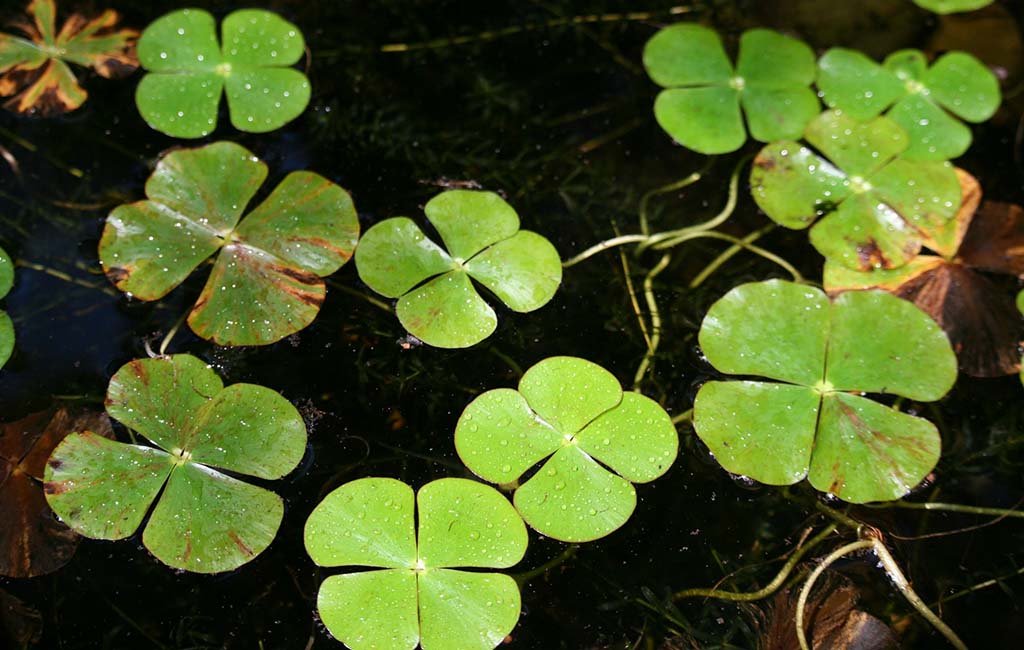
Why Are Floating Plants Dying in the Aquarium
Why Are Floating Plants Dying in the Aquarium?
Although floating aquarium plants are hardy, they have some limitations. If you observe that floating plants are yellowing or dying in the tank, here are some reasons.
Wet Leaves
Although floating plants live at the water surface. However, their leaves are designed to sustain the wetness. As soon as leaves begin to wilt, they begin to rot.
Low Light
Floating plants can survive up to a limit of low light. Beyond that limit, they begin to lose their strength. If your floating macrophyte is receiving less than 8 hours of light or low light intensity, they turn to yellow and shows slow growth.
Micronutrients Deficiency
If floating plants have yellow leaves with green veins, it is due to micronutrient deficiency. Add the iron and other micronutrient-containing fertilizers.
Excessive Water Surface
Numerous floating plants like stagnant water conditions. If your tank’s water is constantly in motion, it will affect the plant growth, as they don’t like constant motion.
High Plant Density
If floating plants cover more than 50% of a tank’s surface, they will begin to lose their green color. High plant density causes competition in nutrient uptake. Nutrient deficiency can lead to the death of your floating plants.
Low pH level
Low pH also causes the death of floating plants. They are fine above 6 or more pH. As soon as the pH drops to 6, plants begin to die.
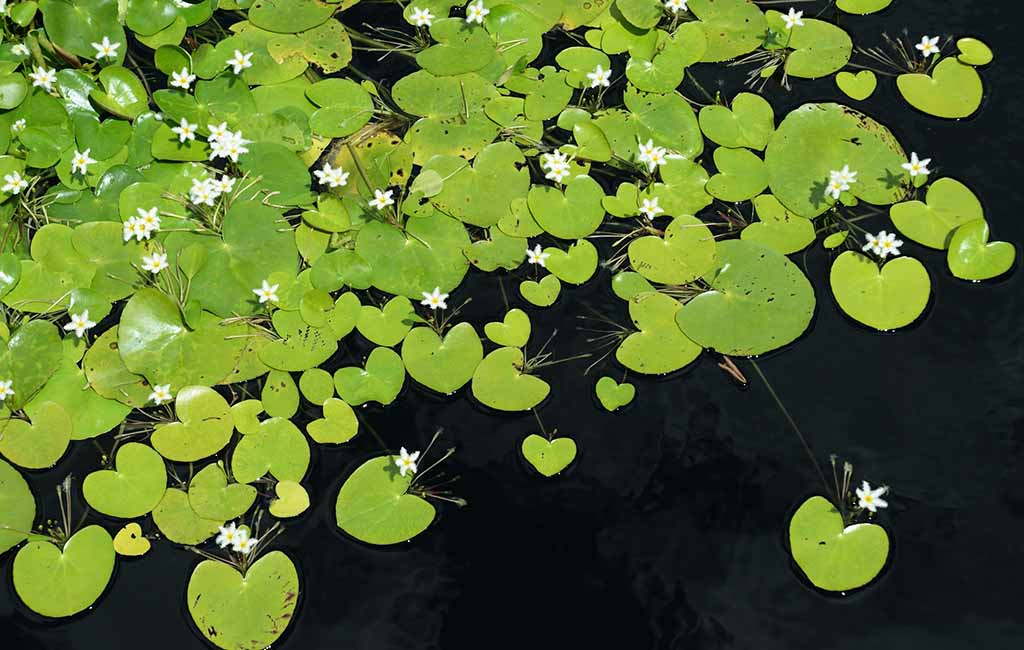
floating aquarium plants care
How to Care for Floating Aquarium Plants?
Unlike many other aquatic plants, floating aquarium plants are far easier to take care of. They don’t have such high maintenance demands. Here is a step-by-step care guide for floating aquarium plants.
Step-By-Step Floating Plant Care Guide
- Rinse the floating plant with dechlorinated water before adding it to the tank. It will remove snail eggs, pests, and many sorts of diseases.
- Provide them with 8 to 12 moderate to high lighting. However, don’t expose them to sunlight. Sunlight is variable and can affect their growth.
- Maintain a gentle water flow in the tank. Moreover, try to keep a calm water surface. Point the filters downward.
- After maintaining a gentle flow rate, regularly feed them with the liquid fertilizer. Use a fertilizer that contains micronutrients as well to avoid yellow leaves with green veins.
- Keep them trimmed to reduce their spread by less than 50% at the water surface. Regularly trim the plants every 1 or 2 weeks. Set the trimming rotation according to the condition.
- Change 20 to 30% tank’s water weekly. It’ll help to maintain the water quality in the tank.
Floating Aquarium Plants Care Table
| Light | 8 to 12 hours daily |
| Optimal temperature range | 68 to 82°F |
| pH | 6.5 to 7.5 |
| Water flow | Keep the surface almost quiet |
| Fertilization | Optional but add to avoid micronutrient deficiency |
| CO2 | Not required |
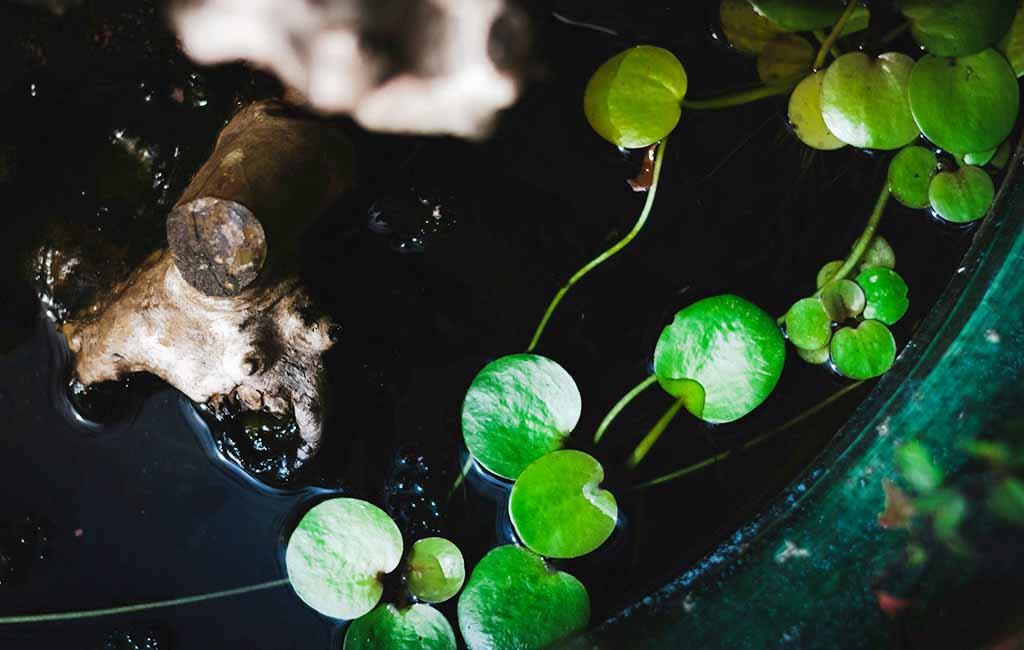
floating aquarium plants for fish fry
Floating Aquarium Plants for Fish Fry
Fish fry are extremely delicate and vulnerable. In community tanks, their lives are at stake every time. Grown fish can eat them. In some cases, the parent can also cannibalize their own. In this situation, floating aquarium plants for fish fry help to avoid this problem. Here are ways in which fish fry take advantage of floating aquarium plants.
Hiding Spots
Floating aquarium plants’ roots grow in an underwater jungle near the water surface. The fry take refuge in this floating jungle to avoid predators.
Higher Oxygen
Fish fry are extremely delicate and require more oxygenated conditions for optimal growth. If your tank surface has 30 to 50% covered with floating plants, there will be higher oxygen levels near the surface.
Abundant Fry Food
Fish fry love to consume infusoria, a microorganism. This microorganism naturally grows on the floating plants’ roots. So, fish fry have abundant food in the floating aquarium plants.
Low Stress Conditions
Floating plants reduce the light intensity and cast shade near the surface. This is the exact stress-free or low-stress environment for optimal fry growth.
Optimal Nutrient Level
Floating aquatic plants uptake excessive nitrates and phosphates from the water and make the tank’s water pristine. This purified water is absolutely the best environment for optimal fry growth.
List Of Optimal Floating Aquarium Plants
List Of Optimal Floating Aquarium Plants for Fish Fry
| Plant Name | Key Benefit for Fry |
| Water Lettuce (Pistia stratiotes) | Long, feathery roots provide excellent hiding spots. |
| Amazon Frogbit (Limnobium laevigatum) | Large leaves provide shade and long roots for protection. |
| Salvinia minima (Water Spangles) | Dense surface cover protects fry from surface predators. |
| Hornwort (Ceratophyllum demersum) | Provides a dense thicket for fry to weave through. |
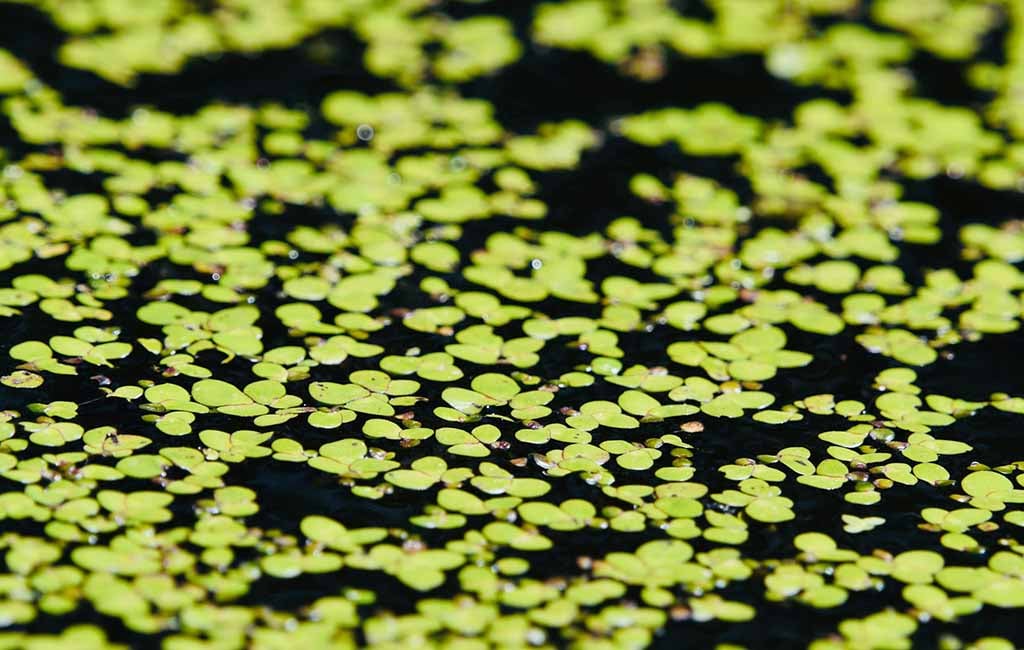
| Duckweed (Lemna minor) | Fast-growing cover that naturally produces infusoria. |
Floating aquarium plants purify the water
Final Insights
Floating aquarium plants purify the water and make it livable for fish. Floating aquarium plants are feasible for fish fry as they provide food, shade, and an optimal environment. Moreover, these plants help to reduce algae growth in the tank. If you are thinking of starting it, go for it, as it is very easy to take care of floating aquarium plants. However, don’t forget to look keenly at the care table.
Related Products


Leave a comment