
Turtles are not the first animal people think of when searching for a companion pet. Yet thousands of households across the United States keep them, and for good reason. Some turtle species tolerate human presence remarkably well, eat from an open hand, and show visible curiosity toward their keepers. Before choosing one, it helps to know which species actually fit a home setting and which ones simply survive in captivity without ever truly thriving. You can choose the friendliest turtles from the article.
Content Table
Turtle as a Pet
Turtle as a Pet
Not every turtle belongs in a living room tank. Wild-caught turtles carry stress, parasites, and behavioral patterns that make domestication difficult. The species commonly sold in pet stores today are either captive-bred or belong to populations stable enough to support ethical collection.
Turtles belong to the order Testudines, a group that has existed for over 200 million years. They are reptiles with a bony shell fused to their spine and ribs, which means the shell is not a removable home. It is part of their skeleton. That distinction matters for understanding how they experience their environment.
A few general facts about turtles kept as pets:
- Most pet turtle species live between 20 and 40 UVB heating years, with some exceeding 50 years in captivity
- They are ectothermic, meaning they rely on external heat sources to regulate body temperature
- Aquatic turtles need both water and a dry basking area with a UVB heating lamp
- Box turtles are terrestrial and need a humid substrate, not standing water
- Most species sold legally in the U.S. come under the FDA’s 4-inch shell rule, which prohibits the sale of turtles with shells under 4 inches due to Salmonella concerns in children.
The natural habitats of popular pet turtles vary considerably. Red-eared sliders originate from the Mississippi Valley region and slow-moving warm water. Painted turtles inhabit ponds and marshes across North America. Box turtles roam forest floors and meadow edges. Each habitat preference informs exactly what the turtle needs in an enclosure.
What is the friendliest turtle
The Friendliest Species of Turtle to Have as a Pet
Friendliness in turtles does not mean affection the way a dog offers it. It means tolerance of handling, reduced flight response, curiosity toward humans, and willingness to eat in their presence. Some species score significantly higher on all four counts.
- Red-Eared Slider (Trachemys scripta elegans)
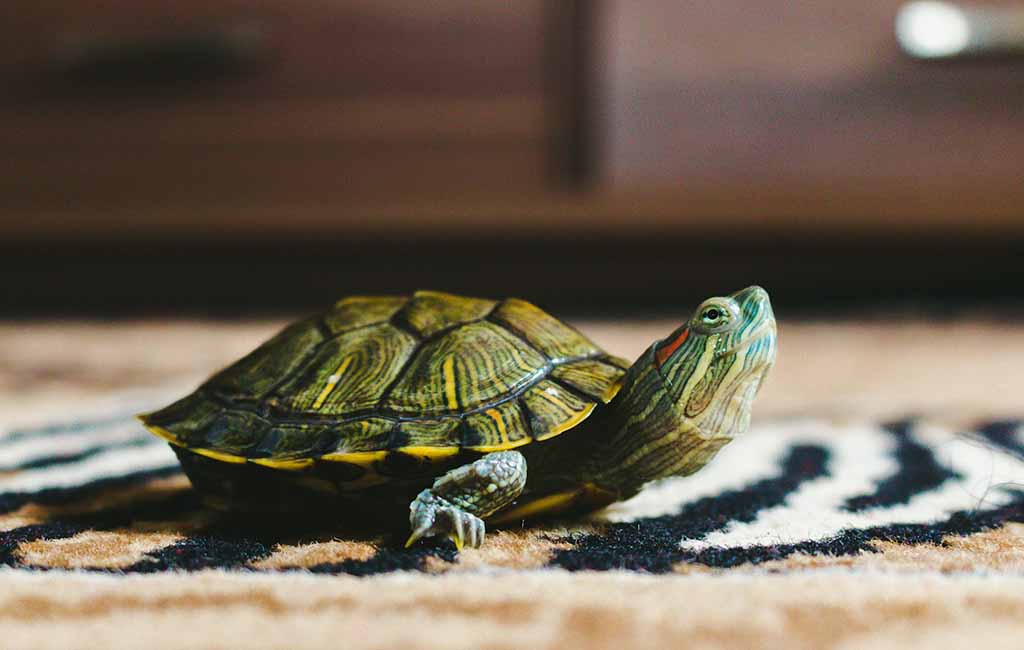
The red-eared slider is arguably the most commonly kept turtle worldwide. Captive-bred individuals often become quite comfortable approaching the front of their tank when a person walks nearby, associating human presence with feeding. They rarely bite when handled gently and adapt well to routine interaction.
One documented behavioral trait worth noting: red-eared sliders in home settings frequently bask openly even when their keeper is present, which indicates a lower threat response compared to more skittish species.
- Painted Turtle (Chrysemys picta)
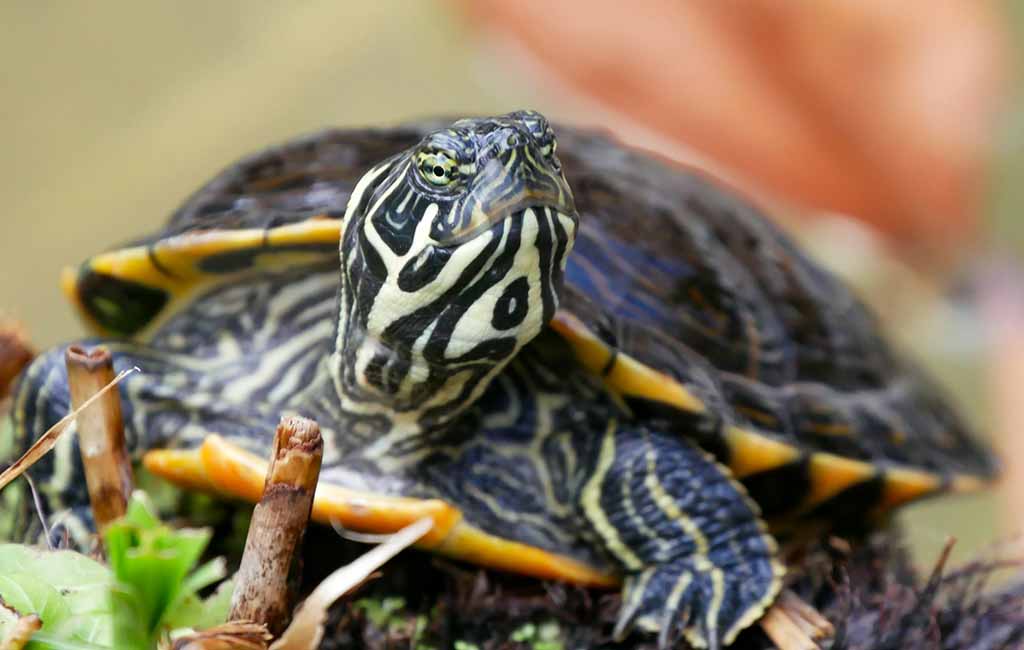
Painted turtles rank among the most visually striking North American turtles, with red and yellow markings along their edges. They are active during the day, curious by nature, and captive-bred specimens become accustomed to human presence relatively quickly. Their manageable adult size (between 4 and 10 inches) makes them practical for home enclosures.
- Box Turtle (Terrapene carolina)
Eastern box turtles behave differently from aquatic species. They do not swim and require a terrarium setup with moist soil. What makes them notable as a “friendly” species is their individual personality variation. Some box turtles kept from a young age actively walk toward their keepers, eat from the hand, and show exploration behavior rather than retreating into their shells.
- Mud Turtle (Kinosternon subrubrum)
Mud turtles are smaller and less commonly discussed, but they adapt well to captivity, stay manageable in size (rarely exceeding 4 inches), and show reasonable tolerance during handling. They are a solid choice for a keeper who wants a less demanding setup.
Do Pet Turtles Like to Be Handled
Do Pet Turtles Like to Be Handled?
The short answer is: most do not seek it out, but many tolerate it without distress once conditioned.
Turtles do not have the same neurological reward pathways as mammals. They do not release oxytocin during physical contact the way dogs or cats do. So the question of whether they “enjoy” handling requires reframing. The more accurate question is whether they show stress responses during handling or not.
Signs a turtle is stressed during handling include:
- Retracting completely into its shell and refusing to emerge
- Rapid leg movements attempting to escape
- Hissing or biting repeatedly
- Defecating when picked up
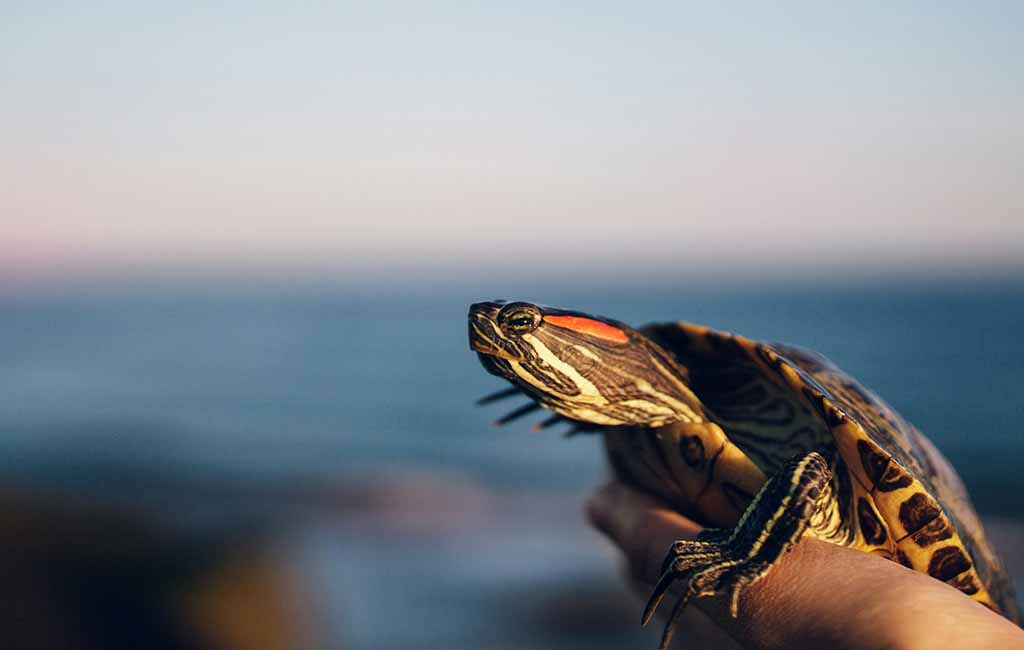
A turtle conditioned to gentle, frequent handling from a young age tends to show none of these behaviors. It may simply sit in an open palm and observe its surroundings. That is the realistic ceiling for turtle handling behavior.
What turtles respond to is a feeding association. A keeper who hand-feeds their turtle over weeks will notice the turtle approaching their hand without retreating. That behavior looks interactive from the outside. Internally, the turtle has learned that the hand signals food availability. It is conditioning, not affection. Both outcomes are legitimate.
The Most Interactive Pet Turtles
Some species are simply more alert and responsive than others. The following stand out for interactive qualities:
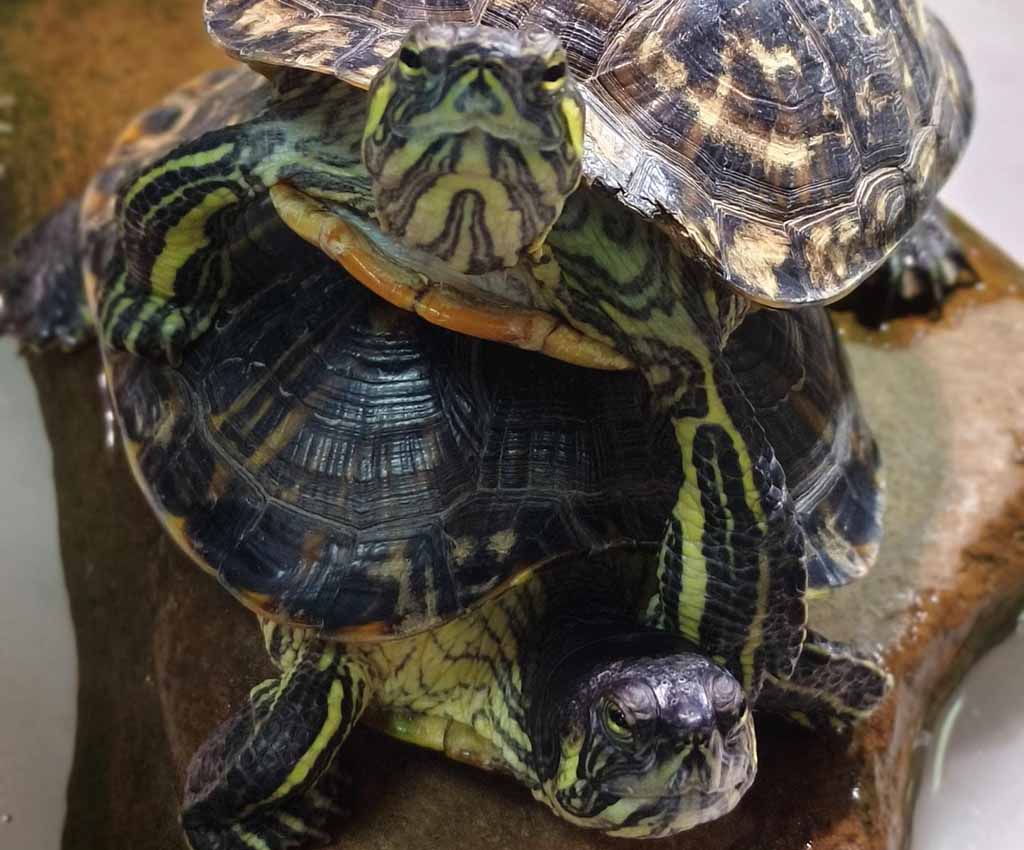
- Red-Eared Slider: Highly food-motivated, swims actively toward their keeper, and can be trained to eat at a specific feeding station consistently.
- Painted Turtle: Active baskers with visible curiosity. They frequently watch movement outside their enclosure rather than hiding.
- Map Turtle (Graptemys geographica): Slightly more demanding in care, but known for alert behavior and willingness to interact during feeding time.
- Yellow-Bellied Slider (Trachemys scripta scripta): Closely related to the red-eared slider. Captive-bred individuals are typically calm and interactive in similar ways.
The common thread across interactive turtle species is daytime activity and omnivorous feeding habits. Turtles that eat both protein and vegetation tend to forage more actively, which translates to observable behavior inside an enclosure.
Most interactive pet turtles
Do Turtles Get Cold at Night in an Enclosure
This concern comes up often. And it is legitimate.
Turtles are ectotherms. Their metabolism slows significantly when temperatures drop. In the wild, aquatic turtles enter a torpor-like state during winter, sometimes staying submerged for months. In captivity, that process should not happen accidentally due to inadequate heating.
Temperature guidelines for common pet turtle species:
- Water temperature for aquatic turtles: 75°F to 80°F (24°C to 27°C)
- Basking spot temperature: 85°F to 95°F (29°C to 35°C)
- Air temperature at night: Should not drop below 65°F (18°C) for most species
- Box turtle enclosure temperature: 70°F to 80°F (21°C to 27°C) during the day, no lower than 60°F (15°C) at night
When temperatures drop below the safe range at night, turtles stop digesting food properly. Undigested food in the gut can rot and cause bacterial infections. A submersible aquarium water heater on a thermostat is standard for aquatic setups. Ceramic heaters work well for maintaining overnight air temperature without disrupting the turtle’s light cycle.
Turtles do not need to sleep on a dry surface at night. Aquatic species often rest on the tank bottom underwater. What they need is water warm enough to prevent metabolic slowdown.
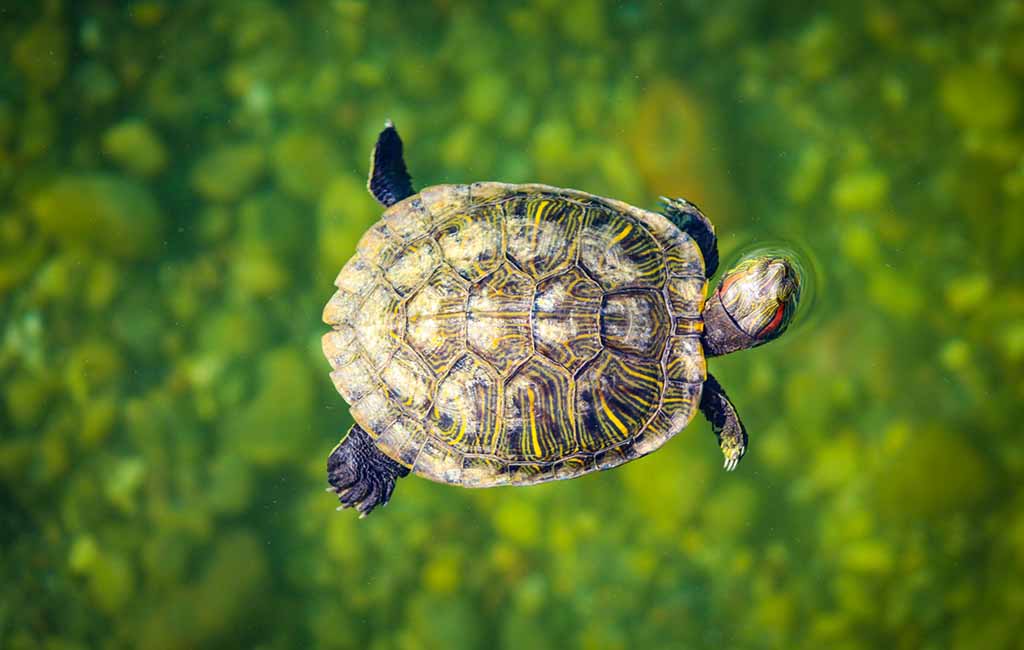
friendliest turtles
Never Feed Your Pet Turtles with Them
Feeding errors are among the leading causes of health problems in captive turtles. Some food items cause immediate harm. Others create deficiencies over time.
Foods that should never be given to pet turtles:
- Dairy products: Turtles lack the enzymes to digest lactose. Cheese, yogurt, and milk cause digestive disturbance.
- Processed meats: High sodium content stresses the kidneys.
- Avocado: Contains persin, a compound toxic to many animals, including reptiles.
- Rhubarb and beet greens: High oxalate content blocks calcium absorption, contributing to metabolic bone disease.
- Wild-caught insects from treated areas: Pesticide exposure through feeder insects is a documented cause of toxicity in captive reptiles.
- Onions and garlic: Both contain compounds that disrupt red blood cell function in reptiles.
- Bread and other refined carbohydrates: Offer zero nutritional value and contribute to obesity in turtles kept in low-activity enclosures.
- Iceberg lettuce: Not toxic, but nutritionally empty. Feeding it regularly displaces intake of genuinely nutritious greens.
The safest diet for aquatic turtles combines commercial turtle pellets with leafy greens like romaine, dandelion greens, and collard greens, supplemented with occasional protein from earthworms or feeder fish.
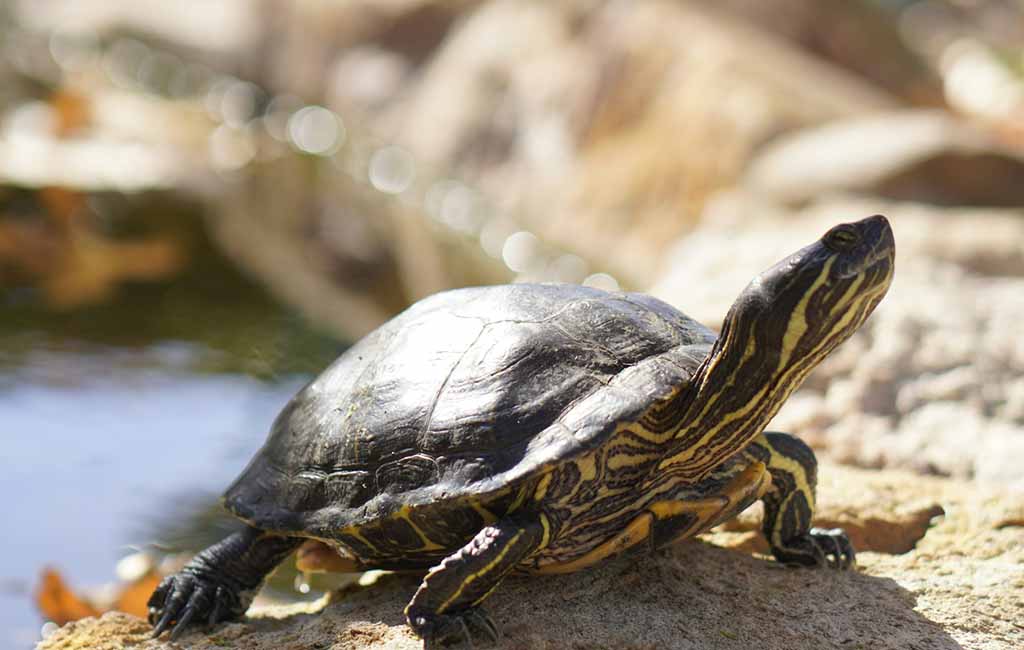
Feed Your Pet Turtles
Key Takeaways
The friendliest turtle for a pet is most often a captive-bred red-eared slider or painted turtle raised with regular, gentle handling from a young age. Turtles do not offer affection in the mammalian sense, but many do develop food-based associations that make them visibly responsive. Proper heating, an appropriate diet, and realistic expectations about handling determine whether keeping a turtle becomes a rewarding long-term experience or a frustrating one.
Related Products





Leave a comment