
Aquarium lighting is one of those aspects of fish keeping that beginners often treat as an afterthought, but experienced hobbyists know it shapes everything from plant health to fish behavior. Getting the timing and intensity right matters more than most people realize.
Content Table
A pro timer aquarium light gives you the ability to automate and fine-tune your lighting schedule with precision, taking the guesswork out of one of the most important variables in your tank. This article walks through how timers work, why aquarium light schedules matter, and how to customize your fish tank lighting effectively.
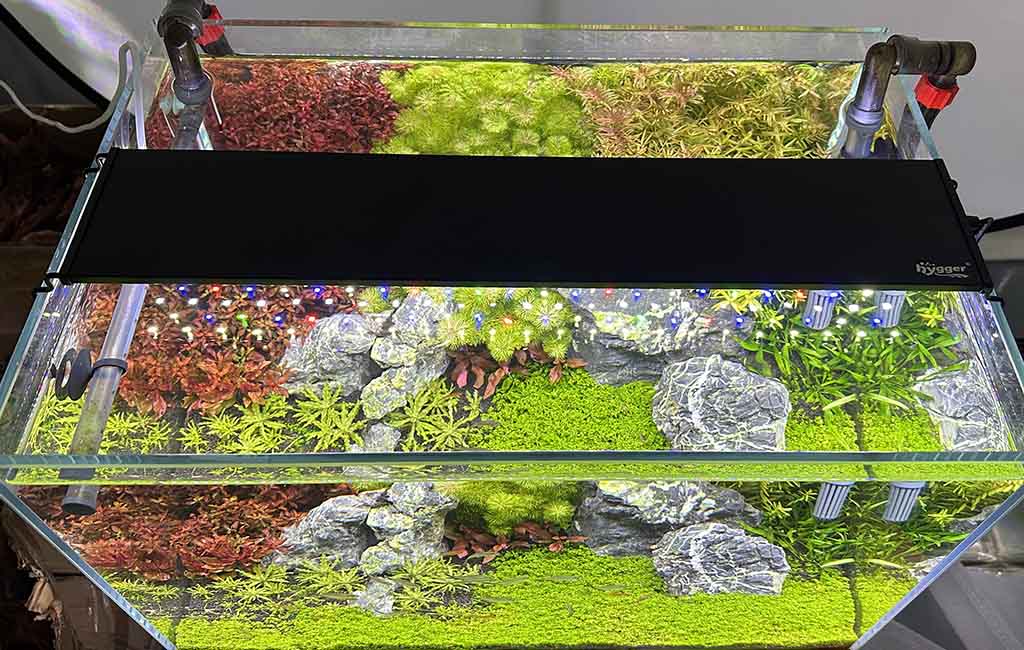
customizing fish tank lighting
What Is a Pro Timer in Aquarium Lighting?
A pro timer in the context of aquarium lights is a built-in or integrated programmable control system that manages when the light turns on, when it turns off, how bright it runs at different points in the day, and how smoothly it transitions between those states.
Unlike basic on/off timers that you plug into a wall outlet, a pro timer is part of the light unit itself. It allows you to set specific time slots for different lighting phases, such as a soft morning period, a full-bright midday window, and a gradual evening wind-down. Some advanced units also include separate programs for moonlight phases, which emit very low blue light during nighttime hours.
What makes a pro timer genuinely useful is the ramp-up and ramp-down functionality. Rather than the light switching from complete darkness to full intensity in an instant, the timer brings the brightness up gradually over a set period. This highlights the behavior of natural sunlight, which does not appear suddenly but builds slowly through the morning hours and fades through the evening.
For planted tanks, this gradual shift supports consistent photosynthesis cycles. For fish, it removes the shock of sudden light exposure, which can cause visible stress responses like darting and hiding.
Why Is a Light Schedule Important for Fish Tank Inhabitants?
The Biological Role of Light
Fish, shrimp, aquatic plants, and even beneficial bacteria in your tank operate on biological rhythms that are tied to light. These rhythms regulate feeding behavior, breeding activity, rest cycles, and stress responses. In the wild, aquatic life experiences a predictable cycle of light and darkness shaped by the sun. In a home aquarium, you are responsible for recreating that cycle artificially.
Without a consistent schedule, fish can become disoriented. Prolonged or irregular lighting leads to elevated cortisol levels in fish, which weakens their immune response over time. Inconsistent light also throws off the metabolic cycle of aquatic plants, causing them to produce oxygen inefficiently or go into premature dormancy.
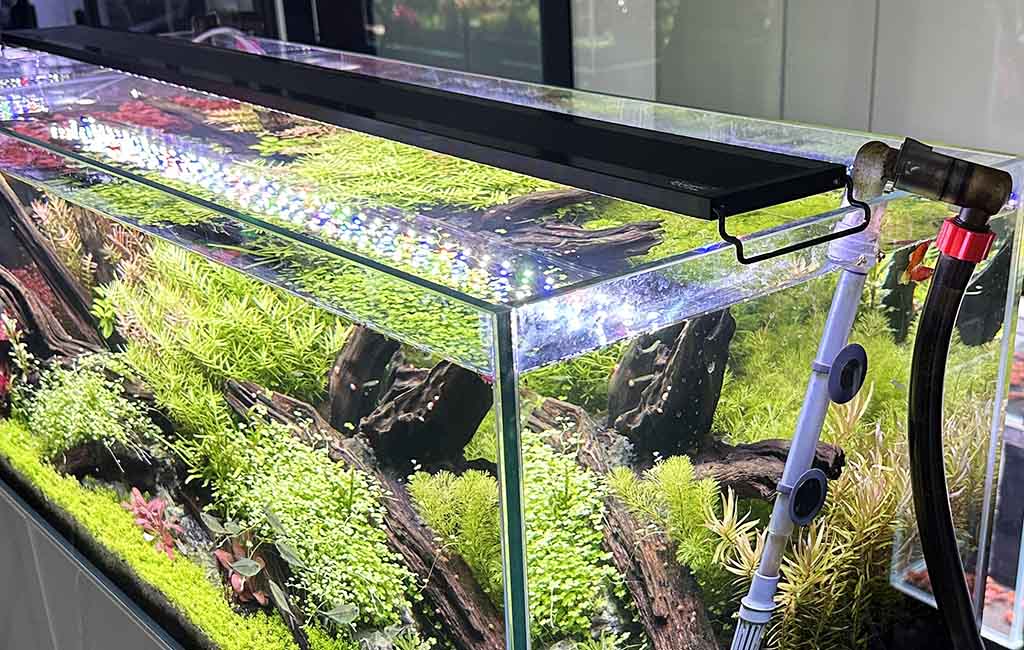
aquarium light schedule
Light and Algae Control
One of the most practical reasons for maintaining a proper light schedule is algae management. Algae thrive under excessive or unregulated light. When a tank receives more light than its plant and animal inhabitants can use, that excess energy feeds algae blooms. A properly timed light schedule limits the window of available light energy and keeps algae growth in check without harming the plants that need that light to grow.
A consistent schedule also allows beneficial bacteria colonies in the substrate and filter media to maintain stable activity, which supports water quality over the long term.
How Many Hours of Daylight with Ramp-Up and Ramp-Down
The General Rule
For most freshwater aquariums, a total daylight window of 8 to 10 hours represents the most balanced range. This applies to community fish tanks, lightly planted tanks, and medium-planted setups alike. Within that window, the actual period of full-intensity light can be shorter, with ramp-up and ramp-down periods bookending it.
A practical example of a well-structured light day looks like this:
- Ramp-up period: 30 to 60 minutes of gradually increasing brightness in the morning
- Full daylight period: 6 to 8 hours of peak intensity
- Ramp-down period: 30 to 60 minutes of gradually decreasing brightness in the evening
- Moonlight phase (optional): 1 to 2 hours of very low blue light before complete darkness
Why the Ramp Matters
The ramp-up and ramp-down phases are not cosmetic. For fish, the slow transition gives their eyes and nervous systems time to adjust. Many tropical fish species, especially those native to rivers with dense overhead canopy, are never exposed to sudden shifts from darkness to full sunlight. Replicating that soft transition in a home tank reduces fish stress significantly.
For planted tanks, a gradual ramp-up also allows plants to prepare for photosynthesis without the cellular stress that sudden high-intensity light can create, particularly for sensitive foreground plants and mosses.
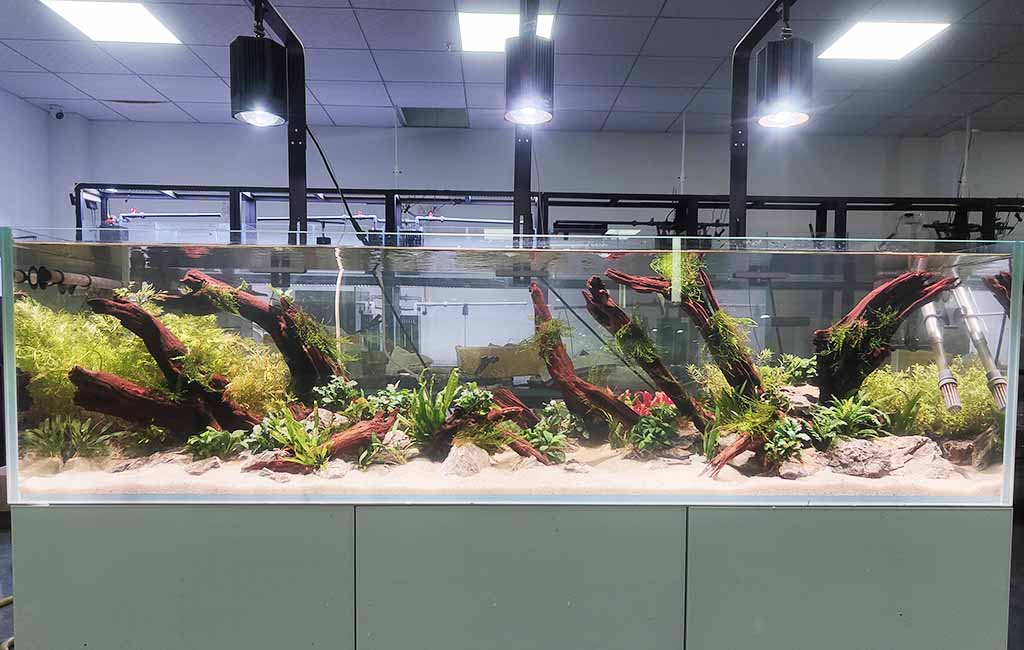
Adjust Light Intensity
How to Adjust Light Intensity Down According to Your Tank’s Needs
Why You Should Limit Light Intensity
Higher wattage and brighter lights are not always better. In fact, running a light at full intensity in a low-tech or lightly planted tank is one of the most common causes of persistent algae problems. The principle is straightforward: the amount of light your tank receives should match the amount of light your plants can actually use. Anything beyond that threshold feeds unwanted growth.
Practical Intensity Adjustments by Tank Type
- Low-tech planted tanks or fish-only tanks: These setups benefit from reduced intensity, typically between 40 and 60 percent of the light’s maximum output. The goal is enough light to see the tank clearly and support minimal plant growth without overdriving algae.
- Medium-planted tanks: A range of 60 to 80 percent intensity works well, especially during the midday phase. The ramp period can peak at this level rather than going to full brightness.
- High-tech planted tanks with CO2 injection: These tanks can handle and benefit from higher intensity, up to 80 to 100 percent, because the plants have the CO2 supply needed to use the extra light energy efficiently. Without CO2, running lights at full intensity creates an imbalance.
- Shrimp-specific tanks: Shrimp are sensitive to both heat and strong light. A moderate intensity of 50 to 70 percent, combined with plenty of shade from plants and hardscape, keeps them comfortable.
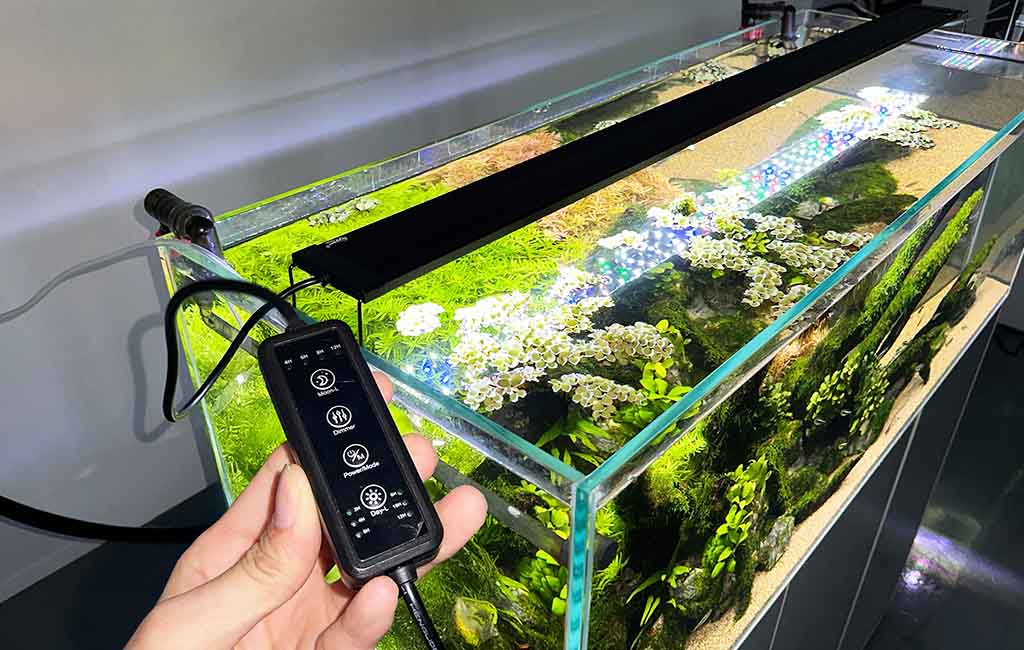
HG221 light review
hygger HG221 Pro Timer Aquarium Light Review
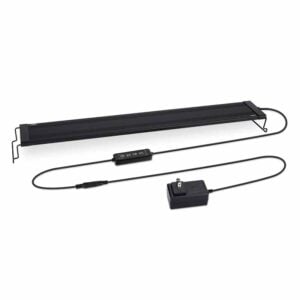
The hygger HG221 Pro Timer Aquarium Light is a programmable LED system designed to enhance fish coloration, support plant growth, and maintain a balanced light cycle that simulates natural sunrise-to-sunset transitions.
Key Features
- The light comes with preset options, including 4 moonlight timer settings and 6 daylight timer options, along with a 15-minute gradual transition to prevent sudden light changes. It is designed for freshwater fish tanks ranging from 12 to 52 inches in length.
- The unit combines white, red, green, and blue LED chips to support plant photosynthesis and enhance fish coloration. It is equipped with premium 5050 and 2835 LEDs delivering 6500K white light, 665nm red, and 460nm blue wavelengths, with a color rendering index above 92.
- Two independent digital timers allow separate programming of sunrise and sunset periods, simulating a natural light rhythm for both plants and fish. The light begins with warm orange tones at sunrise, moves to bright full-spectrum output at midday, and transitions to soft blue moonlight in the evening.
Build and Installation
The unit features an ultra-thin aluminum alloy shell that supports efficient heat dissipation and a rated lifespan of over 20,000 hours. Durable, extendable brackets allow flexible installation across tank sizes from 12 to 52 inches, keeping the light stable and evenly distributed across the full aquarium width.
What Makes It Stand Out
The dual independent timer system is particularly practical. Being able to set the sunrise period and the sunset period on separate schedules means you can align your tank’s light cycle with your actual daily routine. If you wake up later on weekends or want the tank active during evening hours, you can program that without disrupting the overall cycle length.
The 15-minute gradual transition built into the unit removes the need for any external dimmer equipment to achieve a smooth ramp effect. This is handled automatically, which keeps the setup simple without sacrificing the biological benefits of gradual light transitions.
hygger HG221 Pro Timer Aquarium Light Review
Customizing Your Fish Tank Lighting
- Planted Tanks
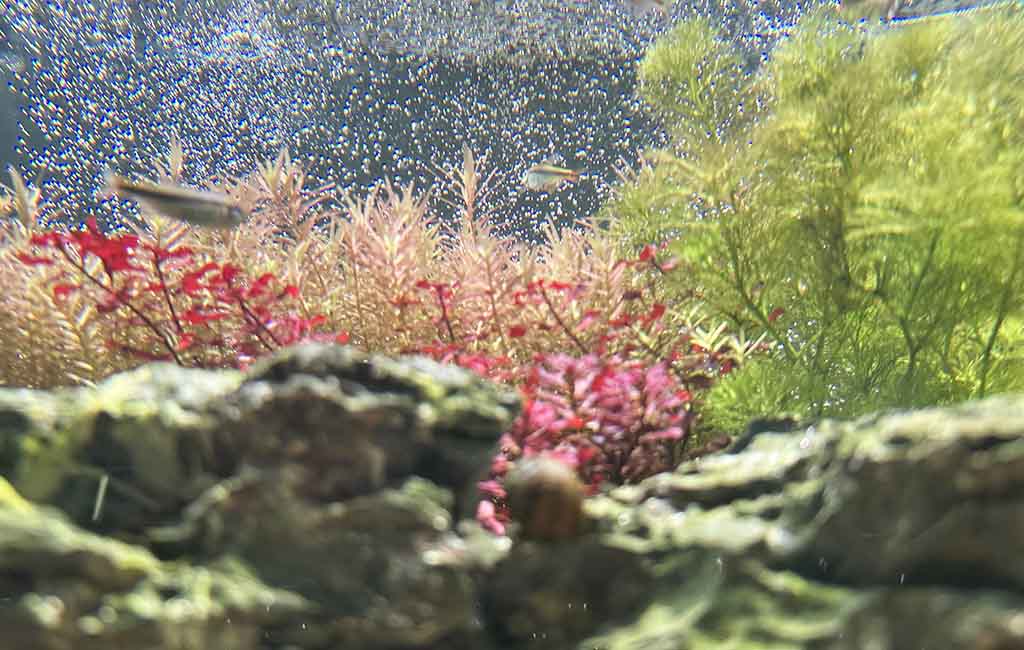
For planted aquariums, the primary goal of light customization is matching the photoperiod to the growth demands of the plants while keeping algae under control. A full-spectrum light with red and blue wavelengths, like those in the HG221, supports chlorophyll production effectively. The recommended approach is to set the daylight timer for 8 to 9 hours, reduce intensity to 70 to 80 percent during the main growth phase, and use the ramp settings to transition smoothly on both ends of the day.
If algae appear despite a reasonable schedule, the first adjustment should be reducing the total photoperiod by one hour rather than immediately reducing intensity. This often resolves mild algae issues without affecting plant growth.
- Fish-Only Tanks
Fish-only tanks do not require high-intensity or full-spectrum light for any biological reason. The lighting in these tanks primarily serves the keeper, not the fish. A 6 to 8-hour photoperiod at moderate intensity is sufficient. Using the moonlight setting in the evening extends the visual experience of the tank without stressing the fish, since very low-intensity blue light does not disrupt their sleep cycle the way full-spectrum light would.
- Shrimp Tanks
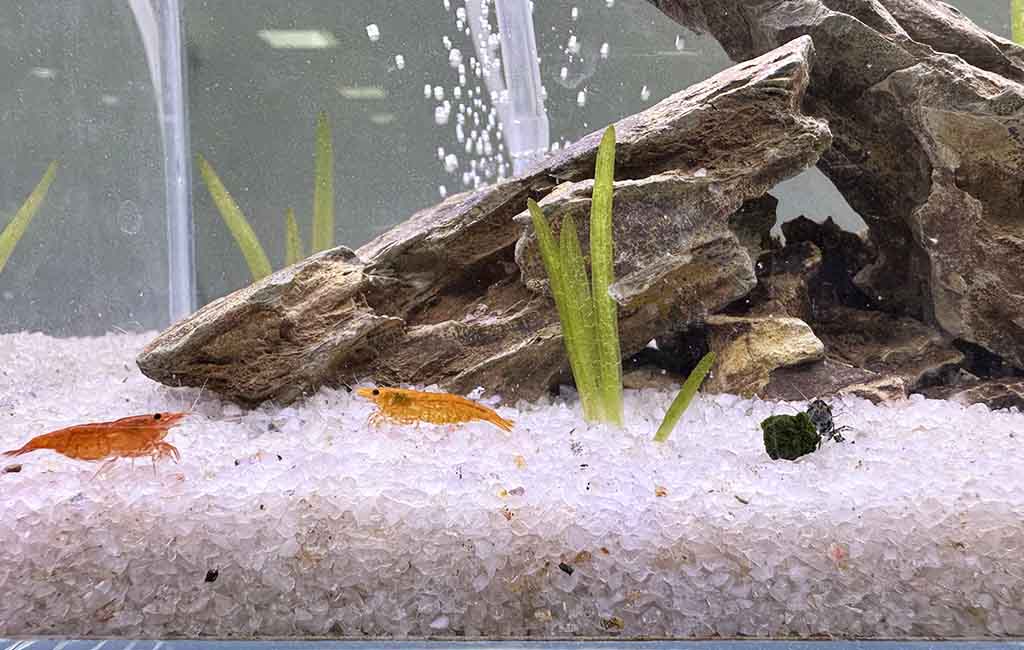
Shrimp tanks benefit from light schedules that support moss and plant growth, since shrimp graze heavily on the biofilm that develops on plant surfaces. A photoperiod of 8 hours at 50 to 60 percent intensity, with a gentle ramp on both ends, supports healthy biofilm production without overheating the tank or stressing the shrimp. Dense planting also provides natural shade within the tank for shrimp that prefer lower light areas.
Customizing Your Fish Tank Lighting
The Bottom Part
Good aquarium lighting is not about having the brightest or most expensive fixture. It is about providing the right amount of light, at the right times, with transitions that feel natural to the animals and plants living in your tank.
A pro timer aquarium light like the hygger HG221 gives you the control to build a genuinely effective light schedule without requiring expert knowledge or complicated equipment. When your light cycle is working properly, the difference shows up in healthier plants, calmer fish, fewer algae problems, and a tank that simply looks better every time you walk past it.
Related Products


Leave a comment