
Stress is a silent killer in aquariums, affecting fish health in ways that often go unnoticed until serious problems develop. Understanding the behavioral and physical indicators of fish stress empowers aquarium owners to intervene before conditions become life-threatening.
Content Table
This comprehensive guide explores the warning signs and takes care of stressed fish, underlying causes, recovery timelines, and effective treatment strategies for stressed aquarium fish. By learning to recognize signs of stress in aquarium fish and address stress early, you can create a thriving aquatic environment for your tank inhabitants.
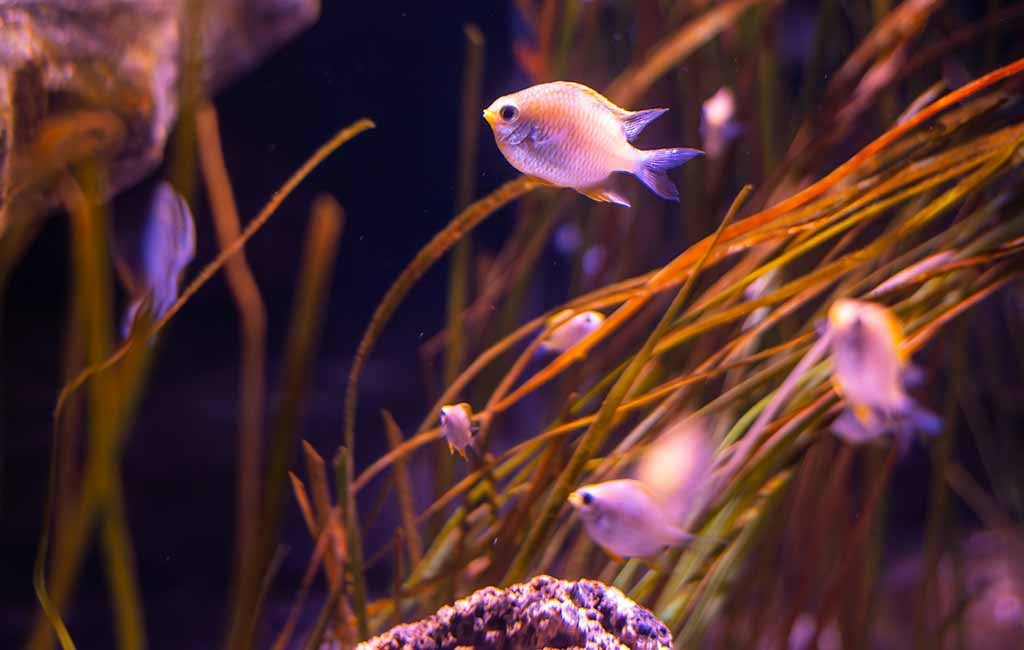
Signs of stress in aquarium fish
What Are the Signs of Stress in Aquarium Fish
1. Behavioral Warning Signs
Stressed fish exhibit distinct behavioral changes that deviate significantly from their normal patterns and established routines in the aquarium. Erratic swimming patterns, including darting movements or repeatedly crashing into tank walls, indicate severe environmental or psychological distress.
Fish that consistently hide for extended periods or refuse to leave their shelters are signaling discomfort with their surroundings. Loss of appetite represents another critical indicator, as healthy fish typically show enthusiasm during feeding times and consume food readily.
Gasping at the water surface suggests oxygen deficiency or poor water quality affecting their respiratory system and overall well-being.
2. Physical Manifestations
The physical appearance of stressed fish changes in noticeable ways that careful observation can detect relatively early in the stress cycle. Clamped fins, where the fish holds its fins close to its body rather than extended, demonstrate physical discomfort or illness.
Color fading or darkening beyond normal variation indicates physiological stress affecting the fish’s pigmentation and natural coloring patterns. Rapid gill movement or labored breathing points to respiratory distress caused by water quality issues or insufficient oxygen levels. White spots, fuzzy patches, or unusual lesions on the skin often develop when stress compromises the immune system significantly.
3. Social and Territorial Changes
Fish under stress often display altered social behaviors that disrupt the established hierarchy and peaceful coexistence within the aquarium community. Increased aggression toward tank mates or sudden withdrawal from social interactions signals environmental stressors affecting their psychological state and temperament.
Bottom-dwelling species that suddenly hover near the surface or surface swimmers that stay near the substrate indicate territorial displacement or discomfort. Schooling fish that separate from their group demonstrate significant stress, as these species rely on group cohesion for security.
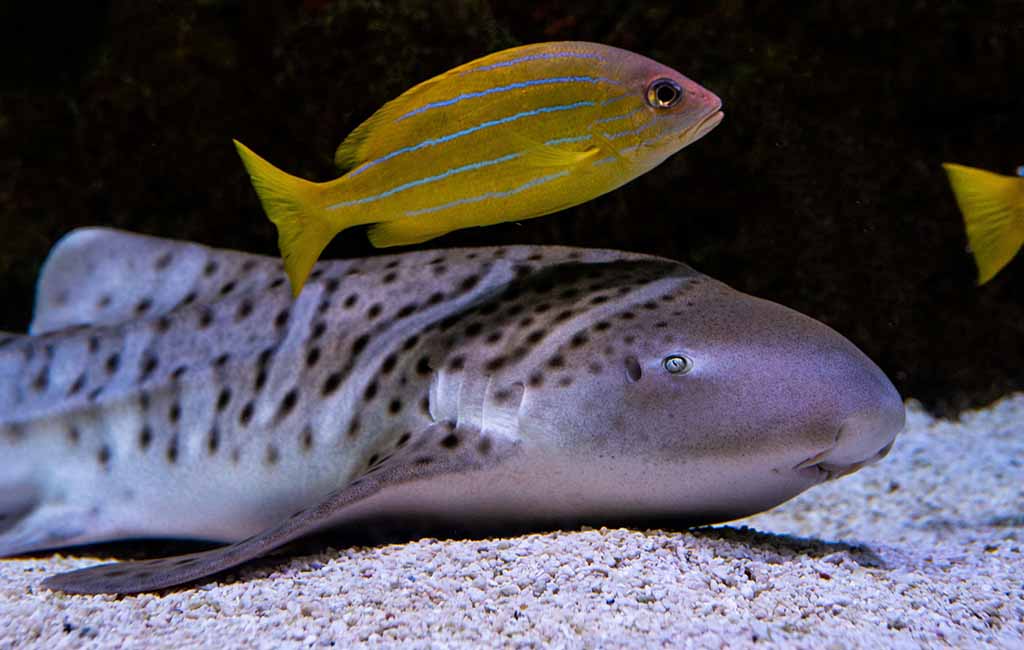
Aquarium Fish Under Stress
Why Does an Aquarium Fish Under Stress
- Water Quality Issues
Poor water parameters represent the most common cause of fish stress, as fish are extremely sensitive to chemical imbalances in their environment. Elevated ammonia, nitrite, or nitrate levels create toxic conditions that damage delicate gill tissue and compromise respiratory function substantially.
Incorrect pH levels outside the species’ preferred range cause physiological stress, affecting metabolic processes and overall organ function throughout the body. Temperature fluctuations exceeding two to three degrees can shock fish systems, while inadequate filtration allows waste products to accumulate rapidly.
- Environmental Stressors
The physical environment within the aquarium significantly impacts fish stress levels, affecting their sense of security and natural behavioral patterns profoundly. Overcrowding creates competition for resources and increases territorial disputes, elevating cortisol levels and suppressing immune system function in vulnerable fish.
Insufficient hiding spots leave fish feeling exposed and vulnerable to perceived threats, triggering constant anxiety and defensive behavioral responses. Bright lighting without shaded areas stresses species that prefer dimmer conditions, while poor tank placement near high-traffic areas causes constant disturbances.
- Biological and Social Factors
Incompatible tank mates create constant tension, as aggressive species bully peaceful fish and cause chronic stress that weakens health over time. Introducing new fish without proper quarantine procedures can transmit diseases that compromise the health of established inhabitants significantly and rapidly.
Overfeeding leads to obesity and water quality degradation, while underfeeding causes malnutrition and weakened immune responses to environmental challenges. Lack of environmental enrichment through plants, decorations, or appropriate substrate creates a sterile environment that fails to stimulate natural behaviors.
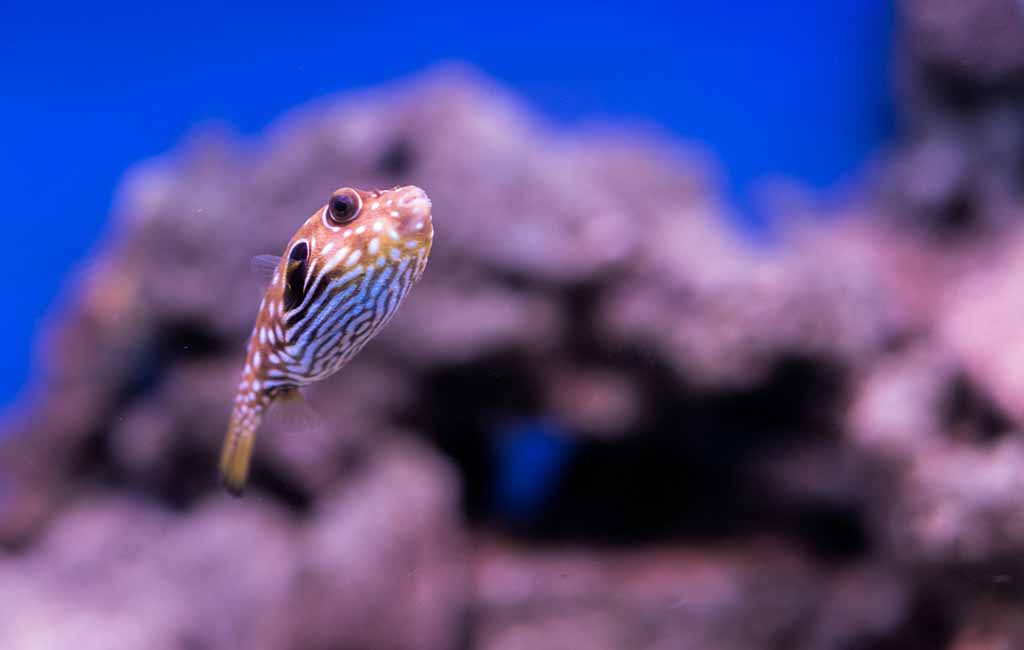
Do Fish Stay Stressed
How Long Do Fish Stay Stressed
1. Acute Stress Duration
Minor fish stress episodes from temporary disturbances like water changes or brief equipment malfunctions typically resolve within 24 to 48 hours. Fish exposed to short-term stressors usually recover completely once normal conditions are restored and environmental stability returns to the aquarium.
However, repeated acute stress events can compound into chronic conditions if underlying problems remain unaddressed by the aquarium keeper consistently. The recovery timeline depends heavily on the fish’s overall health status and the severity of the stressor encountered initially.
2. Chronic Stress Timeline
Long-term exposure to persistent stressors like poor water quality or aggressive tank mates can cause stress lasting weeks or months. Chronic stress progressively weakens the immune system, making fish increasingly susceptible to diseases, parasites, and opportunistic infections that healthy fish resist.
Recovery from chronic stress requires addressing root causes and may take several weeks, even after conditions improve significantly and permanently. Some fish never fully recover from prolonged stress periods, experiencing shortened lifespans and reduced vitality despite environmental improvements implemented later.
3. Species-Specific Variations
Different species exhibit varying stress tolerances and recovery rates based on their evolutionary adaptations and natural habitat requirements throughout their ranges. Hardy species like goldfish and certain barbs may bounce back from stress within days, while sensitive species like discus require weeks.
Young fish generally recover faster than mature adults, though juveniles are also more vulnerable to stress-related mortality in challenging conditions.
Understanding your specific species’ stress tolerance helps set realistic expectations for recovery timelines and appropriate intervention strategies moving forward effectively.
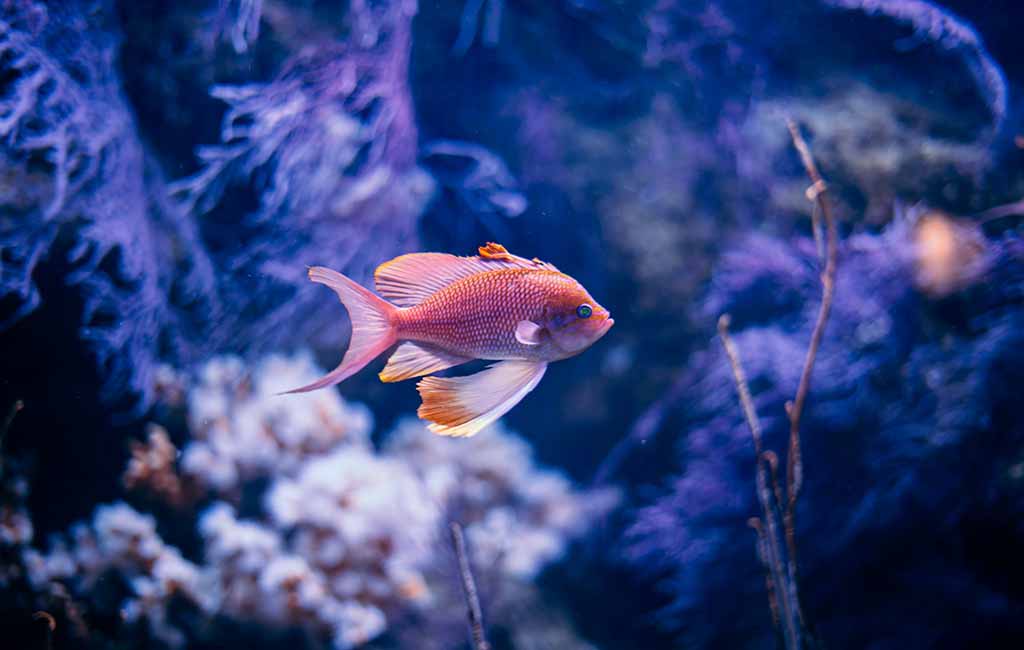
Take care of stressed fish
Take Good Care of Stressed Fish
- Immediate Intervention Steps
When you identify fish stress symptoms, conduct water tests immediately to check ammonia, nitrite, nitrate, pH, and temperature levels comprehensively and accurately. Perform a partial water change of 25 to 30 percent using dechlorinated water matched to the tank’s temperature precisely.
Reduce lighting intensity to create a calmer environment and minimize external disturbances like tapping on glass or loud noises nearby. Temporarily discontinue feeding for twenty-four hours to reduce waste production and allow the fish’s digestive system to rest completely.
- Creating a Recovery Environment
Enhance hiding spots by adding caves, plants, or decorations that provide security and reduce the fish’s sense of vulnerability significantly. Ensure adequate oxygenation through air stones or increased surface agitation, particularly if fish are gasping at the water’s surface repeatedly.
Maintain stable water temperatures using reliable heaters and avoid sudden changes that could shock already compromised fish further unnecessarily. Remove aggressive tank mates temporarily if bullying behavior is observed, placing them in separate quarantine tanks until resolution occurs.
- Medical and Nutritional Support
Consider aquarium salt treatments at appropriate concentrations for freshwater fish to support osmoregulation and reduce pathogen loads in the water. Offer high-quality, easily digestible foods in small amounts once the fish shows interest in eating again after the initial fasting period.
Vitamin supplements added to food can boost immune function and accelerate recovery from stress-related illnesses, affecting overall health and vitality. Monitor fish closely for secondary infections that opportunistically develop when stress compromises natural immune defenses and protective mucus coatings significantly.
Eliminate Stress in Ornamental Fish
How to Eliminate Stress in Ornamental Fish
- Optimizing Water Quality
Establish a consistent maintenance schedule, including weekly partial water changes of twenty to thirty percent to maintain optimal water chemistry parameters. Invest in quality filtration systems appropriately sized for your tank volume and bioload, ensuring biological, mechanical, and chemical filtration capacity.
Test water parameters weekly using reliable test kits, maintaining ammonia and nitrite at zero and nitrates below twenty parts per million. Match water temperature, pH, and hardness to your specific species’ natural habitat requirements for optimal health and minimal environmental stress.
- Tank Setup and Environment
Provide species-appropriate tank sizes, as cramped conditions create unavoidable stress regardless of water quality or other environmental factors present consistently. Research the specific needs of each species, including preferred temperature ranges, pH levels, and social structures, before purchasing and introducing them.
Create naturalistic environments with live plants, driftwood, rocks, and appropriate substrate that mimic the fish’s wild habitat conditions as closely as possible. You need to make sure there is adequate swimming space while providing sufficient cover, balancing openness with security to accommodate different behavioral needs throughout the day.
- Social Dynamics and Stocking
Research compatibility before adding new fish, ensuring similar temperaments, water parameter requirements, and dietary needs align properly and completely consistently. Follow the “one inch of fish per gallon” rule as a general guideline, adjusting for specific species’ activity levels and bioload.
Quarantine new arrivals for two to four weeks in separate tanks to prevent disease transmission to your established, healthy population. Maintain appropriate group sizes for schooling species, as insufficient numbers cause anxiety and unnatural behaviors that compromise their psychological well-being.
fish stress
- Daily Management Practices
Feed appropriate portions that fish can consume within two to three minutes, preventing overfeeding and subsequent water quality degradation issues. Maintain consistent lighting schedules using timers to replicate natural day-night cycles that regulate circadian rhythms and hormonal balance naturally.
Minimize sudden environmental changes, gradually acclimating fish to new conditions over hours or days rather than making abrupt alterations immediately. Observe fish behavior daily during feeding, noting any changes in appetite, swimming patterns, or social interactions that might indicate problems.
Parting Thoughts
Successfully managing aquarium fish stress requires vigilant observation, proactive maintenance, and a thorough understanding of species-specific needs and environmental requirements. By recognizing early warning signs and addressing root causes promptly, you can prevent minor issues from escalating into life-threatening conditions.
Creating a stable, enriched environment with optimal water quality forms the foundation of stress-free fishkeeping and long-term aquarium success. Your commitment to understanding and eliminating stress will reward you with vibrant, healthy fish displaying their full range of natural behaviors.
Related Products



Leave a comment