
Fish rarely live as random individuals, even inside controlled aquarium environments with stable conditions. You may notice certain fish consistently dominating food access, territory, and movement patterns. These behaviors are not accidental and reflect structured social systems developed through evolution. Why fish form hierarchies? A social hierarchy helps fish reduce constant conflict and conserve energy.
Content Table
Understanding fish social hierarchy allows you to manage aggression, stress, and health problems effectively. Let’s learn how fish organize themselves to improve long-term success in aquarium fishkeeping.

Fish Social Hierarchy
Social hierarchy refers to an organized ranking system within a group based on dominance and submission. In fish groups, hierarchy determines access to food, shelter, breeding opportunities, and preferred territories.
Dominant fish usually control resources while subordinate fish adjust their behavior to avoid conflict. This structure reduces continuous fighting and stabilizes group interactions. Fish social hierarchy is shaped by size, strength, age, species traits, and prior social experience. Even peaceful species display subtle hierarchical patterns under observation.
In aquariums, hierarchy becomes more visible due to limited space and resources. Understanding this concept helps you interpret fish behavior accurately rather than mislabeling aggression.
Types of Hierarchies Observed in Fish
Fish hierarchies can be linear, despotic, or loose, depending on the species’ behavior.
- Linear hierarchies involve a clear ranking from the dominant to the weakest individual. Despotic hierarchies involve one dominant fish controlling the entire group aggressively.
- Loose hierarchies exhibit flexible ranks that change according to conditions and group size. Each type influences tank dynamics differently and requires adjusted management strategies.
Recognizing the fish social hierarchy type helps prevent stress-related diseases and injuries.
Why Fish Form Hierarchies
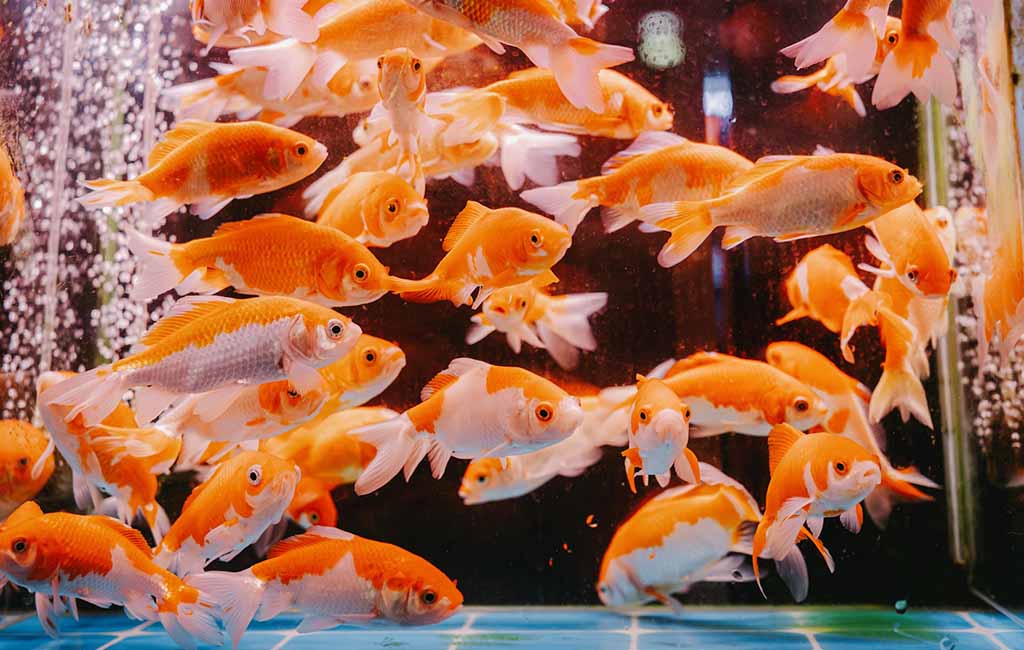
Fish form hierarchies primarily to reduce energy waste caused by constant competition and fighting. Continuous conflict increases injury risk and reduces survival chances in natural environments. Hierarchies establish predictable outcomes during interactions, allowing weaker fish to retreat quickly.
Dominant fish secure resources necessary for growth and reproduction. Subordinate fish gain survival benefits by avoiding fatal confrontations. This system increases overall group stability and evolutionary success.
Formation of Hierarchies in Fish Groups
Hierarchy formation usually begins during early group establishment or after environmental changes. Fish assess each other through displays, chasing, coloration changes, and posture. Initial encounters determine relative strength and dominance potential.
Once established, ranks stabilize unless disrupted by size changes or new additions. In aquariums, hierarchy forms quickly due to confined spaces. New fish introductions often trigger temporary aggression as ranks are reassessed. Understanding this process helps you manage stocking and introductions carefully.
Maintenance of Fish Hierarchies
Fish maintain hierarchy through repeated non-lethal interactions and visual signals. Dominant fish display aggression through chasing, fin flaring, or color intensification. Subordinate fish respond by retreating, hiding, or reducing activity.
These behaviors reinforce ranking without constant physical combat. Environmental structure, such as hiding spaces, supports hierarchy stability. Poor tank design disrupts hierarchy and increases stress levels across the group. Stable environments support predictable social order and healthier fish.

What Is the Social Structure of Aquarium Fish Hierarchy
Aquarium fish hierarchy differs from wild systems due to space limitations and artificial conditions. Tanks restrict territory size, forcing fish into closer interactions. This intensifies dominance displays and increases stress if poorly managed.
Aquarium hierarchy usually centers around feeding zones, shelters, and breeding sites. Dominant fish often patrol central areas and control prime locations. Subordinate fish occupy peripheral zones or remain hidden frequently. This spatial organization reflects social ranking clearly.
Role of Tank Size and Layout
Tank size plays a critical role in shaping social hierarchy outcomes. Small tanks amplify aggression by limiting escape routes and territory boundaries. Larger tanks allow subordinate fish to establish separate zones. Strategic placement of plants, rocks, and decorations breaks the line of sight. This reduces dominance pressure and promotes balanced interactions.
Proper layout helps distribute aggression and supports hierarchy stability. Ignoring layout often results in chronic stress and injuries.
Impact of Resource Distribution
Resource distribution directly affects hierarchy intensity in aquarium settings. Limited food access increases competition and strengthens dominance behaviors. Uneven shelter availability creates conflict over hiding spots.
If you provide multiple feeding areas that reduces monopolization by dominant fish. Spreading shelters evenly allows subordinates refuge from aggression. Balanced resource distribution promotes healthier hierarchy dynamics. You should design tanks to reduce extreme dominance pressure.
How Fish Social Hierarchy Affects Fish Keeping
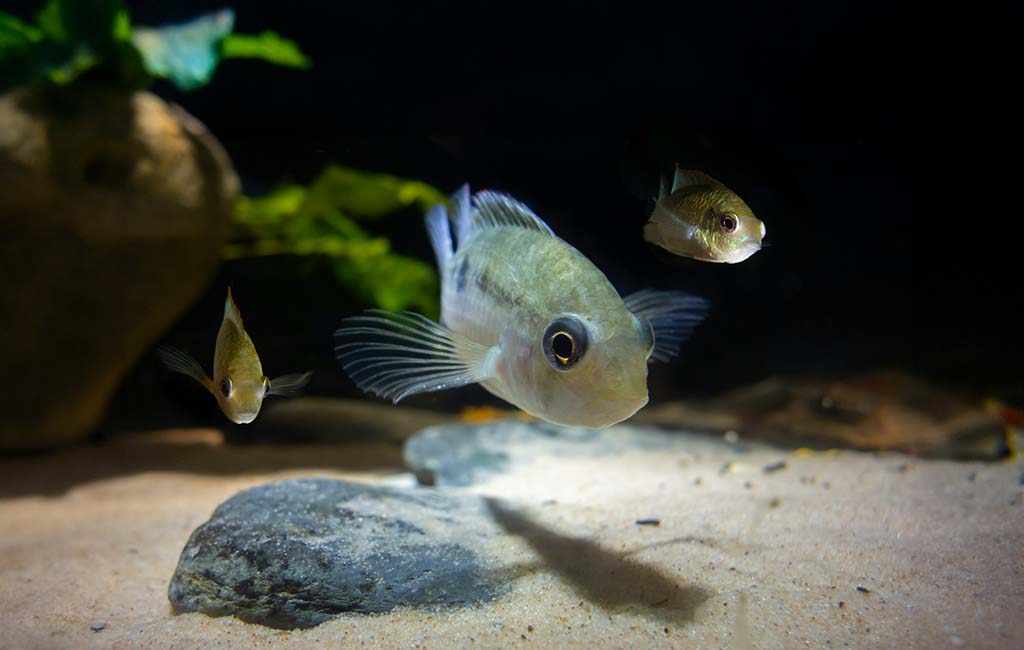
Understanding fish social hierarchy significantly improves fish-keeping outcomes and long-term success. Hierarchy influences feeding behavior, growth rates, coloration, and disease resistance. Dominant fish often grow faster due to better resource access.
Subordinate fish may show stunted growth and weaker immune responses. Chronic stress suppresses immunity and increases disease susceptibility. Recognizing these effects helps you intervene appropriately.
1. Managing Aggression Through Stocking Choices
Proper stocking decisions reduce harmful hierarchy outcomes significantly. Keeping correct group sizes prevents single fish from becoming extreme bullies. Some species require groups to distribute aggression evenly.
Others require pairs or solitary housing to avoid conflict. Mixing incompatible species often disrupts social balance. Researching species-specific hierarchy behavior prevents common mistakes. Informed stocking creates stable and peaceful aquariums.
2. Feeding Strategies for Hierarchical Fish Groups
Feeding practices strongly influence hierarchy-related stress and competition. Single feeding points allow dominant fish to monopolize food. Multiple feeding locations reduce aggressive guarding behavior. Sinking and floating foods help different species access nutrition.
Feeding smaller amounts multiple times reduces intense competition. Proper feeding strategies ensure subordinate fish receive adequate nutrition consistently. Balanced feeding supports uniform growth and health.
3. Stress Reduction and Health Management
Hierarchy-related stress manifests through hiding, fin damage, color fading, and disease outbreaks. You should monitor subordinate fish closely for chronic stress signs. Adding hiding spaces reduces visual contact with dominant fish.
Rearranging decorations temporarily disrupts established dominance patterns. Removing overly aggressive individuals may become necessary. Stress management is essential for maintaining long-term fish health. Healthy hierarchy management reduces medication dependence.

Which Aquarium Fish Have a Social Hierarchy
Many popular aquarium fish exhibit clear social hierarchies influenced by species behavior. Understanding species-specific tendencies helps prevent conflicts.
1. Cichlids and Strong Hierarchical Systems
Cichlids are well known for complex and rigid social hierarchies. Dominant cichlids aggressively control territory and breeding sites. Subordinate individuals display submissive coloration and behaviors. Group dynamics change rapidly with size and maturity. Large tanks and structured environments are essential for cichlid keeping. Without hierarchy management, aggression becomes severe.
2. Gouramis and Labyrinth Fish
Gouramis establish hierarchies based on size, sex, and temperament. Males often dominate feeding and territory spaces. Visual displays play a major role in maintaining rank. Dense planting reduces aggressive encounters significantly. Proper group composition prevents constant harassment.
3. Tetras, Barbs, and Schooling Fish
Schooling fish exhibit subtle hierarchies within groups. Dominance affects feeding order and positioning during swimming. Larger schools distribute hierarchy pressure evenly. Small groups increase bullying behavior unexpectedly. Adequate group sizes are critical for schooling species. Proper numbers create natural behavior and reduce stress.
4. Livebearers and Social Ranking
Livebearers such as guppies and mollies show social ranking influenced by size and sex. Dominant males chase subordinates frequently during mating attempts. Females also establish dominance during feeding. Balanced sex ratios reduce excessive aggression. Providing plant cover helps manage social pressure.
5. Catfish and Bottom Dwellers
Some catfish species form loose hierarchies around hiding spots. Dominant individuals control preferred shelters. Multiple caves prevent competition and stress. Night activity patterns reduce visible aggression. Understanding bottom dwelling hierarchy improves tank harmony.

Closing Remarks
Fish social hierarchy is a natural system that shapes behavior, health, and survival within groups. Ignoring hierarchy often leads to stress, aggression, and disease problems in aquariums. Understanding how hierarchies form and function improves fishkeeping decisions significantly.
Proper tank design, stocking, and feeding reduce negative hierarchy effects. Learning species-specific behavior allows you to create balanced aquatic environments. When managed correctly, social hierarchy supports stable, healthy, and visually engaging aquarium communities.
Related Products





Leave a comment