
Keeping ornamental fish healthy requires consistent care, stable water quality, and careful daily observation habits. Many aquarium owners notice fungi fish diseases suddenly, even when tanks appear visually clean and balanced. These problems often begin slowly, triggered by stress, weak immunity, or unstable tank conditions. Fungi and algae naturally exist in aquariums, yet uncontrolled growth creates serious health risks such as fish diseases caused by algae.
Content Table
You should understand how these organisms affect fish growth, immunity, and long-term survival. Learning early signs and prevention steps helps you protect fish before infections spread across the tank.

fungi fish disease
Common Fish Diseases Caused by Different Factors
Aquarium fish diseases originate from multiple sources, including parasites, bacteria, viruses, fungi, and algae present in tank environments. Each disease factor affects fish health differently, depending on water conditions, stress levels, and immune strength.
Poor tank maintenance allows harmful organisms to multiply and attack vulnerable fish gradually. Identifying the root cause of fish disease helps you choose the correct prevention and management strategies early.
Diseases Caused by Parasites
Parasitic infections are widespread in ornamental aquariums, especially when quarantine practices are ignored. Ich is the most recognized parasitic disease, appearing as white salt-like spots on fish bodies.
Parasites damage fish skin and gills, causing irritation, stress, and breathing difficulty. Infected fish often rub against tank decorations to relieve discomfort. Fin rot and tail rot may begin when parasites create small wounds along fin edges.
These wounds allow bacteria and fungi to invade damaged tissue easily. Parasitic diseases spread rapidly in overcrowded tanks with poor water quality. Early detection and treatment prevent secondary infections and long-term losses.
Diseases Caused by Bacteria
Bacterial infections often develop after prolonged stress, injuries, or declining water quality conditions. Common symptoms include frayed fins, red sores, cloudy eyes, and bloated abdomens. Harmful bacteria thrive in tanks with excess waste, decaying food, and weak filtration systems.
Fish suffering from bacterial infections become lethargic and lose their appetite gradually. Some bacterial diseases affect internal organs without showing visible external symptoms. Untreated bacterial outbreaks can spread quickly and wipe out entire aquariums. Clean water and stable conditions significantly reduce bacterial disease risks.
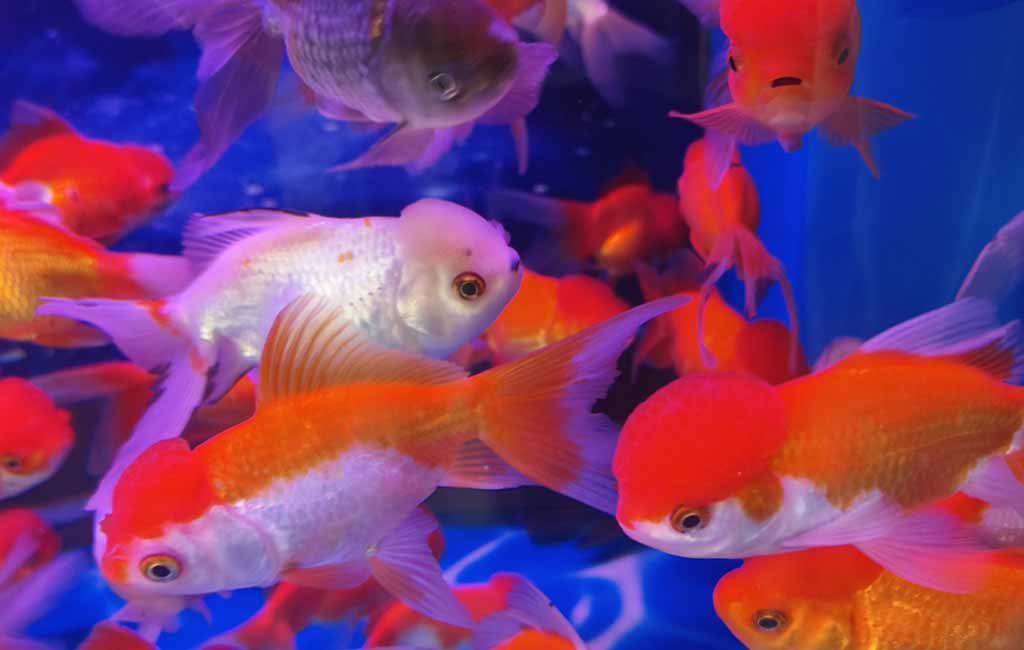
Fish Diseases Caused by Fungi and Algae
Diseases Caused by Viruses
Viral diseases are less common but extremely destructive once introduced into aquariums. Viruses weaken fish’s immune systems and disrupt normal growth and body functions. Symptoms may include abnormal swimming, body deformities, swelling, or sudden, unexplained deaths. Viral infections often spread silently without early visible warning signs.
There are no effective medications available to cure viral fish diseases. Prevention through strict quarantine remains the most reliable defense against viral outbreaks. Avoiding introduction is far safer than attempting control later.
Diseases Caused by Fungi and Algae
Fungal and algal problems usually appear when aquariums remain dirty, stressed, or biologically unbalanced. These organisms are opportunistic and target fish with weakened immune systems. Understanding their behavior helps you prevent long-term damage effectively.
Fish Diseases Caused by Fungi and Algae
Fungi and algae affect ornamental fish health differently, yet both interfere with growth, immunity, and survival.
Common Fungal Diseases in Ornamental Fish
Fungal infections often appear as cotton-like white or gray growths on fish skin, fins, or mouths. Saprolegnia is the most common fungal infection affecting ornamental aquarium fish. It usually attacks damaged tissue caused by injuries, parasite bites, or previous infections. Fungal spores exist naturally in water and grow when conditions become favorable.
Poor water quality, low temperatures, and stress increase fungal outbreak risks significantly. Infected fish may isolate themselves and show reduced feeding behavior. Fungal growth interferes with oxygen exchange through skin and gill surfaces. This increases stress levels and weakens fish energy reserves. Without timely intervention, fungal infections spread to healthy tissue areas.
Effects of Fungal Infections on Fish Growth
Fungal infections slow fish growth by diverting energy toward immune defense mechanisms. Affected fish struggle to absorb oxygen efficiently due to damaged skin surfaces. Increased stress hormones suppress appetite and reduce nutrient absorption efficiency.
Juvenile fish experience stunted growth more severely than adult fish. Prolonged fungal exposure weakens muscles and reduces overall vitality. Recovery becomes slower when infections persist for extended periods. Healthy growth requires early fungal management and stable tank conditions.
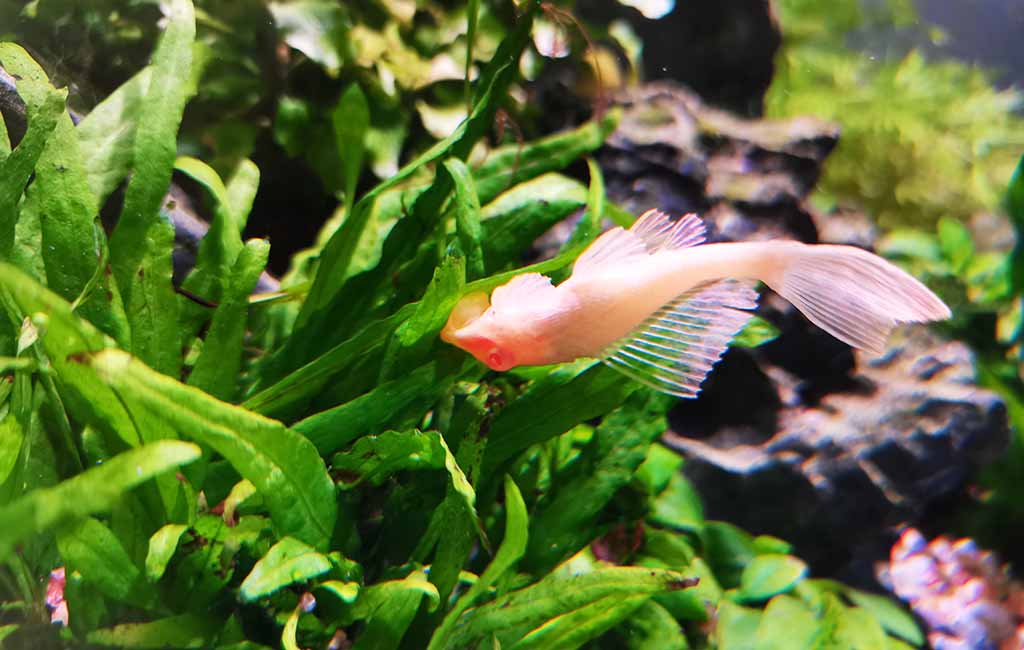
fish diseases caused by algae
Algae-Related Health Problems in Fish
Algae does not infect fish tissue directly but creates harmful environmental conditions inside aquariums. Excess algae growth reduces dissolved oxygen levels, especially during nighttime hours. Blue-green algae, also known as cyanobacteria, release toxins into aquarium water. These toxins irritate gills and damage internal organs gradually.
Fish exposed to algae toxins often show lethargy and labored breathing. Some fish may gasp near the water surface frequently. Algae blooms usually indicate excess nutrients and poor water circulation issues.
How Algae Affects Fish Growth Separately
Heavy algae growth competes with fish for oxygen during dark periods. Reduced oxygen availability slows metabolism and digestion efficiency significantly. Algae traps waste and debris, increasing harmful bacterial populations.
Fish living in algae-covered environments experience constant environmental stress. Chronic stress suppresses immunity and disrupts normal growth processes. Long-term algae exposure results in dull coloration and frequent disease outbreaks.
How to Prevent Aquarium Fish from Infections by Fungi and Algae
Effective prevention relies on stable water conditions, proper maintenance routines, and consistent observation habits.
1. Maintain Stable Water Quality
Stable water quality forms the foundation of fish disease prevention. You should test ammonia, nitrite, nitrate, and pH levels weekly. Sudden parameter changes weaken fish immunity and promote fungal growth.
Perform regular partial water changes to remove spores and excess nutrients. Avoid over-cleaning filters to preserve beneficial bacteria populations. Balanced biological filtration prevents harmful organism overgrowth naturally.
2. Control Feeding and Waste Accumulation
Overfeeding remains a primary cause of fungal and algal problems in aquariums. Uneaten food decomposes and releases nutrients that fuel unwanted growth.
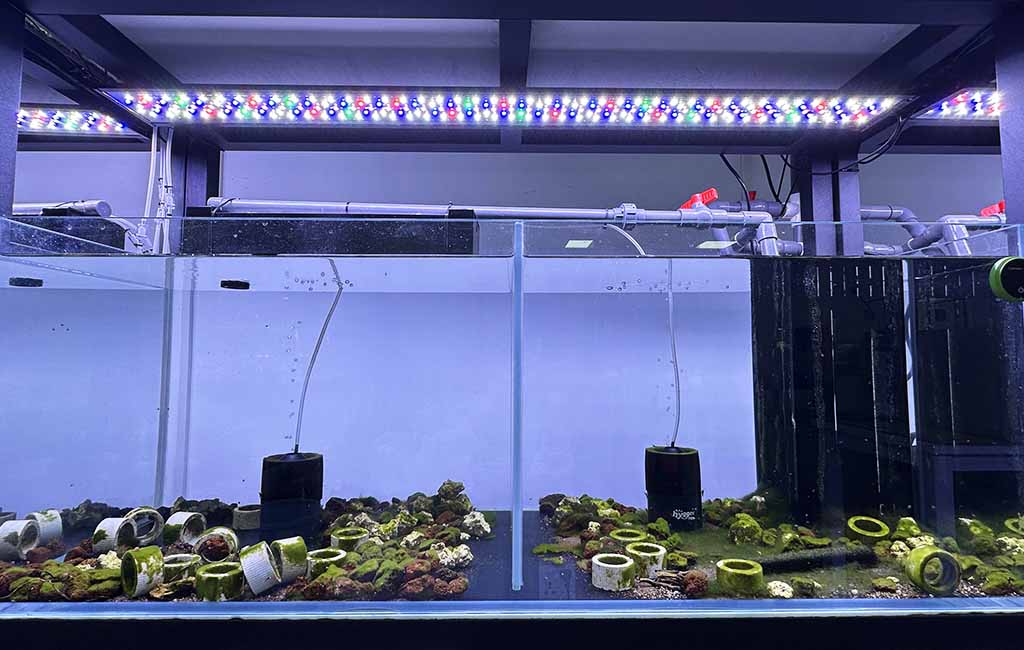
Reduce Stress and Overcrowding
Feed only what fish can consume within two to three minutes. Remove leftover food promptly to maintain clean water conditions. Controlled feeding improves water clarity and fish health.
3. Proper Filtration and Water Movement
Adequate filtration removes debris and prevents stagnant water zones. Stagnant areas allow fungi and algae to establish easily.
Strong water movement improves oxygen distribution throughout the aquarium. Clean filters regularly without disturbing beneficial bacteria colonies. Efficient filtration supports stable environments and healthy growth.
4. Manage Lighting to Control Algae
Lighting duration directly influences algae growth inside aquariums. Limit lighting to eight or ten hours daily for consistency. Avoid placing tanks near direct sunlight exposure. Use timers to maintain stable lighting schedules. Proper lighting balance reduces algae growth without stressing fish.
5. Reduce Stress and Overcrowding
Overcrowding increases waste production and stress levels significantly. Stress weakens the immune system and encourages disease development. Provide adequate tank size based on fish species requirements. Avoid aggressive tank mates that cause constant stress. Calm environments support stronger immunity and steady growth.
6. Quarantine New Fish and Plants
Always quarantine new fish before introducing them into established aquariums. Quarantine tanks prevent hidden fungal or algal problems from spreading. Observe new fish closely for abnormal behavior or visible growths. Treat issues during quarantine before tank introduction. Quarantining plants also prevents algae transfer.
7. Daily Observation and Early Detection
Daily observation allows early detection of health problems. Watch for changes in swimming patterns, feeding behavior, or coloration. Check fish bodies for spots, patches, or unusual growths. Early action prevents infections from spreading across the aquarium. Consistent monitoring saves fish lives and reduces losses.
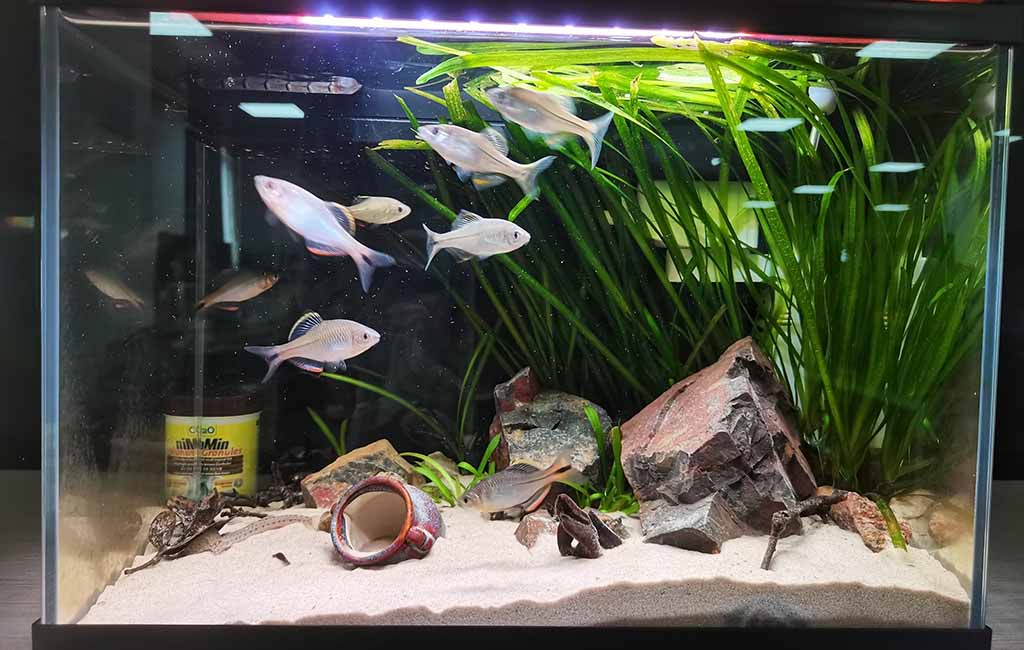
Prevent Fish from Infections by Fungi and Algae
Prevention Comes Sooner Than Treatment
Prevention is always safer and more effective than treating advanced infections. Treatments often stress fish and disrupt biological balance. Medications may harm beneficial bacteria and sensitive species. You should focus on consistent routines rather than emergency solutions. Small daily actions create strong long-term disease resistance. Healthy aquariums rarely experience severe fungal or algal outbreaks.
A Call to Action
You should review your aquarium care routine and strengthen weak areas immediately. Test water regularly, adjust feeding habits, and manage algae growth consistently. Observe fish daily and respond early to visible changes. Start prevention today to protect fish from fungal and algal diseases. Healthy aquariums reward you with vibrant, active, and long-lived ornamental fish.
Related Products

Leave a comment