
Low-temperature aquatic plants are unique and give a different vibe than the tropical plants. Instead of tropical plants, they offer you the freedom to go even below 72°F. However, you need to learn about the temperature baseline, plant section, and some of the best aquatic plants that resist low temperatures.
It requires avoiding some common mistakes that beginners usually make while growing aquatic plants that resist low temperatures. All of these points are discussed in the following with some recommendations. Scroll down and learn about them.
Content Table
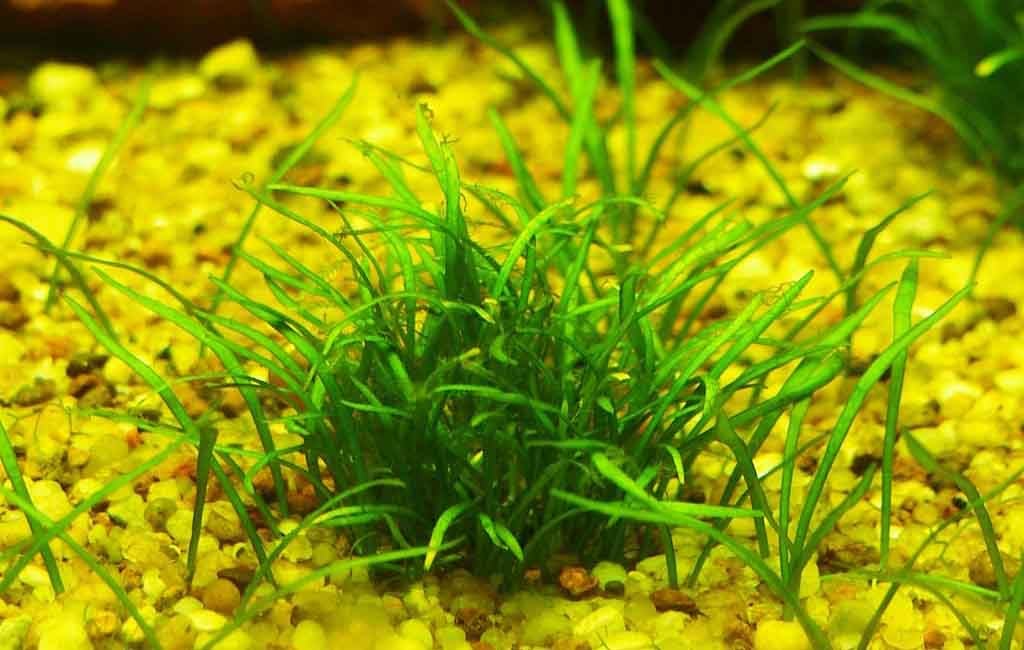
Aquatic plants resist low temperatures
Low Temperature Plants for Aquarium
Low temperature plants are such plants that can grow, photosynthesize, and survive below the normal temperature range, i.e., 72–82°F. These plants are native to cold water streams, lakes, and ponds of the following regions.
- North America
- Europe
- Northern Asia
- Cold parts of Australia
All of these regions are places where the temperature suddenly drops in winter, and the water temperature also decreases. Being native plants, they have adapted to this drop and evolved according to these conditions. Normal tropical plants usually lose their strength at or below 68°F. On the contrary, these plants survive by slowing their metabolism.
How Low a Temperature Can Special Plant Species Tolerate
There is no single temperature value that can generalize for all plants. Each plant has its own tendency to bear low temperatures. Some plant species begin to experience problems at 65°F, while some plants can grow even at less than that temperature. Here is a table about how different special plant species tolerate temperature differences.
| Plant Name | Minimum Temp (°F) | Ideal Range (°F) | Difficulty |
| Anubias barteri | 60°F | 60–82°F | Easy |
| Java Moss (Taxiphyllum barbieri) | 59°F | 59–82°F | Easy |
| Vallisneria spiralis | 59°F | 59–86°F | Easy |
| Hornwort (Ceratophyllum demersum) | 50°F | 59–86°F | Easy |
| Elodea canadensis | 39°F | 50–72°F | Easy |
| Salvinia natans | 60°F | 64–86°F | Easy |
| Bacopa caroliniana | 59°F | 59–82°F | Medium |
| Rotala rotundifolia | 62°F | 62–82°F | Medium |
| Water Sprite (Ceratopteris thalictroides) | 64°F | 64–82°F | Medium |
| Sagittaria subulata | 60°F | 60–82°F | Easy |
Most commercial low-temperature aquatic plants survive between 59 to 64°F. Some aquatic plants, e.g., Elodea canadensis, can even survive at freezing temperatures by dormancy.
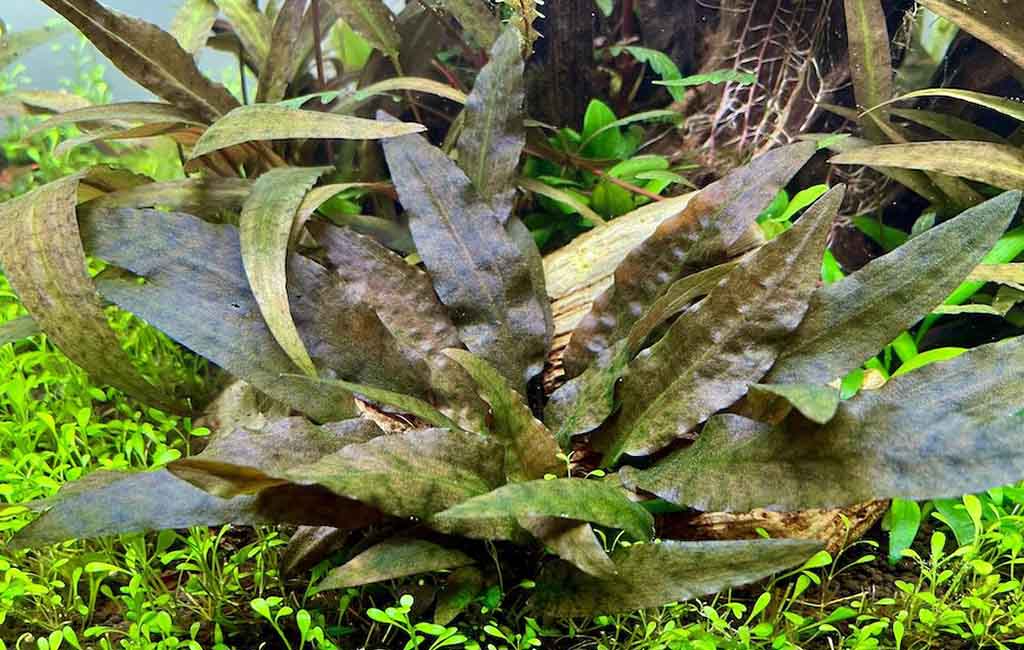
Choosing Low-Temperature Plants
Selection of Aquatic Plants That Can Survive at Low Temperatures
In the aquarium, several plants survive at low temperatures. These plants do not belong to a single type, but several plant types fall under this category. Here are some different category plants.
| Plant Type | Plant Name | Min. Temp (°F) | Key Characteristics |
| Floating Plants | Salvinia natans (European floating fern) | 53.6 | Multiplies quickly and shades the tank. |
| Lemna minor (Common Duckweed) | 43 | Incredibly resilient; acts as a nutrient sponge. | |
| Azolla caroliniana (Mosquito fern) | 59 | Tiny floating fern. | |
| Stem Plants | Elodea canadensis (Canadian Pondweed) | Near-freezing | Hardiest aquatic stem plant; thrives in cold streams. |
| Hornwort (Ceratophyllum demersum) | 28 | Stemless, rootless; tolerates low-light, cool conditions. | |
| Bacopa caroliniana | 39 (with several conditions) | North American native; has lemon-mint scent. | |
| Rotala rotundifolia | 60 (Recommended Minimum) | Adapts to cooler tanks; red coloration fades below 65°F. | |
| Rosette and Grass-Like Plants | Vallisneria spiralis | 41 (Absolute minimum) | Long ribbon-like leaves; most cold-tolerant grassy plant. |
| Sagittaria subulata (Dwarf Sagittaria) | 50 (minimum for survival) | Compact foreground plant; stands up to plant-nibbling fish. | |
| Rhizome Plants | Anubias barteri | 50 (Absolute minimum) | Broad, leathery leaves; resists cold and low light. |
| Java Fern (Microsorum pteropus) | 60 (Minimum with some growth) | Comfortable at 59°F; attach to driftwood or rocks. |
Aquarium Best Low-Temperature Plants
These are some of the best low-temperature aquarium plants.
| Common Name | Scientific Name | Ideal Minimum Temperature Range | Ideal Growth Conditions |
| Foreground and Carpet | |||
| Java Moss | Taxiphyllum barbieri | 59–68°F | Low to medium light |
| Keep water clean to avoid algae buildup | |||
| Tolerates low-tech tanks | |||
| Attach to rocks/driftwood | |||
| No CO₂ required | |||
| Dwarf Chain Sword | Sagittaria subulata | 64–68°F | Moderate light preferred |
| Suitable for low-tech tanks | |||
| Spreads by runners | |||
| Root tabs helpful | |||
| nutrient-rich substrate | |||
| Cryptocoryne wendtii | Cryptocoryne wendtii | 68–72°F | Stable water conditions |
| Nutrient-rich substrate | |||
| Avoid frequent moving because it may cause “crypt melt” | |||
| Low to medium light | |||
| Midground and Rhizome Plants | |||
| Anubias | Anubias barteri, Anubias nana | Around 70°F | Low light |
| No CO₂ required | |||
| Do not bury the rhizome | |||
| Attach the rhizome to the rock or wood | |||
| Slow-growing and hardy | |||
| Java Fern | Microsorum pteropus | 64–68°F | Low to medium light |
| No CO₂ required | |||
| Attach the rhizome to the hardscape | |||
| Avoid burying the rhizome | |||
| Good for beginner tanks | |||
| Bucephalandra | Bucephalandra sp. | 68–72°F | Attach to rocks or driftwood |
| Low to medium light | |||
| Benefits from clean water and gentle flow | |||
| Stable water preferred | |||
| Slow-growing | |||
| Background and Stem Plants | |||
| Hornwort | Ceratophyllum demersum | 50–59°F | Can float or be planted loosely |
| Fast-growing | |||
| Absorbs nutrients quickly | |||
| Good for coldwater and low-tech tanks | |||
| Low to medium light | |||
| Lemon Bacopa | Bacopa caroliniana | 60–68°F | Trim regularly to keep bushy growth |
| Medium light | |||
| Nutrient-rich substrate helpful | |||
| Grow without CO₂ | |||
| Vallisneria | Vallisneria sp. | 60–68°F | Good for background planting |
| Spreads by runners | |||
| Root-feeding plant | |||
| Nutrient-rich substrate or root tabs | |||
| Medium light | |||
| Anacharis / Elodea | Egeria densa / Elodea densa | 50–64°F | Low to medium light |
| Prefers cooler water below 77°F | |||
| can float or be planted | |||
| Fast-growing and good for nutrient control | |||
| Ludwigia Repens | Ludwigia repens | 64–68°F | Medium to high light for a stronger red color |
| Nutrient-rich water/substrate | |||
| CO₂ is optional but improves growth and color | |||
| Floating Plants | |||
| Duckweed | Lemna minor | 50–59°F | Floats on the surface |
| Low to medium light | |||
| Removes excess nutrients | |||
| Grows very fast | |||
| Needs regular thinning | |||
| Salvinia | Salvinia sp. | 60–68°F | Floating plant |
| Medium light | |||
| Calm surface water | |||
| Remove excess growth regularly | |||
| Avoid strong current | |||
| Keep top leaves dry | |||
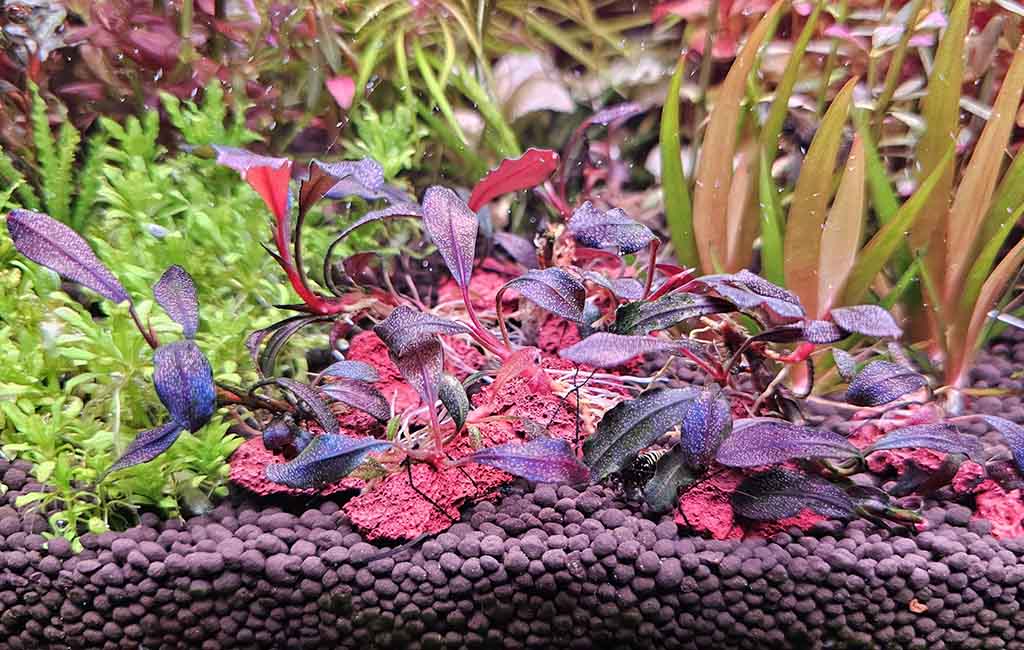
low-temperature plant
What to Avoid When Choosing Low-Temperature Plants for Your Tank
It is necessary to set up your tank correctly. Anything out of the standard can cause problems. Selecting the wrong plant can cause melting, resulting in an ammonia spike that can harm your fish. Here is a list of mistakes that aquarists usually make when setting up a cold water tank and selecting the right plant.
Adding Tropical Plant to Coldwater Tank
Sometimes, aquarists add tropical plants that require a minimum of 72°F for optimal growth. Below this optimal temperature, they begin to melt and cause water pollution in the tank.
Imbalance While Specie Selection
In low-temperature aquatic plants, there are some species that grow faster than regular plants. If you mix them with regular plants, they will overpower them and create an imbalance in the tank.
Negligence in Lighting
Plants require light for the photosynthesis process. If you select the correct plant and maintain the balance, but neglect the optimal lighting, it will decrease the growth rate.
Planting Rhizomes Too Deep
Some low-temperature aquatic plants, like Java fern and anubias rhizomes, are sensitive to being buried in substrate. If their rhizomes are buried in substrate, they die. Therefore, always do research about your selected plant. Whether it is required to bury the rhizome or tie its rhizomes with some rock or hardscape.
Negligence in CO2 and Fertilization
Coldwater plants, although they don’t require a heavy CO2 supply. However, a proper nutrient dose in the form of root tabs or liquid fertilization is necessary.
Growing Invasive Species
Various coldwater plants are considered invasive. Therefore, don’t grow in your cold water tank. It will suppress the other plants and overpower your tank.
Drastic temperature Change
A sudden water change can cause a melting problem in even cold water tanks. Therefore, always add water to the tank after proper temperature stabilization while performing water changes.
Don’t Hurry
Always be patient with coldwater plants, especially when they are added to a new tank. Initially, you can see the melting. So don’t panic while watching the melting. Give some time. Things will be fine. If you don’t see the changes, you can change the water.
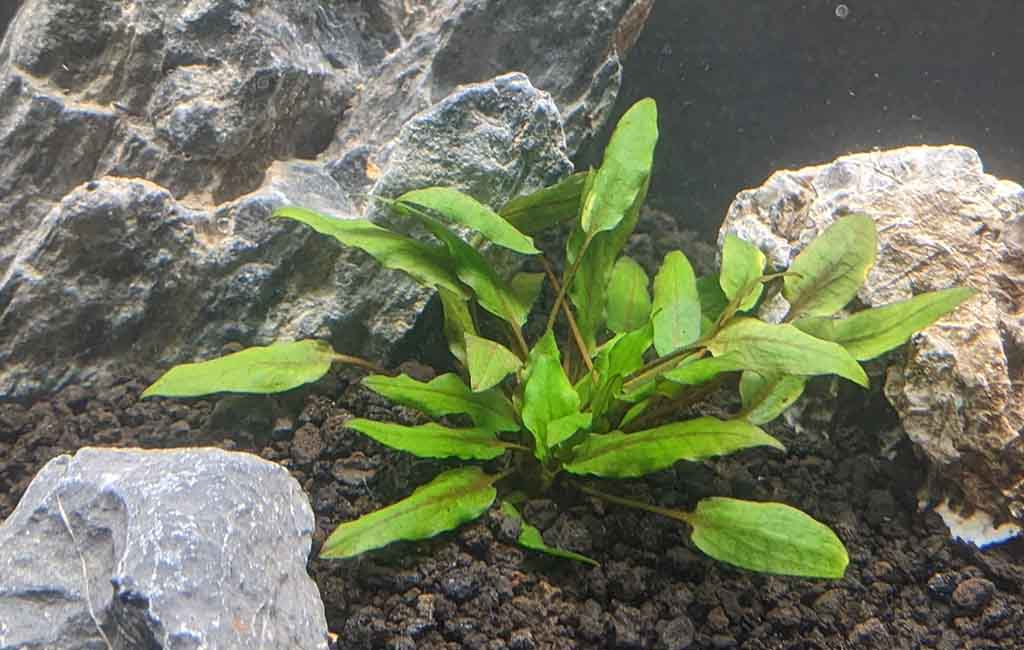
Best Low-Temperature Plants
Recommendations for Action
Coldwater plants are beautiful and bring variety to your tank, other than regular tropical plants. The key to success with these plants is to move strategically. Here are some short recommendations for successful low-temperature plant growth in your tank.
- Know the temperature baseline of your selected plant. Adjust your tank according to plant temperature, at least 48 hours before introduction.
- Start with the hardy plants at first. After some experience, grow sensitive plants.
- Select plants according to the fish companions.
- Use root tabs for rooted plants.
- Regularly check the water temperature and avoid temperature shock.
- Always be patient with plants as they take some time to adjust to the tank.
Related Products

Leave a comment