
So you set up your aquarium. The tank looks decent. Maybe a few fish swimming around, some gravel at the bottom, and that plastic castle decoration you told yourself was temporary. But something feels off. It feels a little bare. A little lifeless. That is where floating plants come in, and honestly, once you add them, you will wonder how you ever kept a tank without them. They are not just pretty. They actually do a lot of quiet, behind-the-scenes work that makes your whole aquatic setup better.
Content Table
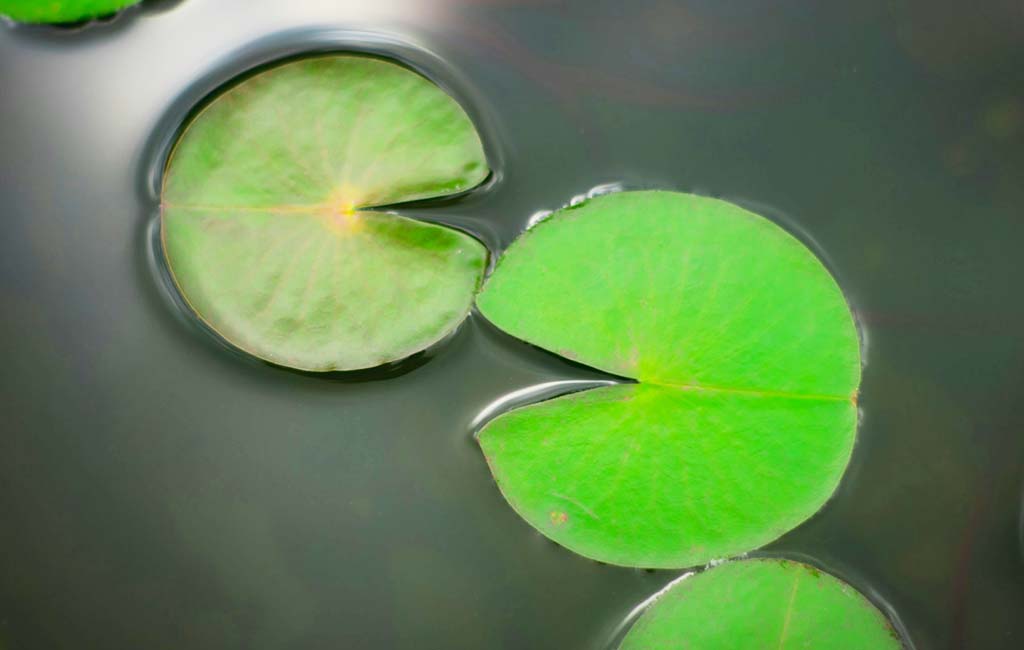
floating plants
Are Floating Plants Good for an Aquarium?
Short answer: yes. Long answer: absolutely yes, and here is why.
Floating plants sit at the water surface and pull double duty in ways that most beginner fishkeepers do not expect. They are not decorations. Well, they are, but that is almost a side effect of everything else they are doing.
Here is what floating plants actually do inside your tank:
- Natural filtration: Floating plants absorb nitrates and ammonia directly from the water. These compounds build up from fish waste and uneaten food, and too much of them can stress or kill fish. Floating plants basically eat that problem.
- Algae control: When floating plants soak up excess nutrients, they starve out algae. Less algae on your glass. Less green water. It is a genuinely satisfying side effect.
- Shade and shelter: Fish, especially shy or stressed ones, feel safer when there is cover overhead. Floating plants recreate that natural shaded environment. Bettas, in particular, love this. They build bubble nests right up in the roots.
- Oxygenation: Through photosynthesis, floating plants release oxygen into the water. Better oxygen levels mean healthier, more active fish.
- Fry protection: If you are breeding fish, floating plant roots serve as hiding spots for baby fish trying to avoid being eaten. Nature is brutal, and floating plants offer a small refuge.
So no, they are not just for looks. They are working around the clock.
How Do Floating Plants Reproduce?
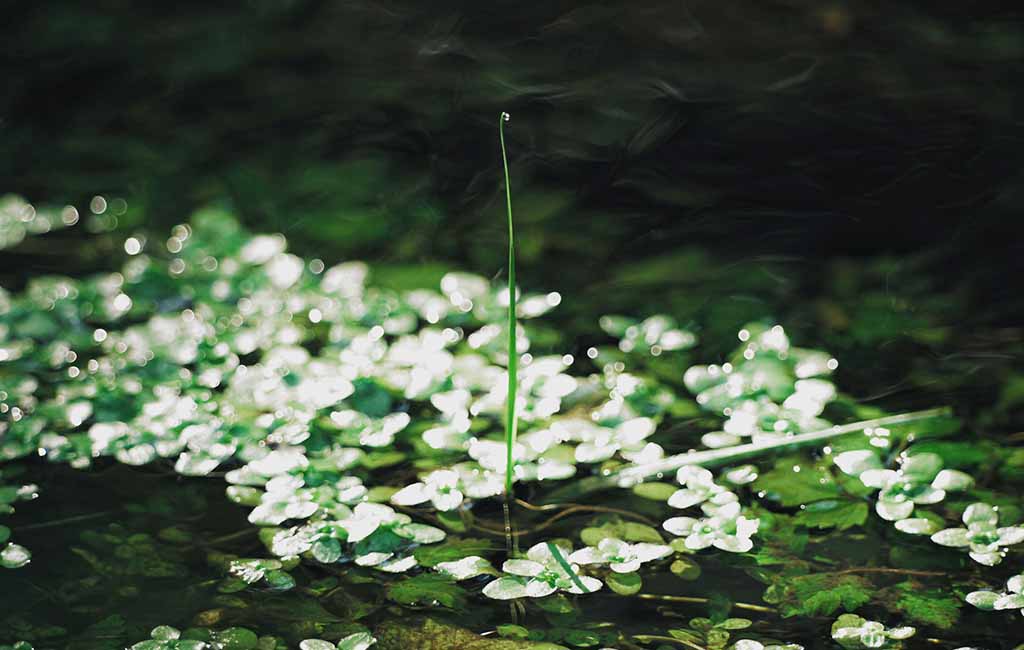
This is one of those things that genuinely surprises people. You buy a small handful of floating plants, and within a few weeks, you have what feels like an invasion. That is because most floating plants reproduce fast. Really fast.
The most common method is vegetative reproduction, which basically means the plant splits off daughter plants from its own body. No seeds, no pollination needed. The mother plant grows runners or side shoots, and those break off and become independent plants.
Take duckweed as an example. One tiny leaf pad divides into two. Then those two become four. Then four become eight. In warm, nutrient-rich water, a colony of duckweed can double in size every couple of days. Some studies have measured doubling times as short as 16 hours under ideal conditions.
Floating Plants Reproduce
Water lettuce and water hyacinth do something similar by sending out horizontal stolons (think of them like above-water runners) that produce new rosettes. Amazon frogbit grows side shoots along the water surface that eventually detach.
What this means practically is:
- You will need to thin out your floating plants regularly
- Removing a portion weekly keeps the population manageable
- Removed plants can be composted or given to other hobbyists
- Never dump them in natural waterways. Several floating plant species are considered invasive in certain regions and can choke out native ecosystems.
What Lighting Do Floating Plants Need?
This question comes up a lot. And the answer matters because floating plants are not all the same when it comes to light requirements.
Do aquarium floating plants need sunlight?
They do not strictly need direct sunlight, but they do need adequate light to photosynthesize. In an outdoor pond, natural sunlight handles this automatically. Inside an aquarium, you are providing that light yourself.
Here is what you need to know:
Light Intensity
Most floating plants prefer moderate to high light. Something in the range of 30 to 50 PAR (photosynthetically active radiation) at the water surface is usually enough. Species like duckweed and frogbit are more forgiving and can survive in lower light. Water hyacinth and water lettuce want more.
Light Duration
Aim for 10 to 12 hours of light per day. A simple timer on your aquarium light handles this without you having to think about it.
A Problem Worth Knowing
Here is a thing that catches people off guard. Floating plants sit right at the top of the tank. They intercept a lot of the light before it reaches your submerged plants below. If you have carpeting plants or low-light stem plants underneath, too much floating plant coverage can actually starve them of light. The fix is simple: do not let floating plants cover more than 50 percent of your water surface.
Also, floating plants do not love strong water agitation. Powerful surface filters or strong air stones push them around constantly and stress them out. A calmer surface suits them better.
What Lighting Do Floating Plants Need
Some Easy Floating Plants for Beginners
If you are just starting, go with something forgiving. These plants are hard to kill and grow well in a wide range of conditions.
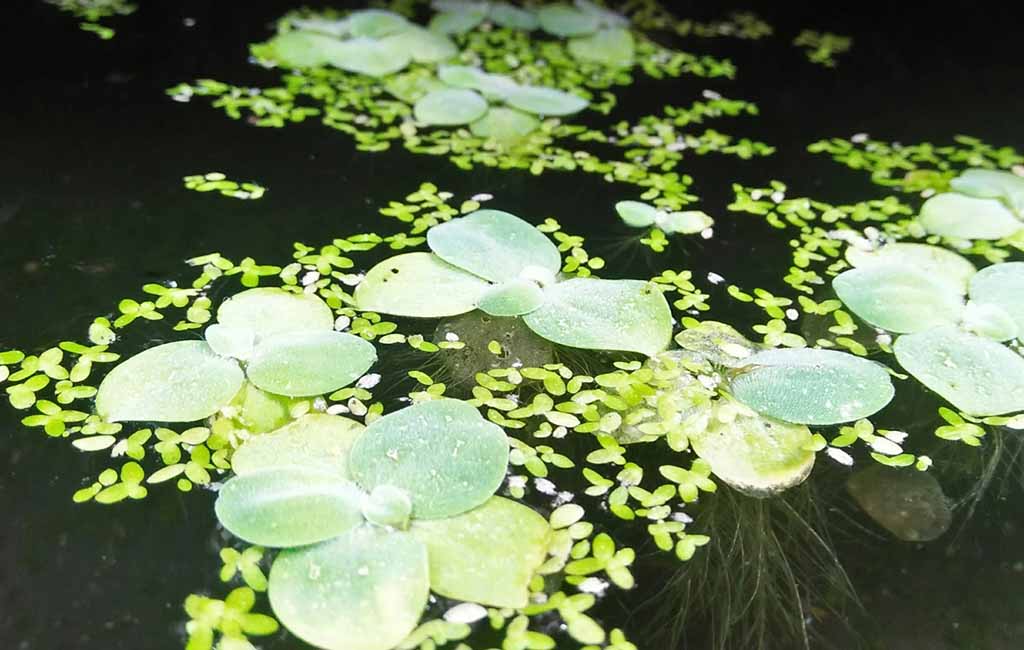
- Duckweed (Lemna minor): The classic starter plant. Tiny grows fast and is almost impossible to fail at. The only downside is controlling how much of it you end up with.
- Amazon Frogbit (Limnobium laevigatum): Beautiful, round leaves with dangling white roots. Fish absolutely love hiding under them.
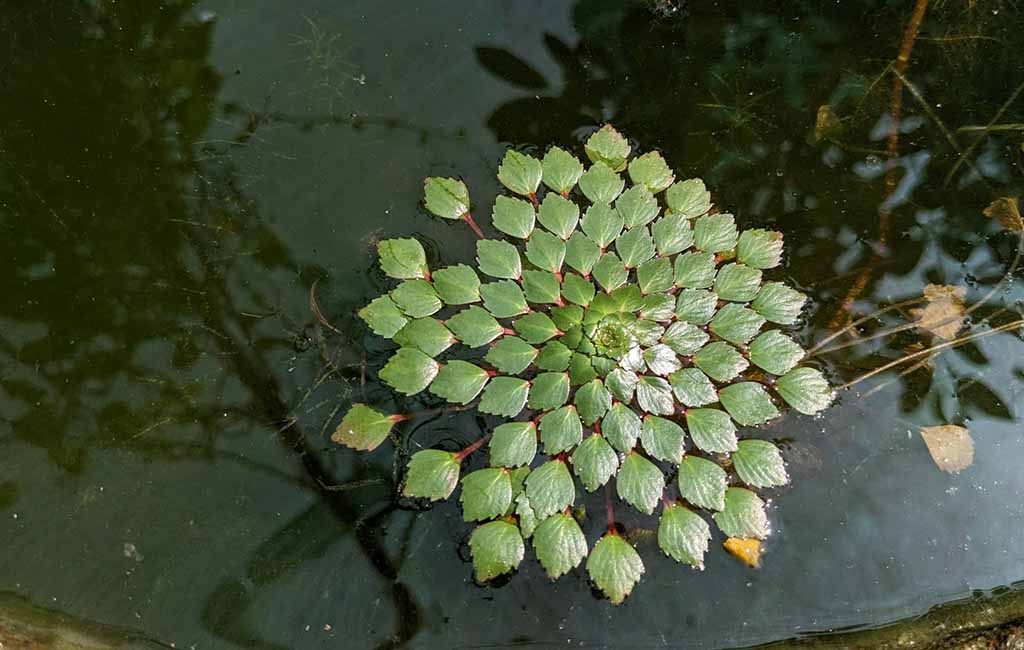
- Red Root Floater (Phyllanthus fluitans): Small, turns a lovely reddish color under high light. A bit more visually interesting than duckweed.
- Salvinia natans: Fuzzy little leaves that repel water. Low maintenance, spreads steadily, great for nano tanks.
- Hornwort (Ceratophyllum demersum): Technically a stem plant, but it floats beautifully and is nearly indestructible.
Some Expensive Floating Plants for Aquariums
Now, if you want something a bit more special and you are willing to pay for it, the hobby has some genuinely stunning options.
- Mosaic Plant (Ludwigia sedioides): Geometric-patterned leaves that look almost artificial. Rare in the hobby and priced accordingly.
- Water Hyacinth (Eichhornia crassipes) specialty varieties: Common versions are cheap, but specific cultivated varieties with unusual coloring command higher prices.
- Dwarf Water Lily floating variants: Some cultivated lily pads bred for small tanks are sold at premium prices, especially tissue culture versions.
- Nymphoides species: Floating heart plants with delicate yellow flowers. Less commonly available and often priced higher than standard floaters.
- Azolla pinnata (Mosquito Fern): A unique fern that floats and turns red under high light. Specialty aquatic stores sometimes stock it at elevated prices due to its rarity in the hobby.
floating plants for aquarium
Floating Plants Feeding
Here is a common misconception. People think floating plants need to be fed separately, like fish. They do not. Not in the traditional sense.
Floating plants feed by absorbing nutrients directly from the water column through their roots. Every time your fish produces waste, every time uneaten food breaks down, the floating plants are pulling those dissolved nutrients out of the water. That is their feeding mechanism.
That said, in a very clean, low-stocked tank, floating plants might grow slowly due to limited nutrients. In that case, a small amount of liquid fertilizer added to the water a couple of times per week can help. Look for fertilizers that contain nitrogen, phosphorus, and potassium. Do not overdo it. A little goes a long way as floater plants.
CO2 supplementation is generally not necessary for floating plants. They access atmospheric CO2 directly from the air above the water surface, which gives them a built-in advantage over submerged plants.
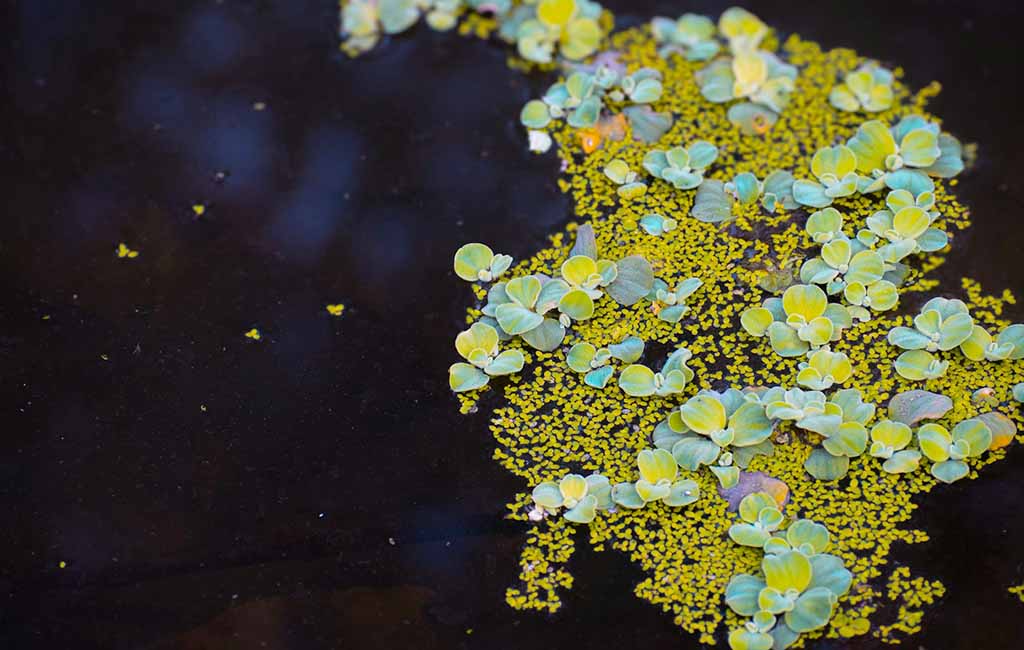
Floating plants feeding
Concluding Remarks
Floating plants are one of those aquarium additions that quietly transform everything. They clean the water, shelter the fish, reduce algae, and look genuinely beautiful doing all of it. Whether you start with a handful of duckweed or invest in something rarer, the impact on your tank is noticeable almost immediately. The fish seem calmer. The water stays clearer. The whole setup looks more alive. If you have been on the fence about adding them, this is your sign to just go for it. Your tank will thank you.
Related Products


Leave a comment