
Keeping an aquarium is not just about filling a tank with water and tossing in some fish. It is about creating a small ecosystem that actually works. And if you have been around aquariums for any amount of time, you have probably heard people talking about activated carbon. Some swear by it. Others think it is unnecessary. So what is the real deal? Let me walk you through what activated carbon actually does, when you should use it, and how to avoid the common mistakes that even experienced aquarists make.
Content Table
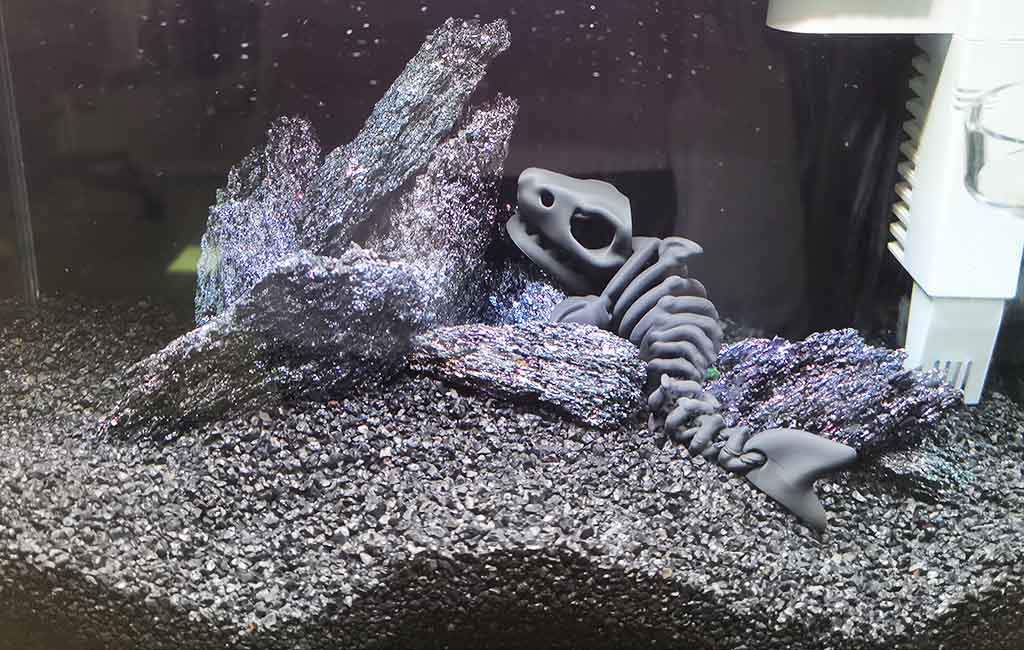
activated carbon
Is Activated Carbon Good for a Fish Tank
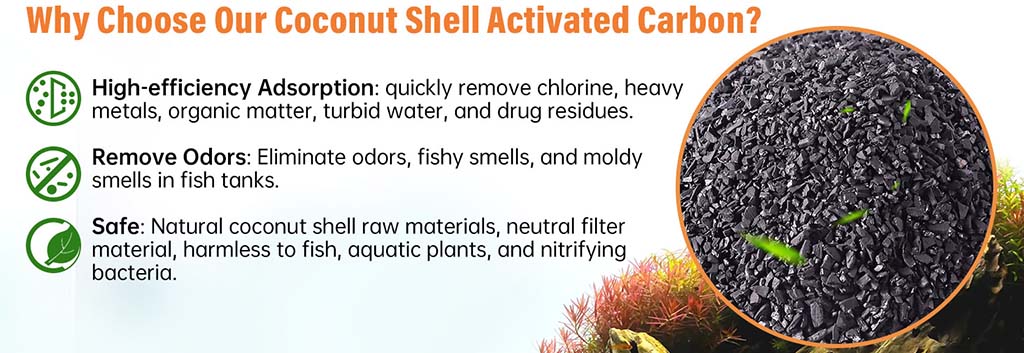
Okay, so here is the thing about activated carbon. It is basically a filtering powerhouse. Think of it like a sponge, but instead of soaking up water, it grabs onto all the invisible junk floating around in your tank. We are talking about dissolved organic compounds, medication residues, discoloration, and those weird smells that sometimes show up even when your tank looks clean.
What Does Activated Carbon Actually Do?
Activated carbon works through a process called adsorption. No, that is not a typo. Adsorption is different from absorption. When something is absorbed, it gets soaked up like water into a paper towel. When something is adsorbed, it sticks to the surface of the carbon particles. And because activated carbon has a massive surface area (seriously, one gram can have a surface area of up to 3,000 square meters), it can grab onto a lot of impurities.
Here is what it handles well:
- Removing yellow or brown tints from your water
- Getting rid of fishy or musty odors
- Clearing out leftover medication after treating sick fish
- Reducing residual chlorine from tap water, absorbing tannins from driftwood
Can Bacteria Actually Grow on It?
This is where things get interesting. Yes, beneficial bacteria can colonize activated carbon, but it is not the best place for them to live. The porous structure does provide surface area, but because you are supposed to replace activated carbon regularly (more on that later), you are removing those bacterial colonies every time you swap out the carbon. That is why most people use dedicated biological filter media like ceramic rings or sponges for bacteria, and treat activated carbon as a chemical filtration tool.
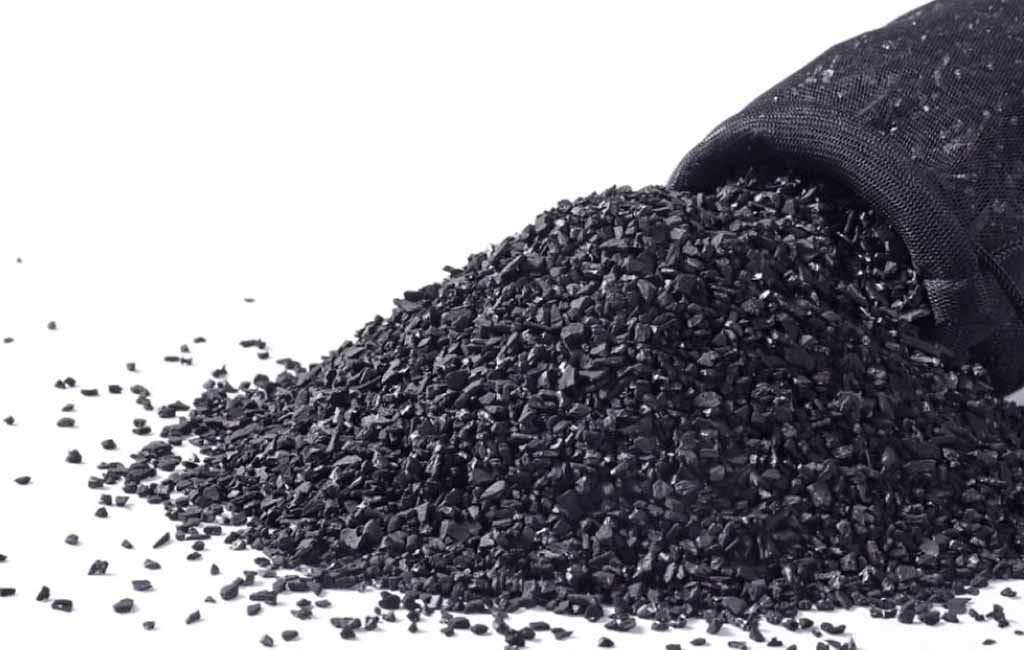
Will Aquarium Activated Carbon Affect pH or Hardness
This is probably one of the most common questions I see, and I get why people worry about it. You are putting something into your water, so naturally, you wonder if it is going to mess with your parameters.
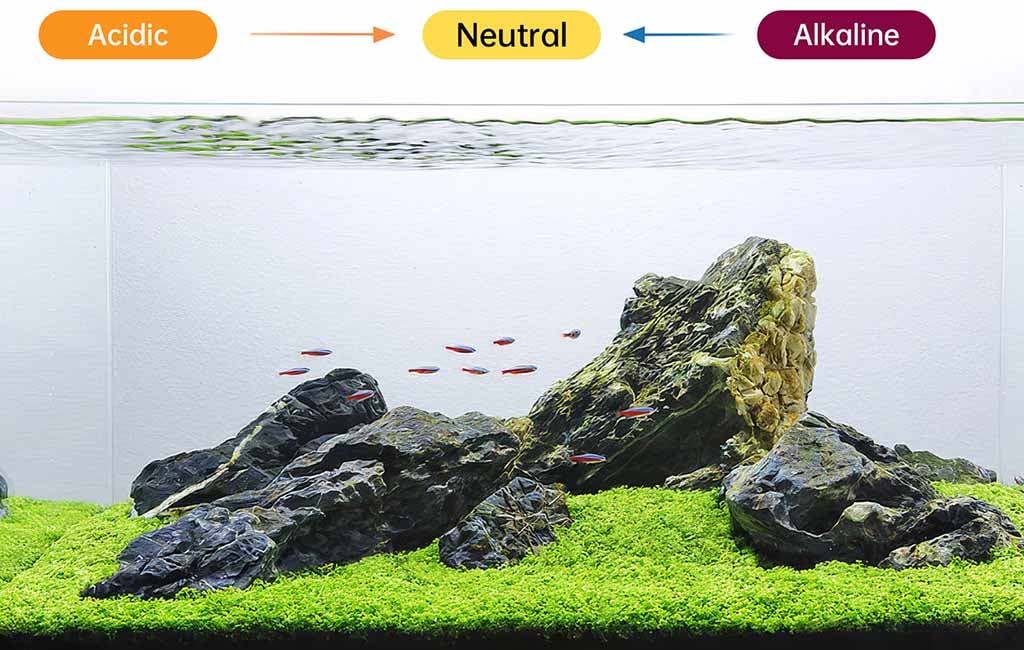
The good news? Quality activated carbon, especially stuff made from natural coconut shells like the hygger 193, is pH neutral. It should not significantly change your pH or water hardness. The keyword there is “quality.” Cheaper activated carbon or carbon that has been treated with chemicals might have some impact, but premium, research-grade coconut shell carbon is designed to be inert.
That said, there are a couple of things to watch out for. If your activated carbon is not rinsed properly before use, you might see a temporary spike in pH from dust and fines. Always rinse it first. And if you are using carbon that has been sitting around for months without being replaced, it can actually start releasing the stuff it absorbed back into your water. That is why replacement timing matters.
Do Not Keep Too Much Activated Carbon in Your Fish Tank
More is not always better. I know it is tempting to think that if a little bit of activated carbon is good, then a whole lot must be amazing. But that is not how it works.
Why Too Much Carbon Is a Problem
When you overload your tank with activated carbon, you can actually strip out beneficial trace elements that your fish and plants need. Things like minerals, vitamins, and even some of the compounds that make your water suitable for certain species can get pulled out along with the bad stuff.
Another issue? Cost and waste. Activated carbon has a limited lifespan. Once it is saturated, it stops working. If you have way more carbon than you need, you are just wasting money replacing media that never even got used to its full capacity.
Plus, if you are running a planted tank, too much activated carbon can remove fertilizers and nutrients that your plants actually need to grow. You end up in this frustrating cycle where you add nutrients, the carbon removes them, and your plants look sad.
How Much Should You Actually Use?
A general rule is about half a cup of activated carbon per 20 gallons of water. But honestly, this depends on your specific situation. If you are dealing with medication removal or really discolored water, you might use it temporarily. For regular maintenance, less is fine.
Change Activated Carbon in an Aquarium
How Long to Change Activated Carbon in an Aquarium
Here is something that surprises a lot of people. Activated carbon does not last forever. In fact, it has a pretty limited working life.
The Four Week Rule
Most activated carbon reaches its saturation point in about 3 to 4 weeks. After that, it is basically just sitting there doing nothing. Some people think it keeps working indefinitely, but the pores fill up, and it cannot absorb any more contaminants. The hygger 193 recommends replacement every 4 weeks for optimal performance, and that is a solid guideline for most situations.
How to Actually Use It
Using activated carbon is pretty straightforward, but there are a few steps that make a real difference:
- Rinse It First: Before you put activated carbon in your tank filter, give it a gentle rinse. This removes the fine dust and particles that can cloud your water.
- Place It in Your Filter: The carbon should go in your filtration system, ideally after your mechanical filtration (the stuff that catches physical debris) but before any biological media. This way, it filters water that has already had the big chunks removed.
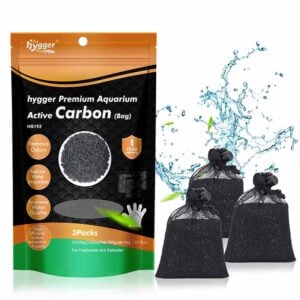
- Use Mesh Bags: Most activated carbon comes in mesh bags, or you can buy reusable ones. This makes it way easier to remove and replace without making a mess.
- Remove After Treatment: If you have used medication in your tank, leave the carbon out while you are treating your fish. Once treatment is done, put fresh carbon in to remove the medication residue.
activated carbon aquarium
Signs It Needs Changing
Even if you are not tracking weeks on a calendar, there are signs that your carbon is spent:
- Water starts looking yellow or brown again
- Odors return
- The water just looks less clear than it did
Effective Ways to Remove Chlorine from Water
Chlorine is one of those things that makes tap water safe for humans but terrible for fish. Before you add any tap water to your aquarium, you need to deal with the chlorine situation.
Multiple Methods That Work
Activated carbon is actually great at removing chlorine, but it is not the only option. Here are several methods that work:
- Water Conditioners: These are chemicals specifically designed to neutralize chlorine and chloramine. Fast and reliable.
- Letting Water Sit: Chlorine (but not chloramine) will evaporate from water if you let it sit out for 24 hours. This is the old school method, but it works if you are not in a hurry.
- Activated Carbon Filtration: Running water through activated carbon removes chlorine effectively. This is actually one of the main reasons people use it in aquarium filters.
- Reverse Osmosis: If you are serious about water quality, an RO system removes chlorine along with pretty much everything else. You will need to remineralize the water afterward, though.
For most people, a combination approach works best. Use a water conditioner for immediate chlorine removal during water changes, and let your activated carbon handle any residual chlorine and keep the water polished between changes.
hygger 193 Aquarium Active Carbon Review
Alright, let me tell you about the hygger 193 specifically, because not all activated carbon is created equal.
What Makes It Different
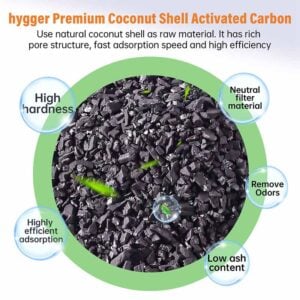
The hygger 193 active carbon uses premium coconut shell carbon, and that actually matters. Coconut shell carbon is considered the gold standard because it has a really rich pore structure. This means more surface area for adsorption and faster purification compared to cheaper carbon made from coal or wood.
The fact that it is low ash and research grade means you are getting clean, effective filtration without adding impurities back into your water. Some cheaper carbons can actually leach phosphates or other compounds, but quality coconut shell carbon avoids that problem.
Real World Performance
Here is what the hygger 193 actually does well:
- Fast Water Clearing: The pore structure means it gets to work quickly. If you have cloudy or discolored water, you will see improvement within a day or two.
- Odor Removal: Fish tanks can develop some funky smells, especially if you have a lot of bioload or decomposing plant matter. This carbon handles those odors effectively.
- Medication Residue: After treating sick fish, you need to get that medication out of the water. The hygger193 does a solid job of removing those chemical residues.
- Safe for Everything: Because it is pH neutral and made from natural materials, it is safe for freshwater tanks, saltwater tanks, fish, plants, and beneficial bacteria colonies. You are not going to crash your fish tank cycle or stress your fish by using it.
Practical Features
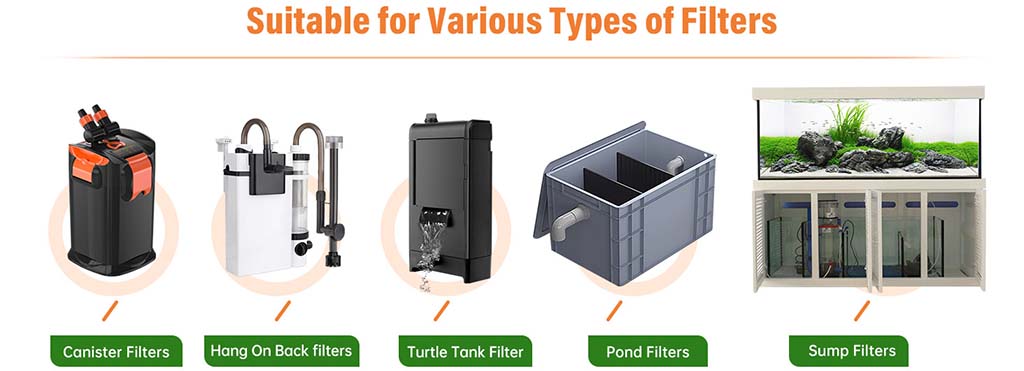
The HG193 active carbon comes with reusable mesh bags, which is honestly a small detail that makes a big difference. You can custom load the amount you need, and the fine mesh keeps even small particles contained. The bags fit various filter types, including canister filters, hang-on back filters, sump filters, and pond filters.
Lasting Impressions
Look, activated carbon is not magic, but it is a really useful tool when used correctly. It clears water, removes odors, handles medication residues, and generally makes your aquarium maintenance easier. The key is understanding what it can and cannot do, not overusing it, and replacing it regularly.
The hygger 193 offers quality coconut shell carbon that performs well without breaking the bank. Whether you are dealing with yellow water, lingering smells, or just want crystal clear water, it is worth having in your filtration toolkit.
Related Products
Leave a comment