
Good water quality is the fundamental aspect of any healthy aquarium. It is necessary to achieve that level. In this article, you’ll learn about how to make good water quality. Moreover, what is good quality water, pH, and TDS? Different types of water quality are also part of this article. Many other interesting things are waiting, just scroll down to have good quality water in your tank.
Content Table
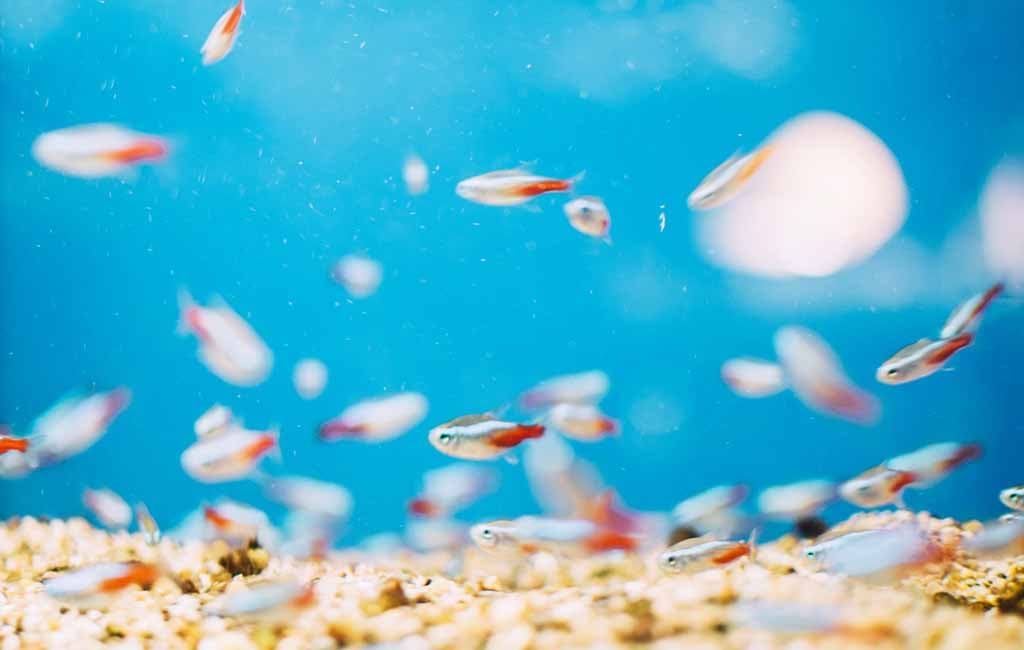
good quality aquarium water
TDS and PH in Fish Tank Water
TDS and pH are important parameters for any fish tank. They greatly affect the well-being of fish.
TDS
TDS is abbreviated to Total Dissolved Solids. It helps to measure everything dissolved in the water, i.e., minerals, salts, metals, or any other particles. It is measured in mg/l (milligrams per liter) or ppm (parts per million). TDS level is neither good nor bad in itself, but it depends on the fish species. Some fish thrive in higher TDS level water, and vice versa.
pH
It measures the acidity or alkaline nature of any water. It ranges from 0 to 14. 7.0 is neutral. Less than 7 is acidic, and higher than 7 is basic or alkaline. The lesser the value, the higher the acidity of water, and vice versa in the case of a base.
What Is Water PPM?
PPM stands for Part Per Million. It is used to measure small amounts of liquid. If you want to understand through analogy, understand it. Let’s suppose there are 1 million droplets. Out of 1 million, 1 drop is chemical, and the rest are water drops. It is measured as 1 ppm. Usually, this parameter helps to measure ammonia, nitrite, nitrate, and TDS levels in fish water tanks.
Three Types of Water Quality
There are usually three types of water quality parameters, which are as follows.
- Physical Parameters
- Chemical Parameters
- Biological Parameters
Physical Parameters
These are such parameters that you can see, or feel, or measure without a chemical experiment. They matter as they are related to fish comfort and stress in a fish tank. It includes the following parameters.
- Water Temperature
- Water Turbidity, i.e., how much water is clear
- Water Coloration
types of water quality
Chemical Parameters
These parameters help to measure what is dissolved in the water. They are important in a fish tank as they deal with toxicity and the survival of fish. Here are some important chemical parameters.
- pH
- Ammonia level
- Nitrate level
- Nitrite level
- Water hardness (GH and KH)
- Dissolved Oxygen
- Chlorine level
- Chloramines level
Biological Parameters
These parameters are related to living beings in water. They help in determining the overall tank ecosystem. It includes
- Bacteria
- Parasites
- Algae
The Levels of Water Quality
In any fish tank, water quality is categorized into levels. These levels help to understand the overall tank and tank living conditions. Here are different water quality levels.
| Level | Meaning | Tank environment |
| Excellent | All parameters are in the ideal range | Fish are active, glowing, and feeding well. |
| Good | Almost all parameters are near the ideal range or value. | Fish are behaving well. |
| Fair | A single or a couple of parameters are off. | Fish are stressed and show some physical damage. |
| Poor | Multiple parameters are off. | Fish are in critical situations. You need to immediately fix the issue with a water change. |
| Critical | Highly toxic situation. Water parameters are completely off. | Fish are in the worst condition. You need to perform emergency action to save your fish. |
Good Quality Aquarium Water
As mentioned, good-quality aquarium water means that water parameters are near ideal conditions. Water parameters are in a balanced condition. Here are attributes of good-quality water.
- pH is stable. It is in a suitable range according to fish species.
- Nitrite and ammonia are 0 ppm.
- Nitrate level is less than 20 ppm and 5 ppm for a reef tank.
- The temperature is in the ideal range and stable.
- No water cloudiness
- TDS level is according to the stocked fish species.
- 0ppm chlorine.
- 0 ppm chloroamine.
- Higher DO (dissolved oxygen) in the water.
Makes Good Water Quality for Your Tanks
Excellent water quality is a goal, and it is hard to achieve. However, good water quality in a tank is something that is achievable. Here is a simple method to make good water quality for your tank.
Tank Cycling
Cycling is the fundamental aspect of having a stable tank. It is done before adding the fish to the tank. Beneficial bacteria are added, and nitrate sources are added to the water. Beneficial bacteria break down the nitrogen source. Initially, there is an ammonia spike in the tank. After 4 to 6 weeks, you will see 0 ammonia, 0 nitrite, and less than 20 ppm nitrate. Once you archive these parameters, your tank cycling is complete.
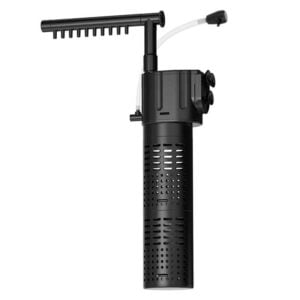
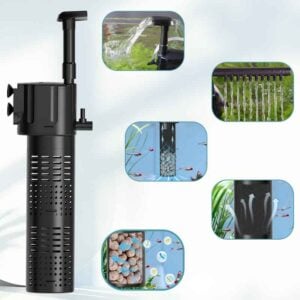
Quality Filtration
Another aspect that contributes to the good quality of water in your tank is filtration. There are three types of filtration.
- Mechanical
- Chemical
- Biological
Regular Water Changes
Regular water changes also improve the water quality. It helps to remove nitrates and dilute waste in the tank. Replace 10 – 25% tank water with dechlorinated stable water.
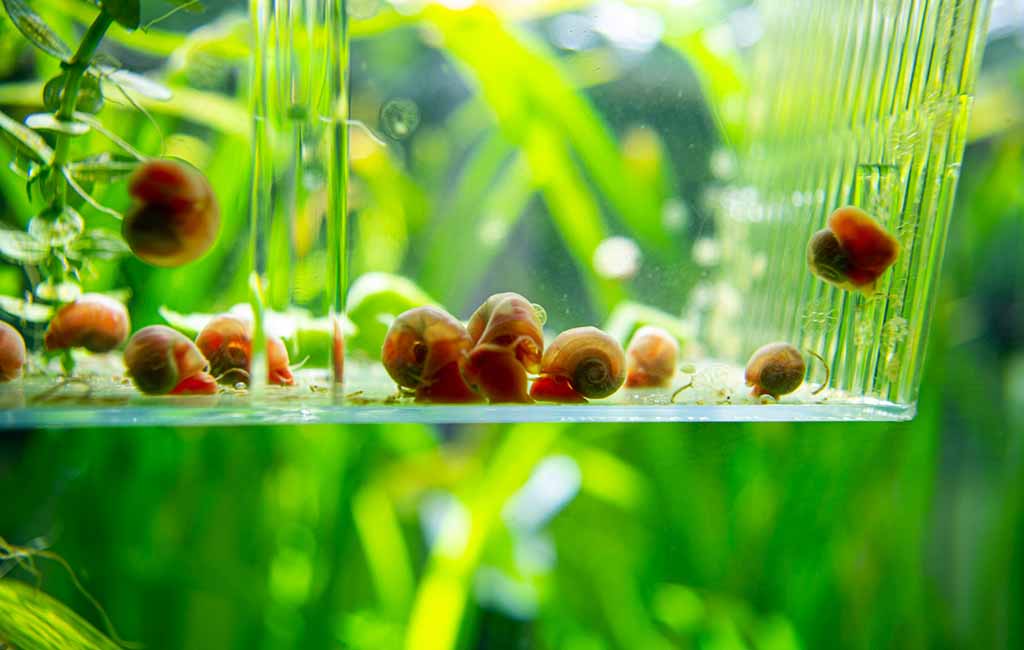
makes good water quality
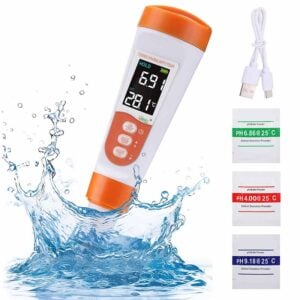
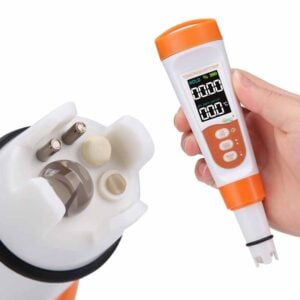
Water Testing
Always look at the water parameters. Weekly test the pH, ammonia, nitrate, and nitrite. Always keep an eye on the water temperature. In short, weekly, try to measure all 3 different water parameters, i.e., physical, chemical, and biological.
Optimal Feeding
Overfeeding also deteriorates the water quality as leftover food causes an ammonia spike in the tank. Therefore, feed only such a quantity that the fish can consume within 2 to 3 minutes. After that, remove the food from the tank.
Optimal Stocking Level
Maintain the optimal stocking level in the tank to achieve good quality water. Overstocking requires more food, which results in higher waste and deteriorates water quality.
Live Plants
Live plants absorb ammonia, nitrite, and nitrate from the water, which improves the water quality. Moreover, these plants help to improve oxygenation in the tank.
Keep Your Filter Clean
Regularly clean the mechanical filter for optimal performance. Change the chemical filter every month. Maintain the optimal beneficial count on your biological filter to break down harmful material.
Fish Tank Water
Lasting Impressions
TDS and pH are important water parameters for any aquarium. You measure the TDS in ppm and mg/l. Good water quality leads to healthy fish and an optimal tank environment. You can achieve this by growing live plants, regular water changes, periodic water testing, etc.
Related Products
Leave a comment