
The secret of any healthy aquarium is clean water. It makes a difference in the quality of water whether you have fish, shrimp, or live plants. Bad water will be stressful to your water pets, and this may cause illness, or worse, death.
Content Table
A filter is not the only way of keeping the water quality up. It is a mixture of knowledge, observation, and constant attention to maintain high water quality. This hygger blog will tell you what is meant by water quality and how you can maintain high water quality to build a harmonious, balanced, and healthy home aquarium.

aquarium water problems
Water in Aquariums: Its Role and Meaning
The liquid in an aquarium is not simply water is a habitat. It sustains biological, chemical, and physical life-enhancing processes within the tank.
The aquarium water should be stable, clear, and with a lot of oxygen. There must be no harmful toxins such as ammonia, nitrites, and heavy metals as well. The characteristic of this water in general is referred to as water quality.
Fish breathe, eat, grow, and reproduce with the help of good-quality water. It also promotes good bacteria that facilitate the digestion of wastes. When the quality of water decreases, the stress of the fish increases, and the possibility of the disease of the fish increases as well.
Water quality also influences nutrients and the growth of plants in the aquariums. In the case of shrimp or delicate species, minor alterations in water quality may be lethal. This is why water maintenance is very necessary in all kinds of tanks.
Common Aquarium Water Problems
Water issues may also affect even the well-kept tanks. They are mostly a result of overfeeding, oversupplying, or poor maintenance. Identifying these problems early could make you move before any serious damage is caused.
Here are the most common issues:
- High Ammonia Levels: This is caused by fish wastes and food leftovers, which are poisonous to everything in the water.
- Nitrite Spikes: It will occur during the cycling period or when there is a failure of the biological filter. Highly devastating to fish.
- Nitrate Buildup: Less harmful than ammonia, but it leads to not only stress, but also algae issues in the long run.
- pH Fluctuations: When the pH level is too frequently changing, it may shock or kill your fish.
- Cloudy Water: This is due to bacterial blooms or waste, or overfeeding.
- Algae Overgrowth: This is most likely to be brought about by the excess of light, nitrates, or phosphates.
- Chlorine and Chloramine: Found in tap water. Harmful to both fish and beneficial bacteria.
maintain high water quality
The Best Way to Maintain Tank Water Quality
You do not require pricey tools and elite gadgets to keep the water in the aquarium good and clean. A regular maintenance schedule and some clever tricks will help you to maintain high water quality at home tanks, even in small volumes or novice aquariums or garden ponds.
The following are sure ways that will make your tank stay at its best:
1. Regular Water Changes
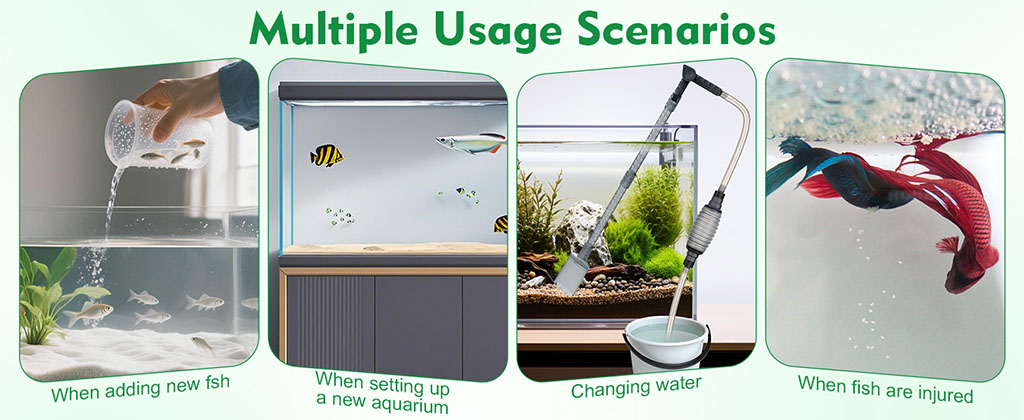
Once a week, change 20-30 percent of the water in your tank. Water changes flush out too many nutrients such as nitrates and phosphates, minimize the buildup of organic wastes as well, and put back needed trace minerals. Take a siphon or gravel vacuum to remove the water at the substrate level, where major wastes are accumulated.
It is not advisable to skimp on the change of water, even though the water might appear clean. There might still be invisible toxins that can poison your fish in the long term.
2. Avoid Overfeeding
You should only feed your fish items that they will eat within 2 minutes. The overfeeding results in food that has not been used, which breaks down fast, producing toxic ammonia that fouls the water.
Use small meals 1- 2 times a day and clean the uneaten food after feeding. With bottom dwellers or night fish, change the feeding pattern according to the activity rhythms.
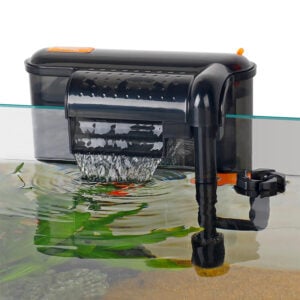
3. Use a Proper Filtration System
This is because your filter ought to provide three forms of filtration, which include: mechanical (trapping debris), biological (hosting friendly bacteria), and chemical (toxin elimination using activated carbon or resins).
Activate filter fills and media by cleaning in the old tank or pond and not tap water, so as not to kill beneficial bacteria. Change chemical media once a month, and do not over-clean to keep biological balance.
4. Monitor Tank Stocking Levels
Crowding subjects your fish to stress and overwhelms your filtration setup. Use the rule of thumb of an inch per gallon of fish (small fish), but do your research on the specific needs of your fish species.
Ensure fish have a lot of space to move, and they can claim their territory. Tanks that are overstocked have higher chances of suffering spikes in ammonia, oxygen deprivation, and are more aggressive.
Test aquarium water
5. Test Your Water Weekly
Check ammonia, nitrites, nitrates, pH, GH, and KH using reliable water testing kits (preferably water quality meter kits, which are more accurate than strips). The early detection of imbalances mitigates the occurrence of larger problems in the future.
Record test results to monitor the long-term water stability. If parameters get changed abruptly, find the reason immediately.
6. Gravel Vacuuming
When changing the water, remove waste, uneaten food, and rotting plant material with the help of a gravel vacuum. This cuts off the production of gases, which would expose the water to excessive gassing, contributing to impairment of water clarity and odor.
Target the places that produce a lot of waste, including corners, underneath decor, and beneath filter outflows.
7. Control Light Exposure
The over-lighting leads to algae growth of the light diminishing the water quality and oxygenation. Keep lighting to 8-10 hours each day and employ the use of a timer to maintain consistency.
When you observe green water or algae growing on glass walls, turn down the approaching time and light power. Nutrient competition of algae may also be outcompeted by the addition of live plants.
8. Bonus Tip: Add Live Plants
Aquatic plants will do more than just beautify the tank, but also improve the water quality levels. They take up ammonia, nitrates, and CO₂ and give out oxygen. Natural plants that are good filters include fast-growing plants such as hornwort, water wisteria, and anacharis.
Aquatic plants not only enhance the tank’s look but also improve water quality. They absorb ammonia, nitrates, and CO₂, while producing oxygen. Fast-growing plants are excellent natural filters.
9. Make It a Habit
It is simple to make sure that water quality is kept once you add it to your weekly routine. Mark the notes, set reminders, and observe your fish dailies. When water conditions start slipping, you will get an early warning based on their behavior and appearance.
When taken care of regularly, it will look incredible, safe, and stable, and all of your aquatic life will have a proper habitat.
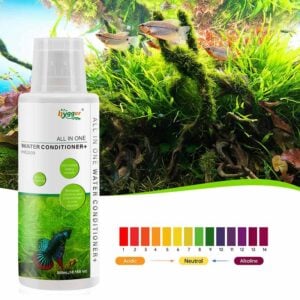
All-In-One Water Conditioner
Chlorine, chloramine, and in some cases, heavy metals are found in tap water. These can poison fish and shrimp, and they can kill good bacteria.
A liquid treatment is a water conditioner that removes harmful tap water chemicals. It renders the water non-toxic generally to sea life in a very short time.
How to Use It:
- Add the conditioner to a bucket of tap water before pouring it into the tank.
- Use the recommended dosage based on the number of gallons being changed.
- Some conditioners also detoxify ammonia and nitrites temporarily during emergencies.
Beginners find all-in-one conditioners particularly helpful. They ensure the safe and easy process of water changes. Companies such as hygger All In One Water Conditioner are very common.
Conditioners are not substitutes for filtration and water change. They do not solve problems.
improve water quality
Steps to Improve Water Quality in an Aquarium
There are no professional devices needed to improve the quality of water, but concentration and regularity are needed. The following will allow you to step by step return and clean your tank to optimum conditions, in particular in the case of a water problem.
Step 1: Test the Water
Perform a check on the current water parameters in your tank using quality test kits. Pay attention to ammonia, nitrite, nitrate, pH, chlorine, and temperature. These will tell you whether your fish aquarium is harmful or healthy to fish and plants. Record the findings so that you may compare the findings in the future and intercept patterns.
Step 2: Perform a Partial Water Change
Take out 20-30% per cent of the tank water and add fresh dechlorinated water of exactly the same temperature. This aids in the elimination of such toxins as ammonia and nitrate and revitalizes key trace elements. Never add tap water to your tank without conditioning it first.
Step 3: Vacuum the Substrate
When doing a water change, use a gravel vacuum to get out organic wastes that are lodged at the bottom of the tank. Dead plant materials and fish waste, as well as uneaten food, rot and give out ammonia. Therefore, cleaning of the substrate is necessary to have healthy water.
Step 4: Clean Filter Media (Safely)
Soak mechanical filter media (sponges or pads) in old tank water to clean them. Tap water should not be used since chlorine would kill useful bacteria, which break down toxins. Only fresh chemical media like carbon or replace it as directed by the manufacturer.
Step 5: Reduce Feeding Temporarily
As the water levels off, cut back the feeding to once a day or miss a day. Food waste also leads to pollution of water and nourishment of bad bacteria or algae. Select foods that are simple to absorb and feed in small amounts so as to reduce wastage.
Step 6: Adjust Tank Conditions
Make environment-friendly adjustments that support a healthy ecosystem. This may include:
- Reducing lighting to 6–8 hours daily to combat algae growth.
- Adding live plants helps absorb nitrates and oxygenate water.
- Improving aeration with an air stone or adjusting filter flow for better gas exchange.
Stable temperature and pH are equally important, so double-check those values.
Step 7: Add Beneficial Bacteria (Optional)
Bottled beneficial bacteria supplements should be used in case of poor biological filtration or when a tank is still new. These products enhance the nitrogen cycle and make it possible to turn ammonia into harmless compounds such as nitrate. They also help after cleaning of filters or medications.
Step 8: Monitor Daily
Monitor the behavior of fish every day. The presence of gasping, clamped fins, hiding, or unusual swimming, are sign of stress and therefore indicates a poor water quality.
You need to test your water at least after 24-48 hours until it remains at a stable level. Monitor improvement and change water in case of necessity.
Water in Aquariums
A Call to Action
The best aquarium water conditioners are not only good to look at, but also to preserve your tank creatures. Begin by looking at the tank regularly, doing routine clean-ups, and doing a weekly water test. Exercise a good filter, do not overfeed, and never forget to condition water.
When your water appears cloudy or fish appear stressed, or test readings are not giving expected results, then do not delay. Use the procedures that I have provided in this article to put your tank back on the road.
The essential key to a good aquarium is its water quality. These habits will maintain your fish’s health and happiness regardless of the size of your tank, whether it is a small betta tank or a humongous playing ground.
Within the next couple of days, go ahead, test your water, switch what needs to switch, and create a better tank for your aquatic pet.
Related Products



Leave a comment