
Crested geckos are interesting and easy to care for, low-growing reptiles. They are manageable, peaceful, and gorgeous. However, as in the case of any pet, they may suffer from some health problems. Dehydration is one of the major problems that crested geckos face.
Content Table
Once they are dehydrated, geckos tend to become unhealthy, and this may work against them very quickly. As an owner new or experienced reptile, it is important to understand what to look out for and what action to take in case of recovery. Through this hygger blog, you will be enabled to learn how to unlearn dehydration and the process to get your gecko back to health safely.
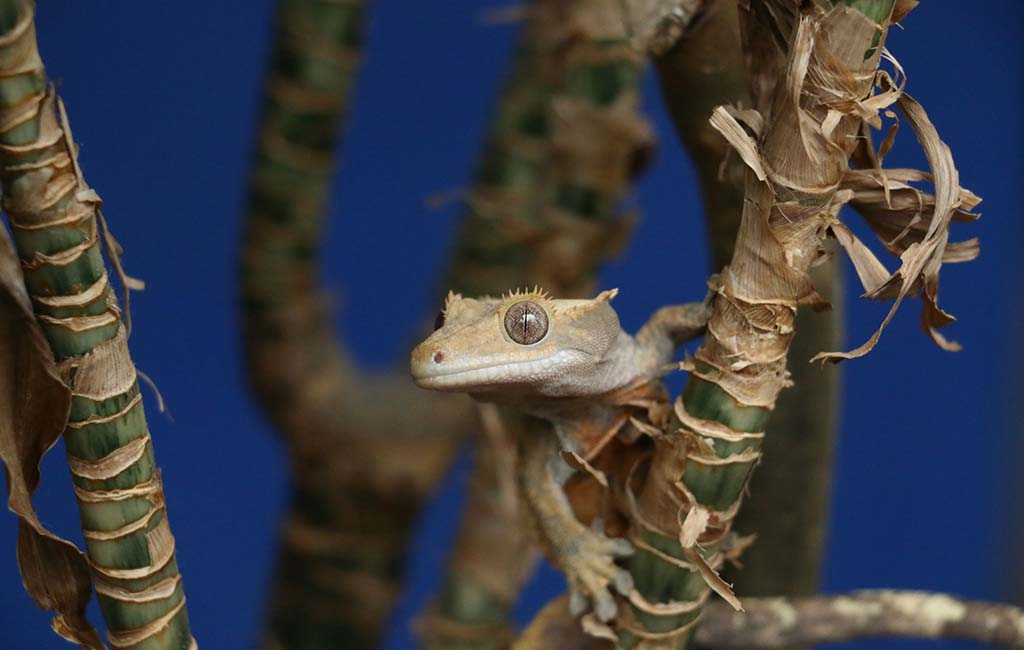
dehydrated crested gecko
Beginning to Keep a Crested Gecko
The crested geckos are endemic to New Caledonia, and the area experiences a tropical climate with a high level of humidity. As a novice, one should replicate this environment at home. Maintaining thermal stability and humidity is one of the first steps to the healthy breeding of your gecko.
1. Provide the Natural Habitat
As crested gecko lives in the wild, they can survive well in a tropical forest, which is always moist. This must be the case to maintain them healthy in captivity; their daytime temperature should be between 72°F to 78°F, and nighttime temperatures should be between 65°F to 70°F. It should maintain a humidity of 60-80, and these conditions should be maintained using mist.
To guarantee the precise monitoring of the tanks, make use of a hygrometer and thermometer. The best possible habitat is a glass terrarium that is ventilated, has a lot of headroom, and uses natural decor (such as branches and leaves).
2. Recognizing a Healthy Gecko
Healthy crested geckos are active, alarmed, and curious. Their skin is expected to be smooth, well-moisturized, and without the problem of shedding. They possess clear and bright eyes, and they have a constant appetite for commercial diets, fruits, or insects. They are active climbers and can easily climb straight surfaces with the help of their sticky toe pads.
During the day, you will find healthy geckos roaming in their enclosure, climbing on a leaf, or even resting on a branch.
3. Warning Signs of Poor Health
Sick geckos can have a poor look, be exhausted, and show a lack of focus on their environment. You can observe blistering, browning skin, or lackluster color or sunken eyes- typical symptoms of dehydration or sickness. These geckos are also generally reluctant to eat and even to climb at all, but prefer to corner in.
Another red flag includes stool changes, weight loss, as well as inactivity over a long period because it may indicate that something is wrong.
4. Creating a Balanced Setup
New keepers of geckos have to realize that a balanced enclosure is not only a tank. It involves:
- Consistent temperature control with heat sources, if needed.
- Humidity maintenance through daily misting and live plants.
- A nutritious, varied diet with calcium supplementation.
- Routine observation to detect early behavioral or physical changes.
Do not work it over in the early stages. Do not disturb your gecko as soon as you set it up, but rather leave it to get accustomed to its new environment over a week or so.
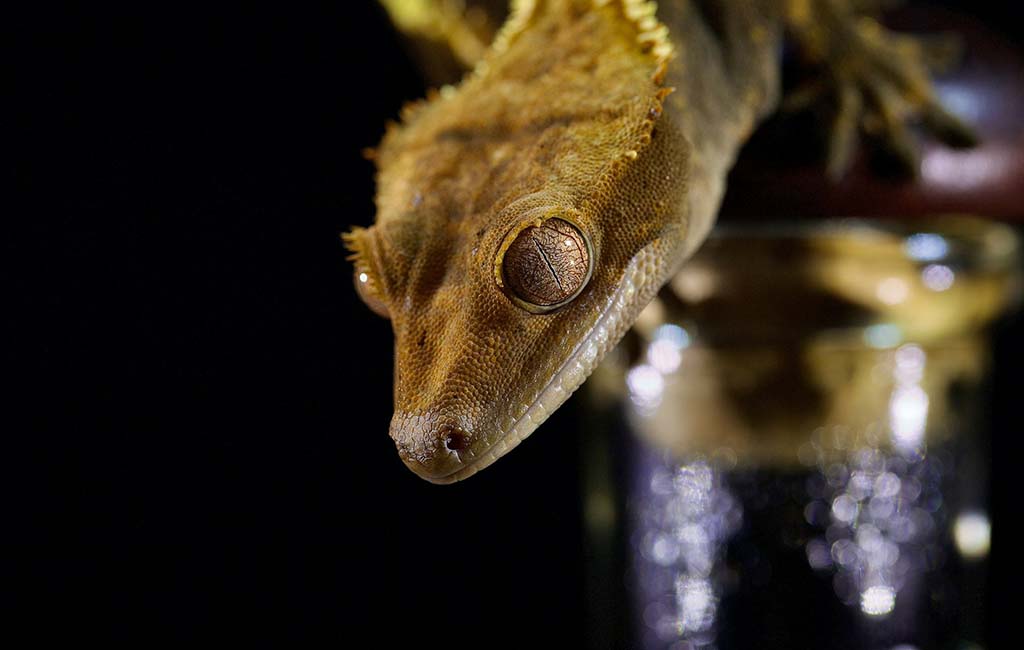
How to Know a Gecko
How to Know a Gecko Is Unhappy or Stressed
Geckos are delicate lizards, and they can be heavily influenced by stress. A sad or stressed gecko may not be eating, moving less, or may be overly defensive. Most of these changes are behavioural and they occur as a result of improper management, acoustics, or habitat problems.
Uncommon behaviors might be exhibited by some of the stressed geckos. They may turn into hiding more frequently, they may lose their tail in the water, or they may have darkened skin. Monotonic pacing or glass surfing (scratching the glass) is yet another sign of stress.
A happy gecko, on the other hand, is relaxed, hungry, and active in his or her surroundings. It also voluntarily ventures into its space, eats very well, and expresses relaxed body positions upon manipulation.
It is a condition that requires getting to know the personality of your gecko. Be sensitive to movement, appearance, or behavioral changes that are abrupt. The changes may be very minor and generally are signs of stress or sickness. Stress will be avoided by making sure the environment is stable and handling them carefully.
How Do I Know If the Gecko Is Dehydrated?
Dehydration is among the severest and most avoidable crested gecko health concerns. They need a humidity of 60-80 at all times as they are tropical reptiles. In its absence, they can fall into a state of dehydration.
The problem of hydration is usually a challenge of low humidity or less frequent misting. A hygrometer should always be used to measure the humidity levels in the gecko tank. Ensure that access the water is provided to the gecko daily, and the tank has to be properly misted both in the morning and in the evening.
A crested gecko has a number of dehydration symptoms to observe.
Check to see if there is wrinkled or hanging skin (especially limbs and the tail). The eyes of a gecko that is dehydrated may also be sunken, and it may look thin or weak.
Additional symptom includes sticky or dry saliva around the mouth. They can also refuse to eat or defecate normally. When the behavior of your gecko becomes different, and when it hides more than usual or appears tired, it could be caused by dehydration.
Use two fingers to gently pinch the skin at the side of a gecko. In case the skin does not return to its position within a short time, it can be a sign of dehydration. Their skin can be dull in serious cases, and their movements are very slow.
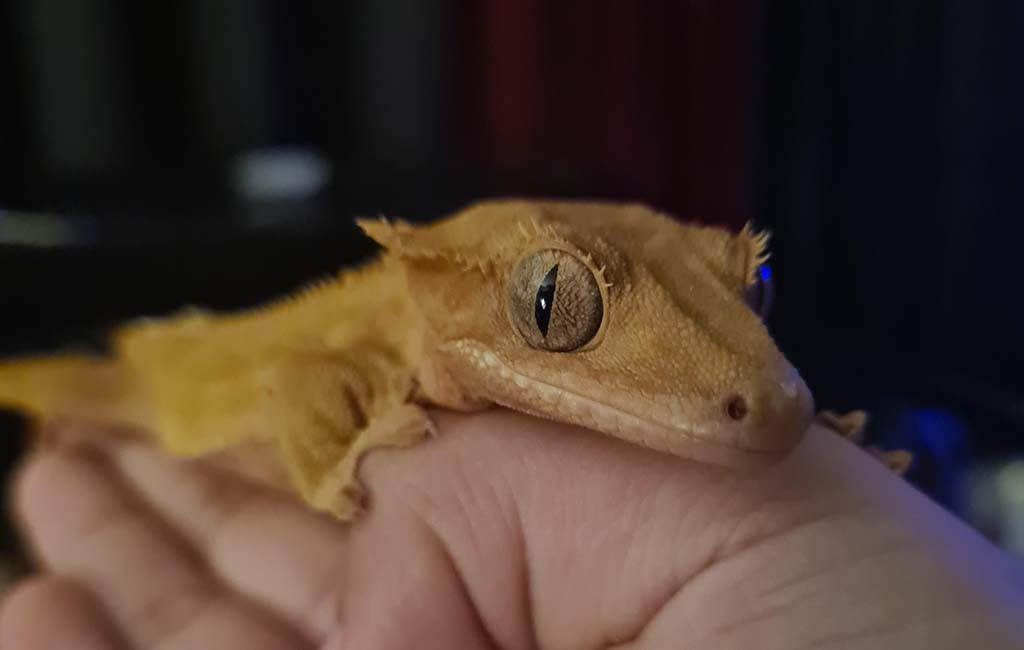
restore dehydrated crested gecko
Restore a Dehydrated Crested Gecko
The problem of dehydration in crested geckos is not something to take lightly since it may become serious very quickly. Intervention can make a big difference in the process of recovery and well-being. These are the steps that will help you replenish your geckos with water and help them recover.
Step 1: Evaluate the Enclosure Conditions
The first thing is to verify the temperature and humidity in the enclosure. Reliable thermometers and hygrometers should be used to have good readings. Crested geckos like the high level of humidity between 60 and 80 percent. In the case of a dehydrated gecko, increase the humidity temporarily to 75% 80 percent to help the gecko rehydrate.
It is necessary to mist the enclosure twice a day with dechlorinated warm water. Spray the walls, plants, and decor in such a way that the gecko licks water drops. Cold water is not preferred because it might cause stress to the gecko.
Step 2: Offer Drinking Options
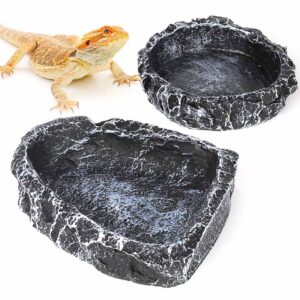
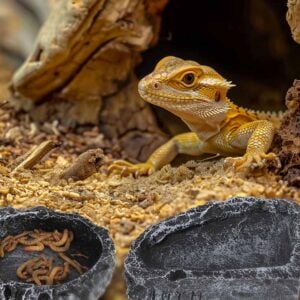
Although crested geckos do not usually drink water from bowls, still provide water in clean and fresh water. Spills should be avoided by having a shallow, stable dish. Keep misting it so your gecko gets regular opportunities to hydrate passively.
Step 3: Provide a Warm Soak (If Necessary)
In case of more severe dehydration, a warm soak will do. Put your gecko inside a shallow plastic container with lukewarm water, up to the belly of the gecko. You can soak the gecko for 5-10 minutes under your supervision.
This assists in body moisture and possibly drinking. When you see that your gecko seems stressed, stop it at once and resort to other techniques.
Step 4: Use Electrolyte Solutions
When it is more severe, provide an unflavoured electrolyte. Dilute it with an equal amount of water and apply a cotton swab or syringe (without a needle) and put a drop in front of the gecko’s mouth. The moisture will be licked by most geckos, a self-defense mechanism used in cases where the gecko loses fluids and minerals.
Do this once or twice a day, and do not insist on getting the liquid down your gecko’s throat when they give you resistance. Compulsion may result in further pressure.
Step 5: Introduce Water-Rich Foods
Facilitate hydration in food by providing moist foods. Good ones are mashed fruits such as banana, mango, papaya, and watermelon. The water and nutrients are offered by these fruits.
As well, make up the commercial crested gecko diet (CGD) with more water than normal to ingest more fluid. Make sure that the food is fresh and accessible in a shallow dish.
Step 6: Minimize Stress During Recovery
Dehydration may be aggravated by stress, and recovery may be slowed. In this period, minimize manipulation. Place the enclosure in an area that is quiet and not very busy with loud noise and bright lights.
It is important not to rearrange the enclosure or change the tank mates. The healing depends on stability and comfort.
Step 7: Monitor Progress Closely
Observe signs of recovery in the following 24-72 hours. A healing gecko is going to demonstrate the improved texture of skin, become more energetic, and more active in the tank. It can start to eat, climb, and exhibit brighter colors once again.
Record the intake of food, the quality of the stool, and signs of hydration daily. Keep the level of humidity and temperature stable during this time.
Step 8: Seek Veterinary Help if Needed
In case of no visible improvement within 48 hours, seek the assistance of a reptile-wise veterinarian as soon as possible. They can give subcutaneous fluids and tests to check on underlying causes such as parasites, infections, or organ failure.
Emergency vets are life-saving, particularly in cases of hatchlings or geckos that have a history of chronic dehydration.
In the next couple of days, observe your gecko, its behavior, energy, and appetite.
crested gecko dehydration
Concluding Remarks
Crested geckos are very robust, yet it is your responsibility to ensure that they remain healthy and hydrated. Being a keeper, it is important to learn the marks of dehydration and also of stress. Quick treatment and stability have a huge impact on the recovery of your pet.
Use good humidity, frequent misting, and a balanced diet at all times. Install an electronic device, such as thermometers and hygrometers, to provide proper tank setup. And, above all, watch your gecko every day.
It appears that it might not be an easy task to restore a dehydrated gecko; however, it might do it with some patience and the right measures. Whenever you are given this piece of advice, act accordingly and take care of your gecko in a way that will allow it to feel better.
As much as you may be a new or experienced gecko owner, regular care will guarantee longevity and happiness for your pet reptile.
Related Products



Leave a comment