
Aquascaping is an art and science that combines the principles of art with biological knowledge. Araceae plants are also a unique type of aquatic or semiaquatic plants that are popular in aquariums among the large variety of the same. These plants are known to have ornamental foliage, durability, and versatility to improve the well-being and aesthetics of the tanks that are aquascaped.
Content Table
However, these plants, known as Araceae, need a certain knowledge of their biology and care needs to maintain them. The aquarists can keep these plants alive for several years with proper knowledge of how to do so. Let’s read on this hygger blog and learn more about the learning opportunities of the Araceae plant care guide.
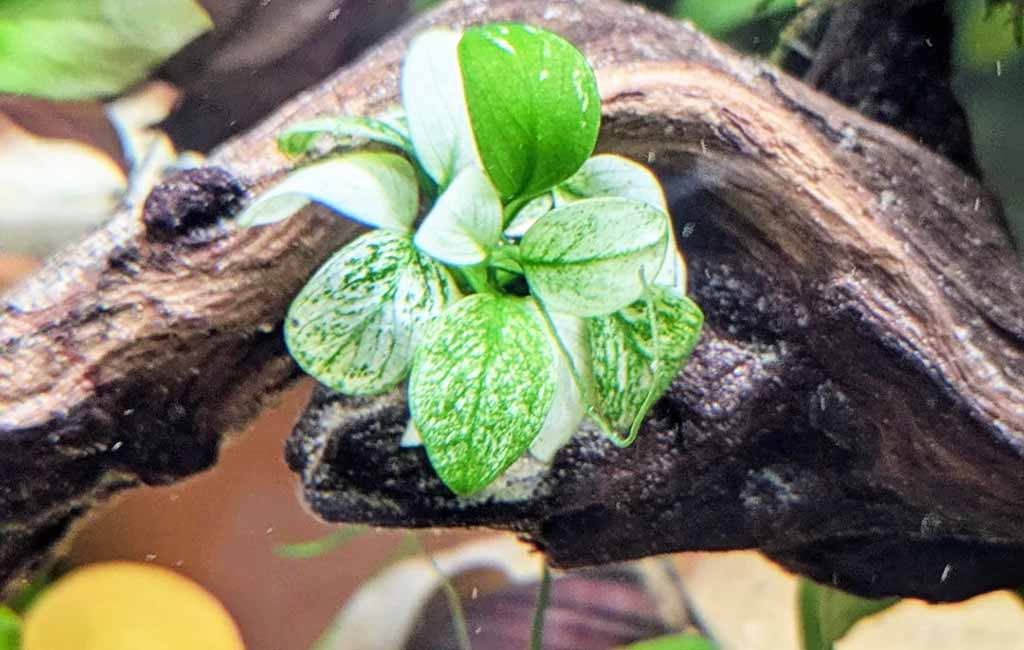
Araceae
The Araceae Plants
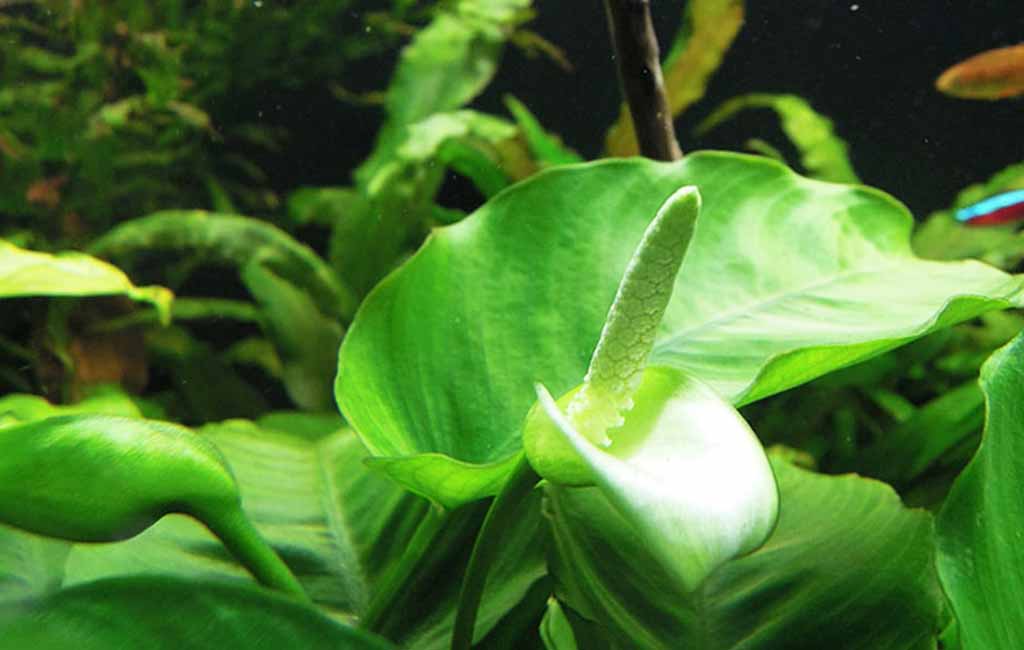
Araceae is a big family of flowering plants, also known as aroids. These plants are famous due to their exclusive inflorescence, which is usually a spadix encircled by a spathe. Most of them are terrestrial or epiphytic, but some are ideally adapted to aquarium or paludarium life.
The Araceae is a family of approximately 140 genera and over 3,700 species that are spread across the world. Quite a number of them are found in the tropical and subtropical areas and usually close to rivers, swamps, and moist forests. They are well-liked in the aquascaping and houseplant collections due to their dramatic foliage.
Araceae are also appreciated in aquascaping due to their strength as well as looks. They are tolerant of different water conditions, grow slowly when compared to stem plants, and add long-term structure to the layout of the aquarium. The Araceae profile that aquarists tend to admire is represented by such popular genera as Anubias, Cryptocoryne, Philodendron, etc.
Family Araceae Plants
The Araceae family is very diverse, including a wide variety of species adapted to a variety of environments. While some are giant terrestrial plants, such as Amorphophallus titanium – famous for its huge ‘corpse flower’ – others are small and well-suited to aquariums.
Key peculiarities of Araceae plants include:
- Spadix and spathe inflorescence: This is a very distinctive form of flowering structure, which makes them different from other families.
- Rhizome-based growth: Many species grow from rhizomes, enabling many species to grow easily and withstand damage.
- Slow growth habit: Contrary to fast-growing aquatic plants, members of Araceae tend to grow at a slow and controlled pace.
- Shade tolerance: A significant number of them can survive in areas with low light, so they are appropriate in aquariums that are not highly lit.
- Submersed or immersed adaptability: There are plants such as Cryptocoryne, which can grow completely submerged, and others that like to remain half in water.
family araceae plants
Araceae Plants in Aquascaping
The Araceae is a very popular plant in aquascaping due to its usefulness and beauty. They have focal points in aquariums because of their strong leaves and different textures, coupled with a deep green color.
Benefits of Aquascaping
- Visual impact: The broad, leathery leaves of plants like Anubias barteri add bold textures.
- Hardscape integration: The Araceae plants fit tremendously into the rocks, driftwood, and substrates and are therefore natural to aquascaping designs.
- Durability: They are also resistant to the herbivory of most fish species. So, they can be used in community tanks with plant-nipping fish.
- Oxygenation: Although they are not the best oxygen producers, they also play a role in ensuring there is water quality and biological balance.
How to Use Araceae Plants in Aquascaping
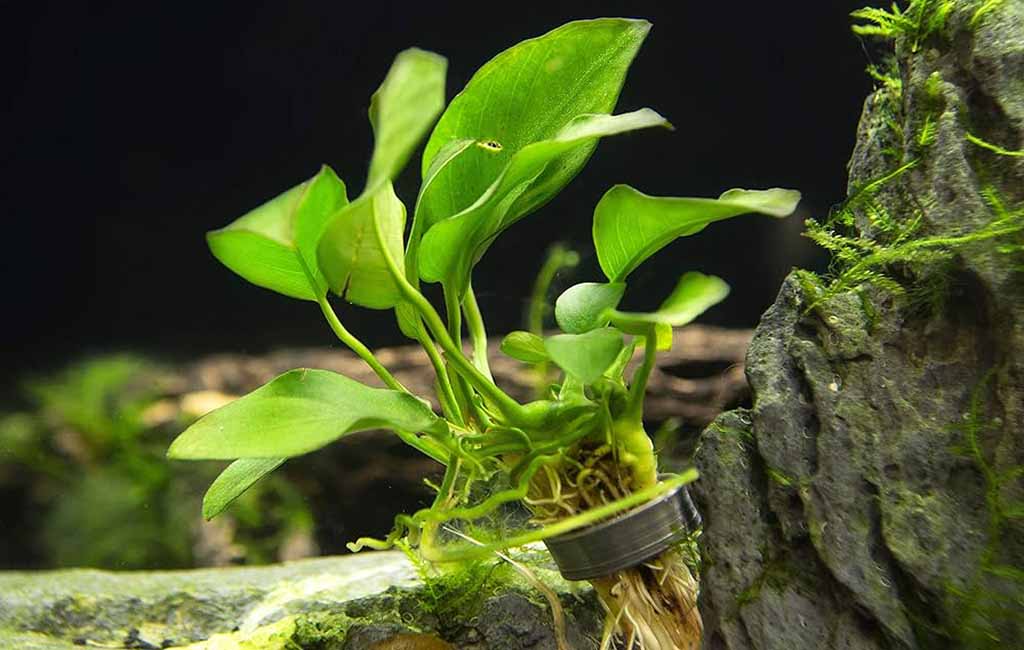
Plants of the Araceae family are frequently placed in the middle-ground or fixed to hard-scape structures by aquascapers. As a case in point, it is possible to tie Anubia’s roots to a piece of driftwood to give it a natural, antique appearance. Cryptocoryne can be used in the foreground or midground, and used to fill in with small foliage variations.
The faster-growing stem plants, in combination with these plants, are used to produce layered designs. They are slow in growth, hence stable, and other plants may be clipped more often to control the space and light. The adaptability of the Araceae family plants means that they can be used in both low-tech and high-tech aquascaping setups without too much difficulty.
araceae plant care
Take Care of Araceae Plants
In order to keep Araceae plants in good condition and ensure their survival in aquariums, proper care is necessary. Even though these plants are quite resilient, a successful care sheet guarantees success in the long term.
Care Sheet for Araceae Plants in Aquariums
1. Lighting Needs
Most of the Araceae plants are adapted to low to moderate intensities of light. Intense light may cause algae to grow on their broad leaves. Placed them in the darker parts of the tank in case of powerful aquarium lights.
2. Water Parameters
They can survive in 22–28°C (72–82°F)and a pH of 6.0-7.5. It is better to be stable than perfect because most species are delicate to abrupt parameter shifts.
3. Substrate and Planting
Plants such as Anubias and Java fern (although technically speaking not araceae, but many times used similarly) should not have their rhizomes buried in substrate. Rather, they should be glued or threaded, or tied to rocks or wood with a fishing line. In the case of Cryptocoryne, a nutrient-rich substrate is best for root placement.
4. Fertilization
Although they are not heavy feeders, Araceae plants are also used as regular root tabs or liquid fertilizers. Supplementing with micronutrients prevents the yellow color of leaves and improves growth. CO2 injection is not exactly required, but it facilitates growth.
5. Trimming and Maintenance
The falling or algae-covered leaves are to be trimmed to keep plants in good health. The growth is slow, so one is forced to be patient- over-pruning will put strain on the plant.
6. Propagation
Propagation is straightforward. In the case of rhizome plants, it is not a complex matter of cutting and sticking parts of the plant that have a few leaves. The cryptocoryne reproduces through the use of runners, which can be detached and planted again after growth.
List of Araceae Plants
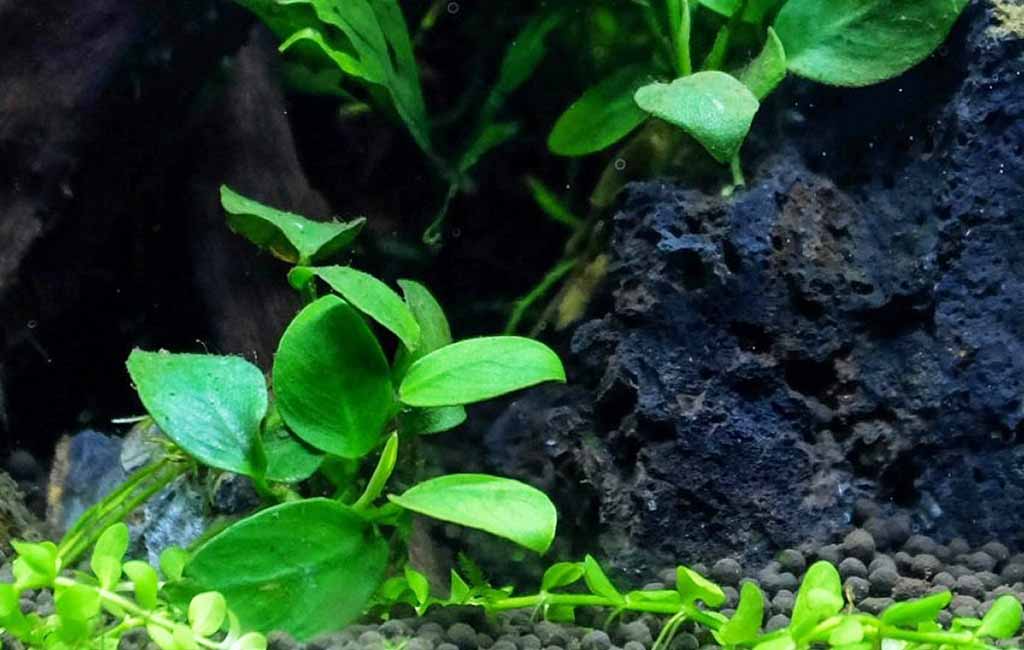
List of Araceae Plants in Aquariums
A number of Araceae species are now used as aquarium aquascaping. Each of them introduces distinctive characteristics that are applicable to different tanks.
1. Anubias barteri
It is called a beginner favorite because it is hardy, and its leaves are dark green. It grows well in a low to medium light environment. It is not conducive to algae, and it attaches itself to rocks or driftwood.
2. Anubias nana
A smaller one, ideal to use in nano tanks and in the foreground. It has a small size, can survive wide water conditions, and can be mixed perfectly with a hardscape feature. This makes the aquascaping designs look harmonious and natural.
3. Cryptocoryne wendtii
It comes in green, brown, and red and is flexible to different conditions of an aquarium. Its rosette development shape offers thick coverage. It can therefore be used as a midground plant and as a natural flow to aquascapes.
4. Cryptocoryne parva
One of the smallest crypts, great for carpeting and aquascapes. It is a slow-growing plant, with moderate light requirements. It will produce lush carpets in the long term, and populates best when deposited in nutrient-enriched substrates or additional root tabs.
5. Cryptocoryne balansae
It has long, wavy leaves, known to move and add depth to the tanks vertically. It generates dramatic background, maintains stable water conditions, and mixes with taller stem plants in stratified aquascape designs.
6. Cryptocoryne crispatula
Leaves are slim and elongated forming a tall plant thus making it fit in a background environment. It is also hard water tolerant, and feeds in nutrient enriched substrates. Moreover, it also serves a vertical structure in larger community aquarium designs.
7. Anubias coffeefolia
Unique in its textured and ribbed leaves like coffee trees. It has tough foliage that is resistant to grazing fish, and grows well in low light conditions. It also adds a graceful effect to aquascapes as it is well-placed in the midground.
8. Anubias heterophylla
Larger leaves of Anubias heterophylla give great cover and protection for fish species. Its branching leaves form natural hiding places and block light penetration. In general, they are quite adaptable to being attached to driftwood or aquarium stones.
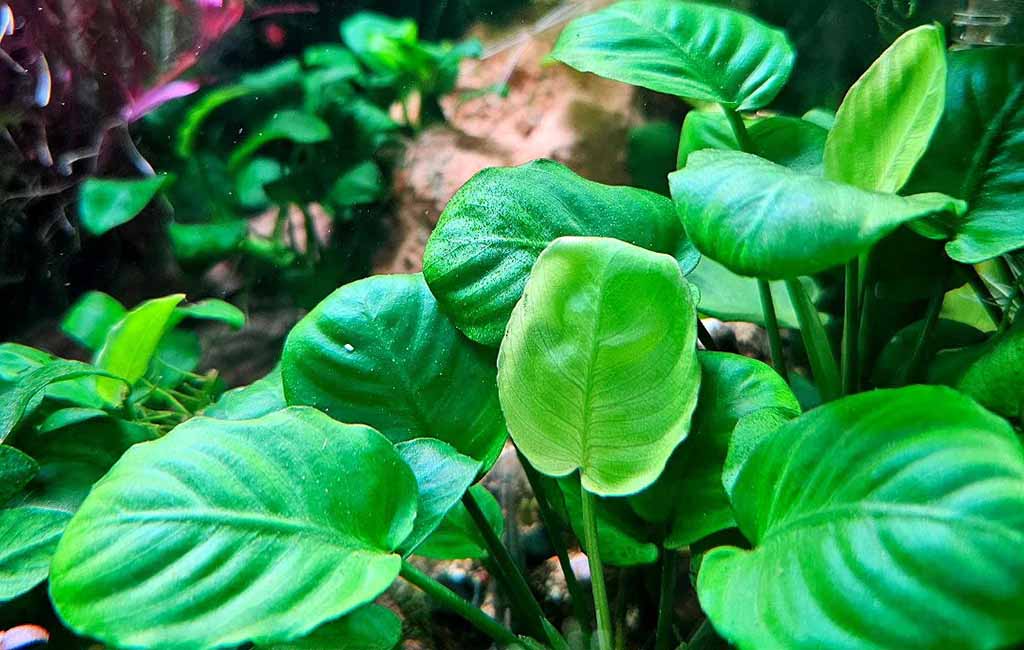
Araceae Plants in Aquariums
Closing Remarks
Araceae plants are of such great importance in aquascaping because they are durable, beautiful, and can be adapted to suit various aquariums. Their sluggish multiplication, dramatic foliage, and serpentine nature with numerous aquascapes integrate well in entry-level and advanced aquascapes.
Caring for these plants requires familiarizing oneself with their basic needs, such as lighting, substrate, water parameters, etc. Araceae, once placed, will offer long-term structures as well as improve aesthetic and ecological balance in aquariums.
Aquarists can also achieve all the potential of the genus Araceae in the landscape of their aquariums through appropriate choices of species, placement, and proper care. These plants are eternal aspects of the aquascaping world, regardless of whether it is a lush foreground, a dramatic midground, or a hardscape eye-catcher.
Related Products




Thank you for the information on these plants. Just starting to figure out what works and where. There are so many beautiful plants. But I have killed many not having a clue. I am looking forward to learning all I can in the care of them. So when I look at a tank I know exactly what I want to put in there and what I will need to keep them alive