
Proper feeding of your aquarium fish is the way to maintain healthy and active fish. Whereas the majority of fish species can survive with either a plant-based or a mixed diet, carnivorous fish need greater amounts of protein. Protein aids their growth, assists in muscle development, and aids in the maintenance of natural behaviors such as hunting and energy bursts. Failure to get adequate protein will result in poor growth, a poor immune system, and even aggression due to nutritional imbalance in your fish.
Content Table
This guide will show you the types of fish that require a protein-rich diet, the amount of protein required, and how you can add more protein-rich foods for fish.
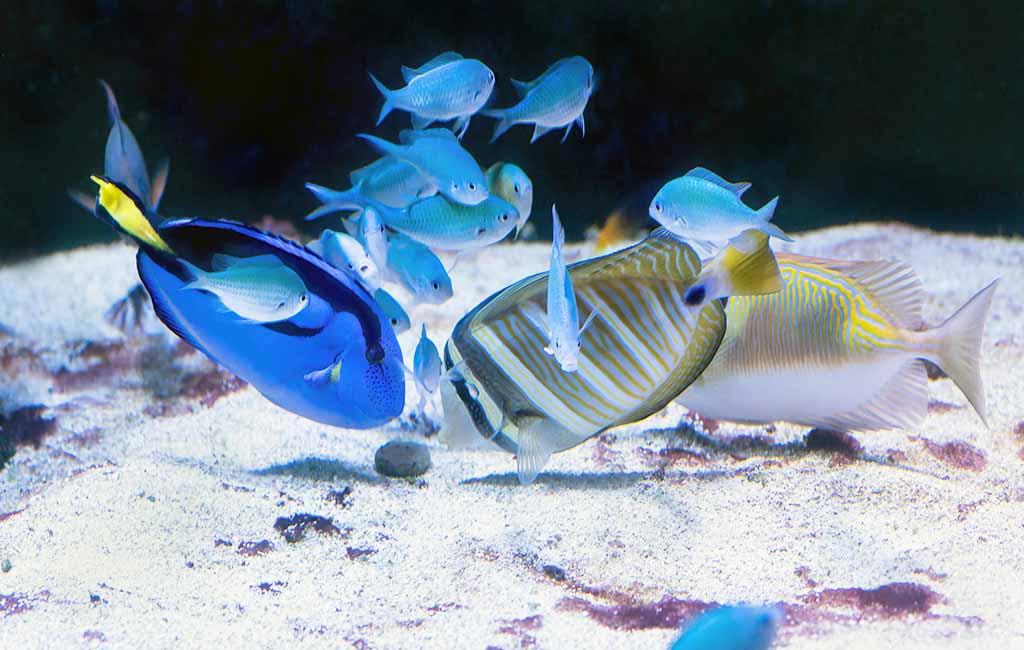
protein-rich diet
Aquarium Fish Need a Protein-Rich Diet
Proteins are essential to carnivorous fish, since their natural diet in the wild is animal-based. The amino acids consist of proteins, which are vital constituents of tissue repair, growth, and general survival.
Carnivorous fish cannot maintain energy after a long time without sufficient protein, and this increases their susceptibility to diseases.
Which Fish Need a Protein-Rich Diet?
High-protein requirements are in the form of carnivorous fish like Oscars, Arowanas, Betta fish, and Cichlids. In the wild, these fish tend to feed on smaller fish, insects, worms, or crustaceans. Their digestive tract is made in a way that it digests proteins, not plant food.
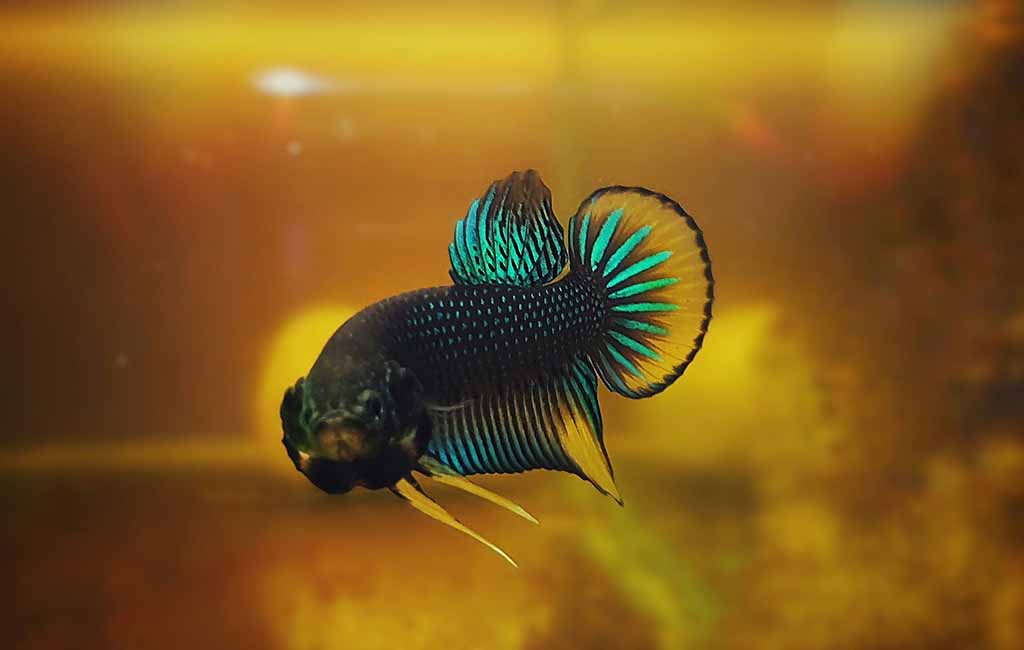
For example, the Betta fish is an insectivore and feeds on live or frozen protein foods such as brine shrimps and bloodworms. Oscars and Arowanas are larger fish and need fatty foods like fish fillets or high-protein pellets.
How Much Protein Do They Require?
Protein requirements vary with fish species, size, and life stage. As a rule, carnivorous fish require a diet with 40-55 percent protein. Young fish require more protein to grow quickly, whereas mature fish can survive on a little less.
Young cichlids have higher protein requirements (almost 50 percent), whereas adults require approximately 40 percent. Protein overfeeding is, however, unsafe because it may overwork their kidneys and contaminate tank water.
Protein-Rich Fish Diet
Key Aspects of a Protein-Rich Fish Diet
It is important to consider the correct sources and balance when designing a protein rich diet for fish. Not every protein source is equally advantageous, and bad decisions may hurt fish in the long run.
1. Quality of Protein Sources
Quality proteins are easier to digest and full of vital amino acids. Good sources of natural proteins are fish meal, shrimp meal, larvae of insects, and earthworms. There are also commercial pellets that include processed fish protein, yet make sure they are from verifiable brands to avoid fillers and cheap alternatives. Do not have too much beef heart or mammalian meat, which fish are not able to digest well.
2. Balancing with Other Nutrients
Protein is not the only need of carnivorous fish. They should also consume the indispensable fats, vitamins, and minerals in their diet. Fish oils contain omega-3 fatty acids that keep skin and scales healthy.
Vitamin C helps the body improve the immune system and wound healing processes, and calcium helps strengthen the body’s bones and fin structure.
3. Feeding Frequency
High-protein diets are to be fed sparingly to avoid overfeeding. Smaller yet frequent meals are important to juvenile fish, but adults can tolerate once to twice a day. Protein-rich food that is not consumed will rot soon, increasing the concentration of ammonia in your tank. Never feed your fish for more than two to three minutes.
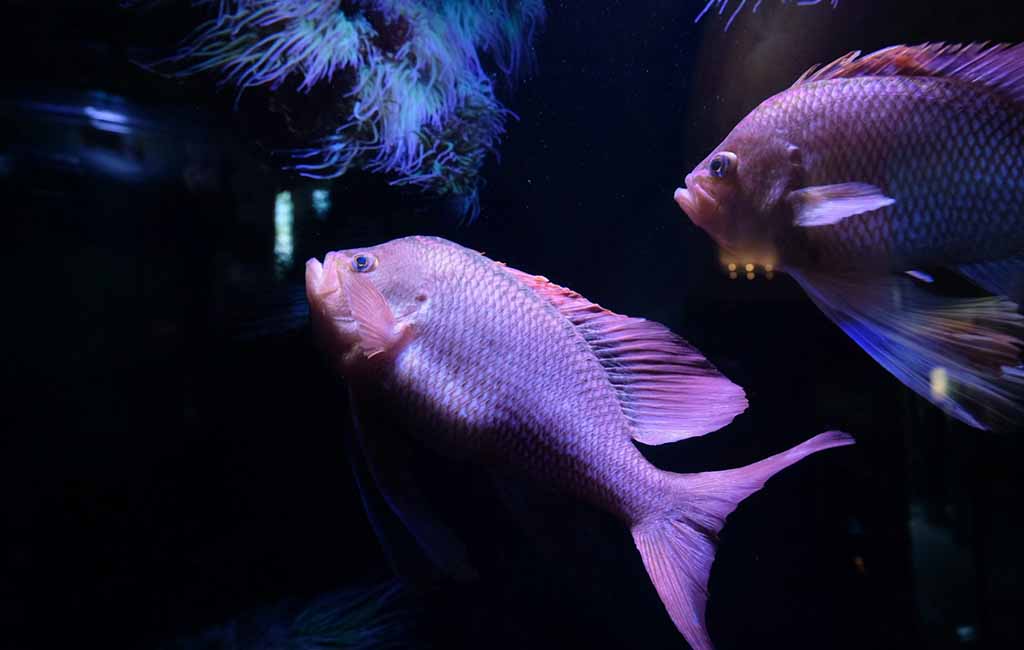
protein rich diet for fish
Different Species of Fish Crave Different Types of Protein
Every species of carnivorous fish possesses certain preferences in their choice of protein rich diet, based upon their natural environment and feeding patterns.
1. Betta Fish
Live or frozen foods such as mosquito larvae, bloodworms, and brine shrimp are good foods that betta fish like. Their digestive systems and mouths are geared towards insect proteins. Although it can be done with pellets, fresh protein sources make it better and energy.
2. Oscars
Oscars are huge, carnivorous fish that require a strong protein source. They feast on live feeder fish, shrimp, worms, and even protein pellets. Nevertheless, do not feed them with goldfish or feeder fish that can carry parasites. Rather, use safe substitutes, such as the pieces of tilapia or the high-quality pellet foods.
3. Arowanas
Arowanas are surface predators that feed on insects, frogs, and small fish in a natural habitat. They enjoy crickets, shrimp, and live feeder fish in captivity. Mealworms and silkworms are also provided by some aquarists. The foods provide the thick protein that they require to maintain their size and strength.
4. Cichlids
Numerous species of cichlids are carnivorous or omnivorous, and yet extremely protein-dependent. Popular options are bloodworms, daphnia, and krill. There are also specialized cichlid pellets, which are a good source of protein. Protein not only increases their coloration but also helps them in their aggressive breeding.
5. Catfish
Carnivorous catfish species, such as Redtail Catfish, need fish-filled, shrimp-filled, and worm-filled diets. They graze at the base; hence, sinking pellets or live animals are better. Catfish are capable of becoming very large and therefore regular feeding with protein is necessary to develop and longer life span.
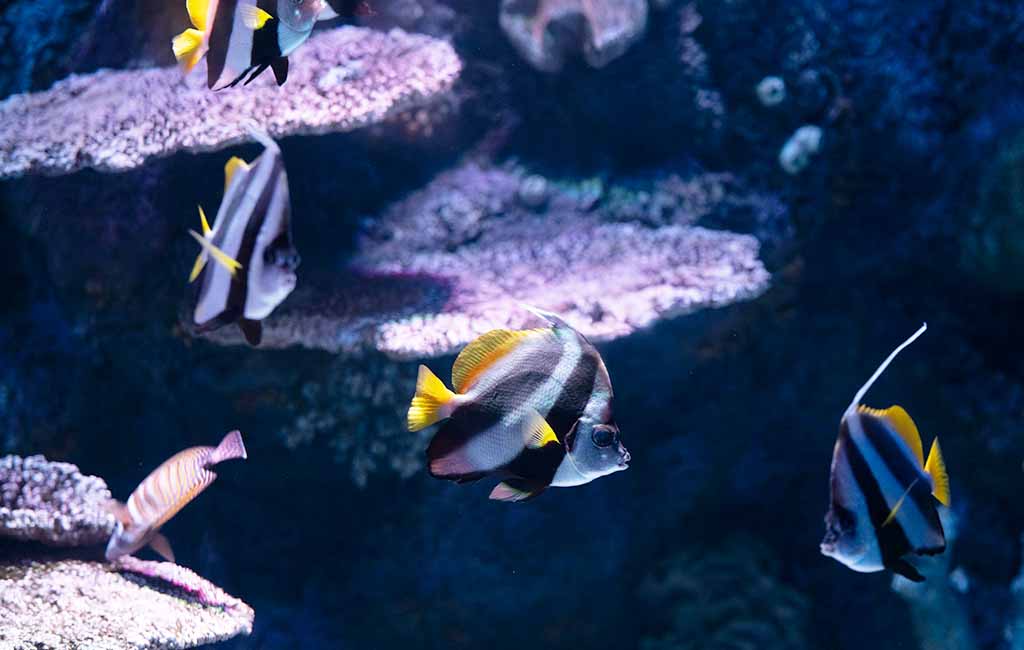
Find out protein rich diet for fish
Boost Your Aquarium Fish’s Protein-Rich Diet
When your fish are species that require high protein intake, you should be careful in planning. The correct feeding plan enhances development, wellness, and tank cohesion.
1. Identify Your Fish’s Protein Needs
To start with, you should research the species you keep. The protein demand of a Betta is vastly different from that of an Oscar. Observe your fish’s behavior. Active grazers, which usually consist of aggressive feeders, rather than passive grazers, typically require increased protein. Also, look at their stage of life, because juveniles require more protein as compared to adults.
2. Use High-Quality Commercial Foods
The packaging of premium fish pellets and flakes frequently includes the percentages of protein. Take only those that contain at least 40% protein in carnivorous species. Brands that use fish meal or shrimp, or insect larvae are more dependable compared to those that are full of grains or soy. Never purchase without checking labels.
3. Incorporate Fresh or Live Foods
Adding live or frozen proteins to pellets makes your fish their natural diet. The diet can be made more exciting or complete by feeding brine shrimp, daphnia, bloodworms, or mealworms. Natural hunting instincts are also stimulated by the use of live feeding, which minimizes boredom in aquariums.
4. Avoid Overfeeding
There is the temptation to add more protein to increase the growth within a short time, but overfeeding leads to wastage. Protein foods that are not consumed decompose quickly and result in spikes of ammonia, which is deadly to fish. Follow the portion regulation and eat in intervals that suit the metabolism of your fish.
5. Rotate Protein Sources
Don’t rely on one protein source alone. Rotate between fish meal, shrimp, and insects to ensure varied amino acid intake. This rotation prevents deficiencies and mimics the variety of fish that would naturally be encountered in the wild.
6. Watch for Signs of Deficiency or Excess
If your fish lack enough protein, you may notice faded colors, stunted growth, or lethargy. On the other hand, too much protein can cause bloating, digestive issues, and poor water quality. Monitoring their health regularly helps you adjust the diet on time.
Looking Ahead
A protein-rich diet is not just about feeding your fish more meat. It’s about understanding which fish need it, how much they require, and what sources are healthiest. Each carnivorous fish has unique needs, and as a fish keeper, you must balance protein with other nutrients. By combining high-quality commercial foods with live protein sources, you can create a diet that supports growth, enhances colors, and keeps your fish active.
Looking forward, fish nutrition research continues to evolve, with more aquarists turning to sustainable protein options like insect meal and plant-based proteins enhanced with amino acids. These alternatives reduce environmental impact while still meeting carnivorous fish requirements. By staying informed and observant, you can give your aquarium fish the protein-rich diet they deserve and enjoy a thriving, vibrant tank.
Related Products



Leave a comment