
Having fish in the aquarium is not only satisfying and calming, but also a burden. To maintain the health of your fish, as an aquarist, you must be able to note the initial symptoms of disease. Fish ulcers are one of the most worrying health issues in aquariums. Ulcers are open wounds that cause damage to the tissue and skin of fish. Otherwise, when not addressed promptly, they may propagate, undermine the immune system, and even lead to death. That is why knowledge of fish ulcers should be considered both fundamental and advanced by beginners and professional fishkeepers.
Content Table
fish ulcer
Aquarium Fish and Ulcers
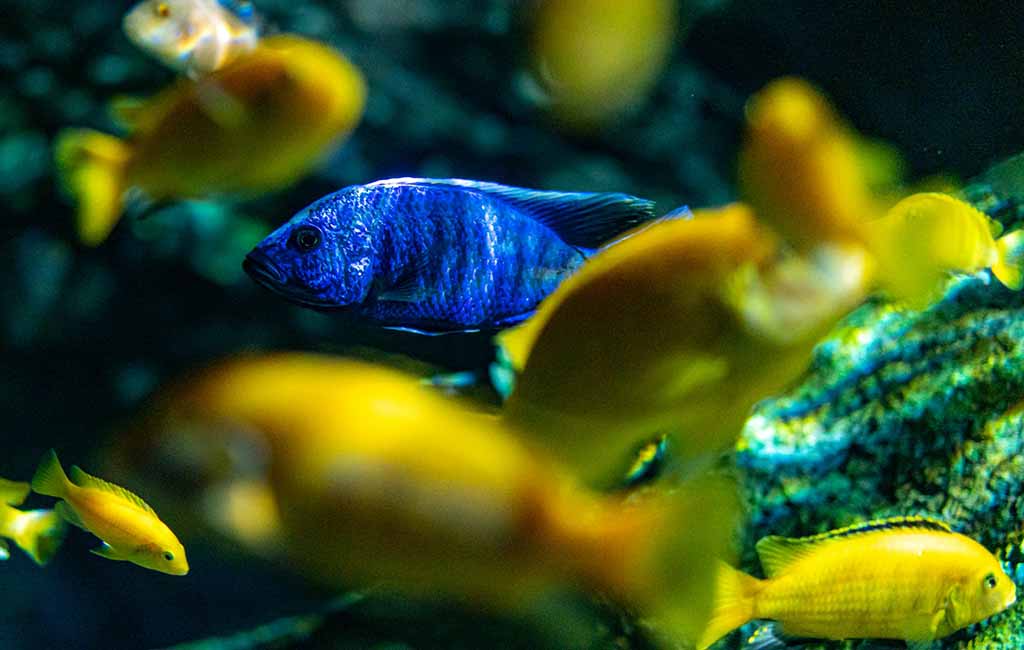
So, what is a fish ulcer? It is technically a visible wound that grows in the body of a fish, in simple terms. These sores are usually reddish, raw, or open like areas of lost scales or tissue. As opposed to minor injuries, ulcers are more severe since they are a sign that they carry within them infections or environmental issues.
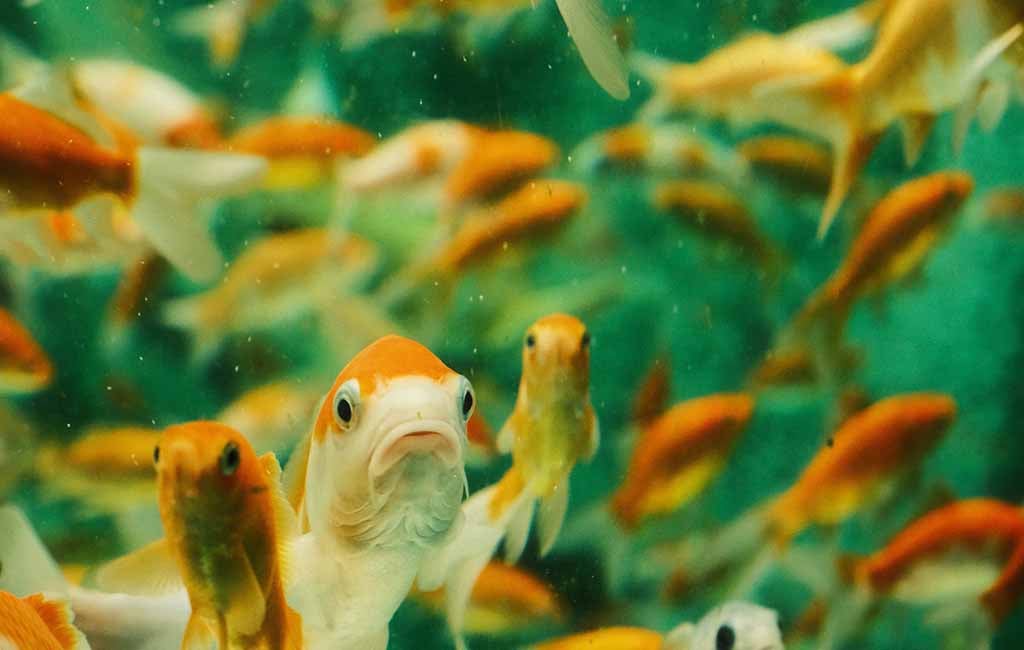
Fish with ulcers are particularly hazardous in an aquarium environment. Aquariums are closed systems with water and bacteria, and fish are closely related. When a single fish contracts the ulcer, other fish will easily contract it due to waterborne bacteria. Ulcers damage the skin and scale layer, exposing fish to further infections. This causes a disease chain that impacts the health of your whole aquarium.
The Cause of Fish Ulcers
The causes of fish ulcers may be many, and most of them are associated with inappropriate tank conditions. Learning these causes will enable you to avoid outbreaks and secure your aquarium.
- Poor Water Quality: The most popular cause of ulcers in aquarium fish is dirty water. Ammonia, nitrites, and nitrates are high in concentration and aggravate the skin of fish. So, they are predisposed to infections. Frequent changes of water and filtration are important in avoiding such issues.
- Bacterial Infections: The most common bacteria that cause ulcers are Aeromonas and Pseudomonas. These bacteria readily develop in a poor water environment and are easy to infect sick or wounded fish.
- Physical Injuries: Fish with ulcers may start as small wounds. Fish skin can be damaged by sharp decorations, aggressive tank mates, or rough handling. The wound may develop into a severe ulcer in case it gets infected.
- Parasites: The presence of parasites such as flukes or protozoa can irritate the skin of fish, scratching and injuring it. Such minute wounds may subsequently get ulcerated in case of bacterial invasion.
- Stress and Weak Immunity: Stress undermines the immune system of a fish, exposing it to the risk of getting ulcers. Such stress factors as overcrowding, abrupt water shifts, vicious tank mates, and an ill diet are involved.
These causes can be identified by the aquarists, who can then embark on preventative actions that would minimize the risk of fish ulcers in their aquarium tanks.
fish with ulcers
Behavioral Signs of Fish with Ulcers
Fish do not often demonstrate their discomfort in an obvious manner, as human beings do, but their actions can say a lot. It is possible to detect minor shifts in the behavior of fish and, therefore, early signs of health issues.
- Reduced Activity: A fish with an ulcer can become less active and spend more time in hiding. This gesture is an indication of weakness or discomfort.
- Loss of Appetite: The first sign of ulcers in sick fish is when they refuse food.
- Erratic Swimming: Certain fish can swim abnormally, move fast, or even seem to be clumsy. This is due to the fact that ulcers make one experience stress and pain.
- Scratching Against Surfaces: Fish may scratch against walls and rocks, or ornaments, to alleviate irritation. This action is usually a sign of skin problems or the existence of parasites.
- Isolation from Other Fish: Healthy fish normally swim together, whereas sick fish tend to isolate themselves. When you find a fish lingering in one spot, it might be sick.
Fish Ulcer Symptoms
In most instances, ulcers are manifested, yet the cases can be misdiagnosed with other disorders. Being aware of the chief symptoms, you will be able to identify the problem properly and take timely measures.
1. Red or Open Sores
Ulcers present as raw and red wounds on the body, fins, or the head. These sores can become deeper with time and inflamed, and in many cases, be infected by harmful bacteria that can progressively exacerbate the infection in case of inadequate treatment.
2. Loss of Scales
Scales fall off around the ulcer to reveal exposed tissue. This causes the area to appear patchy or rough, and the non-existent scales disrupt the natural barrier, which lets the pathogens enter without much difficulty.
3. Swelling or Raised Lesions
Ulcers that are infected can be swollen and raised in fluid-filled areas. It is an indication of bacterial infection, and the swelling is usually aggravated when the bacteria multiply, putting additional pressure on the fish.
4. Faded or Darkened Color
The ulcerated fish tend to lose their bright colors. Others can be pale, and others have dark spots around infection, which indicate stress, ill health, and low resistance to infection.
5. Fuzzy Growth Around Sores
When the ulcer has a secondary fungal infection, it may manifest itself as cotton-like fuzz around the ulcer. It exacerbates the situation when the condition is untreated, since the fungus feeds on the damaged tissue and delays the healing process.
6. Fin Rot
Sometimes the ulcers are also accompanied by fin damage or rot, and it becomes harder to swim. The torn fins make them more vulnerable, decrease their movement capabilities, and influence the ability of the fish to escape aggressive tank mates.
Fish Ulcer Symptoms
Aquarium Fish Ulcer Treatment
Treating ulcers in aquarium fish requires a combination of direct care and environmental improvements. The goal is to heal the sores, control infections, and prevent recurrence.
1. Quarantine the Affected Fish
Aquarium fish ulcer treatment needs a mix of direct and environmental treatment. It aims at healing the sores, managing infection, as well as avoiding recurrence.
2. Improve Water Quality
Test ammonia, nitrite, and nitrate levels in your main tank. Carry out partial water replenishment to create balance and to guarantee excellent filtration. The basis of any fish ulcer treatment is clean water.
3. Use Aquarium Salt
The stress is minimized and healing is facilitated by adding aquarium salt to the quarantine tank. Salt is also a weak antiseptic, which delays the growth of bacteria.

fish ulcer treatment
4. Apply Medications
Several treatments may be used to treat the underlying infections that cause ulcers:
- Antibacterial Medications: The use of antibiotics such as oxytetracycline or erythromycin can be used in treating bacterial infection.
- Antifungal Treatments: In case you find white fuzzy growths, antifungal drugs may be taken with antibiotics.
- Topical Treatments: In some cases, aquarists apply topical antiseptics to ulcers when handling is possible.
5. Strengthen the Immune System
Proper nutrition is extremely significant in recovery. Feed quality and rich protein foodstuffs with vitamins to boost the immunity of the fish. Do not feed excessively; otherwise, the uneaten food contaminates the water.
6. Reduce Stress Factors
Ensure that the tank setting is comfortable and steady. Do not overcrowd, add aggressive tank mates, or increase or decrease the temperature of the water. Stability has a positive effect on healing fish.
7. Monitor Progress
It is a lengthy process, and fish must be monitored every day. Check evidence of healing, with less redness and tissue regrowth. Keep treating the fish until it seems recovered.
By following these steps, you can increase the chances of saving your fish and restoring balance in your aquarium.
In Summary
Fish ulcers are a significant health issue in aquariums, but this can be controlled through proper care. The poor quality of water, bacterial infections, or physical traumas tend to be the causes of these open sores. It is important to understand the initial symptoms like lack of activity, loss of appetite, and obvious sores.
Treatment includes quarantining of the affected fish, water quality enhancement, and administration of suitable medicines. Proper nutrition, strengthening of the immune system through the addition of aquarium salt, and reduction of stress are all conducive to recovery. Above all, prevention is better than cure. Regular maintenance of tanks, stable conditions, and close monitoring can assist in ensuring that your fish is not at risk of getting ulcers.
Listening to your fish not only keeps them healthy but also produces a healthy, productive aquarium environment.
Related Products




That was very interesting. I will definitely be watching out for these situations. And my goal is to learn more about setting up a hospital tank