
If you have an aquarium, you have observed the fish and other aquatic pets hiding in coral reefs. They do so for various reasons. Some of the hiding reasons are natural, while others are concerning. These are discussed in detail as follows. Moreover, various marine and aquarium species that take refuge in coral reefs are discussed as well. At the end, you’ll also learn what coral reefs are getting back after offering the hiding spots.
Content Table
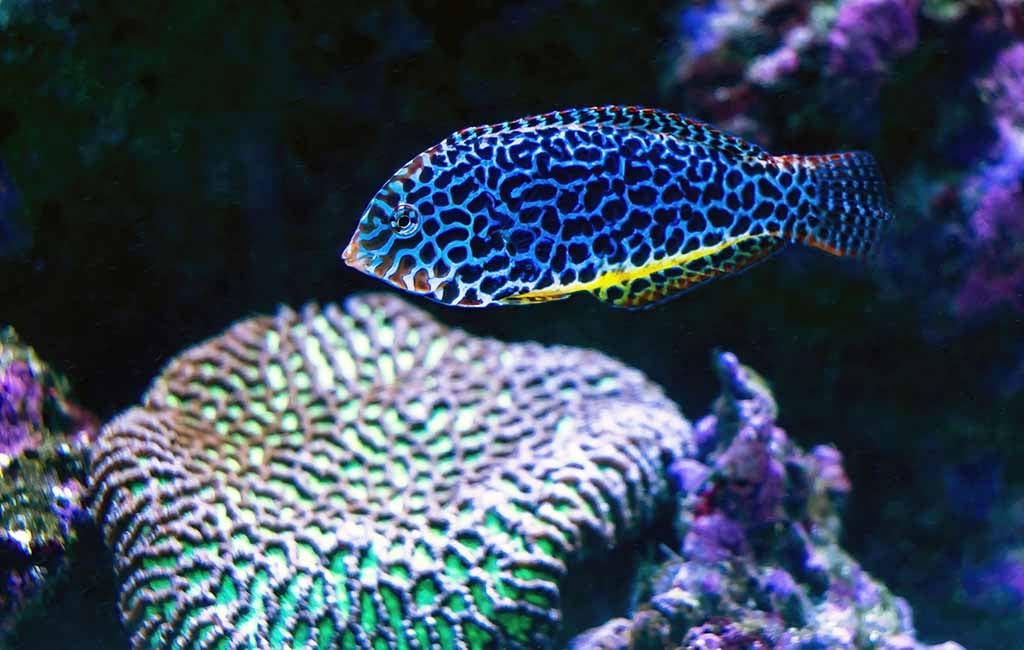
fish hiding
What Does It Mean If the Fish Is Hiding?
Fish hiding is a common phenomenon that aquarists frequently observe in their tanks. They hide themselves for two main reasons: natural behavior and stress. Both reasons require an aquarist’s attention. Details of this fish hiding behavior are as follows.
Normal Behavior
If your fish is eating on schedule, swims, and is healthy, but shows the following hiding routine, there is nothing to seriously concern you about it.
Natural Instinct
Fish are food for humans and many other species. When they sense a threat, they tend to hide.
Temperament
Some fish species are shy, nocturnal, and low-profile. They prefer to hide under aquatic decoration, plants, or other equipment.
Change in Environment
When fish are transferred to a new tank environment, they hide for a few days. When they feel comfortable, they begin to behave comfortably.
Breeding Season
Fish hide during the breeding season. They do so to guard their eggs under decorations, plants, etc.
Too Much Decor
It is natural for fish to hide when your tank is saturated with too much decor. They take advantage and hide to rest and enjoy.

fish hiding in coral
Concerning Reasons
Water Quality
When water parameters go out of the optimal range, i.e., ammonia, nitrite, nitrate, pH imbalance, and low oxygen, fish begin to hide.
Predators and Bullies
If your tank has predators and prey, prey fish tend to hide to save their lives. Moreover, fish also hide to save themselves from bullies.
Fewer Hiding Spots
If your tank has fewer hiding spots and wide open and well-lit spaces, fish hide themselves to take rest.
Sickness and Injury
Sick or injured fish lack energy. They need to conserve energy for faster rehabilitation. To regain their energy, they hide. Moreover, malnutrition also causes them to be timid and hide.
Why Do Fish Hide in Coral Reefs?
For various reasons, fish hide themselves in coral reefs. Here are some such reasons.
Reasons
Self Protection
Coral reefs have an intricate network of ledges, overhangs, and crevices. These hiding spots prove a haven for the small fish to avoid the large predator fish.
Symbiotic Relationship
Some fish species, clownfish, have a symbiotic relationship with coral reefs. Corals provide fish with hiding spots, and fish help to clean the corals from unwanted species or pollutants.
Rest
If you have both diurnal and nocturnal fish species, and any of them are predatory, corals will act as a safety shield. For example, if your nocturnal species are predators, diurnal species take refuge in the corals at night to rest and avoid any possible nocturnal species attack.
Food Sources
Many fish and invertebrates feed on algae, which grow inside coral reefs. In search of food, they go inside the corals to fulfil their appetite.
Breeding
Coral reefs have strong foundations and structure. This is one of the fish’s favorite places during the breeding season. In coral reefs, they attract mates, congregate, and reproduce.
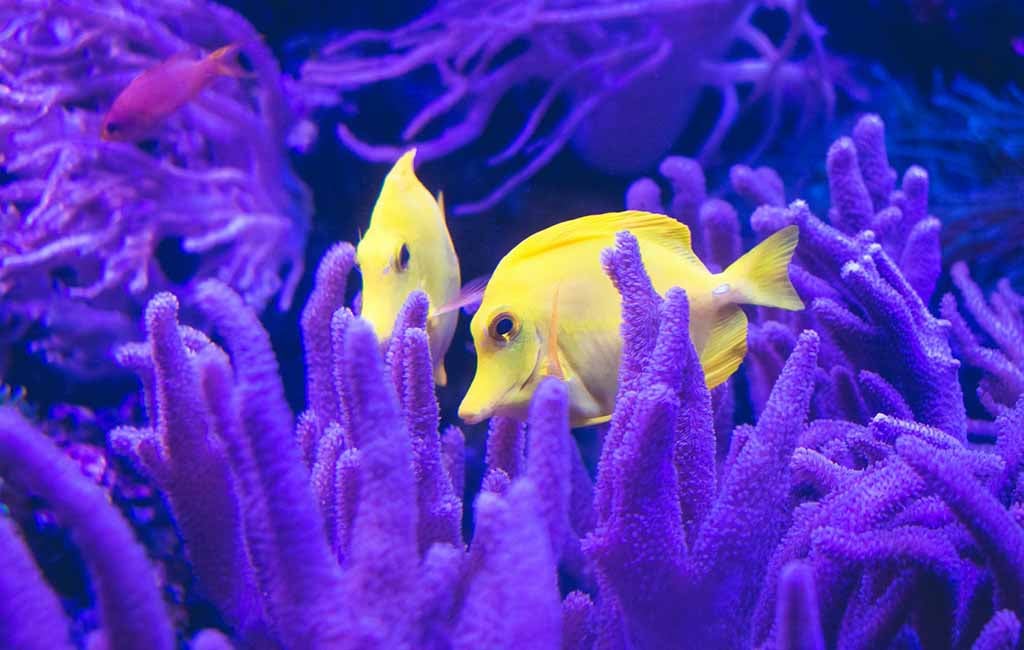
what fish hide in coral
How do they hide themselves?
Crevices and Ledges
Coral reefs have holes, crevices, lodges, bridges, and overhanging structures. These structures allow small fish to move inside the corals.
Anchoring
Some species can anchor to coral reefs. They squeeze into tight spaces and erect their spines, making it hard for predators to dislodge them from these tight spots in the coral.
Camouflage
Numerous fish species have a colorful appearance, similar to coral reef coloration. This helps to blend with the color and have the best cover to avoid predators.
Which Fish Use Coral Reefs to Hide in?
The ocean is home to millions of fish. Many of them live around the corals, and many of them also take refuge or hide in the corals. Here is a list of such fish species that hide in corals in the marine environment.
| Dascyllus marginatus | Chaetodon ornatissimus | Painted Frogfish | Royal Gramma |
| Ostorhinchus maculiferus | Lionfish | Hairy Frogfish | Mandarinfish |
| Calloplesiops altivelis | Neoniphon sammara | Warty Frogfish | Yellow-striped Cardinalfish |
| Myripristis adusta | Banggai Cardinalfish | Freckled Hawkfish | Fire Dartfish |
| Ostorhinchus sealei | Wirecoral Goby | Longnose Hawkfish | Starry Blenny |
Aquarium Fish Hidden in Corals
| Clownfish | Sand-dwelling wrasses | Fire Dartfish | Gobies |
| Damselfish | Fairy wrasses | Chalk Bass | Blennies |
| Cardinalfish | Royal Gramma | Candy Basslets | Anthias |
What Hides in Coral Besides Fish?
| Type | Species |
| Crustaceans | Crabs |
| Lobsters | |
| Pistol shrimp | |
| Cleaner shrimp | |
| Mollusks | Octopuses |
| Clams | |
| Nudibranchs | |
| Cuttlefish | |
| Echinoderms | Brittle stars |
| Sea urchins | |
| Feather stars | |
| Worms | Bristle worms |
| Christmas tree worms | |
| Feather duster worms | |
| Cnidarians | Small anemones that tuck into coral crevices |
| Other Invertebrates | Tiny amphipods |
| Isopods | |
| Copepods |
The Corals and the Animals It Hides
As discussed, fish and many other aquatic species hide in corals. They do so for various reasons. One thing that is worth knowing is that this is not a unilateral relation. The animals that are taking refuge in the corals also benefit the corals in some ways. Here is the relationship between corals and animals, which hide in them.
Fish
Fish hide in coral reefs to avoid predators, to take rest, and to find food. Some fish species have a symbiotic relationship, as fish clean the corals and the corals give them protection.
Crustaceans
They hide in the crevices to avoid predators. While some crustaceans, e.g., pistol shrimp, dig burrows near the corals. These burrows allow them and the Gobi fish to avoid predators as well. Moreover, these burrows allow nutrient cycling and distribution, aeration, sediment stabilization, and provide pest and algae controls.
Mollusks
Corals are one of the best places for mollusks to camouflage. Moreover, mollusks find shelter and safety from predators in coral reefs. They pay back to corals through algae control, filter feeders, and nutrient recycling. Some mollusks are dangerous for corals, as they see corals as a food source.
Echinoderms
They take protection from the corals and pay back by cleaning the reef from detritus.
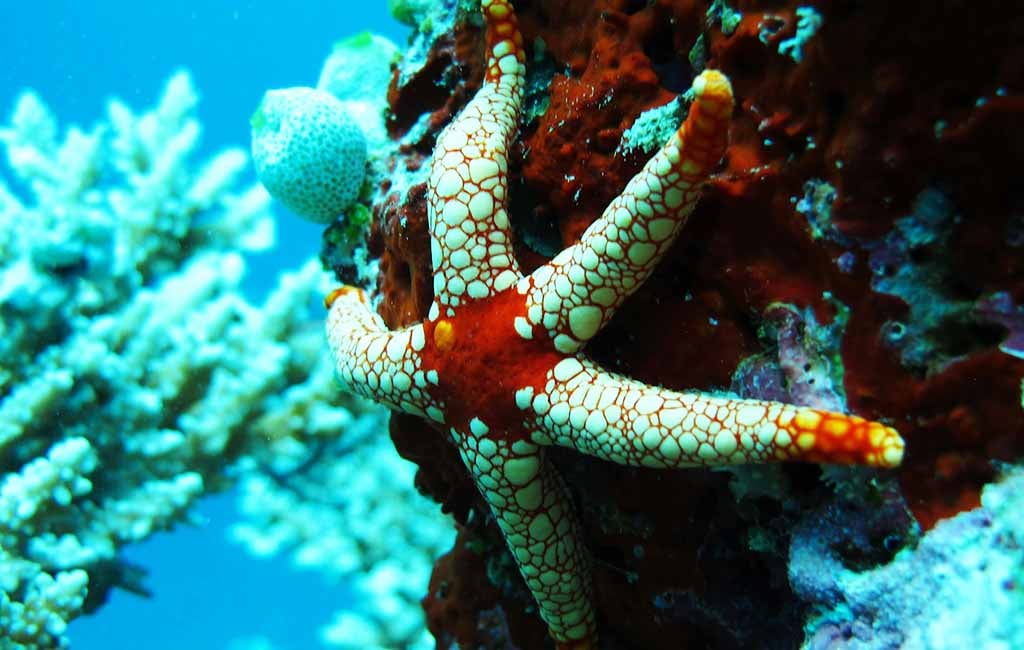
why do fish hide in coral
Concluding Remarks
Several fish species live inside coral reefs for various reasons, i.e., to rest, avoid predators, get food, etc. Some reasons are natural to hide, while some reasons are cautionary for aquarists, like water quality, tension among aquatic pets, too much lighting, etc.
Dascyllus marginatus, Ostorhinchus maculiferus, Calloplesiops altivelis, etc., are some marine fish that hide in corals. Similarly, you can keep such species in your aquarium as well. It is usually a two-way relation, i.e., corals provide a hiding spot, and fish and other living beings clean the corals.
Related Products



Leave a comment