
Aquarium maintenance varies by fish tank type, as each has distinct requirements. In the following, we will discuss maintenance for various types of aquariums. You will learn about various core principles of tank maintenance, key tips, and how to maintain freshwater, saltwater, and marine tanks. At the end, you’ll find the checklist for proper maintenance for different types of tanks.
Content Table
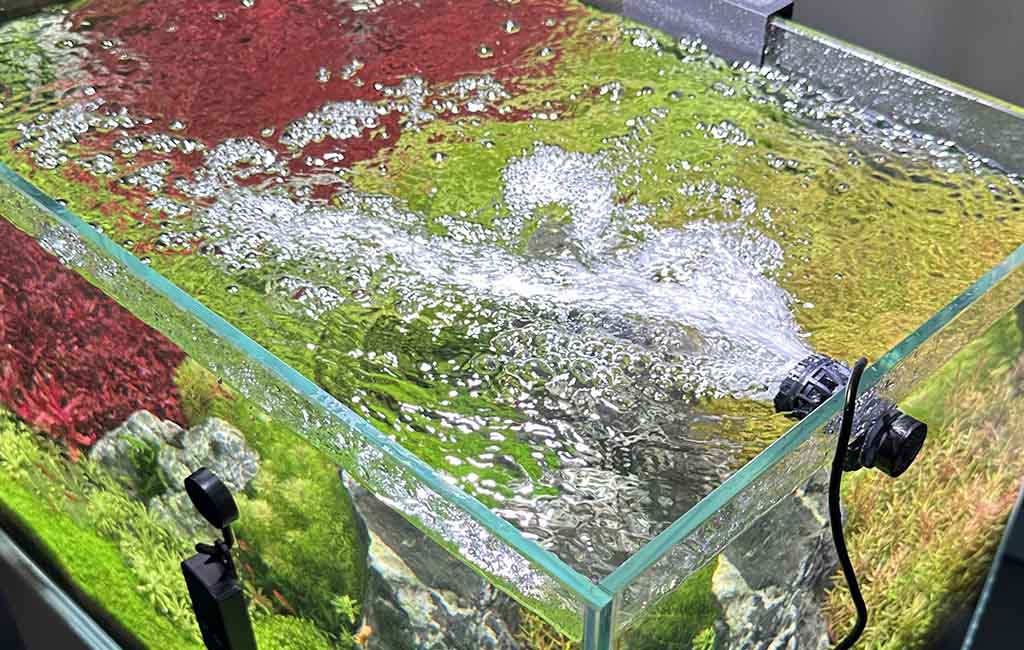
water types in aquariums
Different Water Types in Aquariums
Water tanks carry different types of water. It is crucial to understand these types as they affect the water change frequency, test kit selection, and fish type selection in your tank. If you don’t understand the water type and its chemistry and randomly add any fish, it can cause fish death. Here are different water types.
| Water Type | Ideal pH Range | Hardness (dGH) | Suitable Livestock Options | Suitable for |
| Freshwater | 6.8 – 7.8 | 4 – 8 | ● Guppies
● Betta fish ● Neon Tetras |
Beginner |
| Planted / Grass Tank | 6.5 – 7.5 | 4 – 8 | ● Tetras
● Rasboras ● Dwarf cichlids |
Intermediate |
| Blackwater | 4.0 – 6.5 | 1 – 4 | ● Tetras
● Rasboras Apistogramma ● Dwarf |
Intermediate to advance |
| Brackish Water | 7.5 to 8.4 | 10 – 25 | ● Mollies
● Knight Gobies ● Bumblebee |
Intermediate to advance |
| Marine / Saltwater | 8.1 – 8.4 | 7.5 – 10 dKH | ● Clownfish
● Damselfish ● Royal Gramma |
Advanced |
| Reef Tank | 8.1 – 8.4 | 7 – 10 dKH | ● Ocellaris Clownfish
● Royal Gramma ● Firefish Gobies |
Intermediate to Expert (They require to patience) |
Core Principles of Aquarium Maintenance
There are at least five core maintenance principles that are common to every tank. Here is a list of those principles with brief details.
Maintenance of the Nitrogen Cycle
A balanced nitrogen cycle helps to keep the fish and other species alive in the tank. Here is the brief breakdown of the nitrogen cycle. Fish produce waste that causes Ammonia production, and beneficial bacteria break down the Ammonia into nitrite. Again, nitrite is converted into nitrate with similar nitrifying bacteria. Nitrate is less harmful to fish and overall to tanks. Therefore, it is necessary always to introduce fish into a cycled tank.
Regular Water Change
Although nitrates are less harmful, they need to be replaced or diluted. Similar to nitrates, replenishment of essential minerals and removal of organic debris is necessary. All of these things are achievable with the help of a weekly or bi-weekly partial water change in the tank. Usually, this water change holds 20 to 30% of the total water volume. However, the percentage and frequency vary according to the tank type.
Filtration
Filtration is another core principle in tank management. It is recommended that your aquarium filter is at least 1.5X rated for your tank volume. Moreover, all three filters, i.e., mechanical, chemical, and biological, should work proactively. Don’t change all at once. Otherwise, your tank cycle will crash, and your tank will become a complete mess.
Water Testing
Regular water testing is another core aspect of tank management. It is suggested to perform water parameter testing at least once a week. It includes pH, water hardness, temperature, and other salient parameters. It will provide you with an overview of your tank condition.
Temperature Stability
Temperature stability is among the core principles for maintaining a stable tank. If your tank has a greatly fluctuating water temperature, it will cause stress to your fish regardless of their hardiness. Moreover, if water temperatures suddenly rise and fall, it causes stress among fish, which results in various issues.
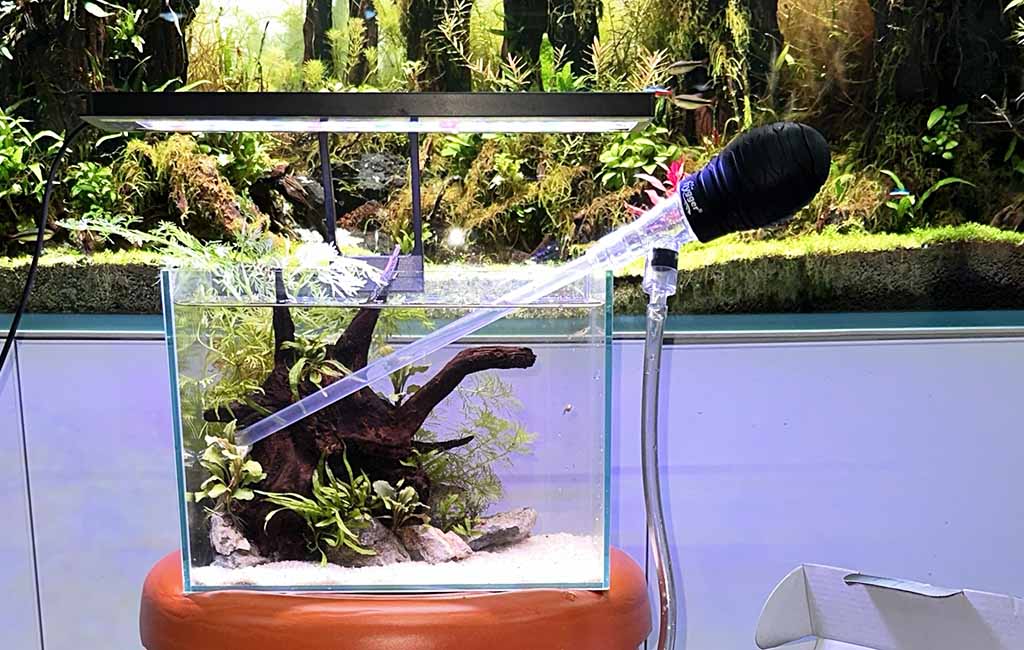
Maintenance Tips for Freshwater Aquariums
Key Maintenance Tips for Freshwater Aquariums
Freshwater tanks are the most common tanks and are also popular. Usually, beginners start their journey with a freshwater tank. These tanks are forgiving, easy to maintain, and can host hundreds of species. However, easy to maintain does not mean that you need to do nothing about maintenance. Here are some maintenance aspects that you need to do.
Weekly Freshwater Maintenance Tasks
- Change 20 to 25% tank’s water weekly.
- Remove the debris and leftover food. You can use a gravel vacuum to do so.
- Test the water parameters. It includes pH, temperature, ammonia, nitrate, nitrite, water hardness, etc. Optimal parameters are as follows.
- Scrap algae from tank walls and decoration. Using soft clothing or a magnetic scraper both help to clean the tank’s walls.
- Inspect the functionality of different equipment, i.e., heater, lights, filters, etc.
- Closely inspect each fish for apparent disease signs or behavioral change toward activity or food consumption. Also, don’t overlook any other unusual physical change.
Monthly Freshwater Maintenance Tasks
- Rinse the filter media with the stable aquarium water. It will help to keep the bacterial colony preserved in the tank.
- Trim the plants and remove rotting leaves.
- Deep-clean the decorations in the tank.
- Recalibrate the thermometers.
Optimal Water Parameters For Freshwater Tanks
Here are the safe ranges and danger zones for freshwater parameters. Moreover, maintenance tips are also here.
| Parameter | Safe Range | Danger Zone | Action if Off |
| Ammonia | 0 ppm | > 0.25 ppm | Change 30% water volume of the tank. |
| Nitrite | 0 ppm | > 0.25 ppm | ● Do a water change
● Add Seachem Prime |
| Nitrate | < 20 ppm | > 40 ppm | ● Large water change
● Reduce feeding |
| pH | 6.5 – 7.6 | < 6.0 or > 8.0 | ● Use pH buffer
● Check KH |
| Temperature | 72 – 82°F | < 65°F or > 86°F | ● Adjust aquarium heater
● Check room temp |
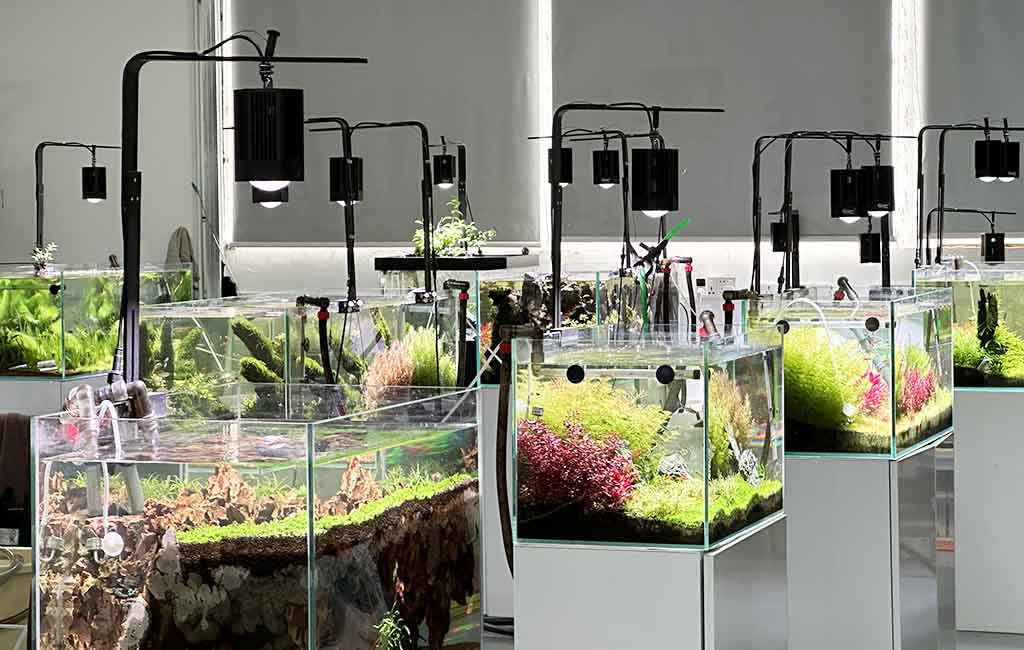
aquarium maintenance
Planted Tank Maintenance Key Tips
Having a planted aquarium requires some expertise. Other than the regular maintenance routine, you need to put some extra effort into a planted tank.
Tank Identification
Before starting the maintenance ritual, you need to identify whether your tank is low-tech or high-tech. Both tanks have different maintenance requirements.
CO2 management
If you have a high-tech tank, manage the CO2 supply in the tank. Keep it between 20 and 30 ppm. Use a drop checker. For the drop checker, lime green is an ideal option. Moreover, turn on the supply for 1 hour before turning on the lights and turn it off 1 hour before shutting down the lights. However, CO2 management is not required for low-tech planted tanks.
Fertilization
High-tech planted tanks require more fertilization than low-tech tanks. However, both need it. For better plant growth, it is necessary to add both micro(Manganese, iron, etc.) and macro nutrients(N, P, K). Use the estimative index for optimal fertilization in the tank. It will avoid you overdosing or underdosing.
Lighting
Low-tech tanks require less lighting than the high-tech planted tanks due to the CO2 supply in the tank. Although aquarium lighting requirements vary according to the plant type. Usually, it is safe to keep the lights on for 6 to 8 hours a day. More than 8 hours usually causes an algae bloom in the tank. It is wise to use a timer to regulate the lights.
Substrate
Always use a high-nutrient substrate. It will help to optimize the plant growth. Moreover, if you want to improve the aesthetics, you can also cap the substrate with gravel.
Trimming
It is necessary to regularly trim the plants. Trim about 30 to 50% in stem plants to avoid the mess. Always trim the bottom stems. It will promote dense plant growth.
Algae Control
In high-tech planted tanks, it is highly required to properly control the algae growth. You can achieve it by balancing the lighting intensity and hours, optimizing the CO2 supply, and providing proper nutrient supply. Mostly, these three reasons are behind the algae bloom. So, it is necessary to properly diagnose the reason for the algae bloom before treatment.
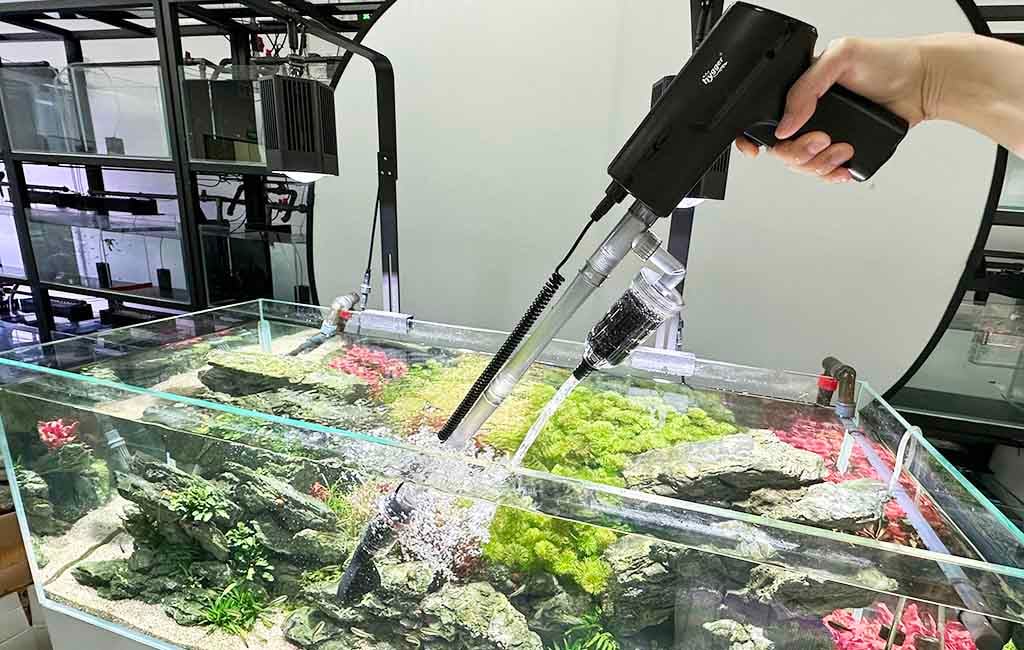
Tank Maintenance Key Tips
Blackwater Tanks Maintenance Key Tips
Blackwater tanks are not some filthy water tanks. It has a dark color due to tannins leached from botanicals in the water. Black water tanks are associated with soft and acidic water. Here are a few tips to manage blackwater tanks.
- Use a digital pH meter to check the water pH, as most testing kits don’t respond properly at low pH, i.e., less than 5.
- Always remain cautious about the large water changes. They have low GH and KH. In other words, blackwater tanks have less buffering capacity, and you can experience pH swings happening fast.
- Don’t worry about the tannins, as they are beneficial.
- Keep the nitrate level low because an acidic environment slows down some nitrifying bacterial activity in the tank.
- Always go with a small 10 – 15% weekly water change. Always use re-mineralized RO/DI water to lower the GH. It will help to bring the shock in the tank.
- If you need to replace the botanicals in the tank, replace them gradually. Sudden replacement will bring maintenance issues.
- Regularly replenish the botanicals.
- Don’t vacuum the substrate. It will remove the decomposed material from the tank that is necessary for the plant’s growth.
- Don’t overclean the filter.
- Regularly test the water parameters to avoid any mishap
Marine and Saltwater Tanks Maintenance Key Tips
Marine and saltwater tanks require more precise maintenance. Otherwise, fish and corals that were thriving previously will find it difficult to survive. Here are some important tips.
- Maintain the water parameters, as saltwater and marine tanks are less forgiving regarding water parameters.
| Parameter | Typical Marine Range |
| Salinity | 1.023–1.026 specific gravity |
| Ammonia | 0 ppm |
| Nitrite | 0 ppm |
| Nitrate | As low as possible |
| Temperature | 76–80°F |
- Top of evaporation freshwater only, not saltwater.
- Test salinity every week.
- Regularly clean the skimmer.
- Weekly change is about 10 – 15% of the tank’s water.
- Mix the new saltwater before adding it to the tank.
- Feed fish once or twice daily.
- Weekly, remove the salt creep and vacuum the substrate.
- Avoid overfeeding and always be patient.
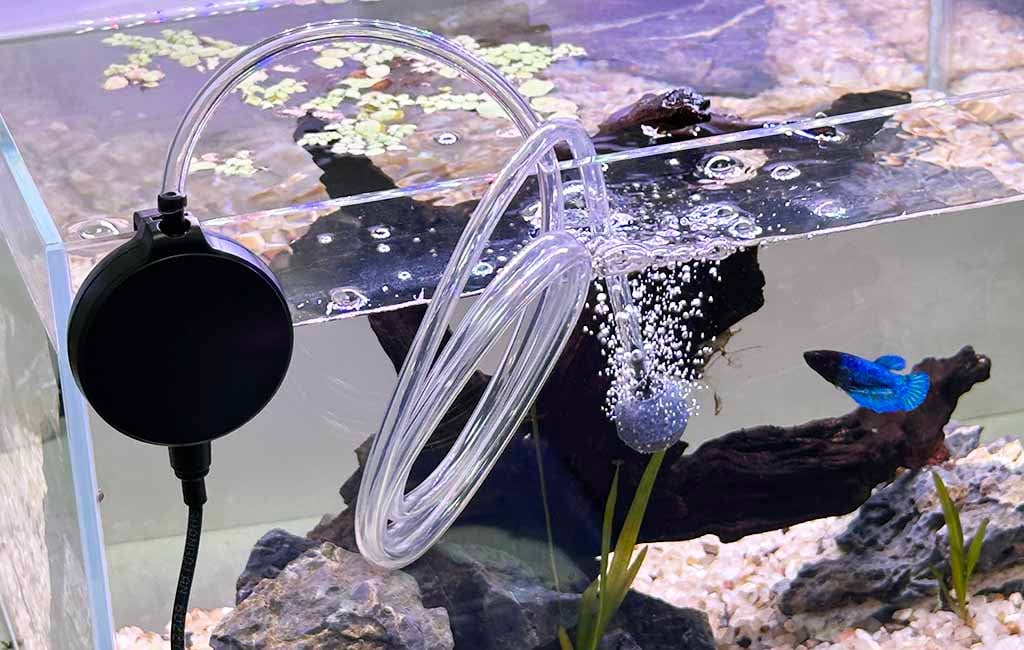
Different Water Tank Maintenance
Different Water Tank Maintenance Checklist
Tank maintenance is a major hustle in a tank-keeping journey. Regularly maintain your tank to enjoy the fruit of a happy tank environment. Here are some checklists for different types of tanks.
Weekly checklist for freshwater tank
- Test pH, ammonia, nitrite, nitrate
- 20–25% water change with gravel vac
- Clean the glass of algae.
- Inspect fish for disease.
- Check heater & filter flow.
Weekly checklist for planted tanks
- Dose fertilizers (macro + micro)
- Check the CO₂ drop checker color.
- Trim overgrown stem plants.
- Remove dying or melting leaves.
- Test nitrate & phosphate
Weekly Checklist for Blackwater tank
- Test pH with a digital meter
- 10–15% water change with RO water
- Replace decomposed botanicals
- Check KH (buffer capacity)
- Observe fish behavior closely.
Weekly checklist for a marine or saltwater tank
- Test salinity, pH, alkalinity
- Test calcium, magnesium, nitrate, phosphate
- 10–15% water change
- Clean protein skimmer cup
- Check all powerheads/wave makers& return pumps.
Common Monthly maintenance tips for all tanks
- Rinse filter media in tank water.
- Deep-clean décor if needed
- Calibrate pH and temperature tools
- Replace carbon/chemical media.
- Review livestock health records.
Every 3 to 6 months, Checklist for All Tanks
- Replace UV sterilizer bulb.
- Service or replace the filter impeller
- Inspect all tubing & check valves.
- Replace filters/membrane as needed.
- Audit livestock for overcrowding
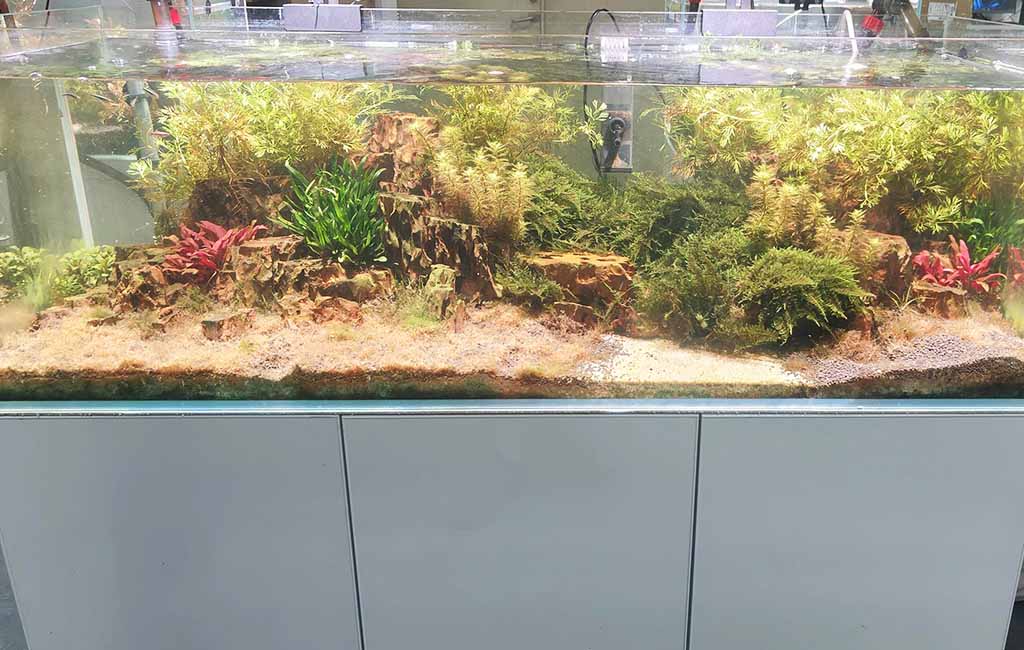
Planted Tank Maintenance Key Tips
Short FAQs
Are saltwater tanks high-maintenance tanks?
Yes, saltwater tanks require high maintenance.
What are common saltwater tank problems?
- Unstable water parameters (salinity and alkalinity)
- Nuisance algae blooms
- High nitrate/phosphate levels
- Fish diseases like velvet or ich
How long can saltwater fish go without being fed?
Most saltwater fish can live without food for 3 to 4 days.
What are suitable botanicals for a blackwater tank?
- Indian Almond Leaves
- Magnolia Leaves
- Alder Cones
- Various seed pods
Which tank is easy to maintain and suitable for beginners?
A 20-gallon freshwater tank is widely considered the best starting point for beginners.
Related Products

Leave a comment