
Most aquarists focus entirely on fish health and overlook the fact that new plants in the fish tank can carry pathogens, algae spores, and disease-causing organisms that destroy an established setup. Live plants look healthy at the store.
Content Table
That does not mean they are safe. Understanding when to start new plants in a fish tank, how to prepare the tank correctly, and how to supply water-borne nutrients to plants the right way determines whether the aquascape thrives or slowly falls apart. This guide covers each step with the detail that actually matters.
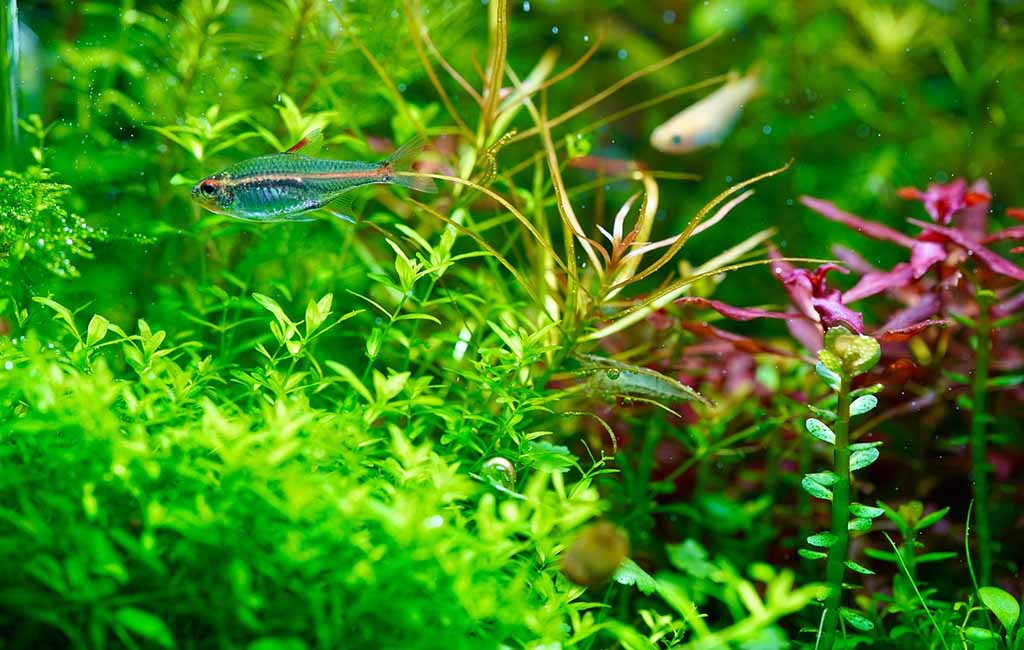
When to start aquarium plants
Getting Started With Aquarium Live Plants
New aquarists tend to grab whatever looks appealing at the pet store and place it straight into the main tank. That is where most problems begin.
Before adding any live plant, get familiar with a few core ideas:
- Know the plant type. Stem plants, rosette plants, mosses, and rhizome plants each carry different care needs. Java fern does not belong buried in substrate. Anubias thrives anchored to driftwood. Knowing the difference prevents a lot of dead plant removal later.
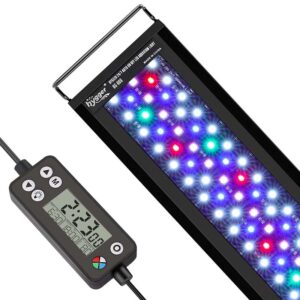
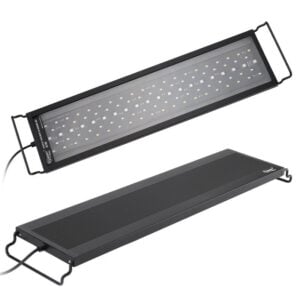
- Match plants to lighting. Low-light species like Anubias and Java moss perform well under basic aquarium LEDs. Highlight plants like Glossostigma require strong, targeted spectrum lighting to survive.
- Check compatibility with the fish. Goldfish eat soft-leafed plants. Cichlids uproot nearly everything. Selecting plants that can survive the fish in the tank is just as important as selecting water parameters.
Most early failures happen because the plant was wrong for the setup, not because the aquarist made a serious mistake.
Set the Stage for New Plants in a Fish Tank
Substrate, Temperature, and Water Chemistry First
Before placing new plants in the fish tank, the environment needs to be stable and ready. Plants go into shock when water parameters shift. A tank that has not completed its nitrogen cycle will not support live plants effectively.
Check these values before planting :
- Ammonia: 0 ppm
- Nitrite: 0 ppm
- Nitrate: below 20 ppm for sensitive species
- pH: between 6.5 and 7.5 for most freshwater plants
- Temperature: 72°F to 78°F (22°C to 26°C) for tropical species
Substrate selection matters more than most beginners expect. Plain gravel holds plants in place but offers no nutritional value. Nutrient-rich substrates like hygger Aquarium Soil feed plants at the root level, which reduces how much supplemental dosing is needed later.
When to Start Aquarium Plants
This is a question that confuses a lot of beginners. Knowing when to start aquarium plants depends on whether the tank is brand new or already running.
For a new tank: Plants can go in from day one. Planting before adding fish is actually a sound strategy. Plants help cycle the tank by absorbing ammonia and nitrite during the early weeks. Fast-growing species like Hornwort and Water Sprite are especially effective at this.
For an established tank, when to start aquarium plants in a running system means confirming stable water parameters first. A tank with elevated ammonia or nitrite will stress new plants before they have a chance to develop roots.
A Simple Milestone Checklist
Before adding live plants, confirm the following:
- The tank has been running for at least two weeks
- Ammonia and nitrite are both at zero
- Lighting runs on a consistent 8 to 10-hour daily schedule
- Filter media is seeded and fully functional
- Temperature holds steady without major swings
Meet these markers, and the timing is right. Rush past them, and new plants in the fish tank will melt, decay, and potentially foul the water column for the fish as well. It is a small wait that prevents a much larger setback.
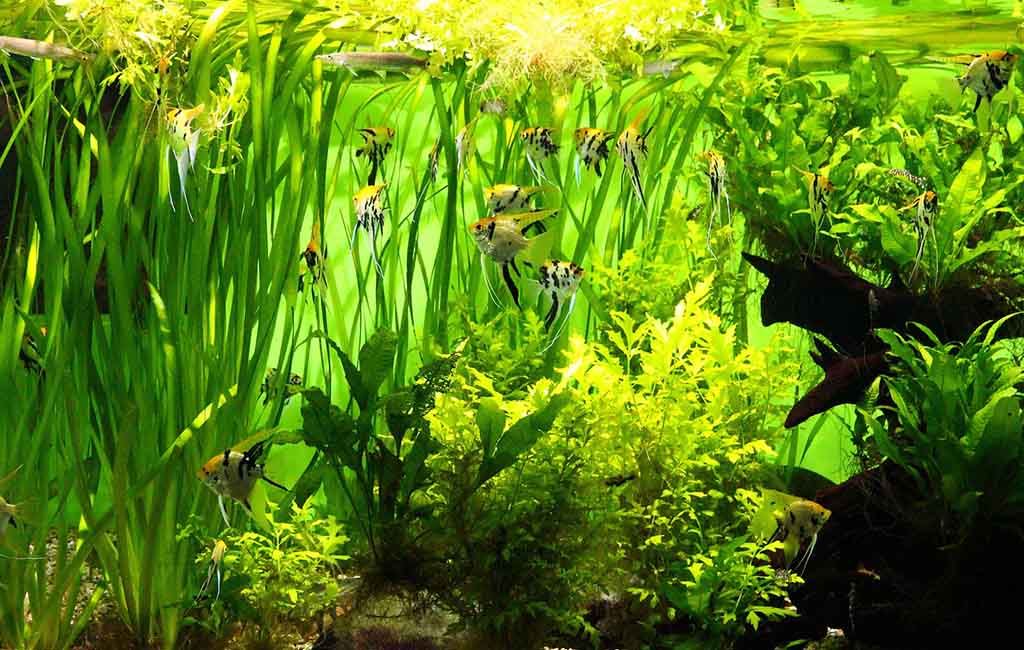
water-borne nutrients to plants
Supply of Water-Borne Nutrients to Plants
Why This Step Gets Overlooked
Roots absorb nutrition from the substrate, but leaves also feed directly from the water column. The supply of water-borne nutrients to plants is how floating species and column feeders like Hornwort and Vallisneria obtain most of their food. Skip this step, and the plants slowly starve regardless of how good the substrate is.
The primary water-column nutrients plants need :
- Macronutrients: Nitrogen (from nitrate), phosphorus, and potassium
- Micronutrients: Iron, manganese, zinc, copper, and boron
Liquid fertilizers handle the supply of water-borne nutrients to plants efficiently. Dosing twice per week after a water change maintains consistent levels without overloading the system.
One detail worth noting: the supply of water-borne nutrients to plants must stay balanced. Too much iron encourages algae growth. Too much phosphate triggers green water blooms. Test the water on a regular schedule rather than estimating.
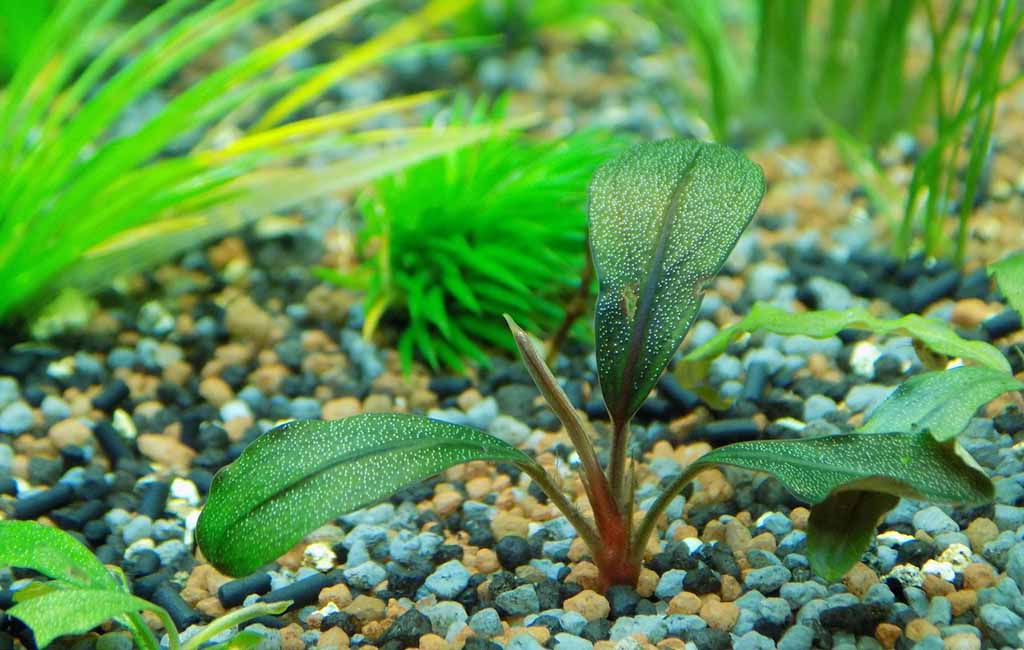
Tips for New Plants
Quick Tips for New Plants in Your Tank
A few practical points that prevent common problems:
- Rinse all new plants under clean dechlorinated water before they enter the tank. This removes debris, snail eggs, and surface contaminants picked up from store display tanks.
- Trim dead or rotting leaves before planting. Decomposing tissue spikes ammonia quickly and stresses nearby fish.
- Do not bury rhizomes .Java fern and Anubias will rot if their rhizomes are covered in substrate. Tie them to driftwood or rock instead.
- Use plant weights or anchors for stem plants until roots establish. This prevents them from floating to the surface and blocking light.
- Expect some melt. Many new plants in the fish tank shed their older leaves when transitioning from emersed (above-water) growth to submersed (underwater) growth. New, adapted leaves follow within a week or two.
Wait through the melt period. Pulling the plant out the moment it looks rough is one of the most common mistakes beginners make.
How to Avoid Poling Diseases in New Plants
Why Separation Matters
Some new plants should be located separately before entering the main display tank. Poling diseases, which are contagious plant conditions that spread through contact or shared water, move from one plant to another faster than most aquarists expect.
Common problems that travel with new plants :
- Blue-green algae(cyanobacteria): Spreads through spores carried in water and substrate
- Invasive snail eggs: Hitchhike on plant leaves from store tanks
- Parasitic organisms: Transfer to fish if plants come from an infected display
- Fungal rot: Spreads from decaying tissue to nearby healthy stems
The solution is straightforward. Set up a separate quarantine container, even a basic plastic bin with a small light, and keep new plants in the fish tank there for one to two weeks before moving them to the main aquarium. During that window, observe for signs of disease, pest activity, or unusual decay.
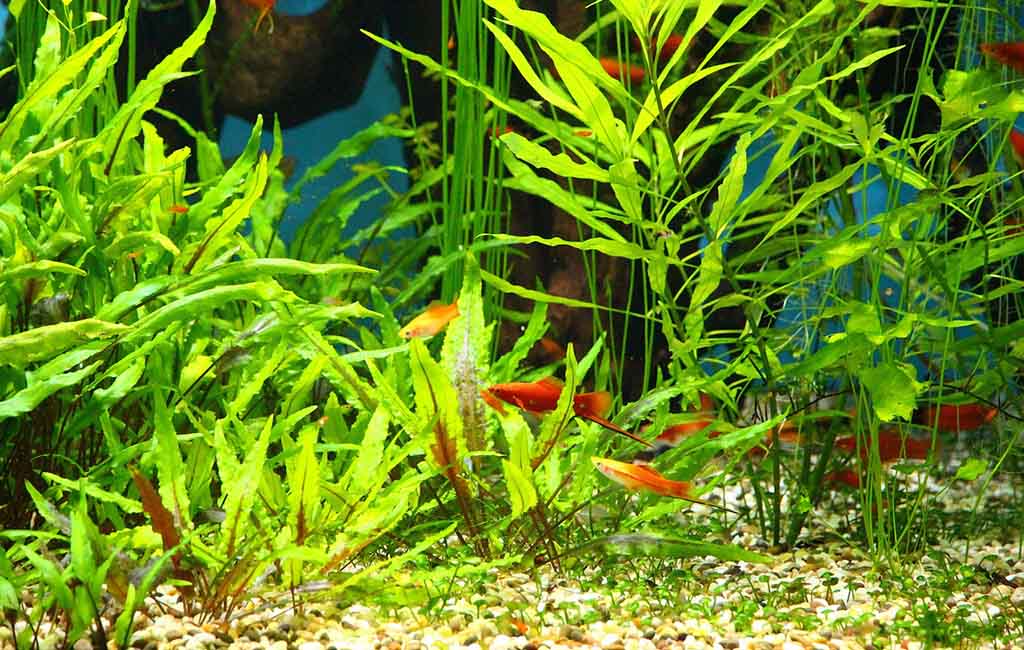
Avoid Poling Diseases in New Plants
A diluted bleach dip (1 part bleach to 19 parts water, maximum two minutes) eliminates most surface pathogens on hardy species like Anubias, Java fern, and most stem plants. Rinse thoroughly with dechlorinated water afterward.
Do not skip this step because the plants look healthy. Store display tanks share water with dozens of other tanks. That water carries more than plants. Knowing when to start aquarium plants in the main tank after a proper quarantine period protects everything already living there.
Take the First Step Today
Setting up live plants correctly takes some patience, but the results make it worth the effort. Understanding when to start aquarium plants, preparing a stable tank environment, and maintaining a steady supply of water-borne nutrients to plants gives every species a real chance to root and thrive.
Keeping new plants in the fish tank in a separate quarantine space first eliminates most disease risk before it reaches the main display. Start with one or two hardy species, observe how the tank responds, and expand from there at a measured pace.
Related Products

Leave a comment