
Most aquarium keepers obsess over tank size, water temperature, and filtration. Feeding gets treated as an afterthought. Yet what goes into a fish directly shapes how it grows, how vivid its colors become, and how long it lives.
Content Table
A well-structured protein-based diet changes everything about how fish develop in captivity. This aquarium article breaks down the actual science behind protein nutrition for aquarium fish, which foods deliver results, and how to match high-protein diets to fish types without turning the tank into a chemistry experiment.
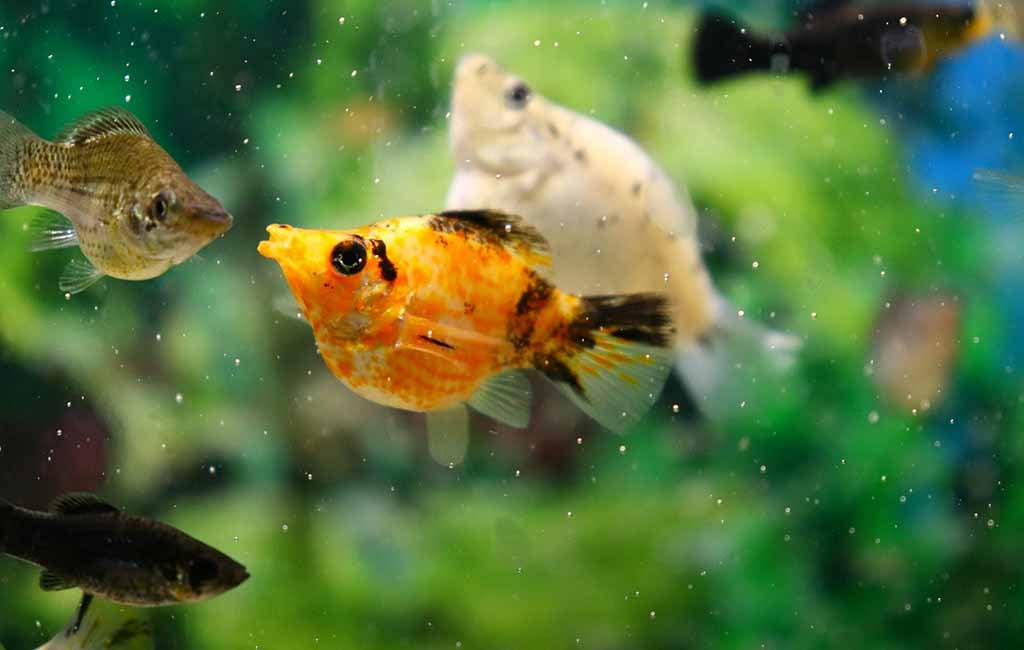
Protein Matters for Aquarium Fish
Why Protein Matters for Aquarium Fish Keeping
Protein is not just a nutrient. It is the primary building material for muscle tissue, organ development, fin repair, and pigmentation. Fish are ectotherms, meaning their metabolic rate shifts with water temperature, but their need for dietary amino acids stays constant regardless of season.
Amino acids like lysine, methionine, and arginine cannot be synthesized internally by most fish species. They must come from food. When a protein-based diet falls short on these essential amino acids, fish compensate by breaking down their own muscle tissue. The result is stunted growth, faded color, and increased susceptibility to disease.
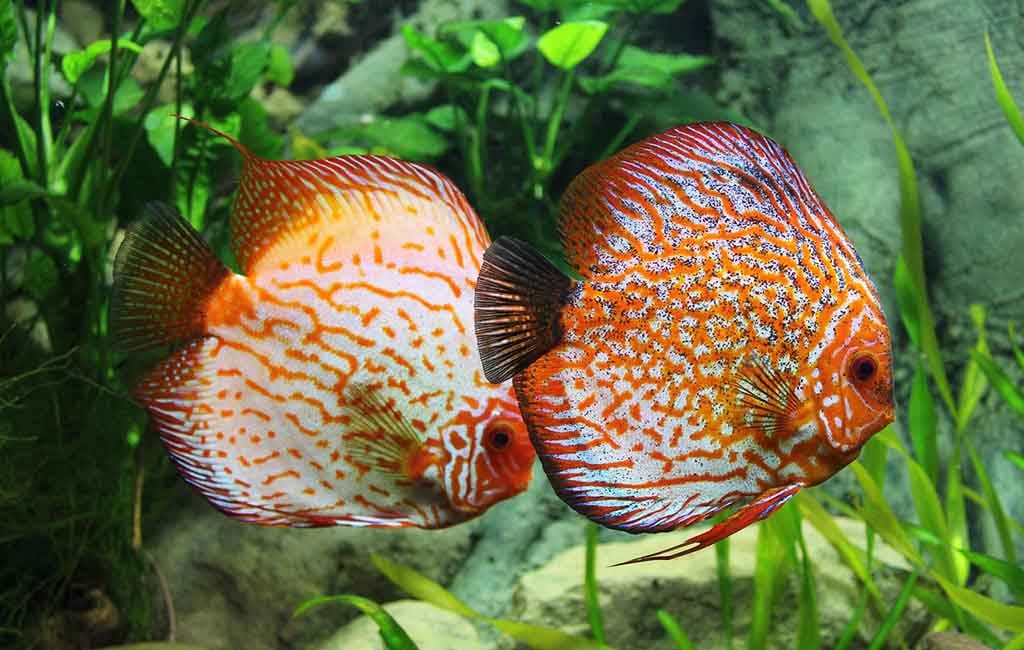
Protein also plays a direct role in color. Astaxanthin and canthaxanthin, two carotenoid pigments responsible for red and orange tones in fish like discus and koi, are absorbed and deposited more efficiently when the overall diet is high in quality protein. Without it, even fish with strong genetic coloration look washed out.
Types of High-Protein Foods for Aquarium Fish
Understanding the types of high-protein foods for aquarium fish matters more than simply picking the most expensive pellet off the shelf. Protein sources vary significantly in digestibility, amino acid profile, and suitability for different species.
Live and Frozen Foods
These are the gold standard for carnivorous and omnivorous species.
- Bloodworms (Chironomus larvae): High in protein, around 50 to 60 percent dry weight, and widely accepted by most mid-sized aquarium fish.
- Brine shrimp: Excellent for fry and small fish. Adult brine shrimp have a moderate protein content but are rich in fatty acids that support organ development.
- Daphnia: Sometimes called water fleas, these are a digestible protein source that also supports digestive health.
- Tubifex worms: Dense protein content, but wild-caught varieties carry bacterial risk. Frozen or irradiated forms are safer.
- Mysis shrimp: Higher protein and better amino acid profiles than brine shrimp, particularly good for marine species.
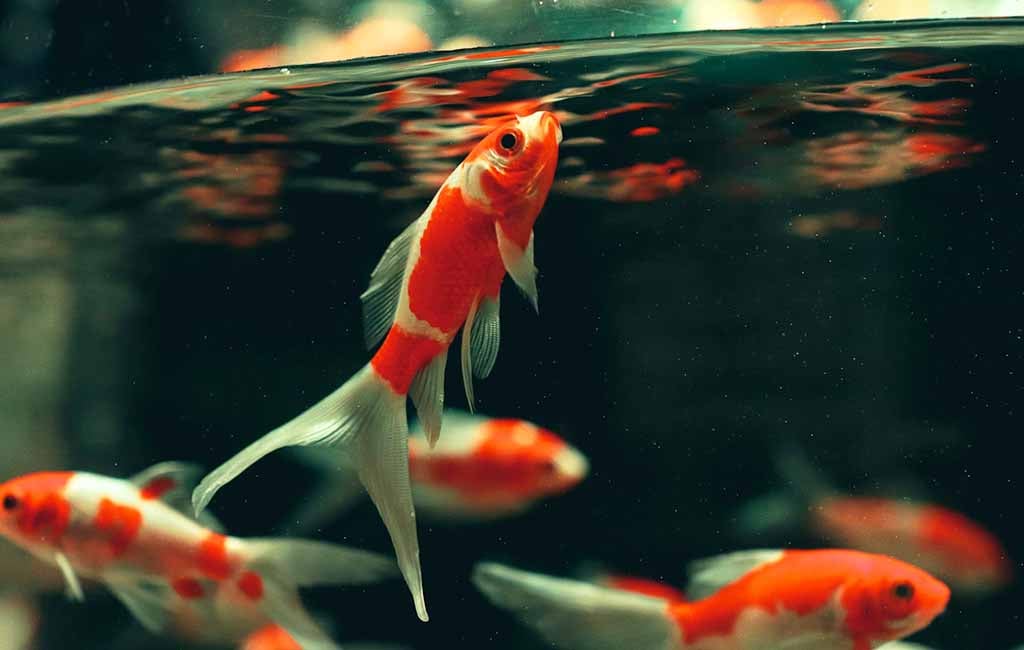
types of high-protein foods for aquarium
Dry Foods
Pellets and flakes make up the practical backbone of most feeding routines. When evaluating types of high-protein foods for aquarium setups, the first ingredient listed on a dry food label should always be a named animal protein, such as salmon meal, herring, or shrimp.
- High-protein carnivore pellets: Formulated with 45 to 60 percent crude protein for predatory species.
- Color-enhancing pellets: Contain astaxanthin and spirulina alongside protein sources to support pigmentation.
- Micro pellets: Designed for small-mouthed species like tetras and rasboras.
Whole Foods
Larger fish like cichlids, oscars, and arowana benefit from whole or cut animal proteins.
- Raw or blanched shrimp (without seasoning)
- Earthworms, which are high in protein and iron
- Silkworm pupae, which are increasingly popular for large cichlids and predatory species
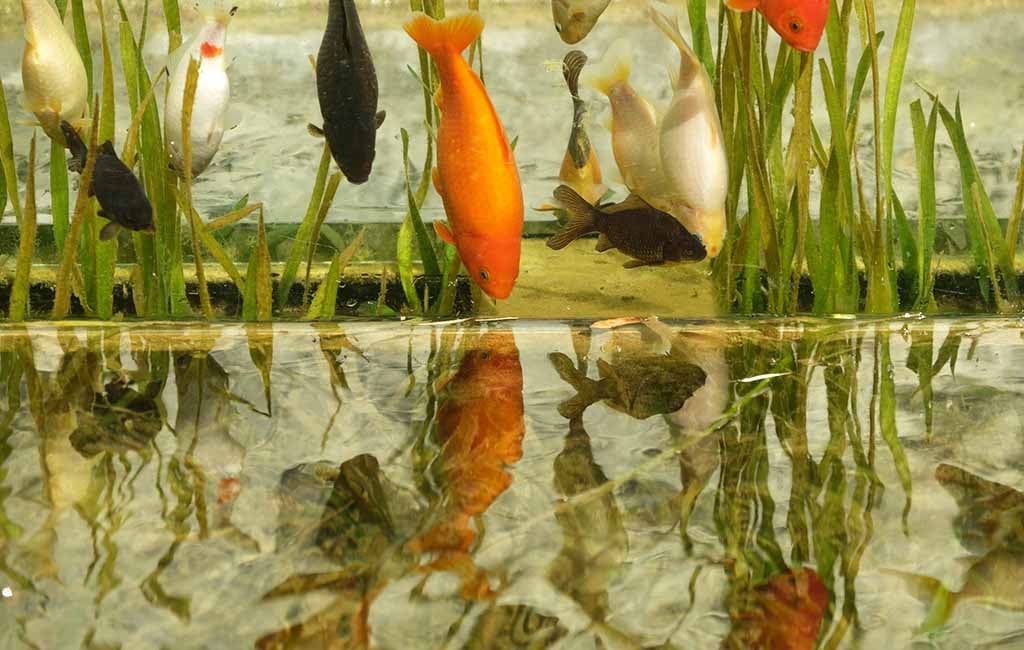
Alternative Protein Sources
Alternative Protein Sources
Sustainability and cost have pushed researchers and hobbyists toward alternative protein sources worth knowing about.
- Insect meal is now widely used in commercial aquaculture feeds. Black soldier fly larvae contain 40 to 50 percent protein by dry weight and a favorable amino acid profile that rivals fishmeal. Several premium aquarium brands now incorporate it.
- Single-cell proteins derived from yeast and algae are gaining ground. Spirulina, for example, sits at roughly 55 to 70 percent protein content and adds pigmentation benefits alongside nutritional value.
- Duckweed is a freshwater plant that contains up to 40 percent protein on a dry weight basis and is easily cultured at home. Herbivorous species like mollies and goldfish accept it readily.
These alternatives also reduce dependence on wild-caught fishmeal, which is worth considering for anyone keeping rarer or more sensitive species.
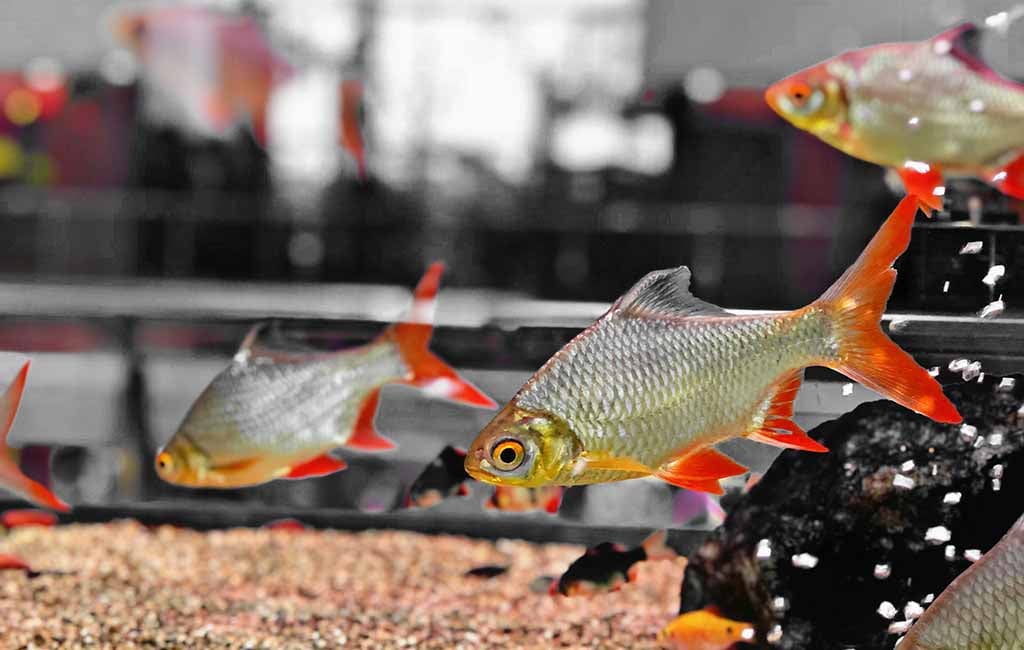
high-protein diets for fish types
Matching High-Protein Diets to Fish Types
Not every fish needs the same protein percentage. Matching high-protein diets to fish types requires understanding where each species sits on the predatory spectrum.
- Carnivorous Species
Oscars, arowana, peacock bass, and most large cichlids require a protein-based diet in the range of 45 to 55 percent crude protein. These fish have short digestive tracts built to process dense animal matter quickly. Feeding frequency is typically once daily for adults, with juveniles fed twice daily to support rapid growth phases.
- Omnivorous Species
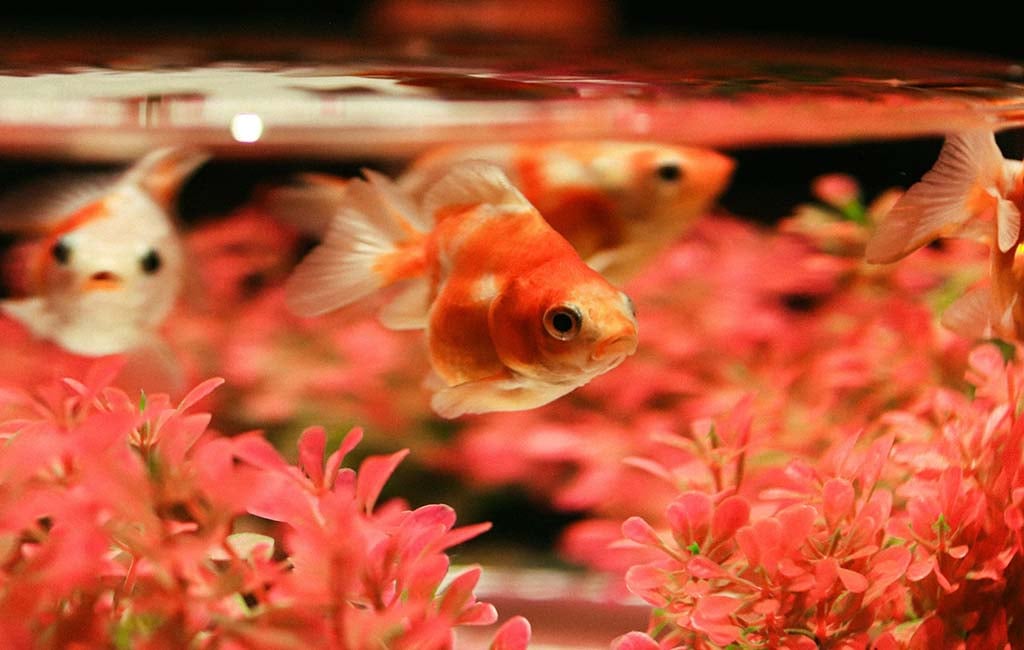
Goldfish, most community tetras, barbs, and gourami fall here. They need protein too, but in the 30 to 40 percent range, balanced with plant matter. Feeding twice daily in small portions works well.
- Herbivorous Species
Plecos, certain African cichlids like mbuna, and silver dollar fish need protein-based diet formulations with no more than 25 to 35 percent protein. Excess protein for these species leads to organ stress. Their primary nutrition comes from vegetable matter and algae, with protein serving a supporting role.
Feeding Strategies and Schedules
A few practical points worth following regardless of species.
- Feed what gets consumed in two to three minutes. Uneaten food breaks down rapidly and spikes ammonia. This is especially true for live foods and wet protein sources.
- Rotate food types. Relying on a single protein source creates amino acid gaps over time. Alternating between live foods, pellets, and frozen options across the week covers the nutritional spectrum more effectively.
- Adjust for water temperature. Fish metabolism slows in cooler water. During temperature dips, reduce feeding frequency rather than portion size to avoid wasted food.
- Fast once a week. A 24-hour fast once weekly gives the digestive system recovery time and reduces waste output. Most healthy adult fish handle this without any stress.
Avoiding Protein Metabolism Impacts
Avoiding Protein Metabolism Impacts
High-protein diets for fish types that are mismatched or overfed create real water quality problems. Protein breaks down into ammonia through fish waste and uneaten food. Ammonia converts to nitrite, then nitrate, and the accumulation of these compounds stresses fish and feeds algae.
A few ways to manage this:
- Test water weekly when increasing protein content. Ammonia and nitrite should read zero in a cycled tank. Any reading above 0.25 ppm warrants a water change.
- Increase filtration capacity if feeding high-protein foods regularly. Biological filtration needs sufficient bacterial colonies to handle the added nitrogen load.
- Use activated carbon or zeolite temporarily during protein diet transitions to absorb excess ammonia.
- Avoid overfeeding frozen or live foods in the same session. One high-protein food type per feeding is enough.
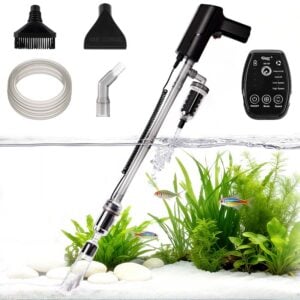
- Siphon the substrate more frequently during periods of higher protein feeding to remove waste before it breaks down.
Toxic algae blooms are another side effect of excess nitrogen in protein-heavy tank setups. Keeping the photoperiod (light schedule) at eight to ten hours per day and staying consistent with water changes keeps algae in check.
protein-based diet
Remember Every Effort Matters
Building a proper protein-based diet for aquarium fish takes some trial and observation. Growth rate, coloration, and waste output all serve as visible feedback. When the types of high-protein foods for aquarium feeding are matched thoughtfully to each species, the results show up in how fish look and behave within weeks.
Matching high-protein diets to fish types is not complicated once the basic framework is understood. Every feeding choice either moves fish toward their potential or away from it. That is worth paying attention to.
Related Products

Leave a comment