
Clean water is not the only key to the maintenance of a healthy fish tank. It is all about the proper balance of all the living and non-living components within it. By having a balanced ecology, the fish come out well, the vegetation and the tanks last longer. But when the balance is broken, issues such as algae blooms, stress, and fish aggression manifest themselves almost immediately.
Content Table
Now we are going to discuss the mechanism of this social balance of tanks. Various tank scenarios include freshwater fish tank balance and marine fish tank balance, and how to keep your fish in social harmony.
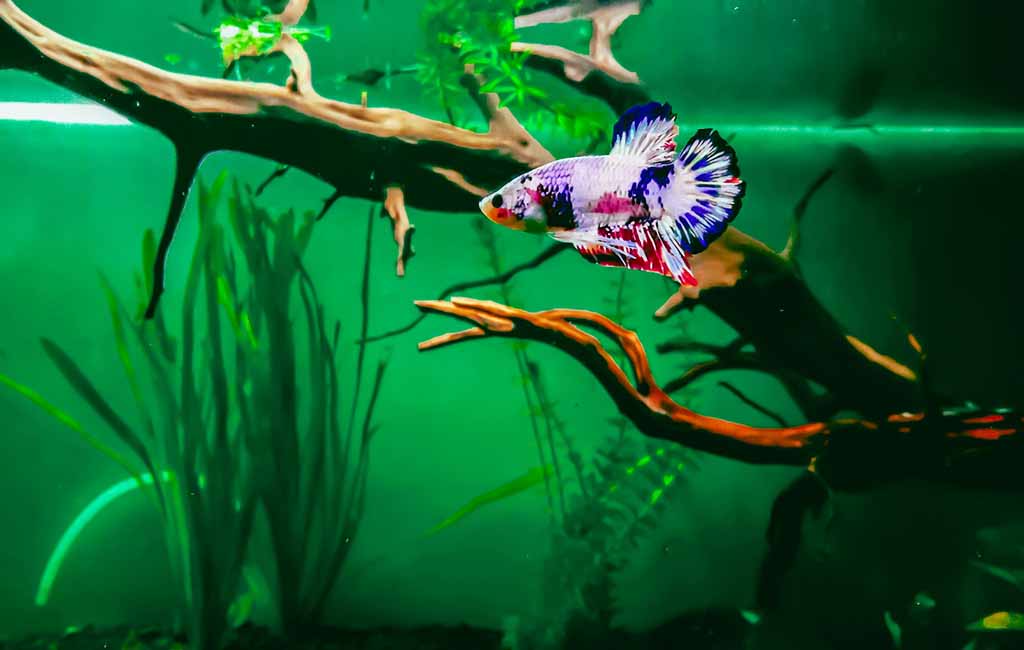
social balance of tanks
In Theory, the Balance Goes in Fish Tanks
Theoretically, an ecologically balanced fish tank is the reflection of the natural aquatic ecosystem. It controls the social balance of tanks, including biological, chemical, and physical actions. All the elements within it, such as fish, plants, microorganisms, light, and filtration, are useful.
This balance is based on the nitrogen cycle. In the process of fish eating, there is the generation of waste that emits ammonia into the water. Ammonia is also a poisonous, but harmless, bacterial transformation that gets turned to nitrite, then nitrate. When present in the form of nitrates, plants absorb the nutrients. Whereas the surplus is eliminated by frequent changes in the water.
This process is maintained through a balanced tank. It helps in avoiding the accumulation of harmful elements and maintains the fish healthy. Under the condition of a stable ecosystem, the water remains clear, the level of oxygen in it remains constant, and the pH level does not significantly oscillate.
In short, balance means everything in your tank supports each other. The biological load matches the filtration strength, and plants and fish coexist naturally without competing for space or oxygen.
The Inlet and Outlet Balance in Fish Tanks
The other key that prompts balance is water flow. Your tank has inlet and outlet points, and this helps in the circulatory action of your tank. This flow maintains nutrients, oxygen, and temperature to be uniform throughout the tank.
Small fish might not swim in water that is too vigorous. It also disrupts the sensitive plants and is a source of stress. Conversely, poor water flow creates stagnant zones, in which debris is accumulated, and algae grows at a quicker rate.
Better installation involves controlled flow rate filters. Waste and the uneaten food are collected in the inlet (the point where water flows into the filter). The outlet (where clean water enters) sprays water containing oxygen into a tank.
In order to maintain the equilibrium, wash your filter frequently and do not stuff inlets with decorations. Varied flow to have a circulatory effect of water in the tank. You will make fish swim carelessly, and plants swing naturally–it is a sign of good adjustment.
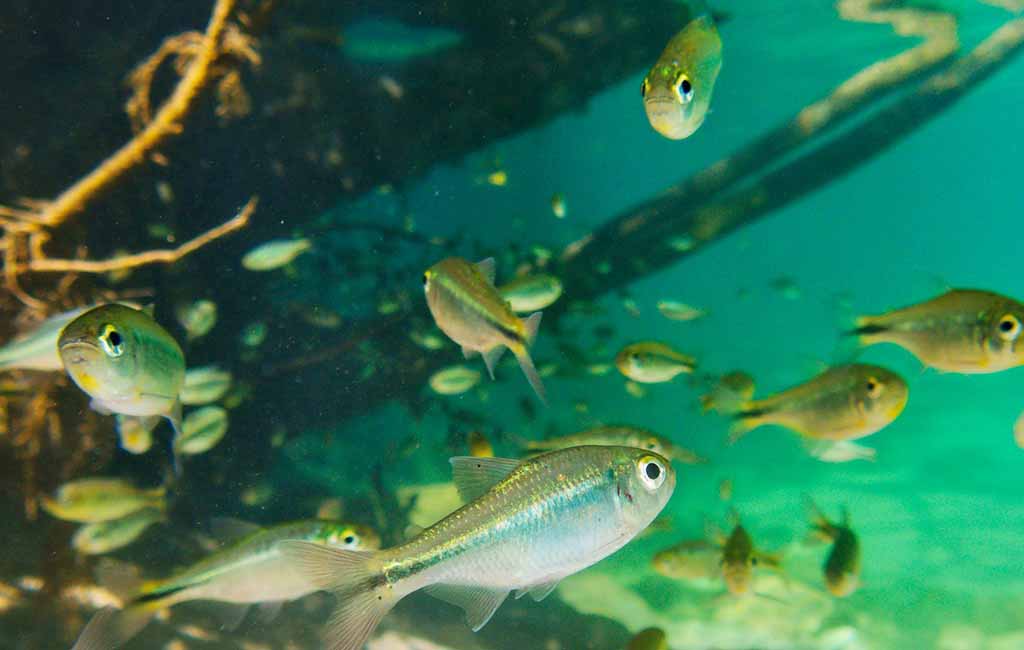
freshwater fish tank balance
Freshwater Fish Tank Balance
The social balance of freshwater tanks is easier to balance than that of the marine tanks, and yet they require care. Their equilibrium contains healthy water chemistry, appropriate stocking, and plant life.
Positive bacteria are important to a freshwater ecosystem. These bacteria are found in the filter, grave, and decorations, and they decompose waste. In case of death or weakening of the bacterial colony, the ammonia levels skyrocket, which is detrimental to the fish.
To maintain this balance:
- Cycle the tank properlybefore adding fish. This allows bacteria to establish.
- Test water regularlyfor ammonia, nitrite, nitrate, and pH levels.
- Don’t overfeed—leftover food decays and disrupts water quality.
- Include live plantslike Java Fern or Anubias to absorb nitrates naturally.
Constant lighting and temperature also suit freshwater tanks. Sudden variations in water parameters should be avoided since they stress fish.
A healthy freshwater tank will record a stable water level, pure water, and live fish in the performance aspect. When you realize that there is cloudiness in the water or the growth of plants is slow, then you may see that your tank is not in balance. Move in small steps, instead of making huge and abrupt adjustments.
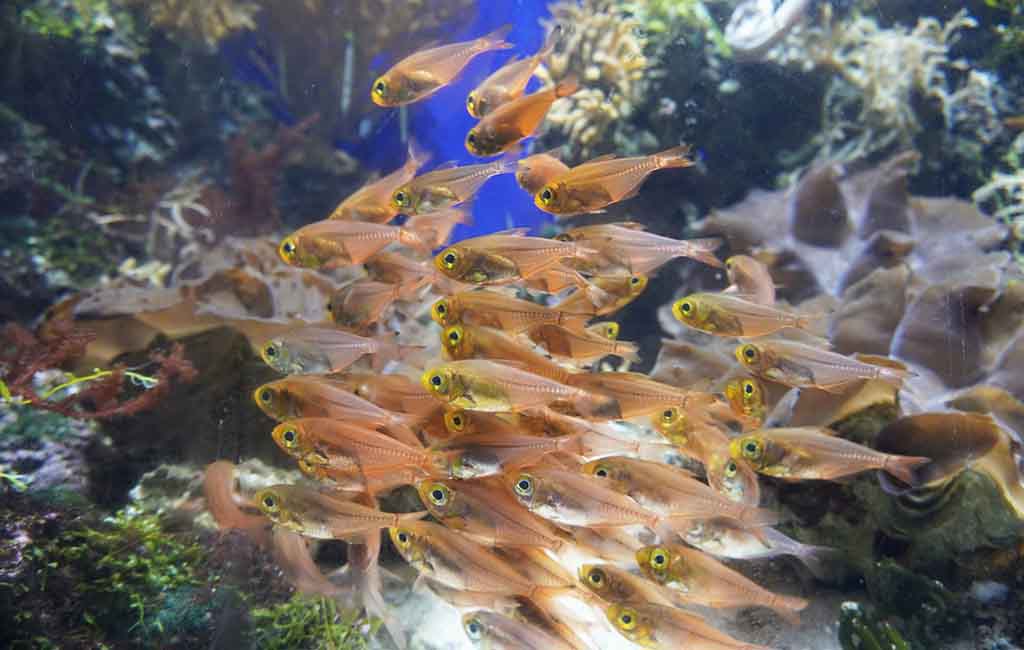
marine fish tank balance
The Balance of the Marine Fish Tank
Marine or saltwater tanks are more sensitive and need to be controlled accurately. They have a balance based on salinity, pH level, temperature, and nutrient levels.
A marine tank simulates the ocean environment, and therefore, little changes can make species stressed. Corals, invertebrates, and fish in the sea rely on very stable parameters. The optimal pH is between 8.0 and 8.4, and the salinity must be between 1.025 specific gravity.
Protein skimmers and live rock are of great importance in balance. Live rock contains useful bacteria that decompose waste. Protein skimmers eliminate organic material before it decomposes to limit the accumulation of nitrate.
To maintain balance in marine tanks:
- Use high-quality marine saltand mix it consistently.
- Check salinity daily, especially if evaporation occurs.
- Change water weekly to refresh trace elements.
- Avoid overstocking, since marine fish produce more waste.
When there is a balance in the system, the corals grow to the maximum, the fish have bright colors, and the growth of the algae is controlled. This is because performance is enhanced as there is a smooth operation between filtration, lighting, and biological activity.
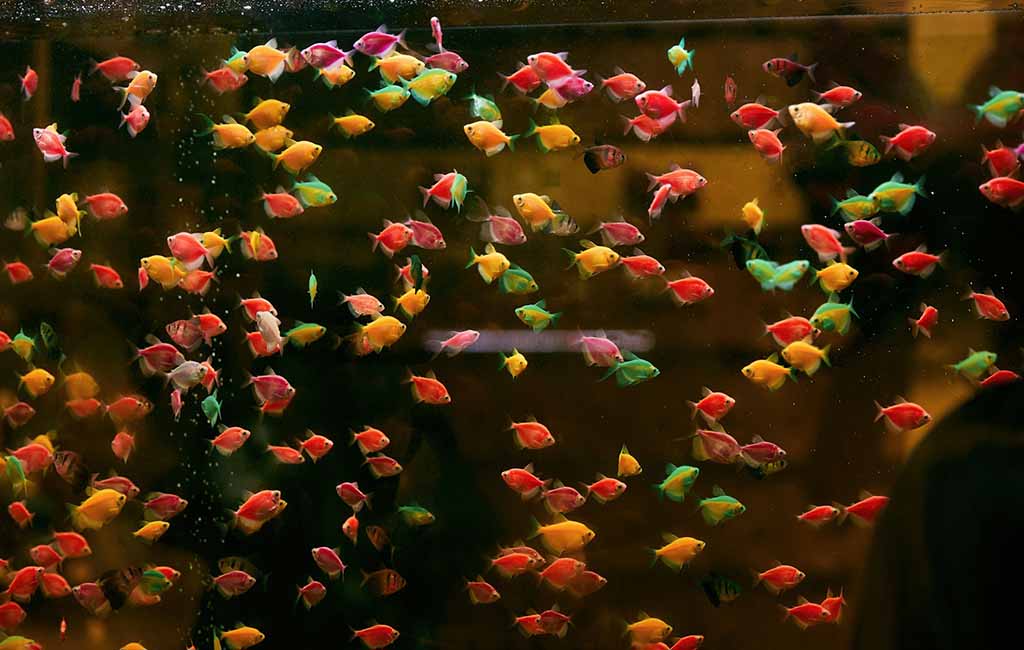
Balanced Fish Tank Slow Algae Growth
How Does a Balanced Fish Tank Slow Algae Growth
Growth of algae is not an issue, but it may grow within a short time. In a balanced tank, the growth rate of algae is low since nutrients are effectively utilized by the plants and bacteria.
Algae blooms are usually nourished by excess light, high nitrates, and phosphates. A balanced aquarium helps avoid this, as it restricts nutrients available to algae. Plants grow better than algae as they absorb resources equally.
Here’s how balance helps reduce algae:
- Stable lighting: Use 8–10 hours of light per day.
- Nutrient control: Avoid overfeeding and perform regular water changes.
- Live plants: They consume nitrates, leaving less for algae.
- Proper filtration: Removes organic debris before it decomposes.
Green spots, or cloudy water, can be evidence that your tank is nutrient-rich. Rather than chemicals, concentrate on balance, i.e., feed less, add more plants, or change lighting.
The right balance of an aquarium will automatically restrict the algae, making the habitat tidy and attractive.
The Social Equilibrium of the Tanks
Not Disrupting the Social Equilibrium of the Tanks
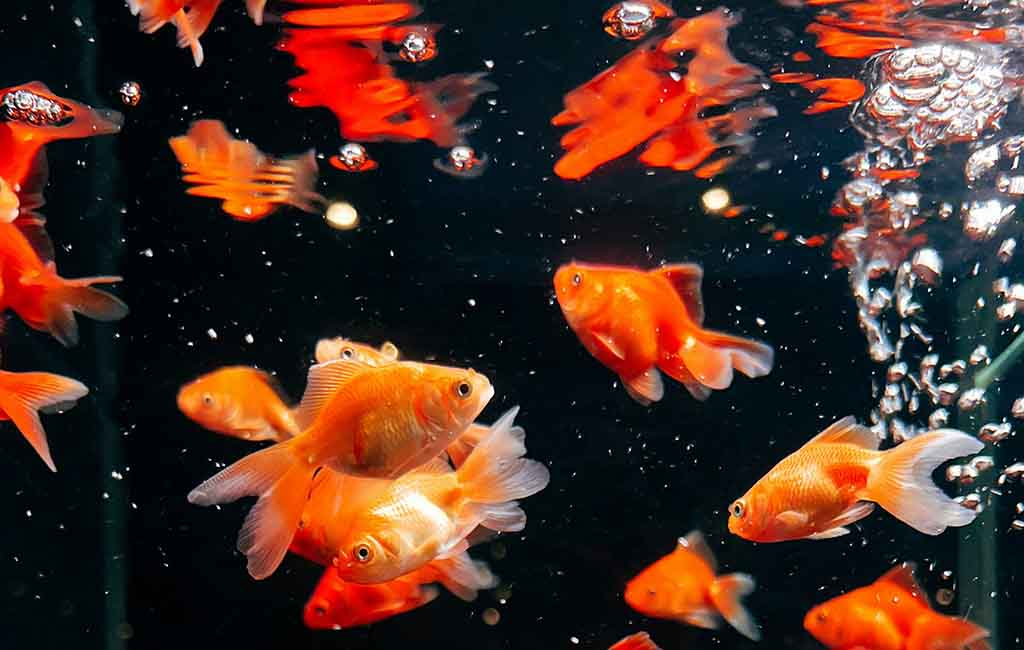
At this point, we can discuss another issue that most aquarists fail to consider, and that is the social balance of the tank. It is the concert of your fish and other creatures. Interfering with it may lead to stress, aggression, or even death.
Each species possesses behavior, territory, and a comfort zone. Incompatible species may cause anarchy even in ideal water parameters.
Here’s some advice to maintain tank social equilibrium:
- Research before adding new fish: Always refer to compatibility charts. Indicatively, tetra should not co-exist with aggressive cichlids.
- Avoid overcrowding: Fish require space in order to swim and mark territory. Fights and oxygen deprivation occur due to overcrowding.
- Feed evenly: Inefficient feeding leads to rivalry and aggression. Floating and sinking food should be used with both deep and shallow swimmers.
- Decorate wisely: Make ways to hide with rocks or plants. Timid fish will feel less threatened and scared.
- Introduce new fish slowly: Isolate newcomers during the course of a week or two. Introduce them over time so that the inhabitants do not get used to it.
- Keep schooling fish in groups: Species such as barbs or neon tetrarequire at least six. Individual fish are threatened and stressed.
- Observe behavior regularly: Look for fin-nipping, chasing, or hiding. These signs mean social tension is building.
- Don’t rearrange decorations too often: Frequent changes disturb established territories. Fish may fight to reestablish themselves each time.
- Maintain a routine: Fish get used to feeding times and lighting cycles. Sudden changes can confuse and stress them.
- Keep species in suitable ratios: For example, in a community tank, one male betta with peaceful tank mates works fine, but two males will fight.
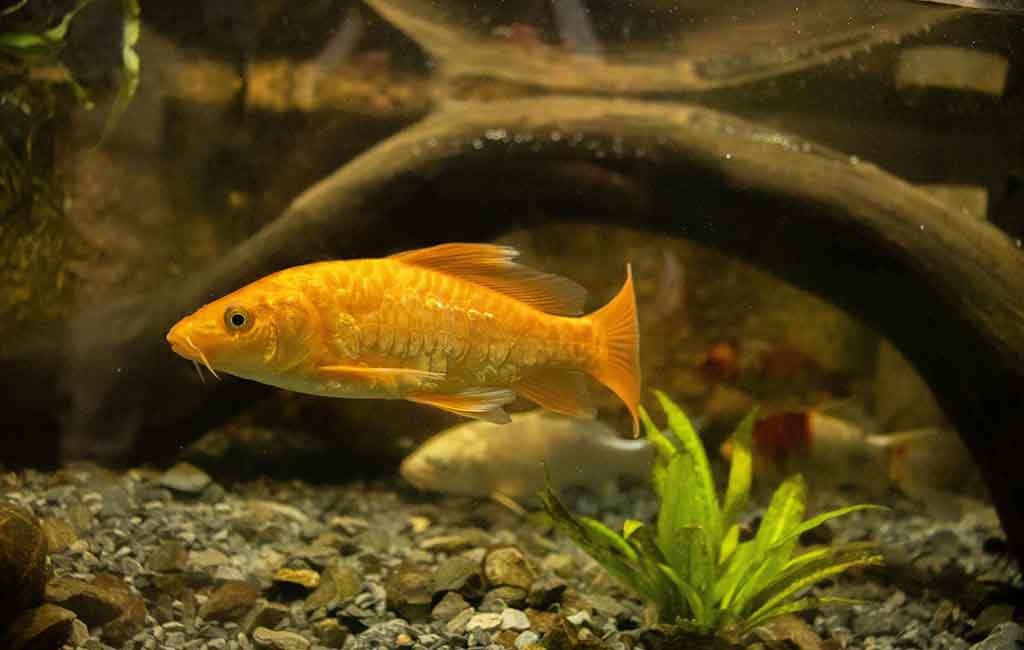
Social balance of tanks is concerned with the respect of fish behavior. A tank can give an impression of calmness, yet there are minor signs of stress that cannot be noticed. Stress undermines the immune system, and this results in the outbreak of diseases.
A peaceful tank is not merely a matter of survival; it is a matter of comfort. Fish exhibit brighter colors, reproduce, and live longer when they are safe.
Social balance of tanks
Closing Remarks
The sustainable environment and the sustainable society are the basis of a healthy aquarium. Each of the elements within it has a role to play, including water quality, filtration, lighting, vegetation, and fish behavior.
When one component malfunctions, it influences the other ecosystem. It is not to establish an ideal system in one day, but to develop stability slowly.
It should be remembered that a fish tank is not a decoration, but a living ecosystem. The greater the observation and knowledge you have about it, the greater the balance.
In short, be cautious, check your water, avoid feeding impulsively, and refrain from picking on fish. Day after day, you will find your tank getting less agitated, purer, and lovelier.
A truly balanced aquarium is peaceful, not just for the fish, but for you, too.
Related Products




Leave a comment