
Non-fish aquarium invertebrates- snails, shrimps, and crabs introduce color, use, and mystery to the aquatic environment. The animals are very helpful in keeping the tanks clean, where they feed on algae, waste, and food leftovers. Be it a freshwater, saltwater tank, brackish, or a cold-water environment, being able to know the basic information on aquarium invertebrate care is an important way to keep invertebrates healthy and at the same time, able to balance the equilibrium of your tank.
Content Table
This guide will look at what to feed them, the choice of species in different types of tanks, and calcium supplements. Also, the most common problems caused by these fragile creatures.
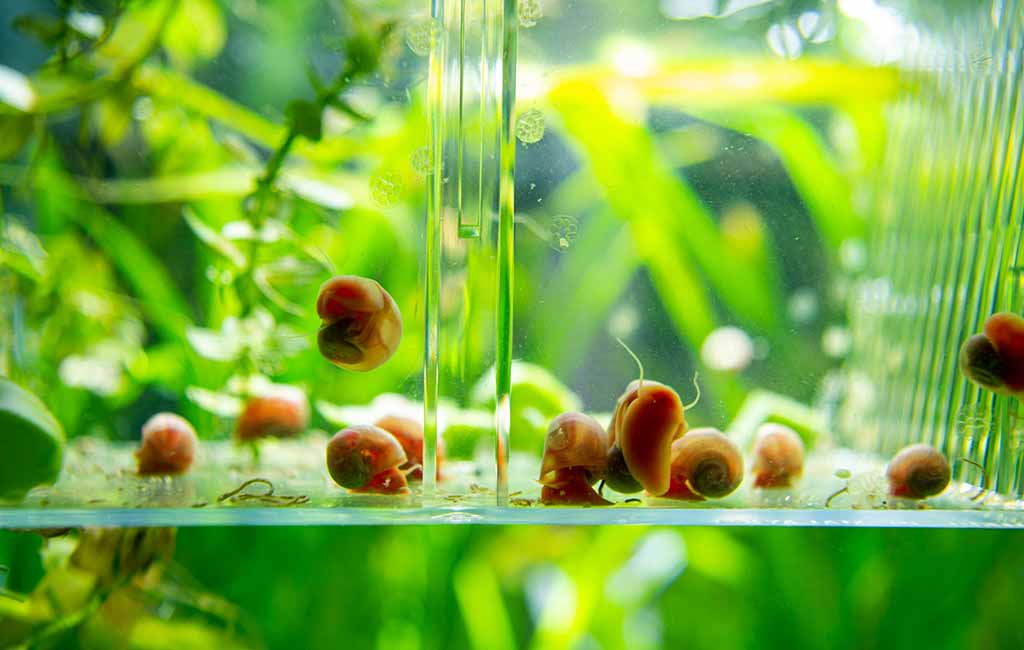
aquarium invertebrate species
Aquarium Invertebrate Feeding Habits
Invertebrates that are found in aquariums possess varying feeding behavior based on their species, size, and habitat. Others are scavengers, such as shrimp and snails, who eat leftover fish food, algae, and detritus. Filter feeders, which include fan shrimp and feather duster worms, eat some microscopic food that lies suspended in the water.
Carnivorous invertebrates such as some crabs and mantis shrimp need to be fed protein-rich foods such as frozen mysis shrimp or cut-up seafood. It’s necessary to study the nutritional requirements of the individual species so that they end up properly nourished.
Feeding schedules vary
Scavengers can be fed alternate days or can be left to feed on the natural tank wastes. Whereas the filter feeders might require microfoods, such as phytoplankton, to be added several times a week. Excessive feeding may result in poor water quality; thus, careful monitoring of food consumed should be observed. A pipette or target feeder is typically suggested in order to spot feed and discourage rot of uneaten food within the tank.
Best Invertebrates for Freshwater Aquariums
Invertebrates also add health and beauty to the tank of a freshwater aquarium. The most classic, and conversely, the most entry-level options for aquarium invertebrate species include:
1. Cherry Shrimp (Neocaridina davidi)
These are red shrimp that are suitable for planted tanks. Peaceful, small, they are plant-watery algae and detritus that have a small, clean shape and biological terrain-growth on plant leaves. Cherry shrimp are simple to breed and thrive under stable conditions where the water has a pH of 6.5-8.0.
2. Mystery Snails (Pomacea bridgesii)
The mystery snails are bigger, colored snails. They feed on algae and move across the surface of tanks and cleaning the glass and ornaments. Although they breed at a slow rate, hence easy to control. To develop healthy shells, quality water and a diet rich in calcium are essential.
3. Amano Shrimp (Caridina multidentata)
Amano shrimp is known to feed on algae and leftover food, and is therefore very popular in an aquascaping environment. They are a bit bigger than the cherry shrimp and do not pose any harm to cohabitation within community tanks. They are more difficult to breed in freshwater, but are very hardy and long-lived in a suitable environment.

freshwater aquarium invertebrate species
Easiest Invertebrates for Saltwater Aquarium
At times, saltwater aquarium invertebrates is more challenging than freshwater fish, though some simple invertebrates are relatively easy to keep under basic conditions. These are three of the simplest saltwater invertebrates:
1. Nassarius Snails
They are small, sand-burrowing snails that are suitable for the starters. Nassarius snails keep the substrate clean because they feed on any leftover food and detritus that is buried in the sand. They are resilient, non-aggressive, and fare well in various reef-savvy conditions. Their unusual behavior, of shooting out of the sand to feed, gives life and interest to the tank.
2. Scarlet Skunk Cleaner Shrimp (Lysmata amboinensis)
Through their bright stripes and helpful cleaning behaviors, these shrimp eat the parasites and dead fish skin and can establish “cleaning stations” within the aquarium. They are reef-safe, social, and will put up with diverse tank parameters as long as the water remains stable. They accept a broad diet, frozen and pellet food included.
3. Emerald Crabs (Mithraculus sculptus)
Emerald crabs are algae eaters, particularly bubble ones. They are also small and hard, and they tend to be laid back except when they do not receive adequate food, after which they become greedy. They have a lot of advantages both in saltwater tanks and reef tanks: they eat regularly, and they have hiding places.
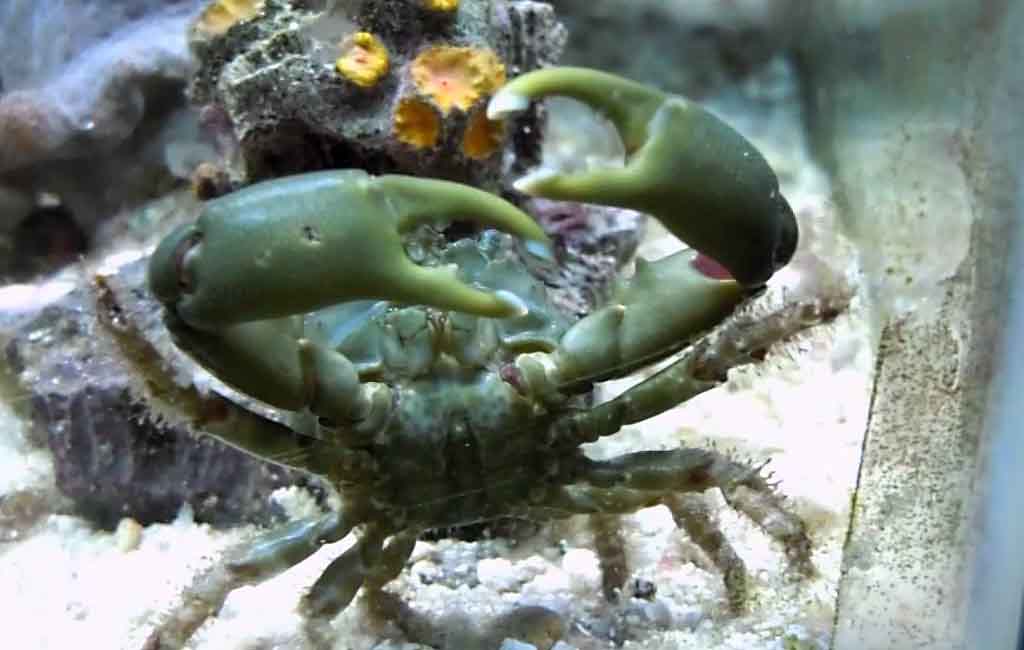
Easiest Invertebrates for Saltwater Aquarium
Brackish Aquarium Invertebrates
Brackish tanks combine fresh and saltwater. They require specific control of salinity, but certain invertebrate species flourish here. These are the three most popular ones:
1. Amano Shrimp (Caridina multidentata)
Amano shrimp normally reproduce in brackish water, though Amano shrimp have been shown to thrive in low- to moderate-salinity conditions. They are commonly kept in freshwater and feed on algae and will coexist with other tank mates. Hence, they rank as the best cleaners in the tank.
2. Fiddler Crabs (Uca spp.)
They are land-and-water crabs, which are not only fun but also simple to maintain. Males display a huge claw. They require shallow waters and dry zones, which suit the paludarium well. Fiddler crabs are happy with some salty water and like to explore through scavenging.
3. Nerite Snails (Neritina spp.)
The salinity tolerance of the Nerite snails is broad; thus, they make good inhabitants in the brackish tank. They consume algae, grow slowly in brackish water (the eggs require seaside conditions to hatch), and have gorgeous shell designs.

Brackish Aquarium Invertebrates
Cold Water Aquarium Invertebrates
Cold water tanks are maintained at 50 to 72°F (10 °C to 22 °C), and they do not require heaters. Most aquarium invertebrate species tend to thrive in warmer water, though a number survive well in cooler tanks, and add colorful and fascinating behavior, as well as cleaning power.
- Ghost Shrimp (Palaemonetes spp.)
Ghost shrimp are transparent, hardy crustaceans able to survive cool water. They feed on leftover food and small particles on the bottom, and algae. They clean the tank. Ghost shrimp are mild and can co-exist with small, calm fish. Ghost shrimp can eat and remain active despite this cold fact, but they will not breed so well.
- Japanese Trapdoor Snails (Viviparus malleattus)
The snails are also suitable for aquariums involving cold water. They have a hard shell protecting a tender body, hence sturdy and have a long lifespan. They provide nourishment on algae, food remains, and biofilm. Japanese trapdoor snails do not lay eggs; they give birth to full-grown young.
- Red Cherry Shrimp (Neocaridina davidi)
Red cherry shrimp tend to be maintained in warmer tanks, but tolerate cooler water (approximately 60°F or 16°C) when the change is gradual and the water stays consistent. Their metabolic rates are reduced. Hence, they mature at a slower rate and have fewer offspring. These shrimp will nevertheless consume algae, and they will bring some color to the tank.
Adding Calcium Carbonate to a Freshwater Invertebrates Aquarium
- To add calcium carbonate to a freshwater invertebrate aquarium, begin by choosing a safe source like crushed coral, aragonite sand, or cuttlebone.
- Rinse the material to remove dust, then place it in a mesh bag or directly into the filter or substrate.
- Alternatively, use calcium carbonate powder or liquid supplements, dosing according to the manufacturer’s instructions.
- Monitor water hardness (GH) and pH regularly using test kits.
- Aim for a stable GH of 6–12 dGH to support healthy shell and exoskeleton growth in snails and shrimp.
- Avoid sudden changes; increase calcium levels gradually to prevent stressing the invertebrates.
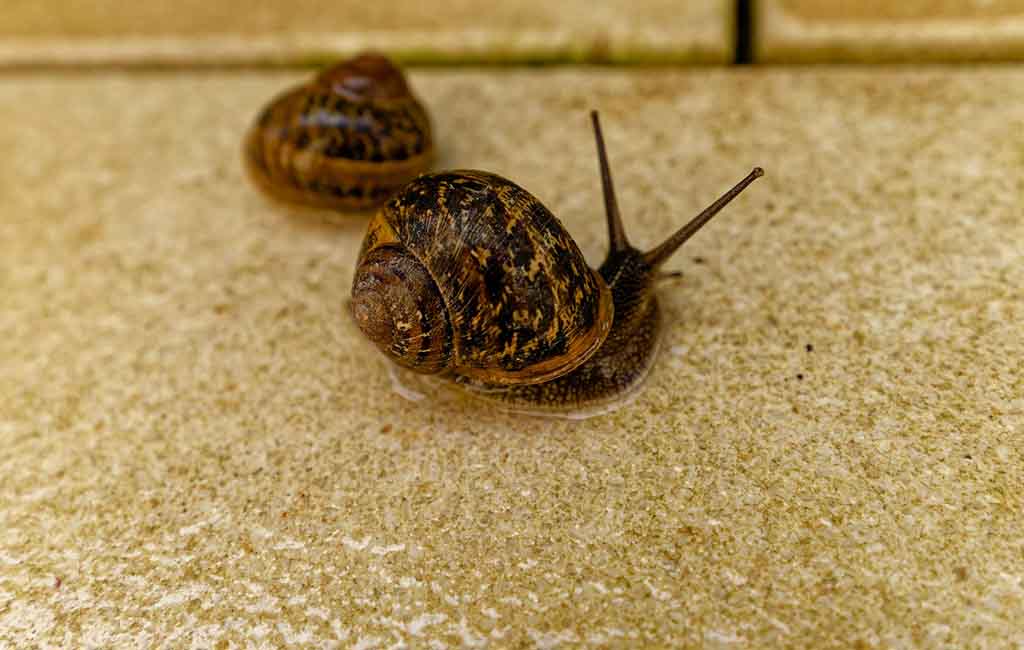
aquarium invertebrate care
Common Issues Aquarium Invertebrates Are Likely to Encounter
Aquarium invertebrates make good and curious items in fish tanks, but they are also fragile. They tend to have similar problems.
1. Poor Water Quality
You must also test the water frequently, as high ammonia or nitrites or very low pH can damage or even kill the invertebrates, mainly the shrimp and the snails.
2. Copper Exposure
Most invertebrates are poisoned by copper, which is present in certain fish medicines. Any amount is deadly, so keep out of copper-based treatments in the tank with invertebrates, and do read the label.
3. Calcium Level
Inadequate calcium may act to erode the shells of snails and cause molting issues in shrimp and crabs. Healthy exoskeletons are fostered by a calcium-rich diet and constant water hardness (GH).
4. Tank Mates
Aggressive tank mates pose a threat as well. Many fish species may harass or prey on invertebrates, especially smaller or slow-moving ones. Compatibility research is important when choosing community tank inhabitants.
5. Stress
Poor conditions even lead to the fatal outcome of molt in crustaceans such as shrimp and crabs. Insufficient concealing places or abrupt water fluctuations may lead to unproductive molts.
The Bottom Line
It is a good idea to put aquarium invertebrates in a tank as they keep the water clean, diversify tank life, and are interesting to look at. You should feed them the food they like to make them healthy, monitor water chemistry, and use compatible tank mates.
Different requirements exist in freshwater, saltwater, brackish, and cold water tanks. Meeting these needs and resolving the frequent maladies can result in a blooming conglomerate of aquarium invertebrates that assist in keeping the aquarium clear and stunning.
Related Products



Leave a comment