
Reptiles are always feared because they look ancient and mysterious to you. They cross forests, mountains, grasslands, deserts, and even urban spaces. Their diversity is huge, and they play vital roles in many ecosystems worldwide. You will find reptiles in almost every region except extremely cold places. Their ability to survive harsh environments shows how strong their evolution is. Today, you can learn about their major reptile species, the largest species, the endangered members, and the newly discovered reptiles. By the end, you will understand how amazing and fragile the reptile world truly is.
Content Table
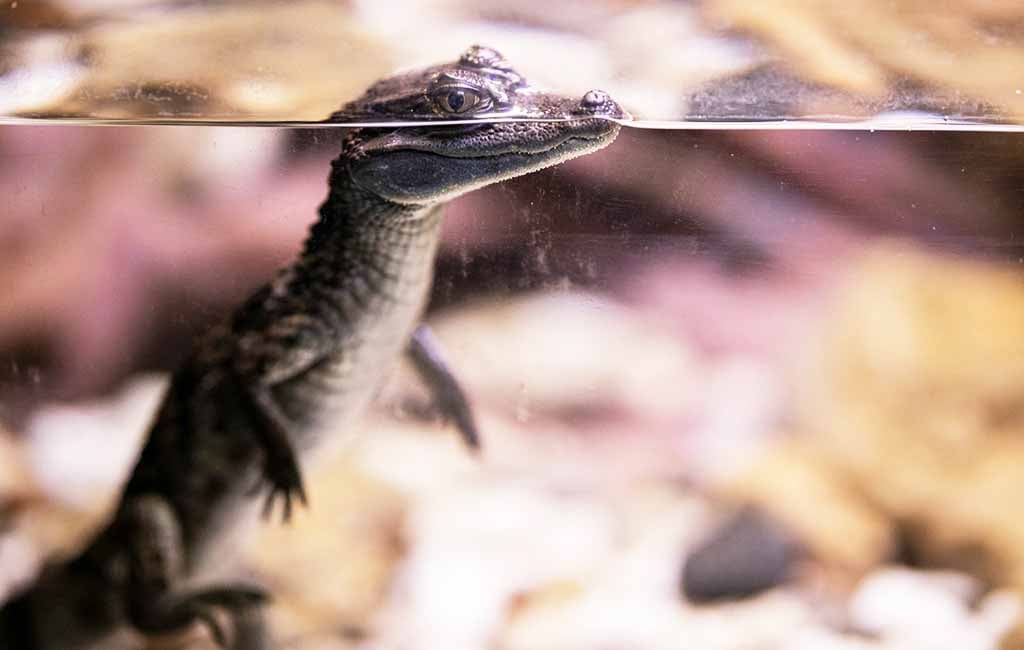
reptile species
Species of Reptiles
Reptiles come in several major groups, and each group offers unique traits. You can understand them better when you explore their key features and behaviors.
Major Groups of Reptiles
1. Turtles and Tortoises
Turtles and tortoises belong to one of the oldest reptile families. You can recognize them by their protective shells, which work like natural armor. Turtles spend much of their lives in water, while tortoises live mostly on land. Their slow movement and simple lifestyle help them survive long years and difficult conditions.
2. Lizards
Lizards form the biggest reptile group, and you see them almost everywhere. They show wide differences in size, color, and behavior. Many lizards can drop their tails to escape predators, giving them a quick survival edge. Some species change color to blend into their environment, helping them stay hidden or attract mates.
3. Snakes
Snakes evolved from lizard ancestors, losing their legs as time passed. Their long bodies allow them to move through tight places with ease. Snakes show huge diversity, with venomous and non-venomous species spread across the world. Their flexible jaws help them swallow prey much larger than their heads.
4. Crocodiles and Alligators
Crocodiles and alligators represent some of the strongest reptiles alive today. You find them in rivers, marshes, and swamps, where they hunt with silent patience. Their powerful jaws and armored bodies help them stay at the top of their food chain.
5. Tuataras
Tuataras are rare reptiles found only in New Zealand. They look similar to lizards but belong to their own ancient group. Their slow growth and unique features help scientists understand reptile evolution better. Because they live in limited habitats, tuataras remain one of the rarest reptiles today.

new reptile species
Largest Reptile Species
Some reptile species grow so large that they become unforgettable. These giants show you how impressive reptile evolution can be when certain conditions support their growth.
1. Saltwater Crocodile
The saltwater crocodile is the largest living reptile today. Adult males can reach more than twenty feet in length and weigh over one thousand pounds. You can find them in Australia, Southeast Asia, and nearby regions. Their powerful bite makes them one of the strongest predators on Earth.
2. Komodo Dragon
The Komodo dragon is the largest lizard living today. You see them in Indonesia, where they hunt deer, pigs, and even buffalo. Their strong claws, sharp teeth, and toxic saliva help them overpower large animals with ease.
3. Green Anaconda
The green anaconda is one of the heaviest snakes in the world. It lives in South American wetlands and hunts by wrapping its huge body around prey. These snakes stay underwater for long periods, making them excellent ambush hunters.
4. Reticulated Python
The reticulated python holds the record for the longest snake on Earth. Some individuals grow longer than twenty feet. These pythons live in Southeast Asia and hunt mammals and birds using strong constriction.
5. Leatherback Sea Turtle
The leatherback sea turtle is the largest turtle species known. Their soft shell and strong flippers help them travel across entire oceans. They mainly feed on jellyfish and help keep jellyfish populations balanced.
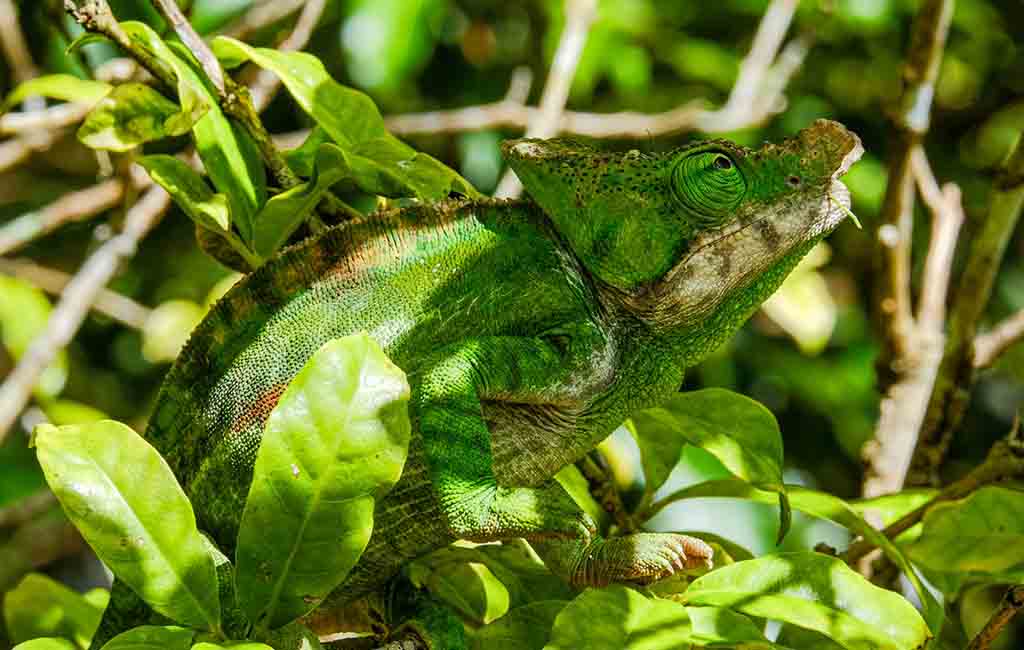
How many species of reptiles
How Many Species of Reptiles in the World
Scientists continue to discover new reptile species every year. Today, you can find more than 11,000 recognized reptile species across the world. This number keeps changing because new research often identifies new species or reclassifies older ones.
Where Reptiles Live
Reptiles appear in nearly every type of environment except extremely cold regions. Tropical forests hold the highest reptile diversity because warm temperatures support many species. Islands also produce unique reptile species because isolated habitats encourage new evolutionary changes.
Why Numbers Keep Increasing
Modern technology allows scientists to study reptiles more accurately. DNA research reveals differences between species that look similar on the outside. As researchers explore remote forests and mountain regions, they continue finding new species that remained hidden for years.
Endangered Species of Reptiles
Many reptile species face serious threats that push them toward extinction. You see problems like habitat destruction, illegal trade, pollution, and climate change affecting reptile populations worldwide.
Examples of Endangered Reptile Species
1. Hawksbill Sea Turtle
The Hawksbill sea turtle is critically endangered today. You find them in tropical oceans, where they help keep coral reefs healthy. The illegal trade of their beautiful shells has pushed them toward extinction.
2. Gharial
The gharial is a long-snouted crocodile species found in India and Nepal. Their numbers dropped sharply due to river pollution, fishing nets, and habitat loss. They rely on clean river systems to survive.

Endangered Species of Reptiles
3. Jamaican Iguana
The Jamaican iguana nearly disappeared in the past. You now find them only in small forest regions. Hunting, habitat loss, and invasive species caused their numbers to decline.
4. Radiated Tortoise
The Radiated tortoise is native to Madagascar and is known for its star-shaped shell pattern. Unfortunately, they are heavily targeted for illegal pet trade and suffer from habitat destruction.
5. Saint Lucia Racer
The Saint Lucia racer is one of the rarest snakes in the world. You see them only in a few Caribbean areas. Invasive predators such as mongooses severely reduced their population.
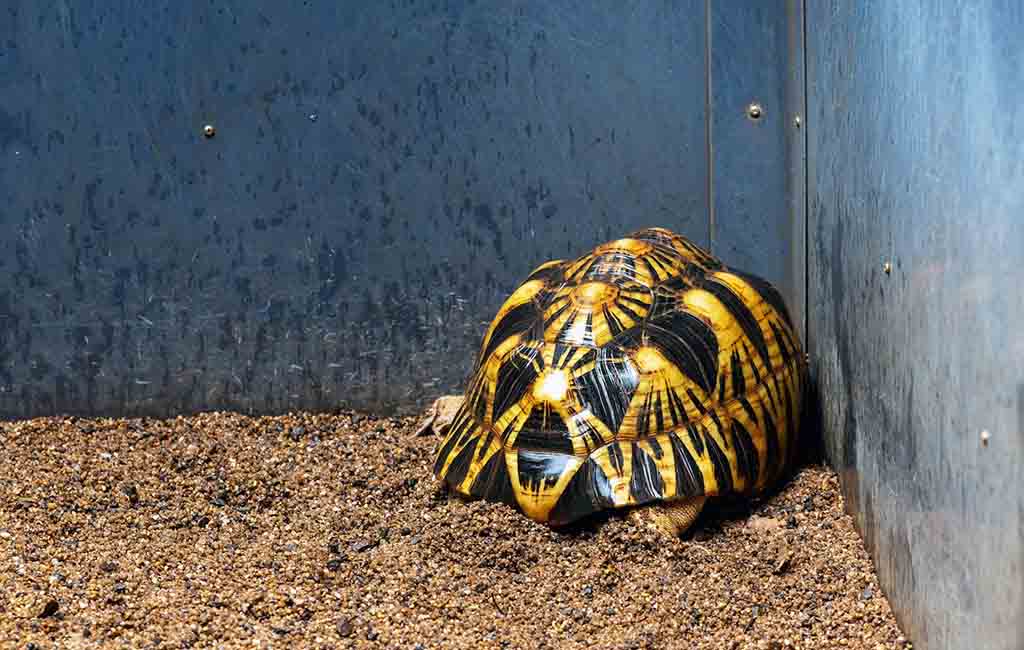
radiated tortoise
New Reptile Species Discovered
Scientists continue finding new reptiles in forests, mountains, and islands. These discoveries show you how much of nature still remains unexplored.
Recent Discoveries
1. New Gecko Species
Researchers recently identia fied new gecko species in Southeast Asia and Australia. Many of these geckos hide well because of their small size and excellent camouflage.
2. New Snake Species
Several new snake species were discovered in South American and Asian forests. Many are tiny and live under leaves or inside soil, made them harder to find.
3. New Lizard Species
Scientists also discovered new lizards in the high mountain regions of Africa and Asia. These reptiles show unique colors and patterns that set them apart from known species.
4. New Turtle Species
Some new turtle species have been confirmed through genetic testing. They look similar to other turtles, but DNA differences reveal they are separate species. These findings help improve conservation plans for rare turtles.
These discoveries remind you that many reptile species remain unknown and hidden in remote habitats.
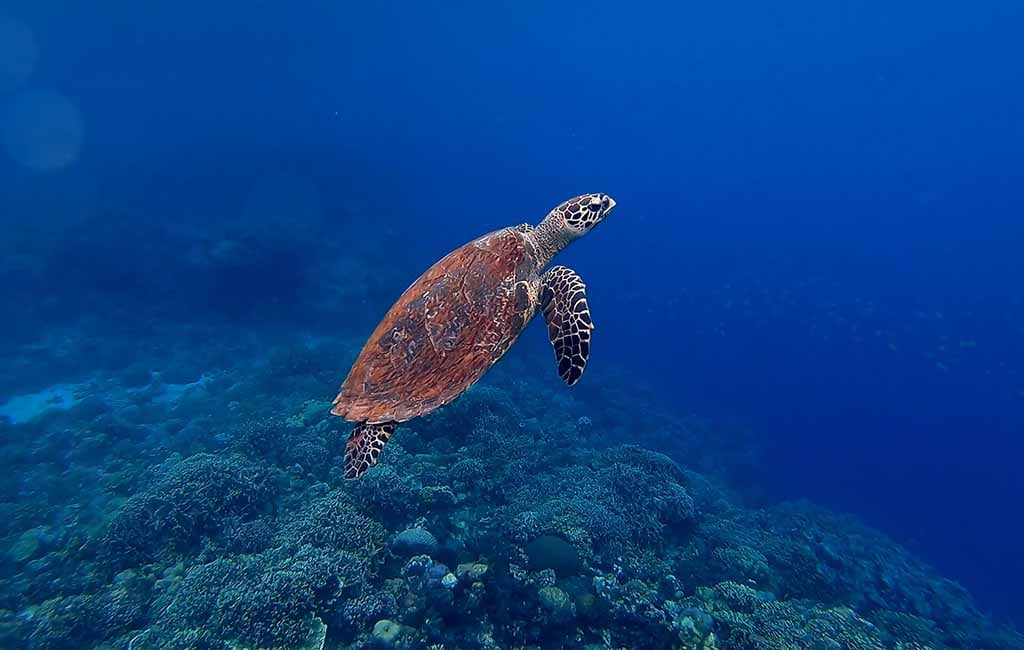
hawksbill turtle
Concluding Remarks
Reptiles show you remarkable diversity, from huge crocodiles to tiny geckos. Their ability to adapt to different environments makes them important to ecosystems worldwide. With more than eleven thousand species, reptiles surprise scientists every year. Many of them help balance nature by controlling pests and supporting food chains.
However, many reptile species face serious threats that could push them toward extinction. Climate change, pollution, illegal wildlife trade, and habitat destruction affect their discoveries. Coveries also show you how much remains unknown and why protection is important.
When you learn about reptiles, you understand their true value and why their conservation matters. Their survival depends on awareness, research, and responsible action from people like you. Protecting them helps maintain healthy ecosystems for future generations.
Related Products





Leave a comment