
Understanding how fish reproduce is one of the most fascinating parts of aquarium keeping. While many people assume fish simply lay eggs and move on, the reproductive strategies of aquarium species are far more diverse—and far more complex. Some fish give birth to live young, some carry their eggs for surprisingly long periods, and others exhibit unique behaviors associated with gestation.
Content Table
When we talk about “pregnancy” in fish, we are usually referring to gestation in livebearing species, since egg-laying fish do not experience internal pregnancy in the same way. Even within livebearers, the gestation period of a fish varies widely depending on the species, tank environment, diet, stress levels, and more.
This article explores what fish gestation really is, how long pregnant fish from different aquarium species are, what factors affect these timelines, and which fish are known for having the longest pregnancy periods in home aquariums.
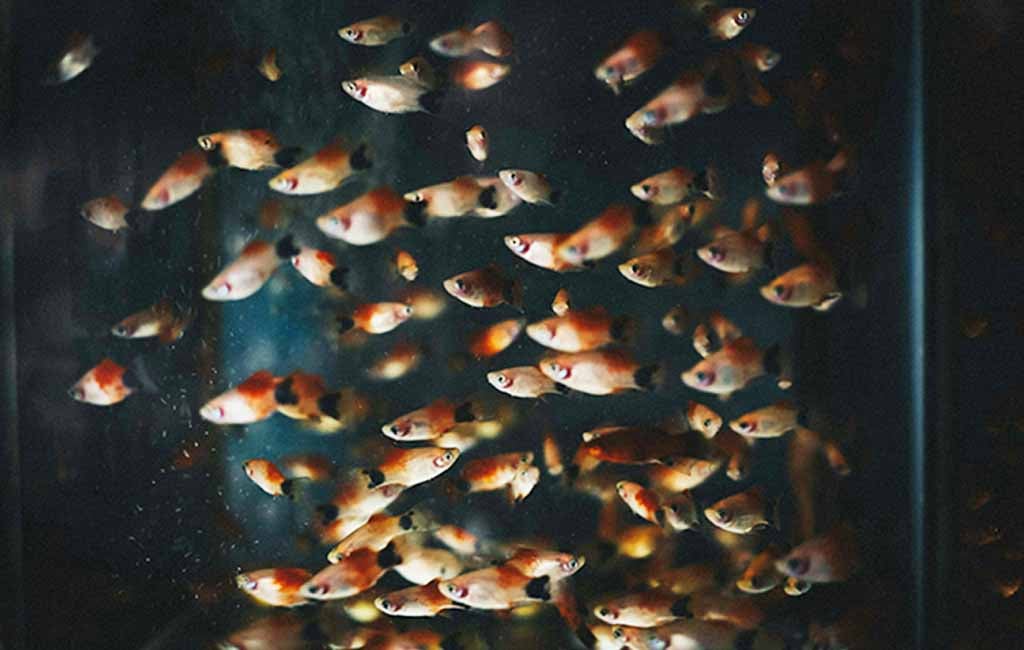
fish gestation period
What Is the Fish Gestation Period?
The gestation period of a fish is the amount of time a fish carries developing embryos before giving birth to fully formed fry. Only livebearing fish (called viviparous or ovoviviparous species) have true gestation.
In aquariums, the most common livebearers include:
- Guppies
- Mollies
- Platies
- Swordtails
- Endlers
- Some sharks (in very large aquaria, though not typical home pets)
During gestation, fertilized eggs develop inside the mother. Depending on the species, she may:
- Simply hold the eggs internally until they hatch (ovoviviparity), or
- Actively nourish the embryos through a placenta-like structure (viviparity)
The length of this process varies dramatically by species—some give birth in just a month, while others can take multiple months.
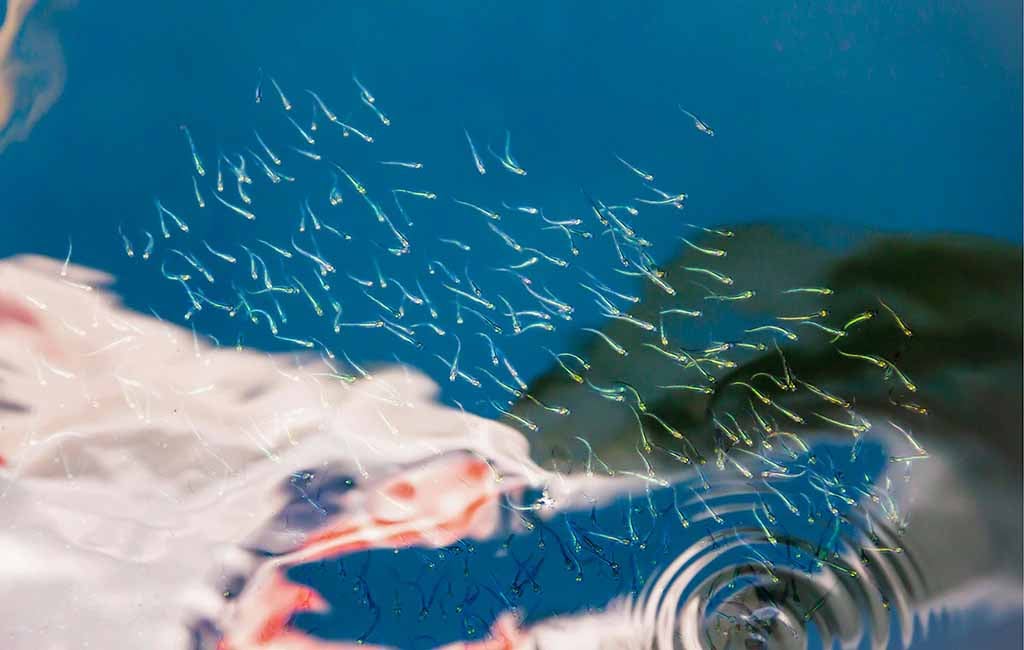
How long is the pregnancy of a fish
How Long Are Different Fish Species Pregnant?
Although many aquarium keepers assume that all livebearers have similar pregnancy lengths, gestation periods can differ significantly. Here is a deeper look at how long pregnant fish that are popular in aquariums remain pregnant:
Guppies
Guppies—one of the most common livebearers—have a gestation period of 21–30 days. Their pregnancy length fluctuates depending on temperature, food quality, and stress levels. They are known for frequent breeding, and in ideal conditions, a female guppy fish can give birth roughly once a month.
Mollies
Mollies have a longer gestation period than guppies, typically 35–45 days, but can go as long as 60 days under stress. Their pregnancy duration varies among varieties—balloon mollies and sailfin mollies often carry longer.
Platies
Platies have a fairly predictable gestation period of 24–35 days. Like guppies, they breed easily and regularly in captivity.
Swordtails
Swordtails have a gestation range of 28–40 days, but some aquarists have observed females holding fry for up to 50 days when environmental conditions are less than ideal.
Endlers Livebearers
Endlers are closely related to guppies, with a short gestation period of 22–28 days. They reproduce quickly and frequently.
Certain Catfish and Sharks (less common aquarium species)
Some large freshwater species—like certain sharks kept in public aquariums or specialty tanks—can have pregnancy periods lasting several months, but these are generally not kept by home aquarists.
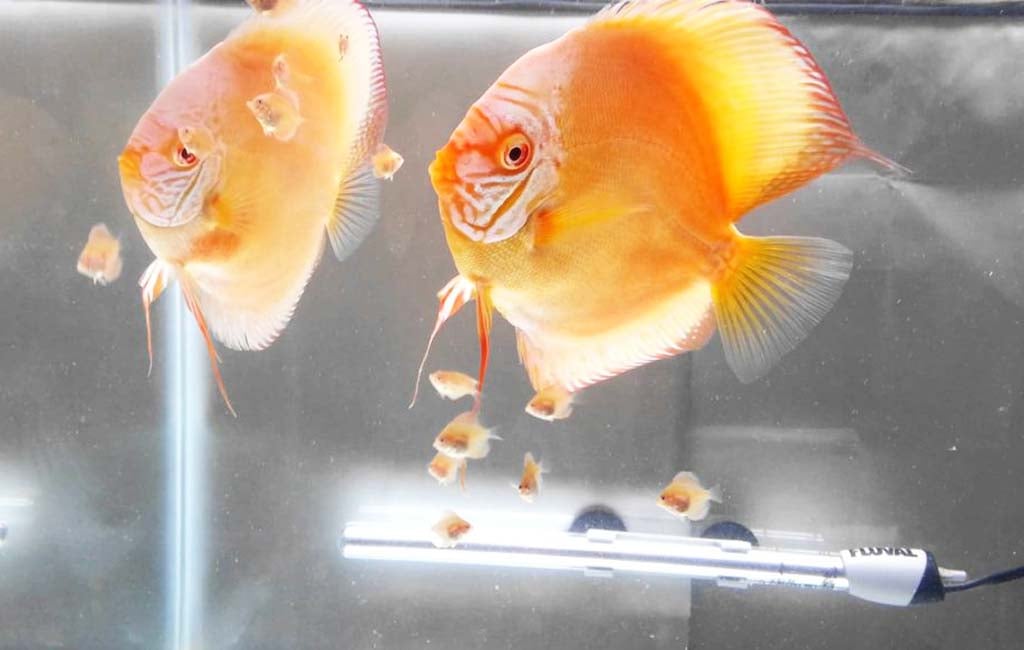
Fish Gestation Length
Factors That Affect Fish Gestation Length
Not all pregnancies follow the textbook timeline. Several factors influence how long a fish stays pregnant:
- Water Temperature
Temperature is one of the strongest influences on gestation.
- Warmer water speeds development, shortening pregnancy.
- Cooler water slows development, extending gestation.
For example, guppies in warm water (80°F) may give birth at 21 days, whereas in cooler water (72°F), gestation may extend to 30 days or longer.
- Diet and Nutrition
Proper nutrition promotes healthy embryo development. Fish that receive high-quality protein, live foods, or nutrient-rich flakes tend to have normal pregnancy lengths. A poor diet can slow development.
- Stress Levels
Stress can significantly extend pregnancy.
Common stressors include:
- Aggressive tank mates
- Poor water quality
- Sudden changes in the environment
- Overcrowding
- Inconsistent lighting
A stressed fish may delay giving birth for weeks beyond the typical gestation period.
- Environmental Conditions
Dirty water, ammonia spikes, or low oxygen levels can cause the mother to retain fry longer than normal. Conversely, pristine water encourages healthy gestation and timely birth.
- Genetics
Some strains of fish (particularly guppies and mollies bred for color or fin type) may naturally have longer or shorter gestation periods.
- Age of the Female
Young first-time mothers often have longer gestation periods, while mature females follow more predictable cycles.
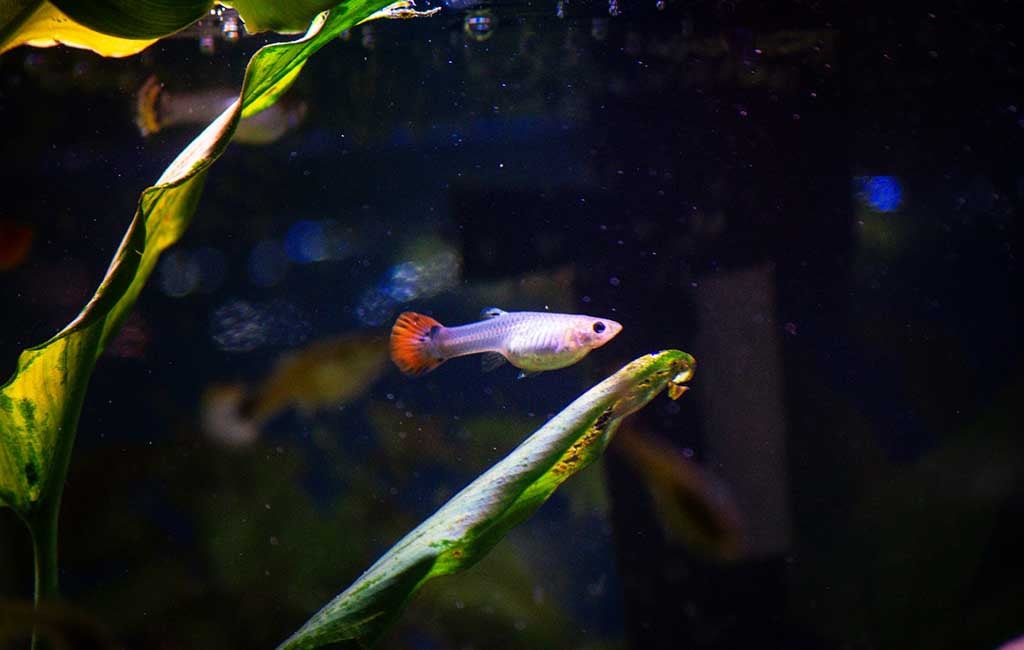
Fish with the Longest Pregnancy Period
Fish with the Longest Pregnancy Period in Aquariums
While most common aquarium fish give birth within one month, some species stand out for their exceptionally long gestation cycles.
Below are the aquarium livebearers known for the longest pregnancies:
- Mollies (Up to 60 Days or More)
Mollies are one of the longest-carrying livebearers commonly kept in home aquariums.
Their typical pregnancy lasts 35–45 days, but they may hold fry for up to 60 days or even longer when stressed or kept in cooler water.
Factors like poor water quality or inadequate nutrition may prolong gestation significantly.
- Swordtails (Often 40–50 Days)
Swordtails are another species that can have extended pregnancy durations.
While many give birth around 30–40 days, some females have been known to carry fry for up to 50 days, especially in changing or stressful conditions.
- Larger Livebearers in Specialty Tanks
In some advanced aquarium setups, aquarists keep larger fish species that are livebearers and have pregnancies lasting multiple months.
While not typical in home tanks, these examples illustrate how variable gestation can be within the fish kingdom.
- Certain Strains of Mollies and Hybrid Livebearers
Some selectively bred varieties—such as balloon mollies or hybrids—may naturally carry longer due to slower metabolic rates or altered body structures.
Examples of Aquarium Fish Gestation Periods
Here is a descriptive list summarizing common gestation periods for popular aquarium fish:
- Guppies: Usually 21–30 days; temperature-sensitive.
- Platies: About 24–35 days; consistent breeders.
- Swordtails: Typically 28–40 days; can extend to 50 days.
- Endlers Livebearers: 22–28 days; very fast breeders.
- Mollies: One of the longest—35–45 days on average, up to 60+ days in some cases.
Among these, mollies hold the record for the longest pregnancy period regularly observed in home aquariums.
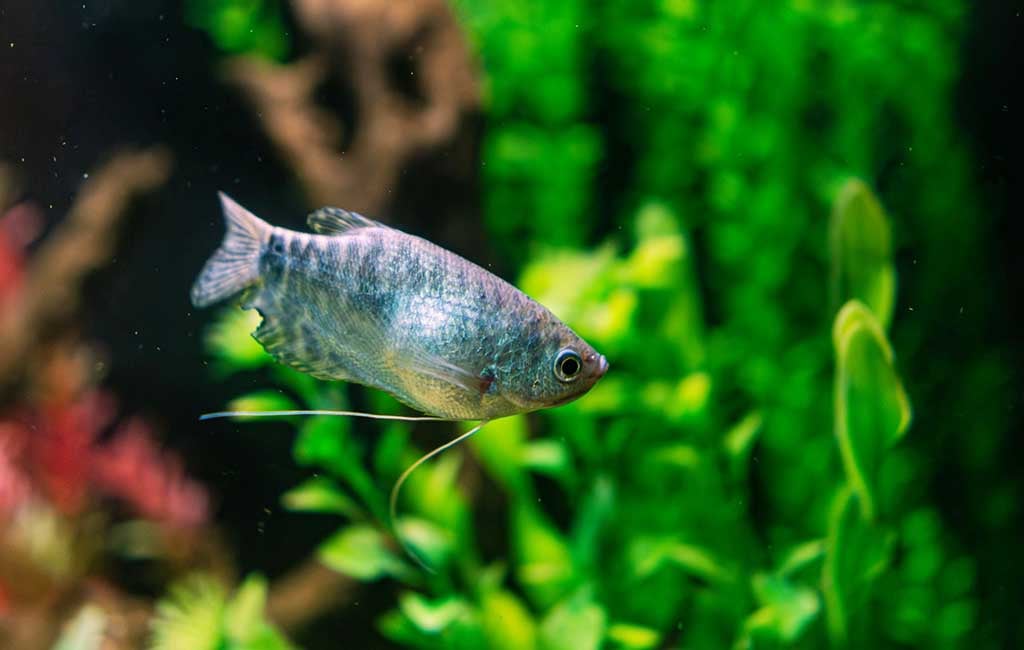
gestation period of a fish
Lasting Impressions
Understanding fish gestation is not only fascinating but also essential for maintaining a healthy aquarium. Knowing how long your fish stay pregnant allows you to prepare for new fry, adjust environmental conditions, and ensure the mother remains safe and stress-free throughout the process.
While many aquarium fish have short, predictable gestation periods of around one month, a few species—especially mollies and swordtails—can extend their pregnancies significantly. Factors such as temperature, diet, stress, and genetics all play powerful roles in determining how long a fish stays pregnant.
By learning each species’ unique reproductive patterns, aquarists can better support their fish and enjoy the rewarding experience of observing new life flourish in their tanks.
Related Products


Leave a comment