
Aquarium enthusiasts eventually face a moment when routine maintenance stops being enough. Your once pristine underwater world might now host stubborn algae colonies, cloudy water that refuses to clear, or equipment that barely functions. Sometimes the problem runs deeper than a simple water change can address. Substrate compacts over time, hiding pockets of toxic gases.
Content Table
Decorations accumulate biofilm that no scrubbing removes. Plants die back despite your best efforts. Recognizing these signs means understanding when your tank needs complete reconstruction rather than basic upkeep. A proper overhaul restores balance and gives your aquatic environment a genuine fresh start.
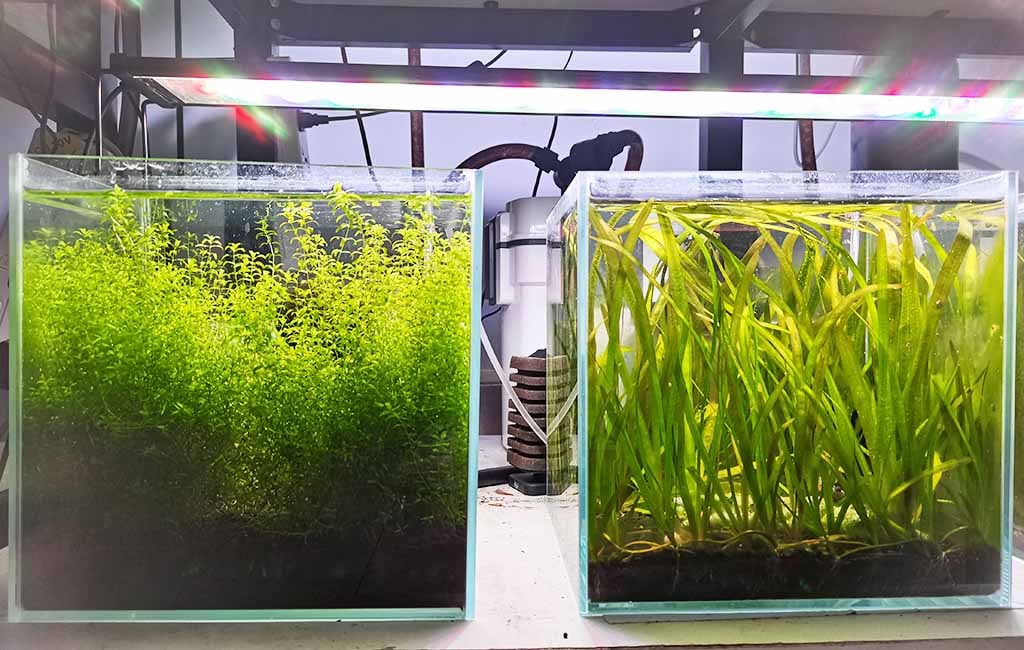
fish tank reconstruction
The Significance of Fish Tank Reconstruction
Eliminating Deep-Seated Problems
Weekly water changes only address surface issues. Below your substrate, organic waste decomposes in oxygen-starved zones. This creates hydrogen sulfide, a compound toxic to fish even in small amounts. You might notice bubbles rising when you disturb the gravel or detect a rotten egg smell. These warning signs indicate problems no surface cleaning can fix.
Full reconstruction lets you remove every piece of substrate, washing away years of accumulated waste. You can inspect every corner, finding dead spots where water circulation failed. Hidden problems become visible when you empty everything.
Upgrading Your System’s Foundation
Aquarium technology improves constantly. The filter you bought five years ago lacks the efficiency of current models. Old fluorescent lights waste energy while providing a poor spectrum for plant growth. Heaters from a decade ago fail more frequently and lack precision thermostats.
Reconstruction creates the perfect window for modernization:
- Replacing outdated filters with superior biological filtration
- Installing LED systems with adjustable color temperatures
- Adding circulation pumps for better water movement
- Upgrading to reliable digital heaters
- Incorporating automated feeding or dosing equipment
Creating Better Aesthetics
Your taste evolves. That bright blue gravel seemed fun initially, but now feels garish. Plastic decorations collected dust in one corner while real plants struggled in poor substrate. Maybe your rock arrangement created dead zones where waste accumulated.
Starting over means implementing what you learned. Natural aquascaping creates healthier environments. Fish establish territories around real structures. Plants thrive in proper substrate. The visual result improves dramatically, but more importantly, your fish benefit from better habitat design.
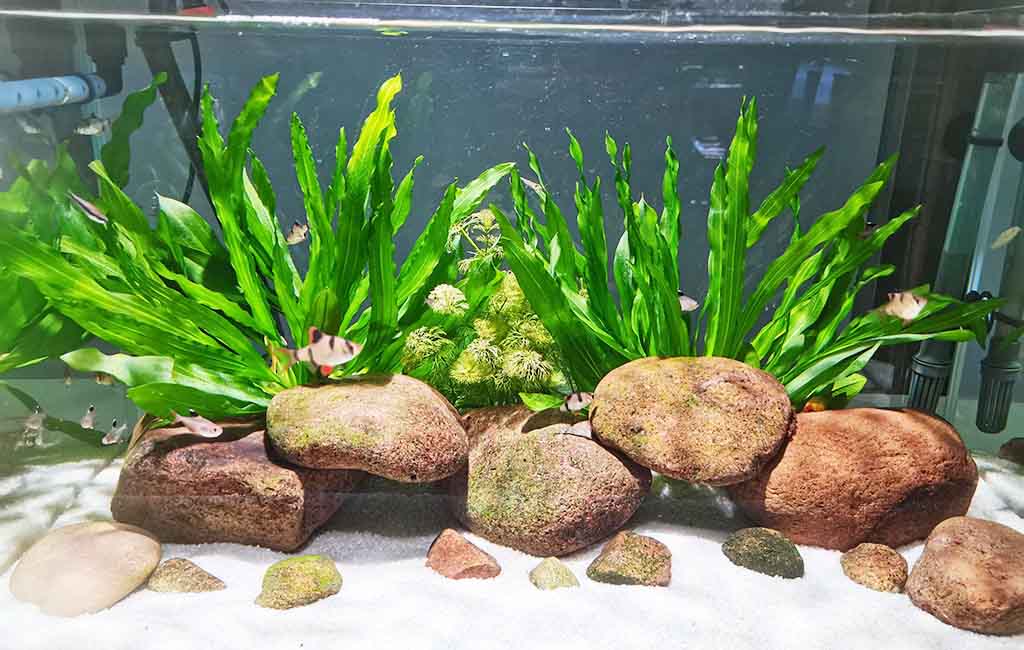
When the Fish Tank Needs a Redo
When the Fish Tank Needs a Redo
Algae That Refuses to Leave
Some algae problems exceed normal management. Green hair algae strangling every surface indicates imbalanced nutrients and excessive organics. Black beard algae embedding itself in plant leaves and porous decorations proves nearly impossible to eliminate without removing affected items entirely.
Spot treatments and manual removal provide temporary relief. But roots remain embedded deep within decorations and substrates. The only real solution involves complete removal, treatment, and starting fresh with cleaned or new materials.
Substrate Failure
Gravel and sand compact naturally over months and years. Water stops flowing through the lower layers. Anaerobic bacteria colonies form, producing toxic compounds. Plant roots cannot penetrate compacted substrate, causing growth failures despite adequate lighting and fertilization.
Some substrates actively deteriorate. Crushed coral dissolves slowly, affecting pH stability unpredictably. Plant-specific substrates deplete their nutrient capacity after 12 to 24 months. When the substrate stops functioning properly, replacement becomes necessary.
Persistent Water Quality Issues
Bacterial blooms occasionally cloud water temporarily. They clear naturally within days. But water remaining milky or hazy for weeks signals deeper problems. Dissolved organic compounds have saturated your system beyond what biological filtration can process.
Biofilm coats every surface, continuously leaching organics into the water column. No amount of water changes resolves this because the source keeps producing more contamination.
Equipment Breakdown
Filters lose flow capacity as impellers wear and passages clog irreversibly. Motor housings crack from age. Media chambers develop channels where water bypasses filtration entirely.
Lighting fixtures yellow and lose intensity. Spectrum shifts away from optimal ranges for plant photosynthesis. Heaters stick or fail to maintain consistent temperatures. When multiple equipment pieces show age, reconstruction beats endless patchwork repairs.
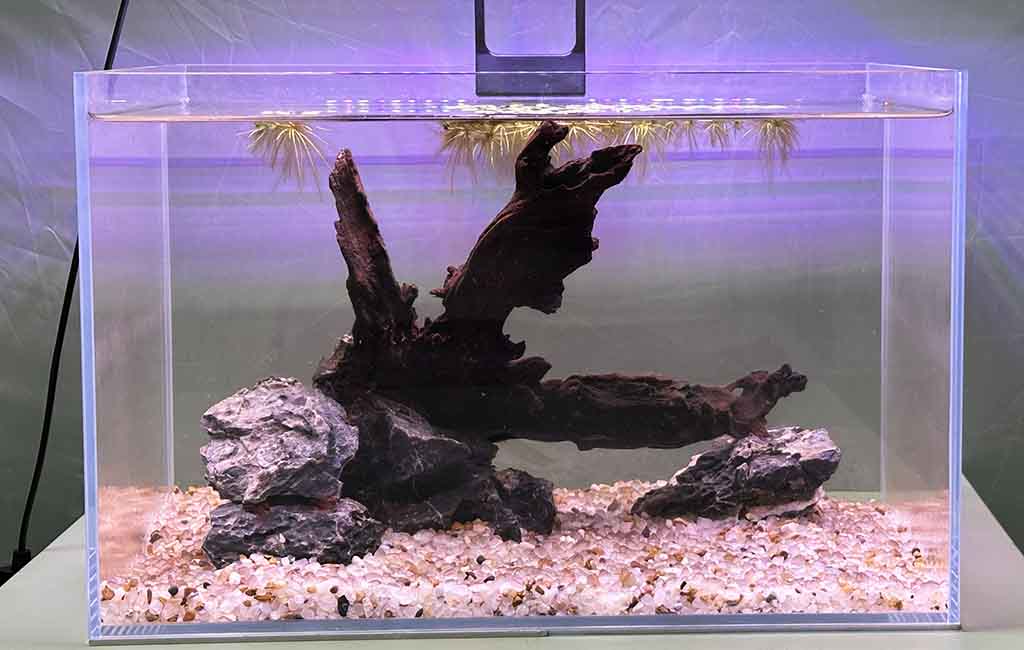
revise fish tank
How Often Should You Revise a Fish Tank
Timing varies based on your specific setup. Planted tanks with nutrient-rich substrate need replacement every two to three years as nutrients deplete. Community tanks with moderate fish populations might operate smoothly for five years before requiring a major overhaul.
Heavily stocked tanks accumulate waste faster. Cichlid enthusiasts often reconstruct every 18 to 24 months. Goldfish tanks, with their massive waste production, benefit from even more frequent attention.
Watch for these indicators rather than following arbitrary schedules:
- Fish are spending more time at the surface despite proper aeration
- Plants are yellowing or melting despite fertilization
- Disease outbreaks are becoming more frequent
- Equipment needing constant adjustment or repair
- Water parameters vary unpredictably between tests
- Proactive reconstruction prevents crises
- Waiting until fish show obvious distress creates rushed conditions that compromise safety.
What to Do with the Fish When Revising the Fish Tank
Creating Temporary Housing
A dedicated quarantine tank serves multiple purposes, including reconstruction projects. Without one, large plastic storage bins work well. Food-grade containers of 10 gallons or larger accommodate most community fish temporarily.
Transfer at least half of your existing tank water to temporary housing. This maintains familiar chemistry and preserves beneficial bacteria. Drastic water chemistry changes stress fish more than temporary crowding.
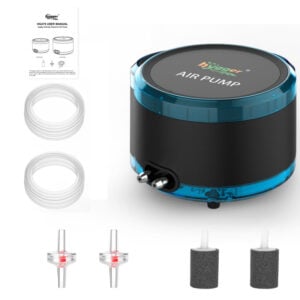
Add aeration using battery-powered air pumps if possible. This ensures oxygenation continues even during power outages or when moving containers to different locations.
Maintaining Stability
Position temporary containers away from windows where the temperature fluctuates. Direct sunlight causes rapid heating. Cover containers with mesh or perforated lids. Stressed fish attempt jumping more frequently than usual.
Perform daily water changes of 20 to 30 percent using aged, dechlorinated water. Small volumes lack the biological filtration capacity that established tanks provide. Frequent changes become essential for managing waste products.
Test ammonia levels daily. Any reading above 0.25 parts per million requires immediate intervention through larger water changes or emergency bacterial additives.
Reducing Stress
Use soft mesh nets rather than coarse ones that damage protective slime coats. Scoop fish directly into transfer containers without lifting them into the air. Even brief air exposure causes unnecessary stress.
Dim lighting helps fish calm down. Add floating plants or simple structures providing hiding spots. Bare containers make fish feel exposed and vulnerable. Even temporary cover helps them cope better.
Stop feeding 24 hours before beginning reconstruction. This reduces waste production in temporary housing and prevents digestive complications during the stressful relocation period.
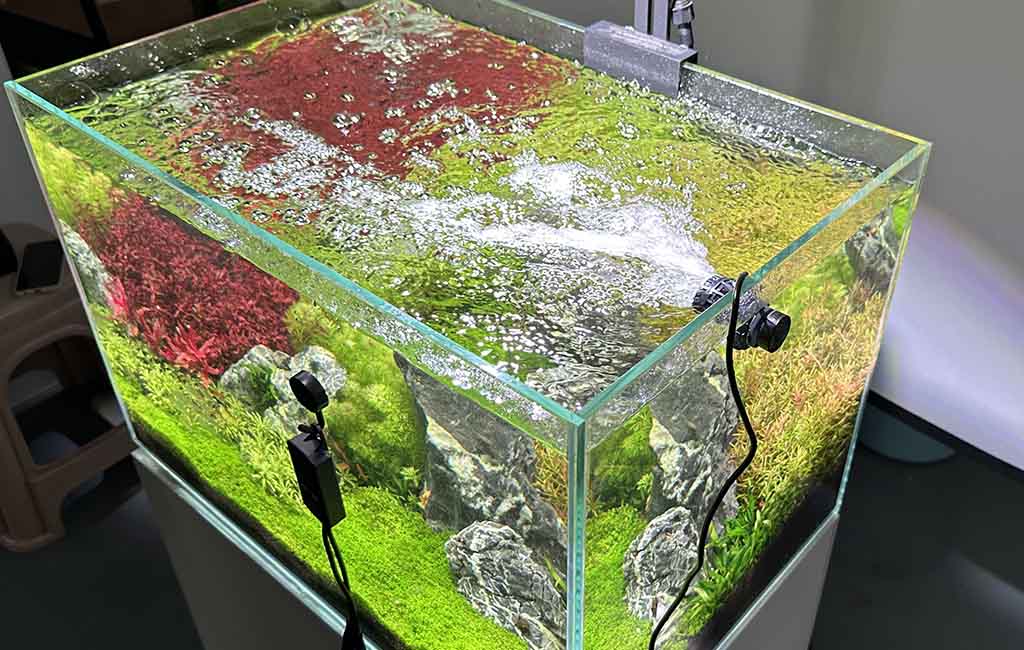
how to redo a fish tank
Steps to Redo a Fish Tank with Existing Fish
- Preparation Phase
Gather every supply before starting. New substrate, cleaned decorations, replacement equipment, and cleaning materials should be ready and accessible. Purchase fresh dechlorinator, bacterial starter cultures, and ensure test kits remain current.
Prepare new water 24 hours in advance. Fill containers, add dechlorinator, and allow temperature to match room conditions. Cold water shocks fish during reintroduction. Planning eliminates this risk.
- Safe Removal Process
Turn off all electrical equipment. Unplug heaters, filters, and lights. This prevents electrical hazards during water removal and protects equipment from running dry.
Remove decorations first, creating an open space for netting fish. Catch fish systematically rather than chasing frantically around obstacles. Corralling them into corners using two nets simultaneously works most effectively.
Transfer captured fish gently to prepare temporary housing. Avoid sudden movements or splashing that amplifies their stress response.
- Complete Breakdown
Drain remaining water into clean buckets. Save approximately 30 percent for reintroduction. While starting completely fresh seems ideal, preserving some original water helps maintain bacterial colonies and familiar chemistry parameters.
Remove all substrates. Rinse if reusing, though fresh substrate provides better long-term results. Inspect the tank bottom for cracks, scratches, or silicone deterioration requiring repair.
Clean glass thoroughly using a white vinegar solution. Never use soap or household cleaners that leave toxic residues. Scrub away algae, calcium deposits, and biofilm completely. Rinse multiple times until no vinegar odor remains detectable.
- Equipment Maintenance
Disassemble filters entirely. Replace worn impellers, gaskets, and media. Clean housing with hot water, removing years of accumulated grime. Inspect intake and return tubing for cracks or stiffness, indicating age.
Test heaters in buckets before reinstalling. Verify thermometer accuracy against known standards. Replace aging equipment before failure occurs in your newly reconstructed tank.
- Reconstruction Assembly
Install substrate with a slight slope toward the front. This helps waste accumulate where you can see and remove it easily. A deeper substrate in the back creates visual depth and accommodates taller plants better.
Position hard-scape materials before planting anything. Arrange rocks and driftwood to create natural-looking layouts. Use asymmetry and varying heights rather than symmetrical patterns.
Fill tanks slowly using plates or bowls to diffuse water flow. This prevents substrate disruption and keeps water clarity intact. Fill halfway, then add plants. Complete filling before installing the equipment.
- System Startup
Install and prime filters. Add bacterial starter culture directly to the filter media and substrate. This accelerates the nitrogen cycle establishment that normally takes weeks.
Set heaters to appropriate temperatures before plugging in. Position them near the water flow for even heat distribution. Verify the thermostat functions correctly through several heating cycles.
Allow the system to run for several hours before reintroducing fish. This ensures equipment functions properly and lets water circulation stabilize throughout the tank.
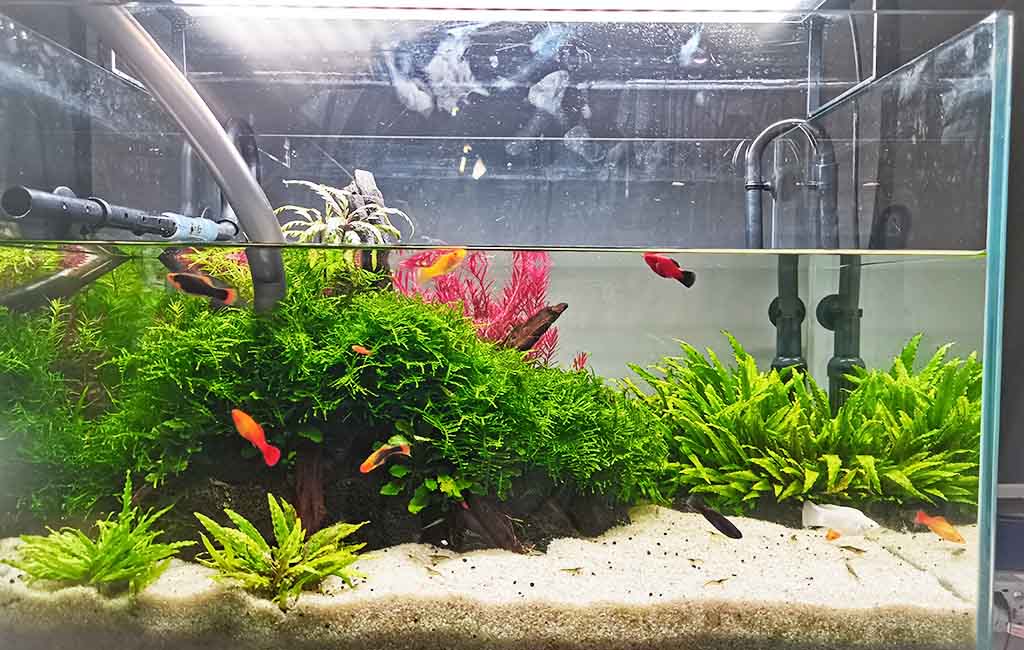
After Revise Fish Tank
- Monitor water parameters closely for the first two weeks. Test ammonia and nitrite daily. Even with bacterial additives, cycling takes time. Keep fish feeding minimal during this period.
- Watch for stress behaviors: rapid breathing, clamped fins, or hiding constantly. Some stress is normal initially. Severe symptoms require immediate water changes or removing fish back to temporary housing.
- Gradually resume normal feeding schedules over five to seven days. Begin with half portions, increasing slowly as fish adjust to their renewed environment.
- Add new fish only after water parameters stabilize completely for at least three weeks. Your biological filtration needs time to establish itself before handling additional bioload.
- Document your reconstruction with photos and notes. Record what worked well and what you would change next time. Future reconstructions benefit from these observations.
Concluding Remarks
Fish tank reconstruction demands effort but delivers lasting benefits. Your aquatic inhabitants deserve stable, clean environments that routine maintenance alone cannot always provide. Planning carefully, moving systematically, and prioritizing fish safety throughout the process ensures successful outcomes. The transformation goes beyond aesthetics.
Water quality improves fundamentally. Equipment functions reliably. Your fish exhibit natural behaviors in properly designed habitats. While the work seems daunting initially, the results justify the investment. A well-executed reconstruction sets your aquarium up for years of healthy, thriving aquatic life ahead.
Related Products

Leave a comment