
If you have spent any time browsing aquascaping forums or visiting a well-stocked fish store, you have likely stopped to admire a tank full of bright yellow shrimp moving through green moss and dark substrate. Yellow Golden Back Shrimp are among the most visually striking freshwater invertebrates available to hobbyists today. Their bold color, manageable size, and relatively forgiving nature make them a popular choice for planted tanks and aquascaped setups at every level of experience.
Content Table
neocaridina shrimp
Neocaridina Shrimp: A Quick Profile
Before diving into the Yellow Golden Back specifically, it helps to understand where it comes from within the broader shrimp world.
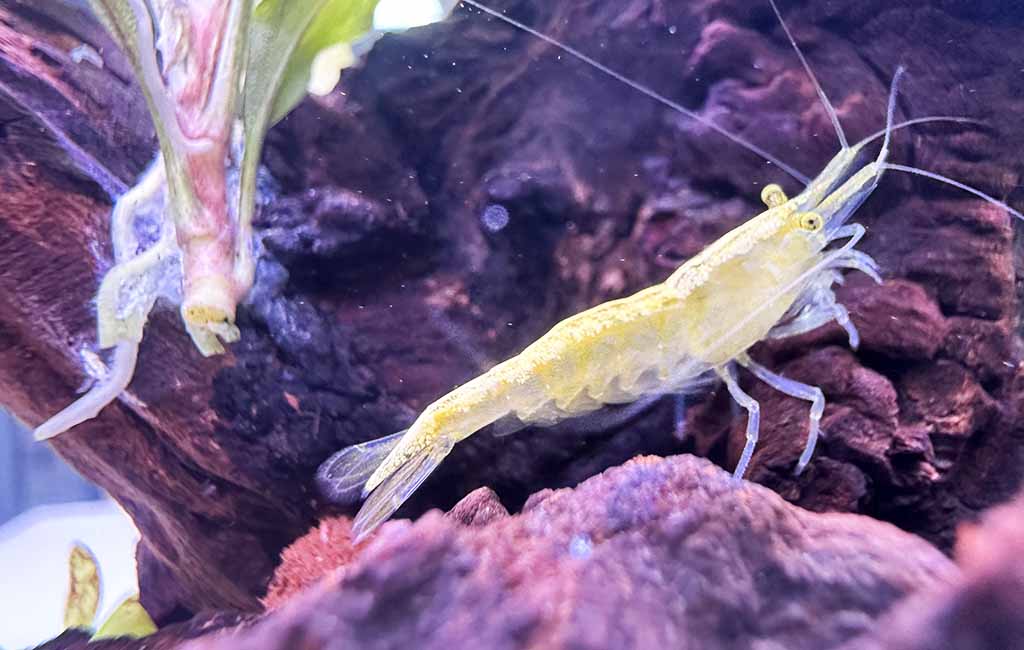
Neocaridina is a genus of small freshwater shrimp native to East Asia, particularly Taiwan, China, Japan, and Korea. These shrimp were originally found in rivers, streams, and rice paddies, environments characterized by dense vegetation, soft sediment, and moderate water flow. Over decades of selective breeding in captivity, hobbyists and breeders developed an enormous range of color varieties from a handful of wild-caught species.
The most well-known member of the genus is Neocaridina davidi, which serves as the base species for dozens of color morphs, including Red Cherry Shrimp, Blue Dream, Chocolate, and, of course, Yellow Golden Back. What makes Neocaridina shrimp particularly appealing to aquarists is their adaptability. Compared to their Caridina cousins, which often require soft, acidic water and more precise conditions, Neocaridina shrimp tolerate a wider range of water parameters. They are also prolific breeders, which means a small starter colony can grow into a thriving population within a few months under proper care.
Yellow Golden Back Shrimp: Profile, Characteristics, and Species
What Are Yellow Golden Back Shrimp?
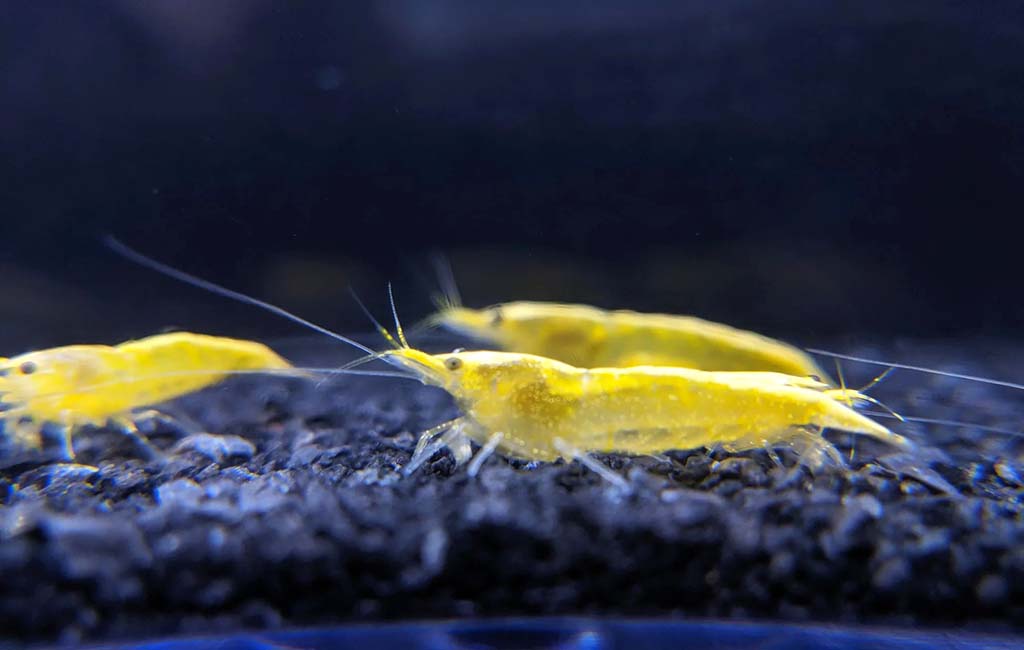
Yellow Golden Back Shrimp, often sold under names like Yellow Neocaridina, Neon Yellow Shrimp, or simply Golden Back Shrimp, are a selectively bred color form of Neocaridina davidi. The defining trait of this variety is a vivid yellow stripe running along the dorsal line of the body, combined with a translucent-to-opaque yellow base coloration throughout the body.
The “golden back” part of the name refers specifically to that dorsal stripe, which in high-grade specimens appears almost luminescent under aquarium lighting. Lesser-grade individuals may display a paler yellow with some transparency, while top-grade shrimp show deep, saturated color from the rostrum to the tail.
Diet of Yellow Golden Back Shrimp
Physical Characteristics
Adult Yellow Golden Back Shrimp typically reach a body length of 2.5 to 3.5 centimeters, with females growing slightly larger than males. This size difference is consistent with most Neocaridina varieties. Females also develop a visible saddle, a patch of eggs visible through the carapace just behind the head, which darkens when the shrimp is gravid.
Their bodies are segmented and semi-transparent, which is what allows the yellow pigmentation to stand out so effectively against darker substrates and green plant matter. The antennae are long relative to body size and serve as sensory organs that the shrimp use to navigate their environment and detect food.
Natural Habitat Context
Although Yellow Golden Back Shrimp as a color form does not exist in the wild, their genetic ancestors were collected from subtropical freshwater environments in Taiwan and southern China. These habitats typically feature:
- Dense aquatic vegetation and leaf litter
- Soft to moderately hard water
- Water temperatures ranging from 18 to 26 degrees Celsius
- Slightly acidic to neutral pH levels
- Low to moderate water flow
Replicating elements of this habitat in a home aquarium is the foundation of good shrimp keeping.
Lifespan and Diet of Yellow Golden Back Shrimp
How Long Do They Live?
In captivity, Yellow Golden Back Shrimp live for approximately 1 to 2 years on average. Some individuals in exceptionally stable, well-maintained tanks have been reported to live slightly longer, but 2 years is a realistic upper limit for most hobbyists. Because they breed readily and frequently, a well-managed colony will always have juveniles maturing to replace older individuals, so the colony itself can persist indefinitely even as individual shrimp age and die.
yellow golden back shrimp
What Do They Eat?
Yellow Golden Back Shrimp are omnivores that spend the majority of their waking hours grazing. In a planted aquarium, they consume:
- Biofilm that forms on glass, substrate, and hardscape
- Algae, including soft green algae and biofilm algae
- Decaying plant matter and fallen leaves
- Commercial shrimp foods in pellet, powder, or wafer form
- Blanched vegetables such as zucchini, spinach, and cucumber
Protein is also an important part of their diet. While plant matter and biofilm form the bulk of their nutrition, occasional protein-rich foods, such as frozen baby brine shrimp or specialized shrimp pellets, support healthy molting and reproductive activity.
Overfeeding is a common mistake among newer shrimp keepers. Uneaten food decomposes quickly and raises ammonia levels, which is harmful to shrimp. Feeding small amounts every one to two days, and removing uneaten food after a few hours, keeps water quality stable.
Are Yellow Golden Back Shrimp Easy to Keep?
The straightforward answer is yes, they are among the easier freshwater invertebrates to maintain. This is one of the main reasons they appear so frequently in beginner shrimp-keeping guides.
That said, “easy” does not mean effortless. Shrimp are more sensitive to water quality than most fish. They do not tolerate ammonia or nitrite at any detectable level, and sudden shifts in water chemistry, such as large water changes with untreated tap water, can cause a stress response known as “shrimp death after water change,” a phenomenon experienced by many beginners.
golden shrimp
The good news is that once a tank is properly cycled and parameters are stable, Yellow Golden Back Shrimp are forgiving of minor fluctuations. They do not require specialized water chemistry the way Caridina shrimp do, and they adapt to a range of conditions within their preferred spectrum.
Aquarium Yellow Shrimp Tank Parameters
Maintaining the right water conditions is the single most important factor in keeping Yellow Golden Back Shrimp healthy. The ideal parameters are:
- Temperature: 20 to 26 degrees Celsius (68 to 79 degrees Fahrenheit)
- pH: 8 to 7.8
- Total Dissolved Solids (TDS): 150 to 250 ppm
- General Hardness (GH): 6 to 12 dGH
- Carbonate Hardness (KH): 2 to 8 dKH
- Ammonia and Nitrite: 0 ppm at all times
- Nitrate: Below 20 ppm
A mature, fully cycled tank is non-negotiable. New tanks that have not completed the nitrogen cycle will almost certainly lead to shrimp losses. Most experienced shrimp keepers recommend waiting a minimum of six to eight weeks after setting up a new tank before adding shrimp.
Yellow Golden Back Shrimp Care
Tank Size and Setup
A 10-gallon tank is a comfortable minimum for a starter colony of 10 to 20 shrimp. Smaller tanks, such as 5-gallon setups, are possible but require more frequent monitoring since water parameters shift faster in smaller volumes.
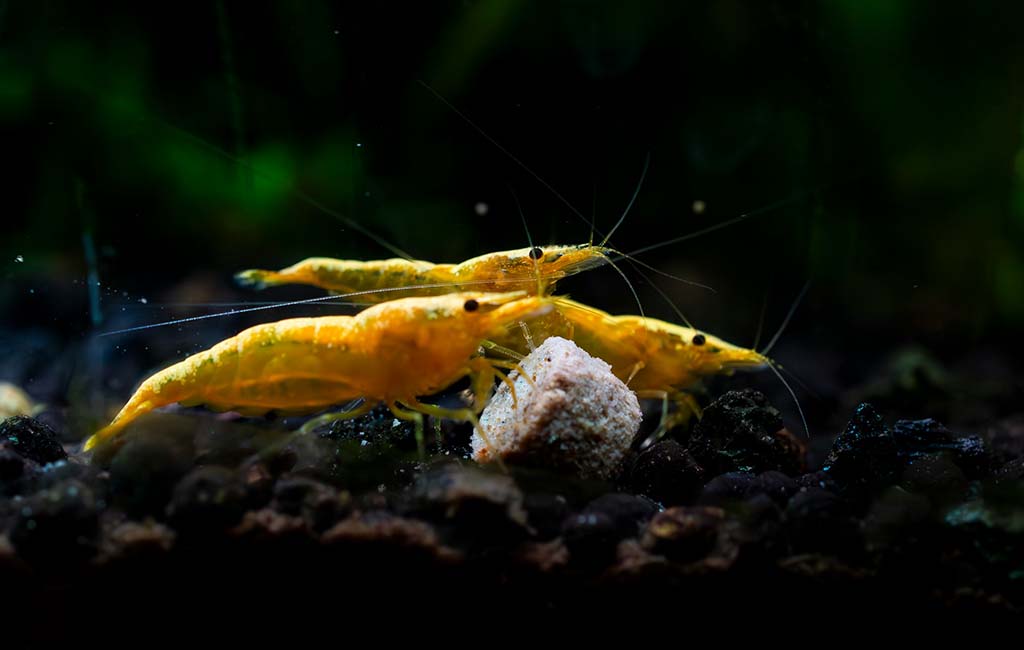
Yellow Golden Back Shrimp Care
The ideal aquascape for these shrimp includes:
- Dark substrate, such as black sand or fine gravel, which makes their yellow color pop visually
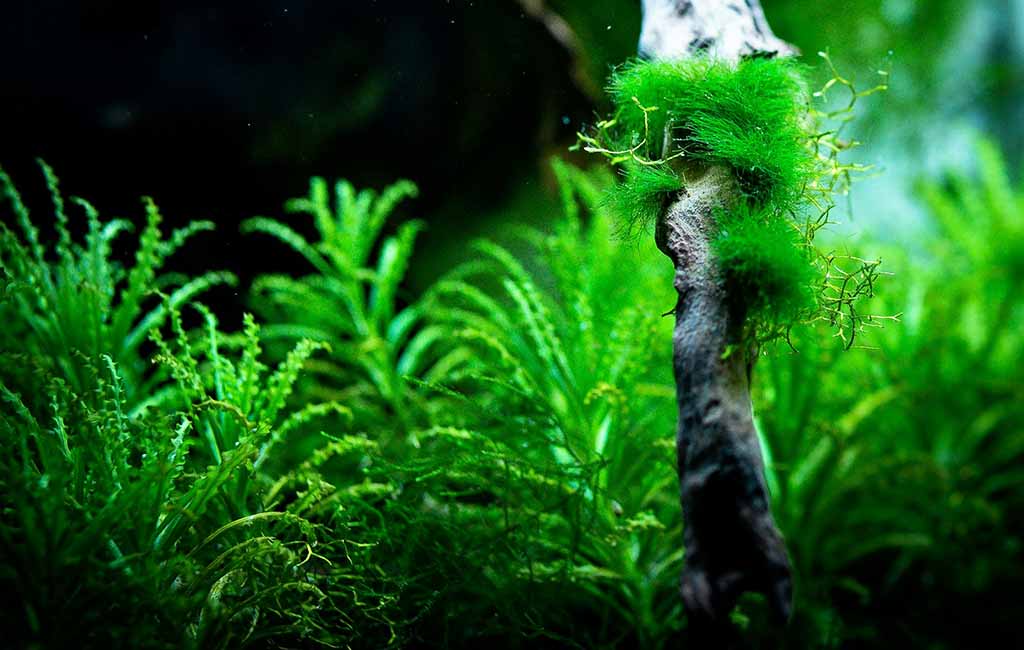
- Dense planting with mosses like Java Moss, Christmas Moss, or Flame Moss, which provide grazing surfaces and shelter
- Leaf litter, such as Indian Almond leaves, which release tannins and encourage biofilm growth
- Driftwood and smooth stones for additional hiding and grazing surfaces
Filtration
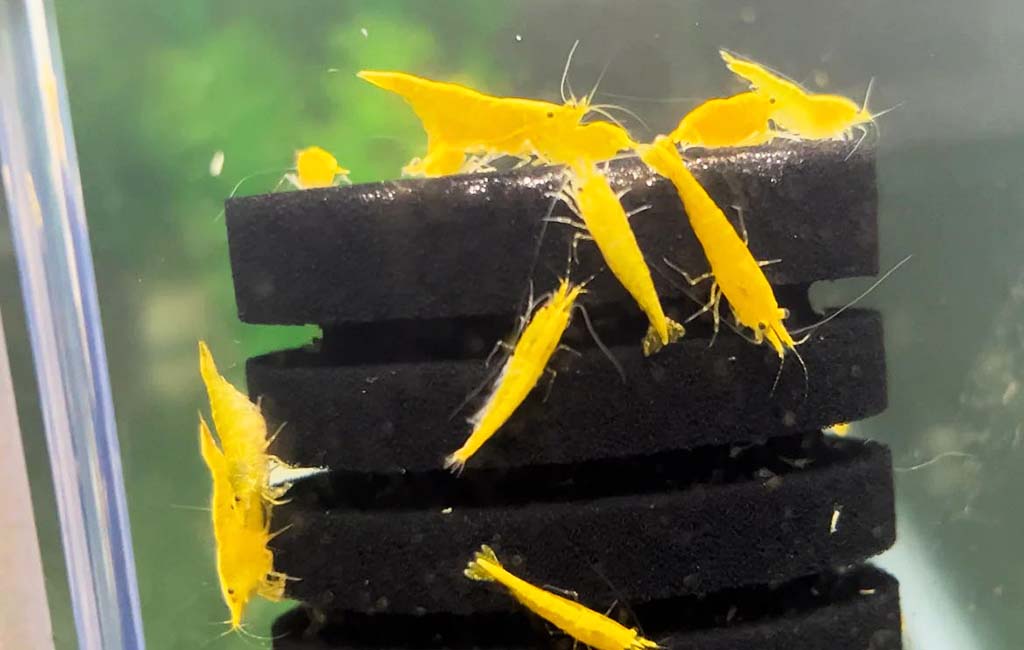
A sponge filter is the preferred choice for shrimp tanks. It provides gentle mechanical and biological filtration without creating strong currents, and the sponge surface itself becomes colonized with beneficial bacteria and biofilm that shrimp graze on. Hang-on-back and canister filters require an intake guard or fine sponge pre-filter to prevent shrimp and shrimplets from being sucked in.
Molting
Shrimp molt their exoskeletons as they grow. During and immediately after a molt, shrimp are vulnerable and will hide. Do not remove the empty shell from the tank; the shrimp will eat it to recover calcium and minerals. If shrimp molt frequently and die shortly after, this is often a sign of unstable parameters or mineral deficiency.
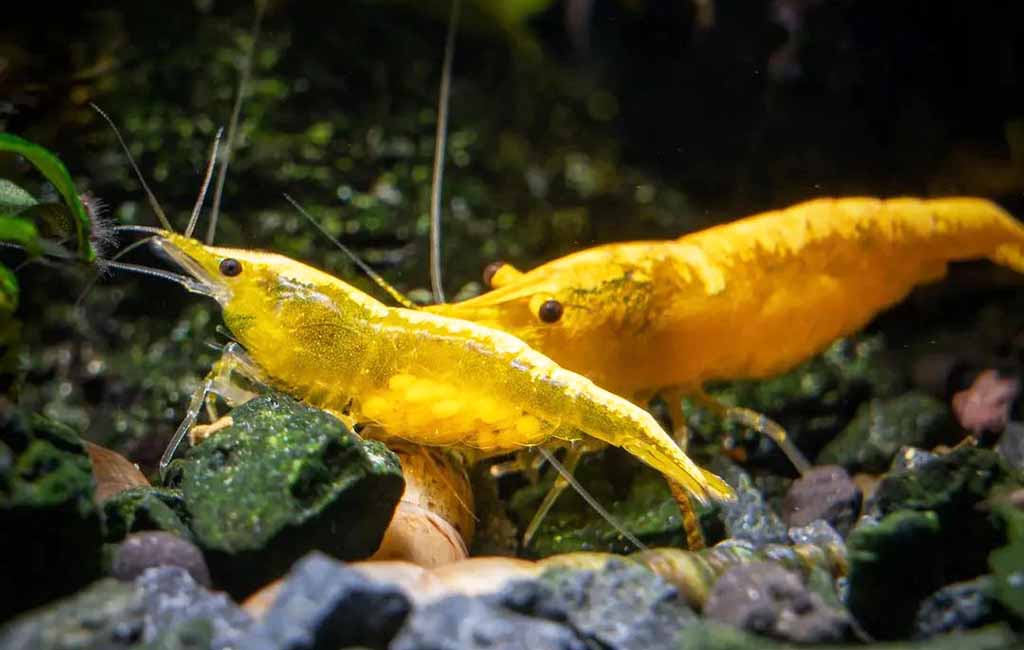
yellow shrimp
Tank Mates for Yellow Golden Back Shrimp
Choosing compatible tank mates is important because many common aquarium fish view small shrimp as food. Safe tank mates include:
- Otocinclus catfish: Small, peaceful algae eaters that ignore shrimp
- Pygmy Corydoras: Bottom dwellers that coexist without issue
- Celestial Pearl Danios: Small and generally non-predatory toward adult shrimp
- Ember Tetras: Tiny enough to be compatible, though they may eat shrimplets
- Nerite Snails and Mystery Snails: Excellent tank companions with no conflict
Fish to avoid include Betta fish, Cichlids, Angelfish, Goldfish, and any species large enough to swallow a shrimp whole. Even “peaceful” larger fish will opportunistically eat shrimp if given the chance.
How to Breed Yellow Golden Back Shrimp
Breeding Requirements
Yellow Golden Back Shrimp breed readily when conditions are right. A stable, mature tank with good water quality, adequate food, and a balanced male-to-female ratio is usually all that is needed. A ratio of one male to two or three females is ideal to prevent females from being harassed excessively.
The Breeding Process
When a female is ready to breed, she releases pheromones into the water. Males will swim actively and erratically throughout the tank searching for her, a behavior known as “the swarm.” After mating, the female carries 20 to 30 fertilized eggs beneath her tail for approximately 25 to 30 days, fanning them regularly with her swimmerets to keep them oxygenated.
The eggs hatch into fully formed miniature shrimp, not larvae. These shrimplets are about 1 to 2 millimeters long and are capable of feeding on biofilm immediately. Dense moss and leaf litter provide critical cover for shrimplets, which are highly vulnerable in their first few weeks of life.
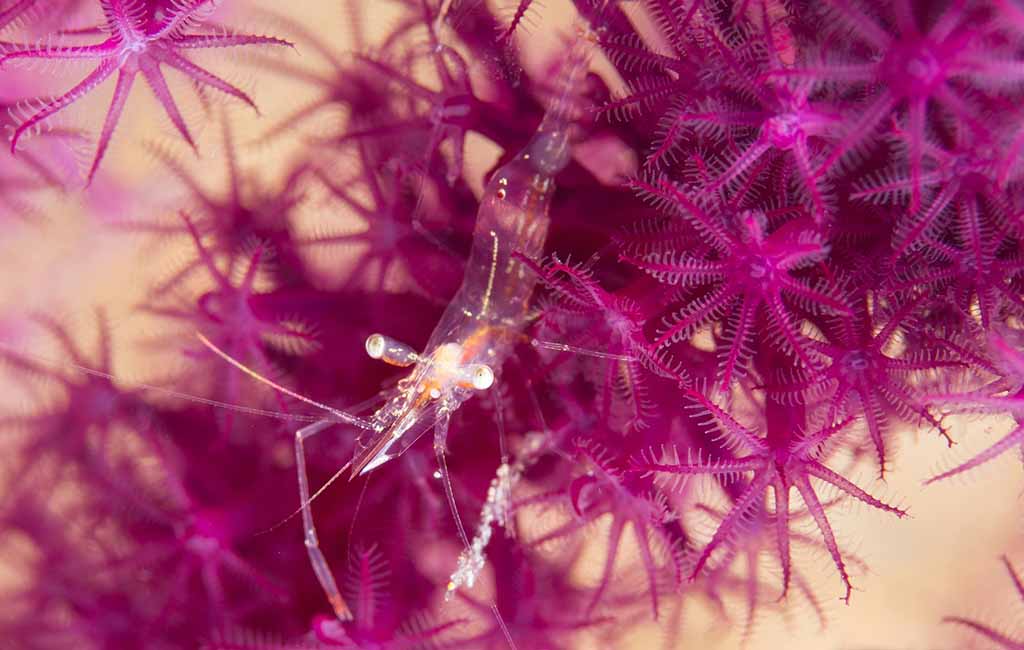
Breed Yellow Golden Back Shrimp
In Conclusion
Yellow Golden Back Shrimp bring exceptional color and life to any planted or aquascaped tank. Their manageable care requirements, compatibility with a variety of tank setups, and willingness to breed in home aquariums make them a rewarding species for beginners and experienced hobbyists alike.
With stable water, good food, and thoughtful tank design, a colony of these shrimp can thrive for years and remain one of the most visually satisfying additions to a freshwater aquarium.
Related Products

Leave a comment