
There is no simple way to keep a healthy aquarium by adding water and feeding fish sometimes. Proper filtration of the tank is one of the most vital components of a successful tank. Out of the many filtration methods, aquarium biochemical filtration is an important one in ensuring that the water is safe and clean. It decomposes the unhealthy substances released by fish and decomposing food.
Content Table
This filtration is an underrated phenomenon by many aquarists, and it may cause issues in the water and unhealthy fish. With a filtration upgrade, you will establish a more stable, sustainable, and aesthetically pleasing biochemical experience in a tank.
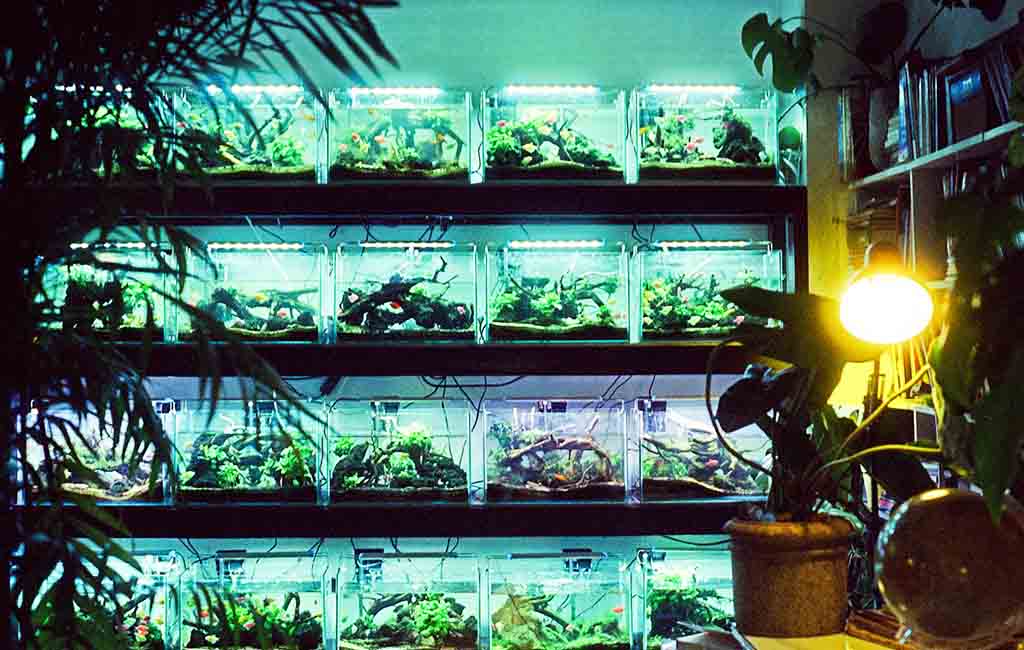
aquarium biochemical filtration
Aquarium Biochemical Filtration
What Is Biochemical Filtration?
Biochemical filtration is a process that removes dissolved organic compounds from aquarium water through natural biological activity. Unlike mechanical filtration, which physically traps debris, biochemical filtration relies on colonies of beneficial bacteria to process harmful substances. These bacteria convert ammonia and nitrites into less toxic nitrates, maintaining a safe environment for your aquatic pets. Without efficient biochemical filtration, toxins accumulate and create stressful conditions for fish, which can lead to illness or even death. This filtration type is essential for both freshwater and saltwater tanks of any size.
Main Goal of Biochemical Filtration
Biochemical filtration involves the process used in removing dissolved organic compounds in water in an aquarium by the process of natural biological activity. Biochemical filtration, however, does not involve the physical trapping of debris, as is the case with mechanical filtration, but instead utilizes colonies of friendly bacteria to degrade harmful particles.
These bacteria transform the ammonia and nitrites into less toxic nitrates, helping to maintain a safe environment for your aquatic pets. Lack of efficient biochemical filtration will result in the buildup of toxins and place stress on fish, causing ill health or death.
Roles and Functions in Fish Tanks
Biochemical filtration is used in collaboration with mechanical and chemical filtration to ensure the healthy surroundings of the found water. It is not only degradable, but it also helps immunize fish and maintain stability in the tanks in general. It promotes the growth of bacteria in the filter media, forming a natural ecosystem within the aquarium.
This process will save on the frequency of changing water since the filter will keep purifying water. Also, the appropriate management of the biochemical filtration system allows regulating the algae growth and enhancing the clarity of the tank water, providing the fish lovers with an aesthetically pleasing environment in the tank.
Factors Affecting Aquarium Biochemical Filtration
Factors Affecting Aquarium Biochemical Filtration
1. Temperature and Bacterial Activity
The temperature is the major factor that has an impact on the effectiveness of beneficial bacteria. The majority of bacteria thrive well in a constant and moderate temperature, usually between 72°F and 78°F. Fluctuations in temperatures to extremes may cause a slowdown in the activity of bacteria or even kill them, which will decrease the effectiveness of filtration.
That is why it is imperative to ensure that the tank temperature remains constant, particularly where there are seasonal changes in the room. Chillers or heaters can also be necessary to maintain conditions conducive to the growth of bacteria and the overall health of the tank.
2. Surface Area of Filter Media
Bacterial colonization depends greatly on the surface of the filter media. Media containing more pores and textures give more room to the useful bacteria to settle and multiply. Sponges, bio-ceramic balls, etc., are the best since they represent offered surfaces that do not block water flow. Media with less surface area might be a constraint to bacterial growth and an inability to effectively process waste within the tank, and this would affect the quality of water.
3. Water Flow Rate
Biochemical filtration efficiency is also dependent on the water flow rate across the filter. Excessive flow rate may sweep away beneficial bacteria, which might reduce their capacity to decompose toxins.
On the other hand, it can be too sluggish, resulting in a restricted supply of oxygen, which is required by bacteria to metabolize. A moderate and constant flow rate would keep the bacteria alive and perform efficient purification of the water. Regulators or flow filters can also be adjusted to achieve an optimal outcome in terms of water movement.
4. Tank Size and Stocking Levels
The size of your tank and the quantity of fish impact the amount of waste created and the amount of filtration required. Tanks of greater size or loaded aquariums manufacture more ammonia, in which case, they need a powerful filtration system or a combination of systems.
The consequence of poor estimation of filtration requirements may result in a water quality problem, such as an increase in nitrite and an algae bloom. Estimating the reasonable filtration capacity, depending on the volume and population of fish in the tank, is important for having a healthy aquarium.
5. Maintenance and Water Quality
Even the most developed filters have to be maintained to work to their best. Filter media cleaning and observation of water parameters are also needed to promote the growth of bacterial colonies.
Do not overfeed, as this results in a growing body of organic garbage that saturates the filtration system. Ammonia, nitrites, and nitrates can be tested regularly to prevent early detection of problems and to ensure that your filtration system is working effectively. Good maintenance is a key to keeping the tank healthy and enables mitigating outbreaks in cases of diseases among fish.
HG256 sponge filter review
hygger 256 Aquarium Biochemical Sponge Filter Review
1. Overview and Functionality
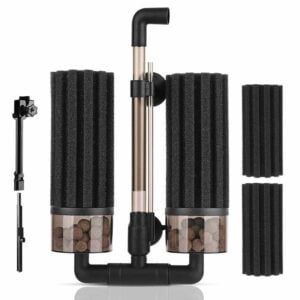
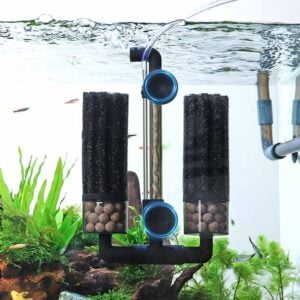
The hygger 256 Biochemical Sponge Filter is an effective system that employs a combination of mechanical, biochemical, and oxygenating in a single system. It fits tanks with a capacity of 10 to 55 gallons and offers flexibility in various configurations.
The filter draws in water through the sponges and bio-ceramic balls by using the rising air, eliminating debris, and facilitating bacterial growth. Its structure provides a way of purifying and enriching water with oxygen, thereby making it healthier for fish and invertebrates.
2. Filtration Efficiency
The HG256 filter is designed with a vertical stripe structure positioned perpendicularly to the water input to maximize the filtration and adsorption surface. The water flows into the sponges and bio-ceramic balls, which entrap particles and develop desirable bacteria.
The two-fold action guarantees an increased rate of filtration and a reliable water quality. The water is slow and gentle and does not disrupt the fish; therefore, it is also effective in processing organic wastes.
3. Cultivation of Beneficial Bacteria
The fact that the filter develops effective bacteria is among the main characteristics of the goods. The bio-ceramic balls are porous and create the best environment where the bacteria can digest any harmful compounds, such as ammonia, nitrites, and others.
The increased number of bacteria enhances the natural filtration rate of the tank, which means that water changes are minimized. The system helps with the long-term assistance and stability of aquariums and is therefore acceptable to both beginners and experienced aquarists.
4. Ease of Maintenance
The HG256 sponge filter allows easy removal and replacement of sponges and bio-ceramic balls. Both components can be washed with aquarium water to preserve bacterial colonies.
The filter includes four sponges and reusable bio-ceramic balls, making it cost-effective and environmentally friendly. Its simple design ensures that maintenance can be completed without disrupting the tank’s balance.
5. Installation and Adjustability
This filter offers two installation methods: strong suction cups or a hang-on, extendable plastic clip. The water outlet rotates 360°, and the T-shaped connector allows flexible placement.
The outlet can be positioned below the water surface for aeration or above for a gentle waterfall effect. These adjustable features accommodate different tank designs and help maintain optimal water circulation throughout the aquarium.
improve biochemical filtration
How to Improve Biochemical Filtration Efficiency in Fish Tanks
-
- Maximize Surface Area: Choose filter media with large pores or bio-ceramic balls to provide extensive surface area for bacterial colonies. More surface area means more bacteria and better toxin breakdown.
- Maintain Proper Water Flow: Moderate water flow ensures bacteria receive enough oxygen without being washed away. Adjustable flow rates help balance purification efficiency with tank stability.
- Avoid Overfeeding: Overfeeding produces excessive waste, which overwhelms the filter and slows bacterial processing. Feed small amounts and remove uneaten food to maintain water quality.
- Regular Testing and Cleaning: Monitor water parameters regularly. Ammonia, nitrite, and nitrate tests help detect problems early. Rinse sponges with aquarium water every 2–4 weeks to maintain bacterial health.
- Consider Additional Filters: For larger or densely stocked tanks, adding a second filter can reduce strain on a single system. More filtration media provides more surface area and higher bacterial capacity.
- Optimize Filter Placement: Place filters in areas with good water circulation to improve oxygen supply and ensure even filtration across the tank. Correct placement enhances bacterial efficiency and water turnover.
- Maintain Stable Conditions: Avoid sudden changes in water chemistry or temperature. Stressful conditions reduce bacterial activity, compromising filtration performance. Stable conditions support consistent water quality.
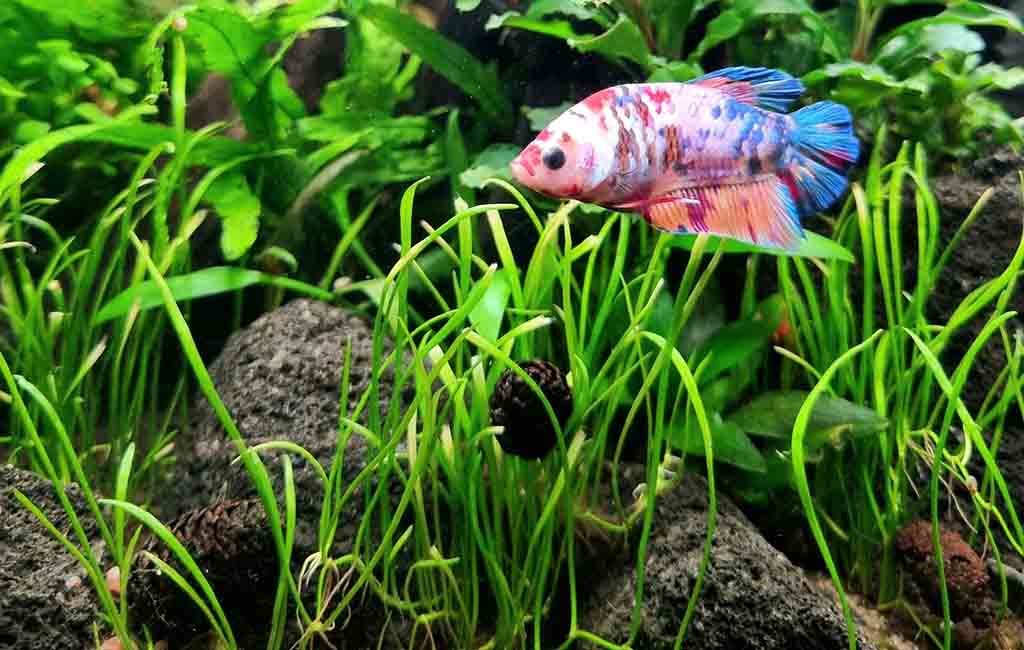
Increase Biochemical Filtration for Your Tank
When to Increase Biochemical Filtration for Your Tank
1. Signs of Insufficient Filtration
Cloudy water, high ammonia or nitrite levels, and unpleasant odors indicate that current filtration is insufficient. Additional filtration may be required to maintain water safety.
2. Overcrowded or Large Tanks
High fish density or large aquariums produce more waste, necessitating stronger filtration to prevent water quality issues. Using multiple filters can balance waste processing.
3. Newly Established Tanks
New aquariums require extra filtration to support bacterial colony development. During this period, water parameters are unstable, making enhanced filtration crucial for fish safety.
4. Seasonal Changes
Temperature or water chemistry shifts can reduce bacterial efficiency. Temporary filtration upgrades during seasonal changes help maintain consistent water quality.
5. Special Situations
Introducing new fish or plants can temporarily increase waste levels. Extra filtration ensures that the tank remains balanced and reduces stress on aquatic inhabitants.
Closing Remarks
The aquarium depends on biochemical filtration to be healthy and alive. Installing a high-quality system such as the hygger 256 Biochemical Sponge Filter offers assured mechanical and biological filtration and helps to regulate the growth of the desirable bacteria. It can fit in tanks of different sizes because of its flexible installation, reusability of the media, and adjustable flow. Water parameters should be monitored and maintained properly, thus ensuring that filtration is performed properly when required.
Replacing your filtration system not only eliminates more maintenance but also provides a more stable and healthier environment through a cleaner system for your fish. Through regular maintenance, your aquarium will continue to be not only colorful but also a beautiful place to live in for many years to come.
Related Products

Leave a comment