
Rearing ornamental fish is a rather rewarding, yet very relaxing activity for many fans. The majority of people wish that their ornamental fish would become rounder, healthier, and more vivid. There is more to keeping ornamental fish than just aesthetics; it has to do with keeping the fish healthy and watching them perform their natural behaviors.
Content Table
Effective nutrition is an important part of this objective, and dietary supplementation may enhance growth, coloration, and immunity. Commercial fish food is on the market, but DIY fish food allows you to feed them with nutritious and fresh meals specific to your species.
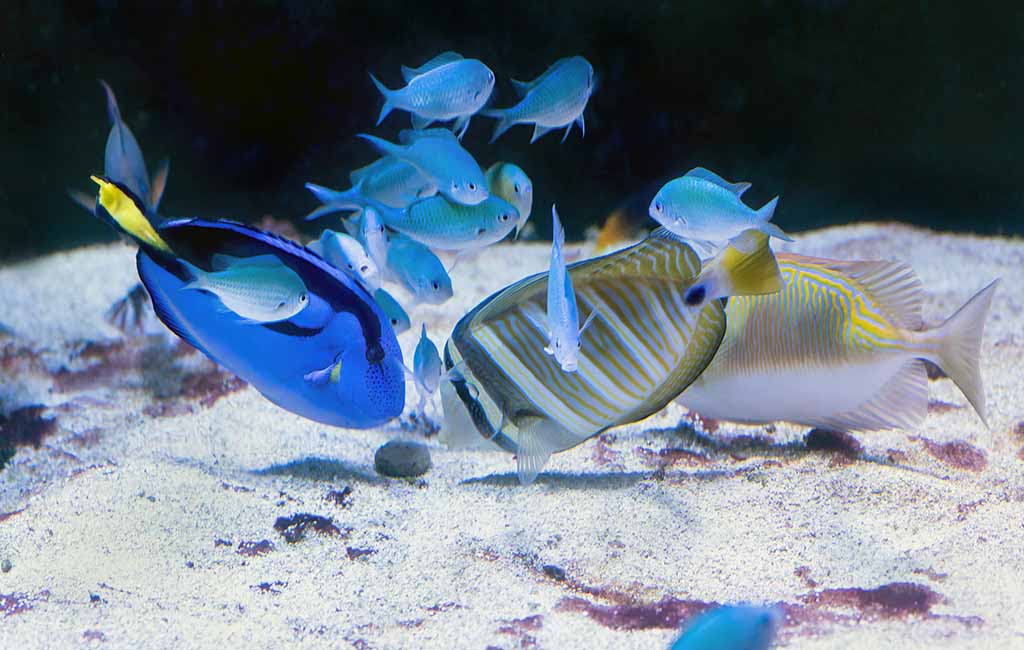
Supplement nutrition for aquarium fish
Keeping Ornamental Fish
Fishkeeping is not simply placing colored species in an aquarium. It involves the knowledge of the peculiarities in the needs of every species and the establishment of a sound ecosystem. The vast majority of ornamental fish demand a diet that promotes growth, improves coloration, and improves immunity.
Fish can also turn grey or white, have muscles that are weak or fail to develop, even though they lack the right nutrients. Home-cooked dietary supplementation will offer added nutrients that are possibly missing in commercial food. The routine inspection of your fish enables you to decide whether you need to feed them better.
The goal of many fish owners is to get their ornamental fish to resemble a round body shape, as this is a sign of good health. A full-bodied and wide appearance is usually evidence of good nutrition and development. It is also essential to keep water quality, temperature, and oxygen in optimal condition to promote the general well-being of fish. Environmental care, together with a balanced diet, guarantees longer and healthier lives for ornamental fish. Learning the behavior of fish, their affections, and eating habits will enable you to enhance the nutrition of fish.
What Food Can Supplement Fish with Full Protein
Protein is a crucial nutrient that helps in the growth of muscles and the development of organs, as well as the general health of fish. High-protein foods are shrimp, krill, small fish fillets, and high-quality commercial pellets.
The other sources of protein are egg whites, finely chopped lean meats, and insects, which need to be safe to be added to the aquarium. Supplementing with proteins is of special concern in carnivorous and omnivorous species, which lack plant-based food sources of amino acids. Balanced protein diets lead to stronger muscles, enhanced color, and increased growth.
The protein sources that should be taken should be fresh and without preservatives, and they should be easily digested by your fish. Certain fish have delicate digestive systems, and therefore, finely ground food enhances palatability.
Protein supplementation may also boost immunity and minimize stress. Constant protein supplementation serves to keep the energy levels high and reproductive health during breeding in fish. Do not feed too much; too much protein may contaminate the environment with water and cause digestive issues.
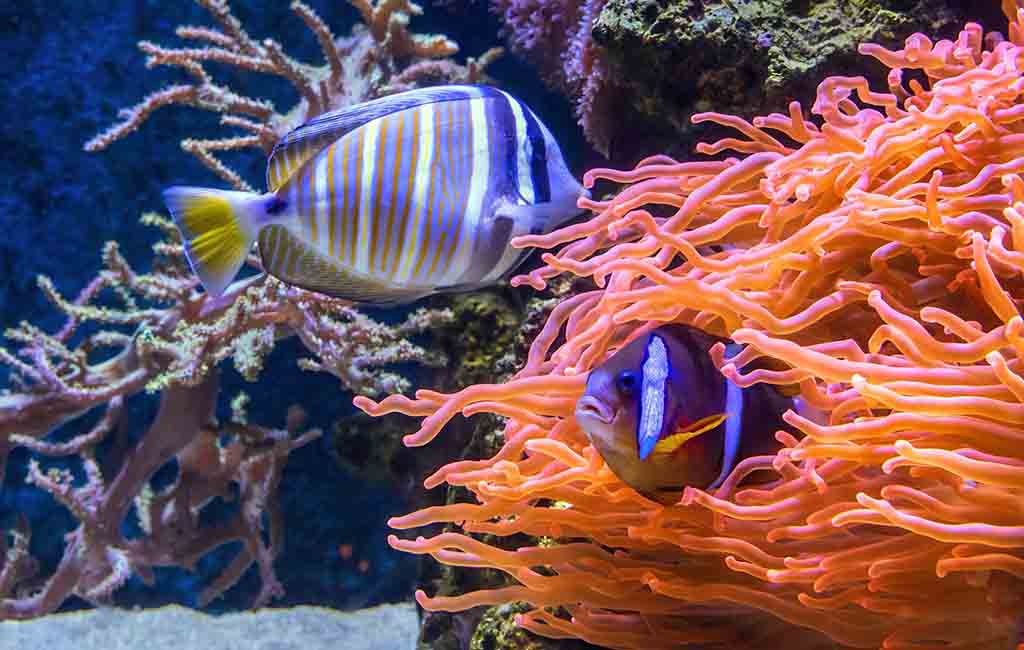
DIY food hamburger for fish
Common High-Protein Foods for Aquarium Fish:
- Shrimp or krill, either fresh or frozen.
- Small fish fillets, cut into digestible pieces.
- Egg whites, boiled or raw, in small amounts.
- Insects like mealworms, chopped finely.
- Lean meats, free of preservatives and additives.
DIY the Food Hamburger for Omnivorous and Carnivorous Aquarium Fish
Preparation of a DIY hamburger is an insightful way of preparing balanced nutrition for omnivorous and carnivorous fish. The hamburger must contain protein, fats, and vitamins in a form that is easy to eat and palatable. Use seafood like fish fillets, shrimp, egg whites, and small portions of vegetables. Blend the ingredients to a fine blend so that the fish will be able to consume the food. To fix the mixture, add gelatin or agar in tiny patties, which are fit enough to be the right size for your fish.
The palatability is critical since fish can spurn out tough and unattractive food. Freezing the portions makes it possible to store the food long-term and preserve the nutritional value. Preheat the patties, and then feed the fish, and see if they eat the patties to the last. Well-cooked DIY food stimulates natural food intake and provides fish with all the necessary nutrients.
Steps to Prepare DIY Fish Hamburger:
- Select Ingredients: Choose shrimp, fish fillets, egg whites, and vegetables.
- Grind Ingredients: Make small, uniform pieces for easy consumption.
- Add Binder: Use gelatin or agar to hold the mixture together.
- Form Patties: Shape according to fish size and feeding habits.
- Freeze Portions: Store in small containers for long-term use.
- Feed Carefully: Thaw before feeding and remove any uneaten portions.
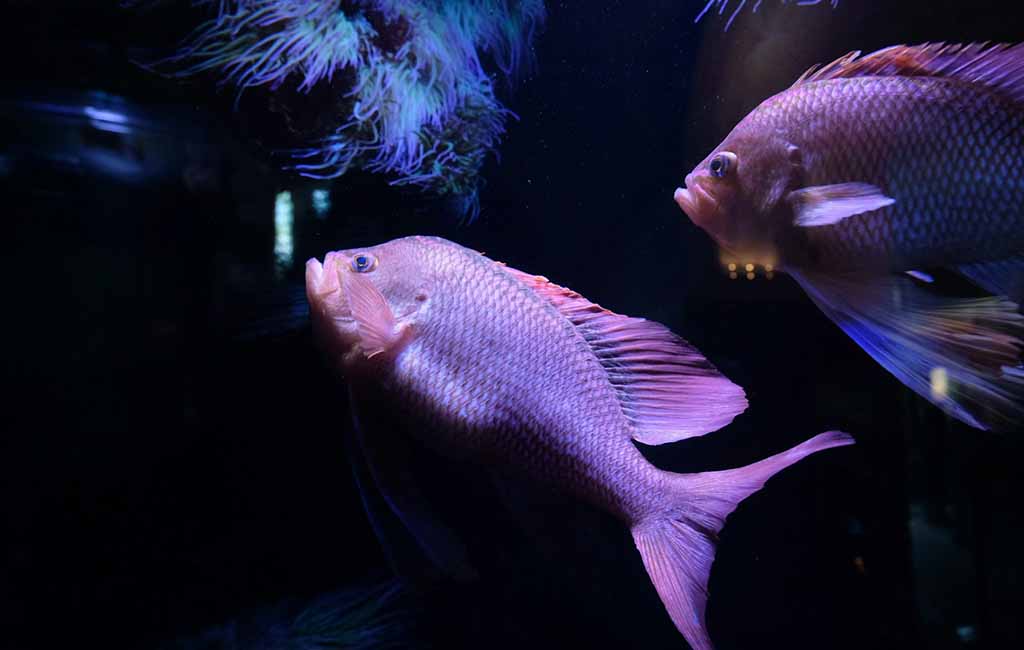
aquarium fish DIY food
Feeding Principles of Aquarium Fish: DIY Food
There are appropriate principles that should be observed when feeding DIY food to maintain the health of the fish and the cleanliness of the tank. Do not overfeed fish, but feed them only for a matter of a few minutes. Balance nutrients, checking deficiencies caused by variations. Note the fish’s habit to respond with the amount of food according to the appetite, species, and age. DIY food ought to be used as a supplement to standard commercial diets, rather than as an alternative to them.
The feeding flexibility facilitates the adjustment of the small, adult, or slow-eating fish. Fish health and growth can also be monitored to introduce changes to the feeding frequency or portions. Regular checking and controlling create healthier, livelier fish. The combination of protein and plant-based food materials will help the fish get all the nutrition needed.
Key Feeding Principles:
- Feed small portions of fish that can be finished quickly.
- Rotate ingredients to provide balanced nutrients.
- Adjust feeding according to appetite and species.
- Use DIY food as a supplement, not a replacement.
- Monitor fish growth, behavior, and digestion regularly.
Don’t Pollute the Tank Water
Aquarium fish require clean water to survive. Excessive feeding of DIY food may contaminate the water, cause diseases, or death. The food left to rot decomposes to produce ammonia, nitrites, and nitrates that are toxic to the fish. Divide the portions according to the size of the fish to avoid wastage. Dispose of any food that is not eaten in a timely fashion to ensure water is not contaminated.
Small, frequent meals will lead to a decrease in waste and a sudden rise in water pollution. Contamination is also reduced by proper sinking or floating of food, and it also enables fish to feed themselves naturally. When feeding DIY food, it is important to monitor water parameters such as ammonia, nitrite, and nitrate levels. It is advisable to keep tanks clean and to feed fish carefully so that they can live in a good environment.
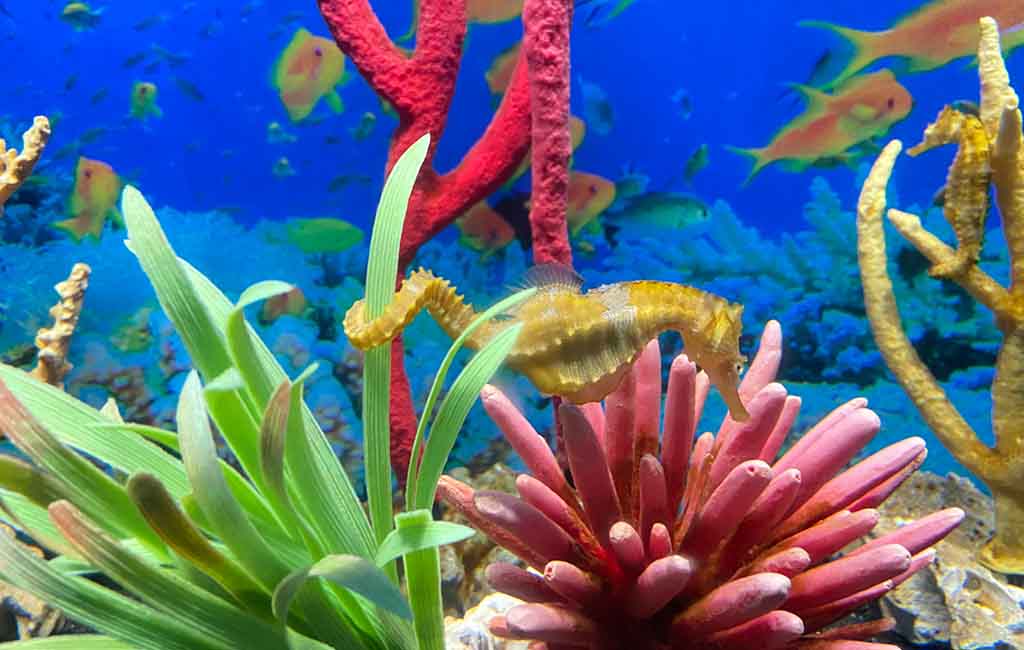
clean water for aquarium fish
Tips to Avoid Water Pollution:
- Feed only what fish can consume immediately.
- Remove leftovers to prevent decomposition.
- Monitor water quality regularly.
- Use small, frequent meals to reduce waste
- Match the food sinking or floating to the fish’s feeding habits.
Some Fish Need to Supplement Plant Food
Protein is a significant component, but most fish also need plant nutrients to stay healthy. Omnivorous fish and herbivorous fish can use spirulina, spinach, zucchini, peas, or lettuce. To increase consumption, vegetables need to be blanched or cut into small pieces. Floating or sinking choices are based on fish feeding behavior.
Plant foods contain fiber, vitamins, antioxidants, and help the digestive system and improve coloration. Continuous supplementation avoids nutrient deficiencies and helps to have a balanced diet. Plant-based food supplemented with DIY meals rich in protein makes a balanced nutritional plan. Feeding progressively with plant food ensures that fish take it and reduces stress in the process of feeding.
Tips for Feeding Plant-Based Food:
- Select safe, digestible vegetables.
- Chop or blanch vegetables for easier consumption.
- Match food type to fish feeding habits.
- Feed in moderation to avoid water pollution.
- Combine with protein-rich meals for balance.
Gradually, Eat Smaller Meals More Frequently
Smaller meals taken at a higher frequency are more like those of animal feeding in the wild. Slow feeding helps to have a higher rate of digestion and nutrient uptake, which helps to grow and give color. Smaller meals taken repeatedly also help eliminate stress and avoid overeating. This approach reduces food waste and contributes to the preservation of the quality of water.
DIY-based meals combined with the plant-based supplements provide proper nutrition to fish. With time, the fish accumulates better muscles, better color, and faster swimming habits. It is possible to identify slow eaters or picky feeders by watching fish when they are being fed. Regularity in meal size, repetition, and nutritional value guarantees a healthy aquarium setup.
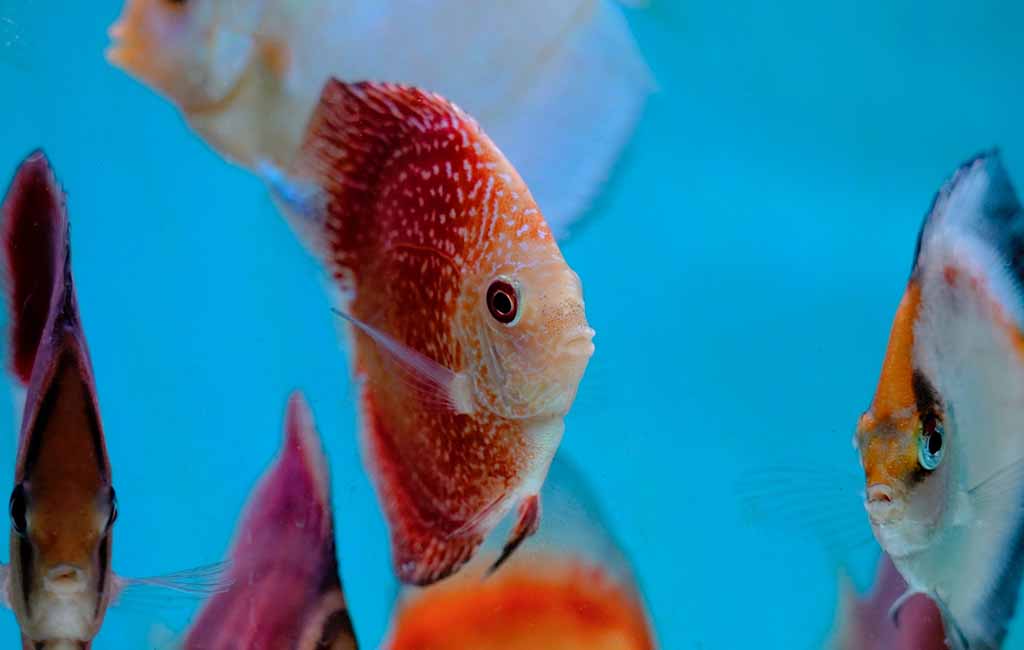
Eat Smaller Meals More Frequently
Benefits of Smaller, Frequent Meals:
- Improves digestion and nutrient absorption.
- Reduces waste and maintains water quality.
- Encourages natural feeding behavior.
- Supports growth, coloration, and immune health.
- Helps monitor individual fish consumption effectively.
Conclusion
A basic but efficient method of nutrition supplementation for aquarium fish is DIY fish food. Incorporation of plant-based supplements with protein-rich foods produces a complete combination of the diet of all species. The ideal feeding principles, portioning, and water quality management keep the fish healthy and active.
Step-wise intensifying the feeding time using smaller portions resembles natural lifestyles and minimizes anxiety. Regular inspection and adjustment of meals results in lively, healthy fish of great coloring. With proper preparation and feeding of DIY food, ornamental fish can be raised, kept, and maintained in a clean, healthy aquarium environment.
Related Products


Leave a comment