
If you have ever looked at a fish tank and thought everything seemed fine, only to find your fish gasping at the surface a week later, you know the frustration. The water looks clear. Fish look okay. And then suddenly they do not.
Content Table
The thing is, water quality in fish tanks is not something you can judge just by looking at it. That is probably the biggest trap new fish keepers fall into. Clear water does not mean clean water. And once you really understand that, your whole approach to tank keeping shifts.
This post walks through everything from what actually causes poor water conditions, to floating debris in fish tanks, to water quality testing, and what good water actually looks like. Consider it a proper deep dive so you can stop guessing and start knowing.
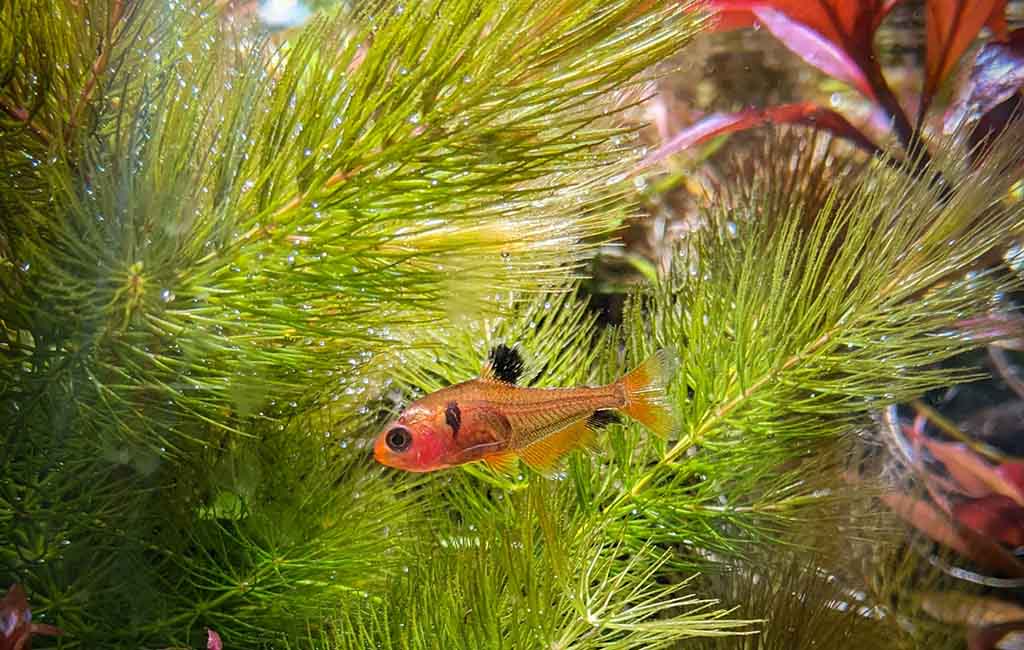
water quality in fish tanks
What Causes Poor Water Quality in Fish Tanks
Poor water quality rarely happens overnight. It builds up. And usually it starts with one of a handful of common causes.
- Overfeeding
Overfeeding is probably the most common culprit. Fish do not need as much food as people think. Uneaten food sinks, rots, and starts a whole chain reaction of organic waste breaking down in your water. Ammonia spikes follow. And ammonia is toxic to fish even in small amounts.
- Overstocking
Overstocking is the second big one. Too many fish in too small a space means more waste than your biological filter can process. The nitrogen cycle, which is the process your tank uses to convert harmful ammonia into less harmful compounds, gets overwhelmed. When that happens, water quality drops fast.
- Infrequent water changes
Infrequent water changes let toxins accumulate over time. Even a well-maintained tank builds up nitrates and other dissolved compounds. Water changes dilute those. Skip them long enough, and the water becomes genuinely hostile to fish health.
- Poor filtration
Poor filtration is another factor. A filter that is too small for your tank, or one that has not been maintained properly, simply cannot keep up. Beneficial bacteria colonies live in your filter media. If you clean it too aggressively or replace all the media at once, you wipe out the biology that keeps your water stable.
- Dead plant matter
Dead plant matter, decaying fish, and even certain substrates can all contribute to water quality problems over time. It is a system. When one part of it gets out of balance, the rest tends to follow.
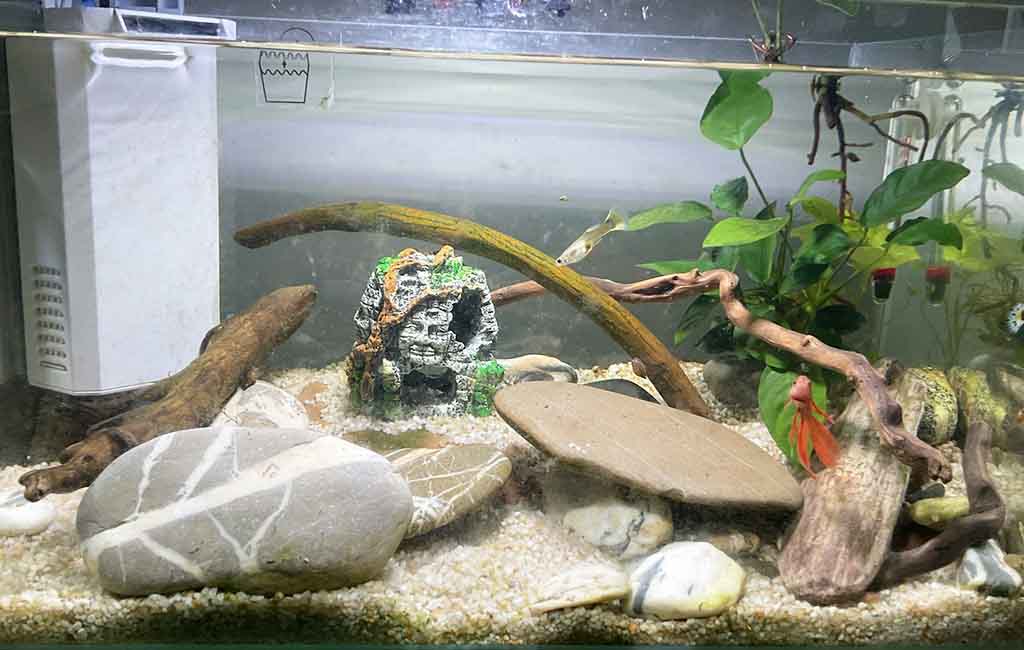
floating debris in a fish tank
Floating Debris in Fish Tanks: What It Is and Why It Matters
Floating debris in a fish tank’s water is one of those things that can mean several different things depending on what you are actually looking at.
Some floating debris is harmless. Tiny bits of plant matter, micro-bubbles from surface agitation, and small particles that got kicked up during a water change. That kind of stuff usually settles or gets pulled into the filter on its own.
But other types of floating debris are worth paying attention to.
Types of Floating Debris and What They Signal
- White or cloudy particles
White or cloudy particles often point to a bacterial bloom. This happens most often in new tanks that are still cycling, or in established tanks after a big disruption like adding new substrate or replacing filter media. The good news is that bacterial blooms usually clear on their own within a week or two as the tank stabilizes.
- Green particles
Green particles or a greenish tint usually mean algae. Free-floating algae, sometimes called green water, turns the whole tank murky and green. It is not dangerous to fish, but it does indicate too much light or too many nutrients in the water, often from excess phosphates or nitrates.
- Dark Particles
Dark or brown particles could be tannins from driftwood, decaying plant material, or mulm (that soft organic sludge that accumulates on the substrate). Tannins are generally fine, and some fish actually prefer the slightly acidic, tea-colored water they produce. But heavy mulm buildup contributes to poor water quality over time as it decomposes.
- Oily film
Oily film on the surface is a sign of protein buildup. This blocks oxygen exchange at the water surface, which is a real problem for fish. Surface agitation from a filter outlet or airstone usually breaks this up.
Floating debris in a fish tank is basically the water telling you something. The key is knowing how to read it, which brings us to testing.
water quality testing
Aquarium Water Quality Testing: How to Do It and Why It Actually Matters
Water quality testing is something a lot of hobbyists skip, especially once a tank seems established and stable. That is a mistake. Testing is the only way to actually know what is happening in your water, rather than just guessing.
What to Test For
The core parameters for any freshwater aquarium are ammonia, nitrite, nitrate, and pH. Saltwater tanks add specific gravity and alkalinity to that list.
- Ammonia and nitrite should both read zero in a cycled tank. Any detectable amount of either is a problem that needs addressing immediately. Both are directly toxic to fish.
- Nitrate is less immediately dangerous but accumulates over time. Most fish tolerate levels under 20 to 40 ppm, but keeping it lower is always better. Regular water changes are the main way to keep nitrates in check.
- pH affects how fish process oxygen and tolerate other compounds. Different fish have different preferred ranges. The important thing is stability. Rapid pH swings stress fish more than a pH that sits slightly outside the ideal range but stays consistent.
How to Test
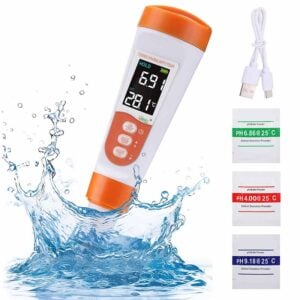
Liquid test kits are more accurate than test strips. They take a few more minutes, but the results are genuinely more reliable. The Water Quality Meter Kit is the one most hobbyists recommend.
Test weekly if your tank is new or if something seems off. For established, stable tanks, testing every two weeks is a reasonable routine. Always test after adding new fish, changing filter media, or any time fish behavior seems unusual.
High Quality Water
What High Quality Water Actually Looks Like
High-quality water in a fish tank is not just about what is absent. It is about the whole picture being in balance.
Ammonia and nitrite sit at zero. Nitrate stays below 20 ppm with regular water changes. pH holds steady within the range appropriate for your specific fish. The water is clear without being sterile-looking. No unusual particles floating around, no surface film, no unexplained cloudiness.
Fish behavior tells you a lot, too. Fish in good water are active, eating well, holding their normal color, and breathing at a normal rate. Fish hovering near the surface, clamping their fins, or hiding more than usual are often reacting to water conditions before any test kit shows a problem.
High-quality water also means the temperature stays consistent. Fluctuations stress fish and lower their immune response, making them more vulnerable to disease.
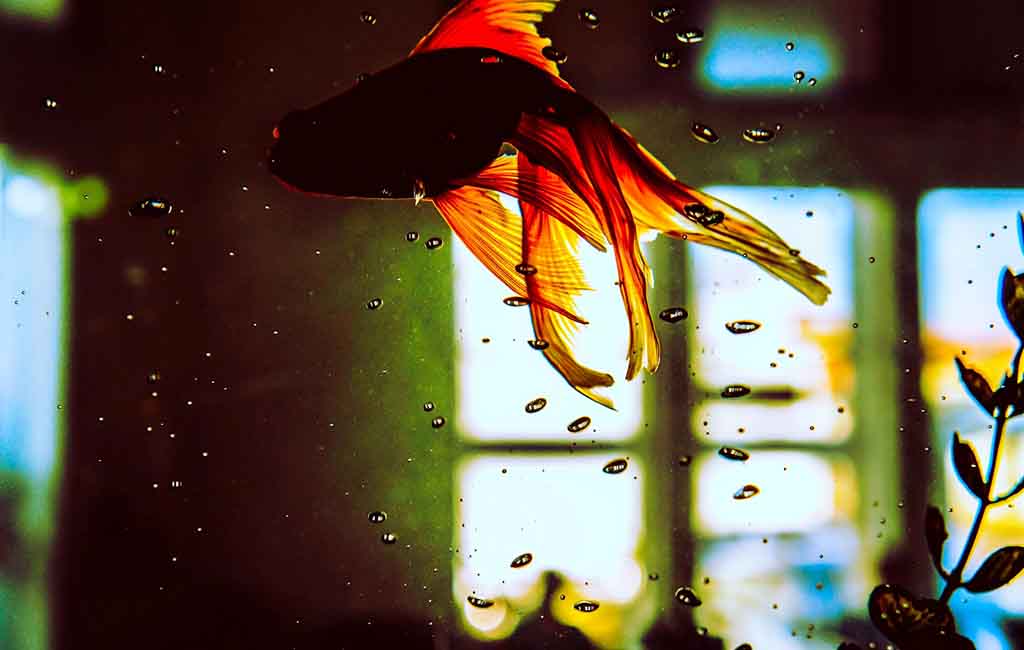
maintain high water quality
How to Maintain High Water Quality in Aquariums
Maintaining high water quality is mostly about consistency rather than dramatic interventions.
- Do regular water changes. For most tanks, changing 20 to 25 percent of the water weekly keeps nitrates manageable and dilutes other accumulated compounds. Use a gravel vacuum to pull debris from the substrate while you change water.
- Feed carefully. Feed small amounts once or twice a day and remove any uneaten food within a few minutes. Your fish will tell you when they are full by losing interest.
- Keep up with filter maintenance. Rinse filter media in old tank water (not tap water, which contains chlorine that kills beneficial bacteria) every few weeks. Replace mechanical media when it gets clogged, but preserve biological media.
- Do not overstock. A good rough guideline for beginners is one inch of fish per gallon of water, though this varies significantly by species. Research the adult size and waste production of any fish before buying.
- Monitor consistently. Water quality testing is only useful if you do it regularly. Keep a simple log if that helps. You want to notice trends before they become crises.
- Address problems early. If ammonia or nitrite spikes, do a water change immediately. Do not wait to see if it corrects on its own.
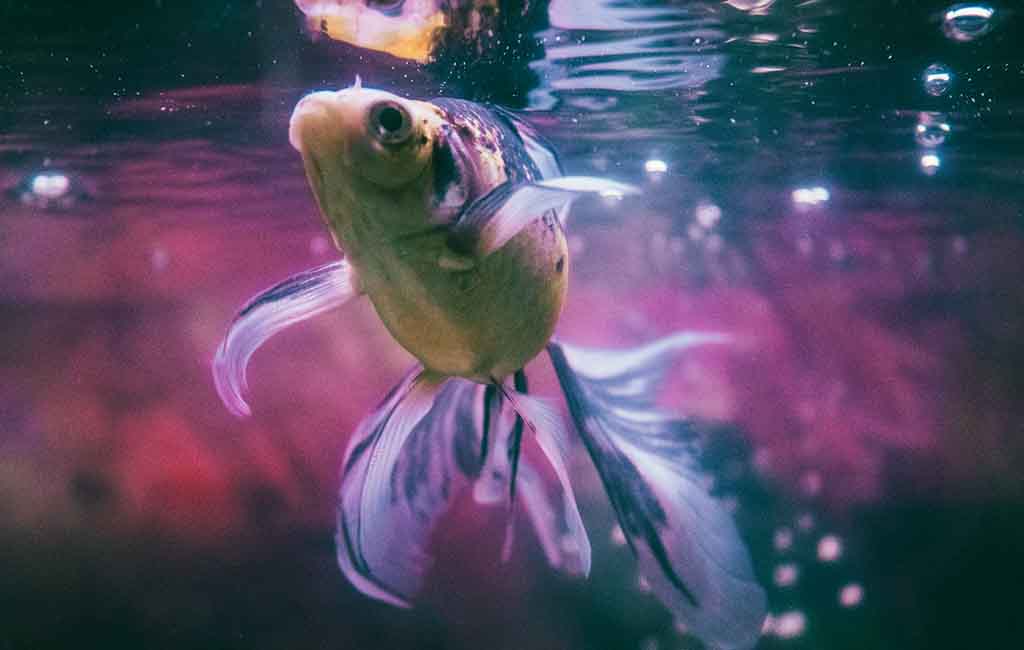
High Water Quality in Aquariums
Concluding Remarks
Maintaining high water quality in a fish tank is not complicated, but it does require attention. The fish depend entirely on you to keep their environment livable. Once you get into a real routine with water quality testing, regular maintenance, and paying attention to what your tank is telling you through things like floating debris or fish behavior, it becomes second nature. Start small, stay consistent, and the rest follows.
Related Products


Leave a comment