
Most fish keepers spend time thinking about water temperature, feeding schedules, and tank decorations. The microscopic side of aquarium care rarely gets the same attention. Yet the microorganisms living in a fish tank are doing some of the heaviest lifting in keeping fish alive. They process waste, neutralize toxic compounds, and hold the entire biological system together. Without a stable microbial community, even a carefully set-up aquarium can collapse within days.
Content Table
This tank Maintenance guide covers the basics, the maintenance steps that actually work, and what disrupts microbial balance in the first place.
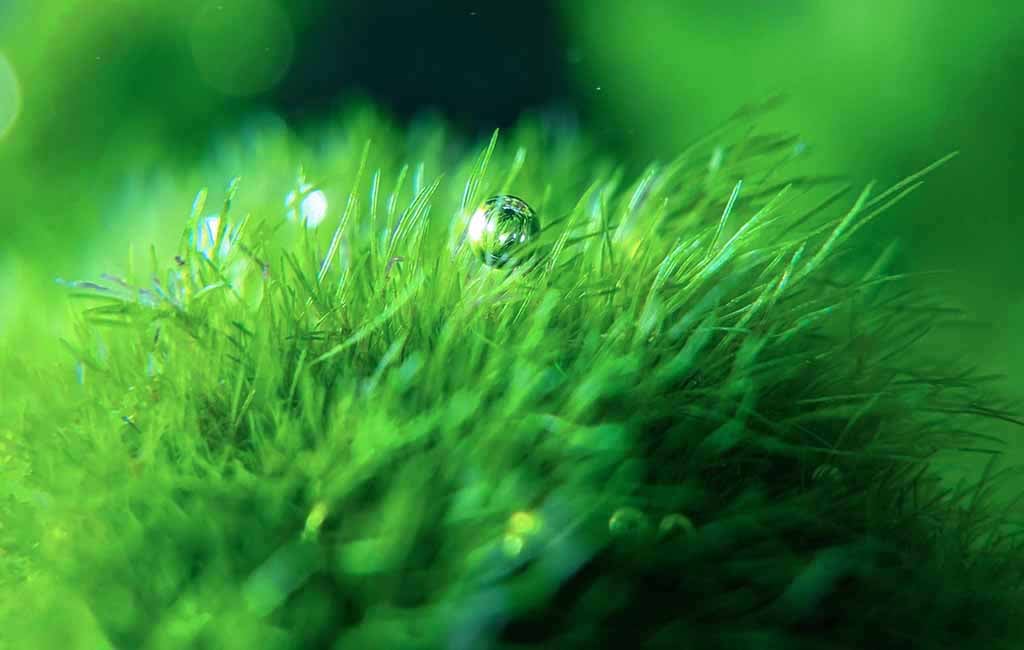
microorganisms
Microorganisms Basics: What They Are and Why They Are in Your Tank
Microorganisms are living organisms, too small to see without a microscope. Inside an aquarium, four main groups are doing meaningful work at any given time.
- Bacteria form the most important group. Nitrifying bacteria, specifically Nitrosomonas and Nitrobacter, convert ammonia (released from fish waste and decomposing food) into nitrite, and then convert nitrite into the far less harmful nitrate. This step-by-step conversion is called the nitrogen cycle, and it is the foundation every healthy tank runs on.
- Protozoa are single-celled organisms that consume bacteria, algae, and suspended organic particles. They help regulate bacterial populations and contribute to nutrient cycling throughout the water column.
- Fungi decompose organic matter, particularly dead plant material and uneaten food. They work alongside bacteria in the breakdown process, handling the material that bacteria alone cannot fully process.
- Archaea, the often-overlooked group, are ancient microorganisms that thrive in low-oxygen zones. In aquariums, they contribute to denitrification (nitrate removal) in deeper substrate layers where oxygen levels are low.
Each group fills a specific role. Destabilize one, and the others feel the pressure.
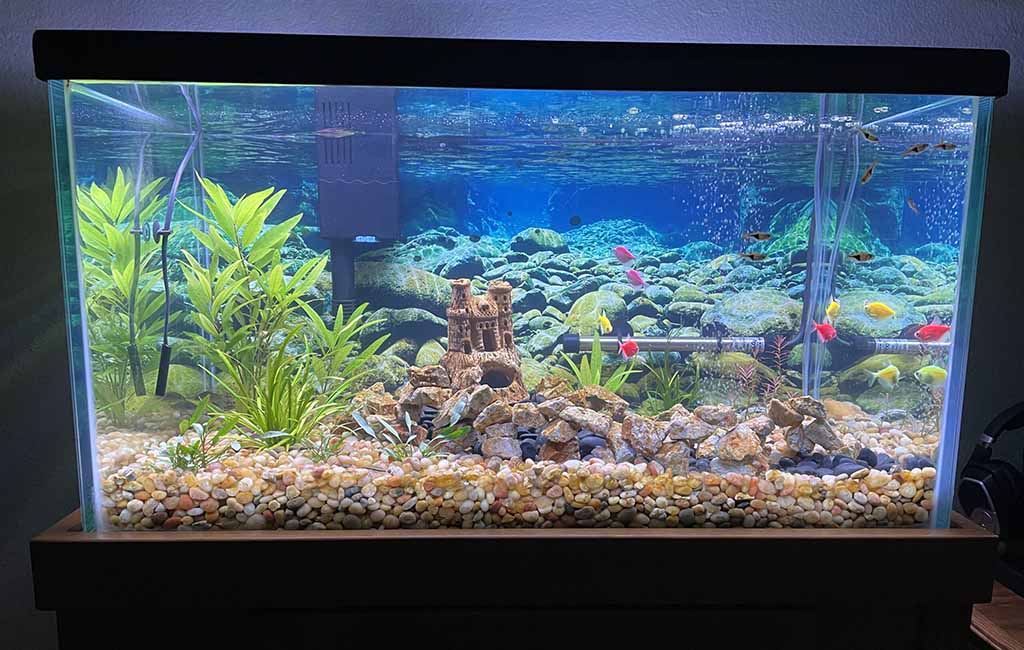
microorganisms in a fish tank
Why Microorganisms’ Stability Is Important
A stable microbial community does far more than keep water looking clear. The role of microorganisms in breaking down organic matter and transforming harmful substances in aquariums is genuinely layered, and understanding it shifts the way fish keepers approach maintenance.
Processing Ammonia Before It Becomes Lethal
Fish release ammonia constantly through respiration and waste. Without bacteria converting that ammonia through the nitrogen cycle, concentrations reach toxic levels within days. Even a small spike in ammonia causes gill damage and immune suppression in fish before visible symptoms appear.
Neutralizing Hydrogen Sulfide
In low-oxygen substrate zones, organic matter breaks down and produces hydrogen sulfide, a gas lethal to fish even at trace concentrations. Sulfur-oxidizing bacteria neutralize this compound before it diffuses into the water column. This happens entirely out of sight, which is exactly why disrupting the substrate should be done carefully and gradually.
Reducing Pathogen Load
A diverse microbial community limits the space available for harmful bacteria to grow. Beneficial microorganisms compete for the same nutrients and colonization sites, which naturally keeps disease-causing organisms at lower levels.
Stability, not just presence, is what matters here. A tank can still crash even if it contains bacteria, if those populations are disrupted suddenly or pushed beyond their processing capacity.
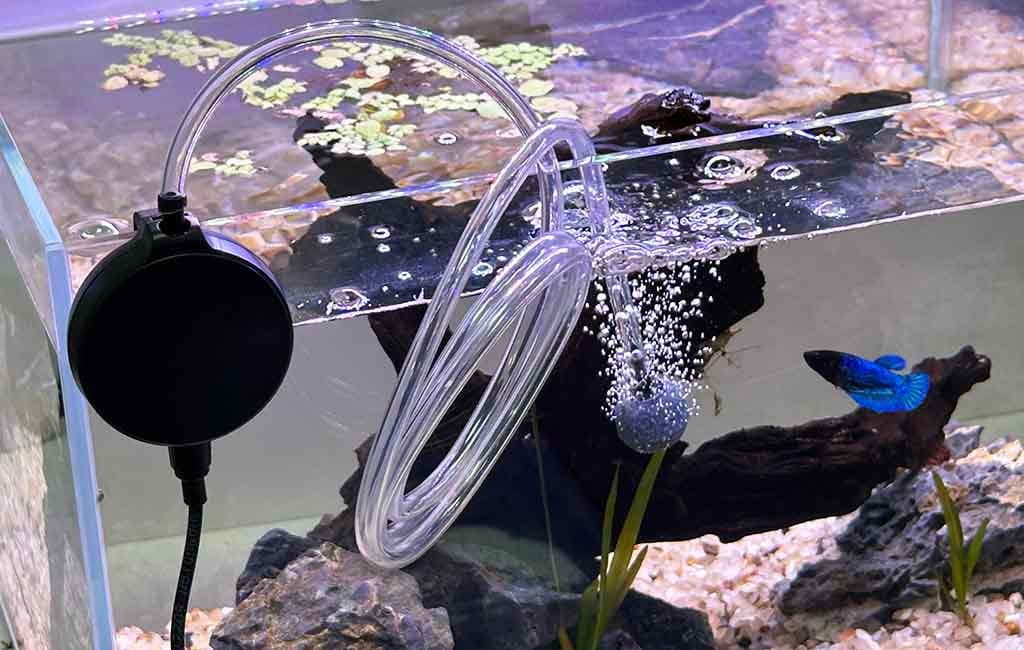
Build Microorganisms in a Fish Tank
How to Build a Home for Microorganisms in Your Fish Tank
Before maintenance is even relevant, the habitat for microbial life has to be set up properly.
- Select Filter Media With High Surface Area
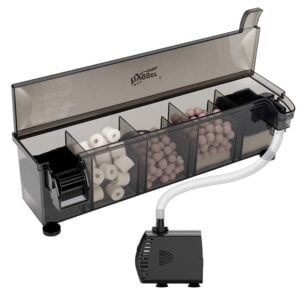
Microorganisms need physical surfaces to colonize. Porous filter media, including ceramic rings, bio-balls, and sponge filters, provide enormous surface area in a compact space. A single sponge filter in a small tank can support millions of bacteria. The more textured and porous the media, the better.
- Layer the Substrate at the Right Depth
A substrate depth of 5 to 8 centimeters creates two distinct zones: an upper oxygenated layer where aerobic bacteria (organisms that require oxygen) thrive, and a lower anaerobic zone where a different microbial group handles denitrification. A thin gravel layer of 1 to 2 centimeters supports far fewer microbial communities and offers almost none of the denitrification benefits.
- Run a Proper Nitrogen Cycle Before Adding Fish
Cycling a new tank takes 4 to 6 weeks. During this period, an ammonia source (liquid ammonia, fish food, or a single hardy fish) feeds the developing bacterial colonies. Testing daily for ammonia and nitrite shows when both have dropped to zero, which signals that the bacterial population is large enough to handle a real biological load.
- Use Live Plants
Aquatic plants provide additional colonization surfaces on their roots and leaf surfaces. They also consume nitrates directly, which reduces the long-term chemical pressure on bacterial communities.
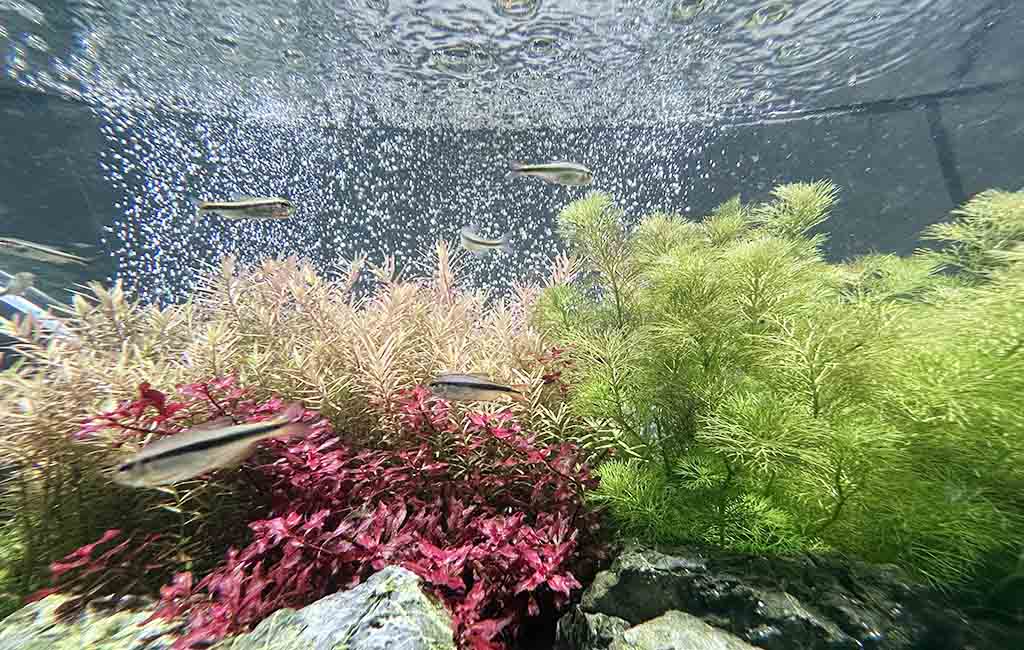
maintain microorganisms
How to Maintain Microorganisms in Your Fish Tank
Once the microbial community is established, the work shifts to not disturbing it. To maintain microorganisms in a fish tank effectively, consistency matters more than effort.
- Perform Partial Water Changes Only
Replacing 20 to 30 percent of the tank water weekly removes excess nitrates without stripping the bacterial colonies living in the substrate and filter. Full water changes remove the microbial foundation that the tank depends on.
- Rinse Filter Media in Tank Water Exclusively
Tap water contains chlorine and chloramines added specifically to kill microorganisms. Rinsing filter sponges or ceramic media in dechlorinated tank water removes debris without harming bacterial colonies. This one step is missed by a surprisingly large number of fish keepers.
- Keep Water Temperature Consistent
Bacterial metabolism slows significantly with sudden temperature shifts, even by 3 to 4 degrees Celsius. A reliable heater and a calibrated thermometer that gets checked regularly keep temperature fluctuations minimal.
- Avoid Overstocking the Tank
More fish means more ammonia, more waste, and more demand on the bacterial population. Overstocked tanks push beneficial bacteria past their processing limits even in well-cycled aquariums.
- Use Antibiotics Only When Necessary
Antibiotic treatments do not distinguish between harmful pathogens and beneficial bacteria. When medication is required, use the most targeted treatment available and run activated carbon after the treatment period to remove chemical residue from the water.
Add Commercial Microorganisms
Whether to Add Commercial Microorganisms Products or Not
Bottled bacteria products, marketed as “bio-starters” or “quick start” solutions, contain concentrated cultures of nitrifying bacteria. Whether they are worth using depends entirely on the situation.
When They Are Genuinely Useful
Commercial bacterial products can meaningfully speed up the cycling process in a brand-new tank. They are also valuable after a crash, a large water change, or antibiotic treatment, when the microbial population needs to rebuild quickly. Some products contain additional microbial strains that support broader biological diversity in the water.
Where They Fall Short
Not all bottled bacterial products contain live, viable cultures. Poor storage, expired stock, and low-quality formulations often deliver minimal benefit. Products that require refrigeration and list specific bacterial strains on their labels are more likely to contain active cultures than shelf-stable products with vague ingredient descriptions.
The practical recommendation: use commercial microorganism products as a supplement during recovery or setup, not as a replacement for proper tank management. A well-cycled tank with stable water parameters will maintain microorganisms more effectively than any bottled product.
causes of microorganisms instability
Common Causes of Microorganisms Instability
Knowing the causes of microorganisms’ instability helps fish keepers avoid the most common tank crashes before they happen.
- Untreated tap water added during water changes: Even a partial water change with unchlorinated water harms bacterial colonies. A dechlorinator (water conditioner) should be added before any water enters the tank.
- Sudden pH swings: Beneficial bacteria function best between pH 6.5 and 8.0. A sharp shift outside this range reduces bacterial activity significantly.
- Overfeeding: Food that fish do not consume decomposes and spikes ammonia faster than bacteria can process it. Feeding only what fish can consume in two to three minutes prevents this.
- Replacing all filter media at once: Beneficial bacteria live in filter media. Replacing all of it simultaneously wipes out the bulk of the bacterial colony.
- Temperature extremes: Water below 10 degrees Celsius or above 35 degrees Celsius substantially reduces bacterial metabolism, allowing ammonia and nitrite to accumulate unchecked.
- Chemical additives and algaecides: Many common aquarium treatments contain compounds that are toxic to beneficial bacteria, even when the packaging does not mention it.
Action Checklist
Maintaining healthy microorganisms in a fish tank comes down to consistent, low-disruption habits. Test the water weekly for ammonia, nitrite, and nitrate to confirm the nitrogen cycle is functioning. Use dechlorinated water for all water changes and rinse filter media only in tank water. Avoid antibiotics unless necessary, and allow microbial populations time to recover after any disruption.
Stock the tank within its biological limits, feed fish only what they can consume in two to three minutes, and select porous filter media that offers maximum surface area for colonization. Small, regular actions protect the microbial community far more reliably than reactive fixes after a crash has already happened.
Related Products


Leave a comment