
Fish tank water that looks off is not just an aesthetic problem. Yellow water, green water, cloudy or murky brown water all point to something happening beneath the surface. For hobbyists trying to maintain a healthy aquarium, understanding what drives a color change in the water is the first step toward fixing it.
Content Table
This aquarium article breaks down the causes, the tests, and the practical steps needed to control water color so the tank stays balanced and the fish stay healthy. No guesswork, just specific steps grounded in how aquariums actually work.
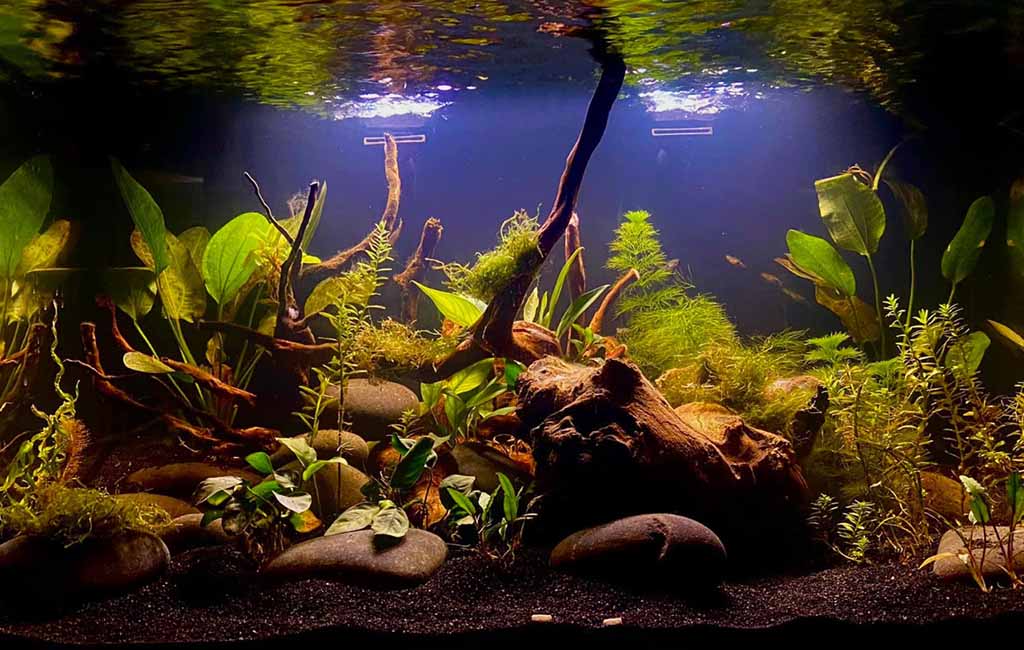
control water color
Understanding Water Color
Water in a well-maintained tank should appear clear, with perhaps the faintest blue tint under good lighting. When the color shifts, something biological or chemical has changed. Color is a signal, not the problem itself.
Different tints carry different meanings:
- Clear waterpoints to balanced chemistry, low organic waste, and a functioning filter.
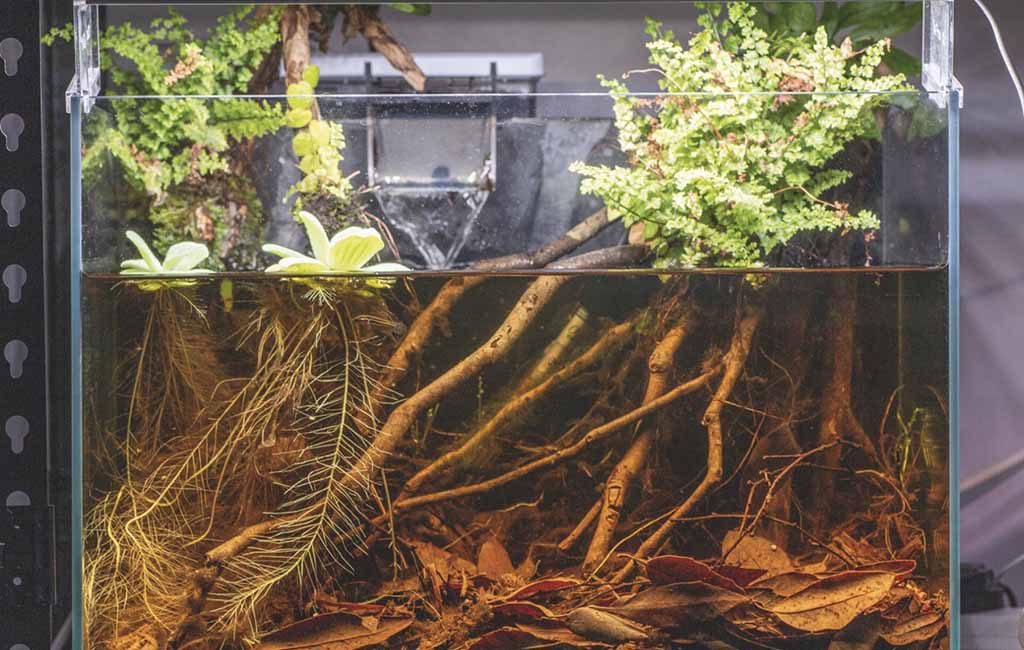
- Yellow or tea-toned water usually comes from tannins released by driftwood, dried leaves, or peat.
- Green water signals a free-floating algae bloom spreading through the water column.
- White or grayish cloudiness is almost always a bacterial bloom, common in new tanks or after a major disturbance.
- Brown water often means decomposing organic matter, overfeeding, or stirred-up substrate waste.
Each watercolor change provides specific information. Reading it correctly saves a lot of trial and error down the line.
Water Color Changes in Aquariums
A water color change does not happen randomly. Every visible shift connects to a biological or chemical process running inside the tank.
Yellowing and Tea-Toned Water
Tannins seep into water from natural materials like driftwood, dried botanicals, and peat. The water takes on a yellowish or brownish tone similar to weak tea. This is harmless for many species and even preferred in blackwater setups for fish like discus, tetras, and certain dwarf cichlids. That said, tannins gradually lower the pH, which matters for species that need neutral or alkaline conditions.
Green Tint and Algae Blooms
Free-floating algae, sometimes called green water, multiplies when the conditions favor rapid growth. Too much light exposure, particularly direct sunlight through a nearby window, combined with elevated nitrates and phosphates, creates the perfect setup for a bloom. Water can turn pea-soup green within a day or two under the right conditions.
Bacterial Cloudiness
White cloudiness in a new tank is a normal part of the nitrogen cycle, establishing itself. In an established tank, sudden cloudiness usually points to overfeeding, a dead fish that went unnoticed, or a filter that stopped working properly. Bacterial populations spike when organic waste builds up, and the cloudy appearance is the visible byproduct of that activity.
Short-Term Brown Cloudiness
Disturbing the gravel or sand stirs up fine particles and trapped organic waste at the bottom. This type of brown cloudiness typically clears within a few hours once the filter catches up, provided the filter is running well.
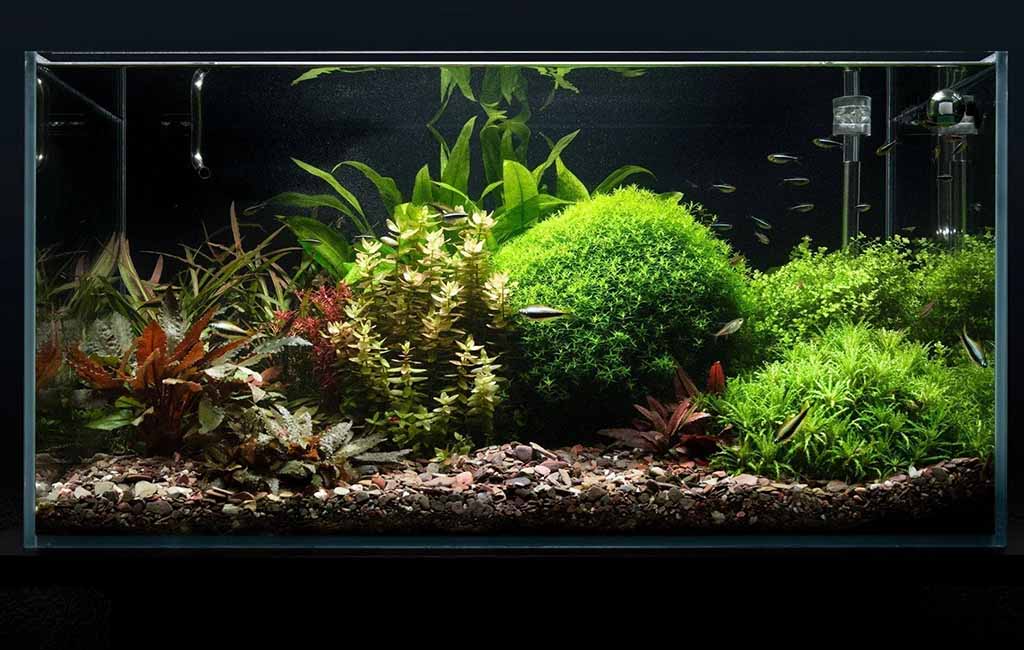
Water color change causes
What Causes Water Color and Chemistry to Shift
The most common triggers for a water color change and chemistry drift in fish tanks include:
- Overfeeding: Leftover food decomposes and feeds both bacterial populations and algae growth.
- Skipped water changes: Nitrates and phosphates build up steadily when routine changes are missed.
- Excessive light exposure: Leaving fish tank lights on for more than ten hours or placing the tank near a window accelerates algae blooms.
- New natural decorations: Driftwood, certain rocks, and soil-based substrates all alter water chemistry in measurable ways.
- Unnoticed livestock deaths: A fish or snail that dies and decomposes raises ammonia quickly, turning the water cloudy and often discolored.
- Filter problems: A clogged or bypassed filter stops processing waste effectively, and the water chemistry deteriorates in a short period.
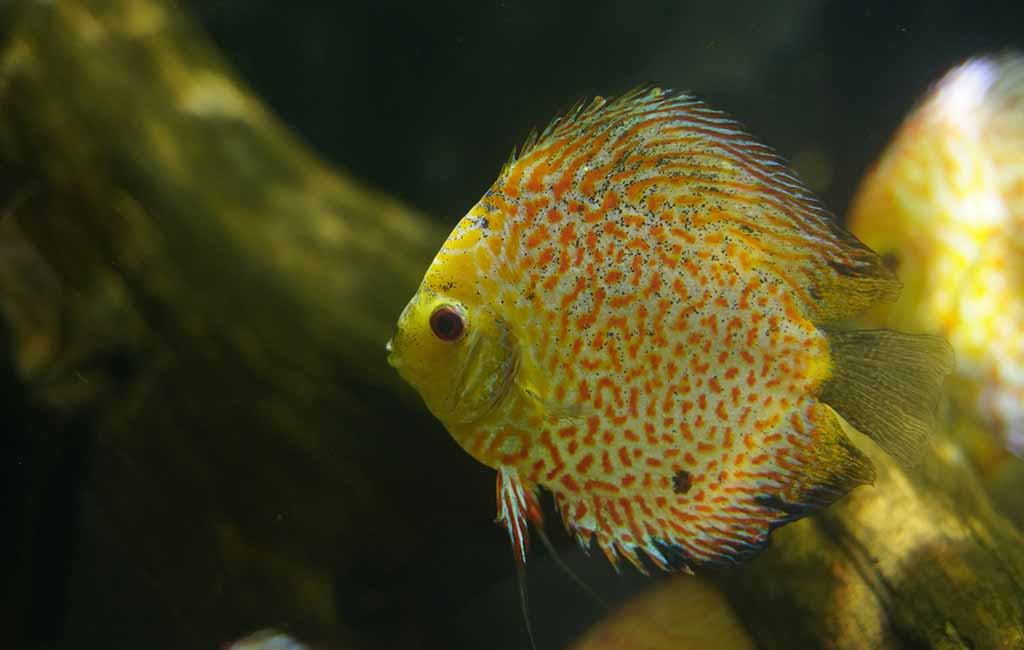
aquarium water monitoring
A Simple Aquarium Water Monitoring Test
Good aquarium water monitoring is less about one-time spot checks and more about tracking trends across multiple readings. A single test tells you where the tank stands today. A series of readings tells you where it is heading.
The Basic Monitoring Sequence
Step 1: Visual check first. Before reaching for a test kit, observe the water. Note the color, clarity, and any surface foam or film. This gives useful context to the numbers that follow.
Step 2: Test ammonia. Ammonia should read zero in any established tank. A reading above zero means something is decomposing or the nitrogen cycle has been disrupted in some way.
Step 3: Test nitrite. Like ammonia, nitrite should stay at zero in a stable system. Elevated nitrite means the beneficial bacteria population is being overwhelmed by the waste load.
Step 4: Test nitrate. Nitrates build up over time and are removed primarily through water changes. Levels above 40 ppm stress most fish and directly stimulate algae growth.
Step 5: Test pH. A drifting pH signals changes in buffering capacity or a chemical imbalance. Recording this number over time makes slow drift much easier to spot.
Step 6: Match color to chemistry. Yellow water combined with a low pH reading points to tannins. Green water alongside high nitrates points to an algae problem. Aquarium water monitoring works best when visual and chemical data are read together.
How to Control Water Color
How to Control Water Color Step by Step
To control water color effectively, the approach needs to address the specific cause rather than just treating the visible symptom.
For Yellow or Tannin-Toned Water
- Run activated carbon in the filter. It absorbs tannins efficiently and usually clears water within a few days.
- Soak or boil driftwood before placing it in the tank to reduce the initial tannin release.
- Perform more frequent partial water changes, around 20 to 25 percent weekly, until the color stabilizes.
For Green Water and Algae Blooms
- Reduce light exposure. Eight to ten hours daily is sufficient for most planted tanks. Drop it to six hours temporarily during an active bloom.
- Cut back on feeding and increase water change frequency to reduce nitrate and phosphate levels.
- A UV sterilizer passes water through ultraviolet light, which kills free-floating algae cells without harming fish or beneficial bacteria.
For Bacterial Cloudiness
- Avoid large water changes. Smaller, more frequent changes of 10 to 15 percent every other day are more effective and less disruptive to the bacterial population.
- Inspect and clean the filter media without replacing it all at once, to preserve the beneficial bacteria colony.
- Reduce feeding to a minimum until the water clears and the bacterial bloom settles.
The goal to control water color over the long term is built on consistent habits, not reactive one-off fixes.
water color change
Avoid These Common Mistakes
A few recurring mistakes tend to undo good aquarium water monitoring habits and make water color problems harder to resolve.
- Over-medicating without testing. Adding chemicals to fix discolored water without identifying the cause first often masks the problem and makes diagnosis harder later.
- Replace all filter media at once. This wipes out the beneficial bacteria colony that processes ammonia and nitrite, effectively restarting the nitrogen cycle from scratch.
- Ignoring gradual shifts. A slow water color change developing over several weeks is easy to miss but often signals a steady buildup of waste or a declining filter.
- Making large water changes in one go. Sudden large volume changes shock fish and destabilize bacterial populations, sometimes making cloudiness noticeably worse before it gets better.
All Things Considered
Water color is one of the most reliable health indicators available to any fish keeper. Each shade and shift points to a specific cause, and knowing those causes makes it practical to control water color before a small issue becomes a serious one.
Consistent aquarium water monitoring, regular partial water changes, and measured feeding habits address the majority of water color change problems before they spiral out of control. The tank communicates through color. Learning to read those signals accurately is what separates reactive fixes from genuine, lasting tank stability.
Related Products



Leave a comment