
Picky eaters or picky fish only eat a few food items. Due to this, it is hard to keep them in aquariums. They are only suitable for experienced aquarists. Sometimes, under a highly controlled environment, they died. If you want to scale up, here you will learn about the finicky care requirements of aquatic pets, relative legends, and picky fish behavior. You will also learn many other things. Just scroll now.
Content Table
Picky Fish In Aquariums
Picky-eater fish require special food items. Numerous fish exhibit this behavior. Here is a list of such species.
Famous Picky Eater Fish Species
| Triangle Butterflyfish | Discus fish | Pipefish |
| Copperband Butterflyfish | Moorish Idol | Clown Killifish |
| Pearscale Butterflyfish | Mandarinfish | Seahorses |
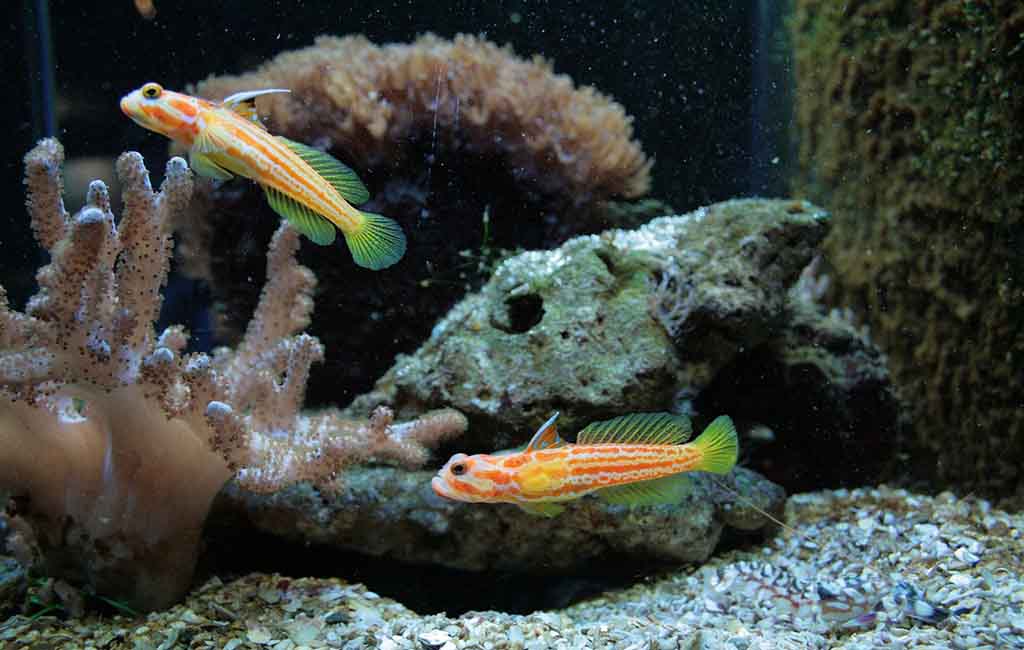
picky fish
What Are Picky Fish’s Finicky Care Requirements?
Picky eaters have specific care requirements other than just feeding. Here are some of the finicky care aspects.
Live or Frozen Food
Numerous picky-eater fish species love to feast on live or frozen foods. However, some picky-eating fish love to nibble on the algae and aquarium plants.
Small Feeding
Picky-eater fish love to eat frequently. However, occasionally, they nibble on the food. Therefore, set a frequent, small feeding schedule for them. At least feed twice daily.
Peaceful Environment
Naturally, picky-eater fish live in calm and less populated areas. They do so to avoid food competitors, aggressors, and easy forging. Moreover, in this environment, they have an abundant food supply and eat to their will. Therefore, set a peaceful and less competitive environment in your tank.
Higher Acclimation Time
Unlike other fish, they take a relatively long time to acclimate. Therefore, be patient for complete acclimation.
Water Parameters
They are sensitive to water parameters because they directly affect the appetite. Try to maintain optimal conditions in your tank.
Target Feeding
They don’t like to move a lot to fetch food. Therefore, feed them with a pipette in their nearby location in the tank.
Food Variation
They eat selective items. Due to this, sometimes aquarists mistakenly feed them on single food items. This results in a loss of interest in feeding, which results in health issues. Always bring a food variation.
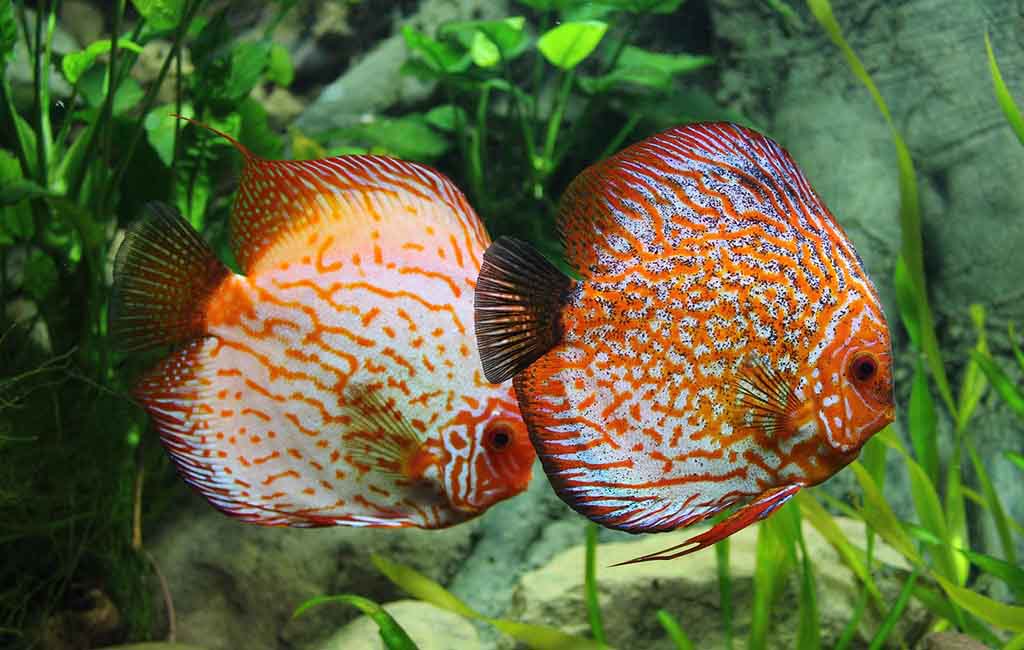
fish finicky care requirements
How Long Can A Fish Go Without Eating?
Fasting helps to improve their health. However, how long a fish can fast or survive without food depends on the species. Here is a table that describes how long a fish can go without eating.
| Specie | Days without feeding (days) | Extreme fasting duration (days) |
| Tropical community fish | 3 to 5 | Up to 14 in a cooler and well‑oxygenated environment |
| Bettas & gouramis | 3 to 7 in case of optimal health and well-fed condition | 10 to 14 in pristine quality water |
| South American and African Cichlids | Up to 6 days. However, it can deteriorate their health. | 7 to 10 in optimised water quality |
| Goldfish & koi | 5 to 7 | Up to 30 days in cool water. They live on grazing the live rocks. |
| Plecos & other algae‑eaters | 5 to 7 | Up to 10 days with biofilm and a grazing area |
| Marine & reef fish | Up to 3 days for young fish | 7 to 10 days for healthy and well-fed fish. |
Tips For Feeding The Picky Fish
Feeding picky eaters is one of the difficult tasks. Monotonous food causes a loss of interest in eating. Here are some tips to regain their interest in feeding.
- Always bring some variety to their food. Always try to introduce different types of food compatible with their feeding habit. For example, feed bloodworms, brine shrimps, freeze-dried food options, etc.
- Add garlic drops or other flavor-enhancing products to their pellets.
- Picky fish usually don’t go farther for food. Use a pipette or directly feed them near their locality.
- Always keep the tank’s water parameters up to the mark. Optimal water conditions improve the fish’s appetite.
- Set a feeding routine besides the feeding frequency. It will help to set a feeding routine via an intelligent fish feeder.
- Always be patient and persistent with your aquarium’s picky fish. Experiment with new food items to broaden their food category.
The Most Difficult Fish To Keep In The Tank
Some fish are extremely sensitive. They turn to fade on little deviation from their optimal conditions. Therefore, they are hard to keep in the tank. They are only suitable for experienced aquarists. However, if you have some guts and the ability to manage them, here is a list, profile, what makes them hard to keep, and care requirements.
| Species | Profile | Why Is It Hard to Manage? | Finicky Care |
| Moorish idol | Marine fish
An iconic look with Black, white, and yellow strips Make pairs and fight to protect their mate Diurnal Grow up to 7 inches long Eat corals, sponges, tunicates, and other benthic invertebrates
|
Picky eating habits
Go under high stress under any unwanted condition Susceptibility to diseases. Require a large tank, i.e., at least a 125-gallon tank Pristine water quality |
Always maintain optimal water quality
Feed them on their preferred diet Keep them in a large tank. Introduce reefs in the tank Carefully add the tank mates Quarantine every new fish to reduce their stress |
| Discus | Freshwater fish
Round, flat, and colorful body Size up to 5.4 inches long Peaceful but aggressive during breeding for territory Feed on flake food, algae wafers, and bloodworms Known as the king of the aquarium |
They are sensitive to water parameters
They are picky eaters They are messy eaters Susceptible to diseases Vulnerable to high stress Aggressive during breeding Hard to breed in the tank Require a large tank |
At least have a 40-gallon tank for a small group
Maintain optimal water parameters, i.e., pH: 6.0 to 6.5, temperature: 82 – 86°F, GH: 1-3 °dKH, and soft water Install a robust filtration system Weekly change of 25 to 50% tank’s water Keep them with non-aggressive species Keep them in a group of 6 Feed them on the preferred but varied diet |
| Mandarinfish | Saltwater
Attributed with a small head, an elongated body, and vibrant coloration Shy and slow-moving Males are more colorful during the breeding season They eat small invertebrates, crustaceans, and worms |
Specific dietary needs
Difficulty in consuming synthetic food Hard to live with other fish They are not suitable for small and new tanks Very expensive |
Feed them on live food
Keep variety in their diet to maintain their interest in eating Feed 2 to 3 times daily Keep them in a 29-gallon+ tank Introduce live rocks and sand into the tank |
| Altum Angelfish | Freshwater
Grow up to 7 – 10 inches long Silver and black color with bands on the body Long trailing, anal and dorsal fins Live in slow-moving, soft, and acidic water conditions They are omnivorous |
Get easily stressed
Need a long acclimation period after traveling to relieve stress Specific water parameter requirements |
Keep them in a large and tall tank, i.e., at least a 55-gallon+ tank
pH: 6.5 – 7.5, water hardness: 5 and 12 dH, and temperature: 78-86°F Provide a large, smooth gravel substrate Grow large-leafed plants |
| Freshwater Stingrays | Inhabit Neotropical rivers
Flattened, disc-shaped bodies with eyes on top and mouths on the underside Their size ranges from 1.0 to 6.6 feet Give birth to live young Bottom dwelling |
They produce high waste due to active metabolism
Highly sensitive to water parameters Require specific habitat conditions Can cause damage to the tank equipment High maintenance cost |
Weekly change of 25 to 50% of tank water
Always maintain the ammonia, nitrite, and nitrate at optimal levels Keep them in a large tank, i.e., 180-gallons+ Use dim lighting Feed them on high-quality sinking pellets Avoid overfeeding Install a high-quality filter |
| Clown Killifish | Vibrant and small fish
Inhabits the coastal areas Torpedo-shaped body They are micropredators Males are colorful during the breeding period Relatively easy breeding in the tank |
Susceptible to sudden water changes
Suitable for stock in a well-established tank Jumping Picky eaters Shorter lifespan |
Create soft and acidic water conditions
Accompanied by nano and peaceful fish Grow plants as they provide shelter Put a lid on the top Feed them on live food
|
| Cleaner Wrasse | Saltwater fish
Symbiotic relation with other fish Deep silver body with dark strips Live in coral and rocky areas of shallow and tidepools Eat parasites and dead tissues |
Only suitable for a large community tank with large fish species
Difficult to feed as they are picky eaters Become aggressive when there are no cleaning tasks Often died in captivity |
Keep them in a large tank, a 110-gallon tank, with large species
Provide enough hiding spots Provide a sandy substrate, as they are burrowers Weekly change of 10 to 20% of water in the tank |
The Legend Of The Hardest Fish In Aquariums
- Moorish Idol fish are named after the ancient civilization, the Moors. They considered it a symbol of happiness.
- The Moorish Idol is the only species of its family.
- Moorish idol fish turn dark at night for better camouflage.
- Mandarinfish swimming style, rapid pulsating, mimics the hummingbird.
- In ancient days, a fisherman accidentally caught a mandarinfish. After careful marination with proper spices, he cooked an Anhui dish, Stinky Mandarin Fish, for the first time.
- They have a weird mating. During the mating, they spiral around each other and move upward to the water column.
- Arowana fish bring health, prosperity, and wealth to the business. It’s believed that they can sacrifice their lives to save their masters.
- Cleaner Wrasse can improve the cognitive performance of some reef fish.
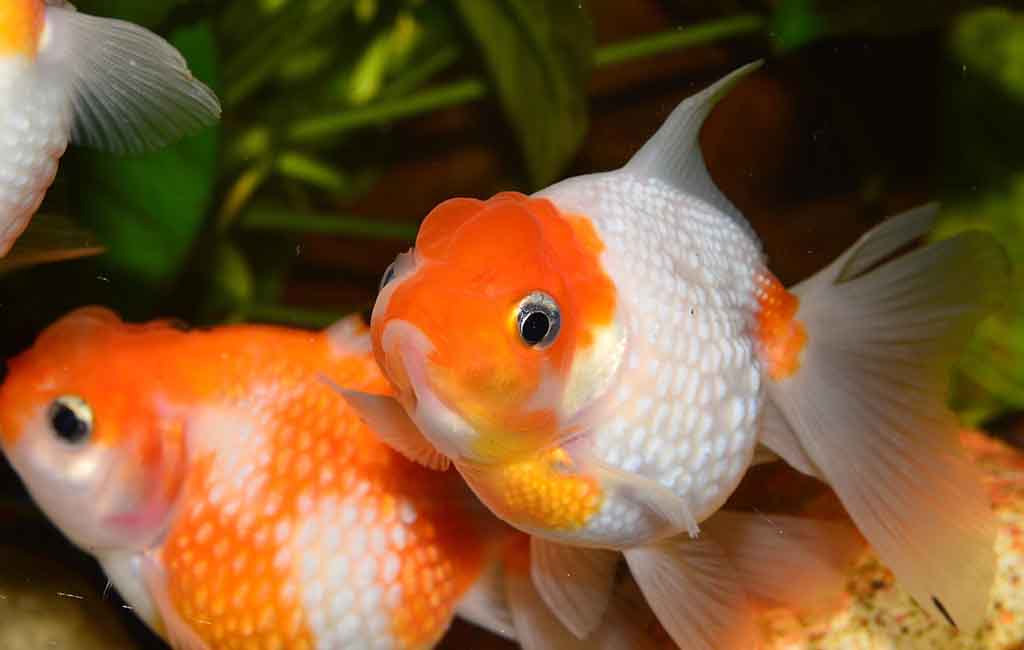
Hardest fish legend
To summarize
Picky-eater fish are hard to keep in aquariums due to their small feeding window, peaceful environment, frequent feeding, optimal water parameters, and open swimming space. Fasting is good for the fish’s health, and several types of picky fish species can live up to many days without proper feeding. Discus, mandarinfish, cleaner wrasse, and many other fish are hard to keep other than their picky eating behavior. However, with proper care, you can keep them in your tank.
Related Products



Leave a comment