
Blue tongue skinks have been gaining serious attention in the reptile hobby, and not just from experienced keepers. Beginners are searching for them too, often before they even know what care they require. There is something about these lizards that pulls people in. Maybe it is the wide, flat body. Maybe it is that unmistakable blue tongue. Whatever the reason, interest keeps growing.
Content Table
This article covers everything worth knowing, including blue tongue skink size, blue tongue skink temperament, blue tongue skink diet, lighting needs, handling practices, and how to pick a healthy animal.
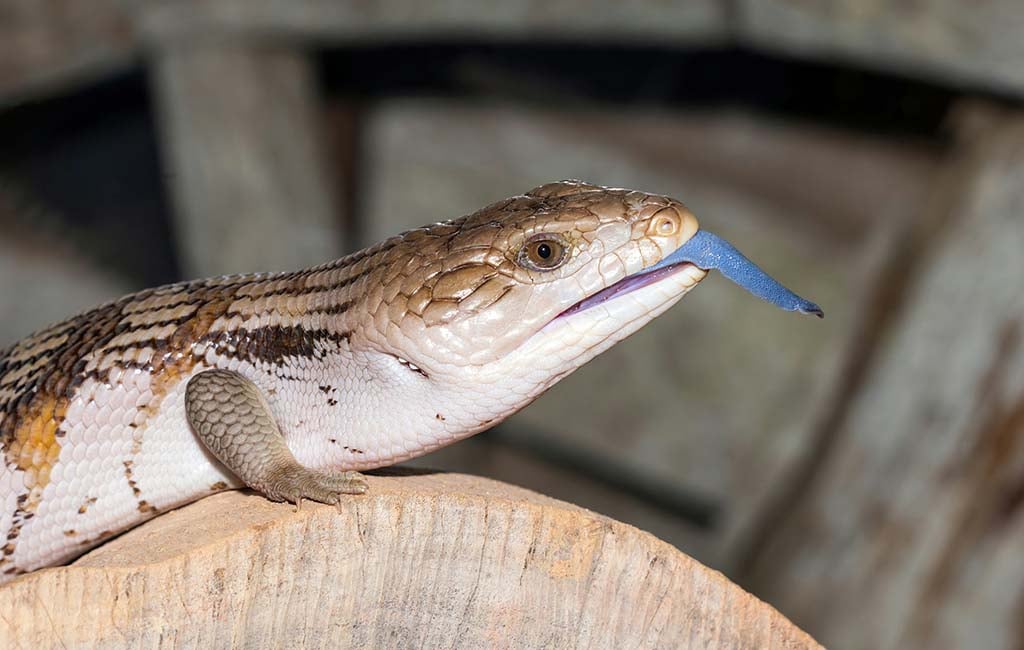
blue tongue skink
Quick Facts: Blue Tongue Skink Profile
Blue tongue skinks belong to the genus Tiliqua, native to Australia, New Guinea, and parts of Indonesia. They are diurnal lizards, meaning they are active during the day, which makes them far more engaging to observe than nocturnal species.
Here are the key basics:
- Common name: Blue Tongue Skink
- Scientific name: Tiliqua spp.
- Origin: Australia, Indonesia, New Guinea
- Blue tongue skink size: Adults typically reach 18 to 24 inches in total length
- Weight: 10 to 18 ounces on average
- Lifespan: 15 to 20 years in captivity, sometimes longer with proper care
- Activity pattern: Diurnal, active during daylight hours
- Housing type: Terrestrial; floor space matters more than enclosure height
Blue tongue skink size varies noticeably depending on the subspecies. Northern blue tongues tend to run larger than Indonesian species like the Irian Jaya. Before purchasing, knowing which subspecies is being offered matters more than most beginners realize.
Temperament of Blue Tongue Skink
Of all the reasons people search for this species, the blue tongue skink temperament is probably the biggest draw. Most lizards are not particularly handleable. They stress easily, bite without much warning, or simply never settle around people. Blue tongue skinks behave differently.
They calm down. With regular, consistent interaction, most individuals become genuinely relaxed around their keepers. Not every single one, to be fair. Some lines of the Northern blue tongue can be mildly defensive early on. But even those tend to mellow with patience.
What does blue tongue skink temperament look like in practice?
- Young skinks may hiss, puff up, or display that signature blue tongue when they feel cornered. That is completely normal behavior.
- Most adults, once settled, will sit calmly during handling sessions without attempting to flee or bite.
- They do not tend to thrash or claw the way some larger monitor species can.
- They show real curiosity. When placed on a flat surface, many will explore rather than freeze.
Note: Blue tongue skink temperament varies by individual. Two skinks from the same clutch can have noticeably different personalities. That is just the reality of working with any animal species.
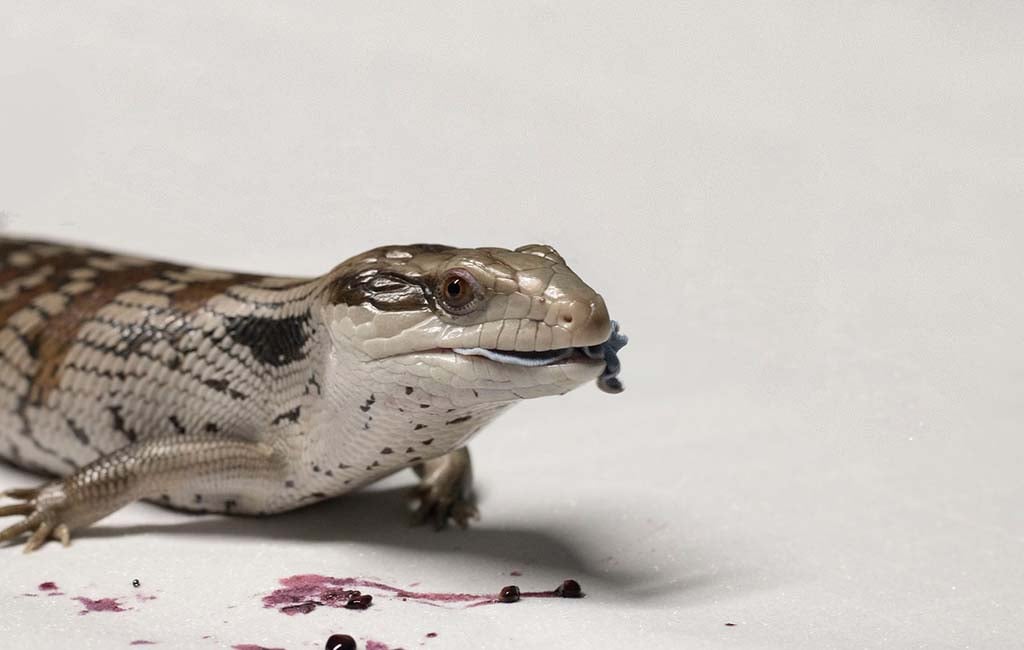
Blue Tongue Skink Diet
Diet for a Blue Tongue Skink
Blue tongue skink diet is one of the things that makes this species genuinely accessible to newer keepers. These lizards are omnivores, meaning they consume both plant matter and protein sources. That flexibility removes a lot of the complications that come with feeding strictly carnivorous or insectivorous reptiles.
A well-balanced blue tongue skink diet generally follows this rough split:
- 50% vegetables and leafy greens: Collard greens, dandelion greens, butternut squash, bell peppers, snap peas
- 40% protein: Lean ground turkey, dubia roaches, snails, or the occasional pinky mouse
- 10% fruit: Blueberries, papaya, and mango are kept low due to their sugar content
A few foods to avoid entirely:
- Avocado, which is toxic to reptiles
- Onions and garlic are also toxic
- Spinach is not fed in large amounts due to its high oxalate content
- Dog or cat food used as a daily staple, though occasional use is acceptable
Blue tongue skink diet should be supported with calcium powder and a reptile multivitamin several times per week. Hatchlings and juveniles eat more frequently, roughly every other day. Adults do well on three to four feedings per week.
One more thing worth noting. Portion size matters a great deal. Blue tongue skinks will overeat when given the chance, and obesity is a genuine health concern in captive animals. Feeding amounts should be measured rather than generous.
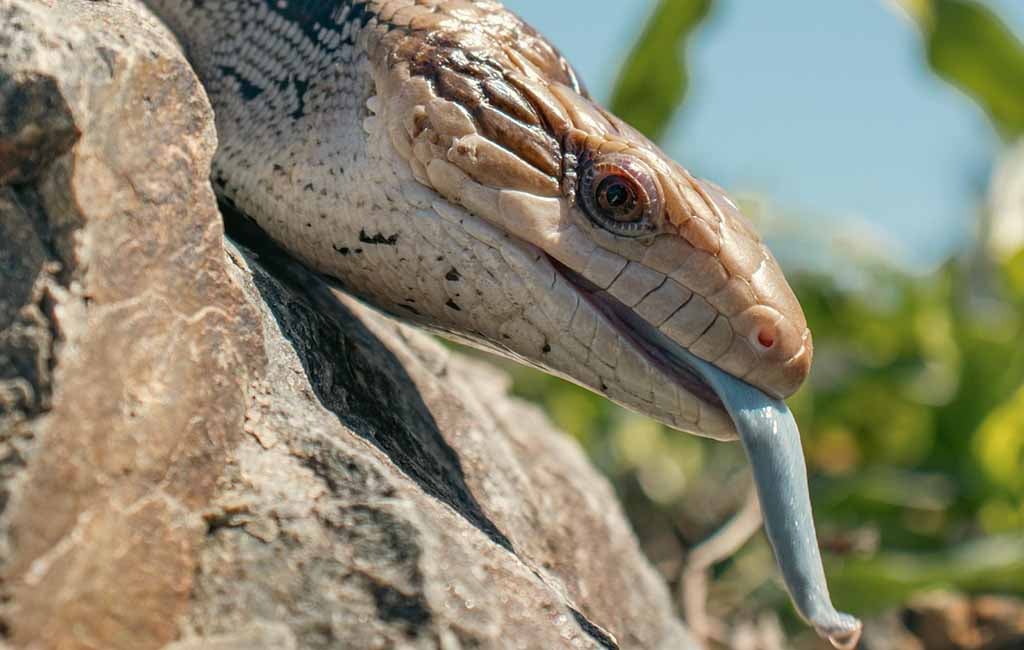
Blue Tongue Skink temperament
Does a Blue Tongue Skink Need a UVB Lamp?
Yes, and this is not a debated point anymore.
For years, keepers went back and forth on whether UVB lighting was actually necessary for blue tongue skinks. Some individuals survived without it for extended periods. But the current understanding is clear. UVB exposure helps these animals synthesize vitamin D3, which is essential for calcium metabolism and long-term bone health.
Without adequate UVB, skinks become more likely to develop metabolic bone disease over time, even if they are receiving calcium through food supplementation.
A functional lighting setup should include:
- A quality T5 HO UVB bulb rated at 6% to 12% UVB output
- Placement above a screen top or inside the enclosure at the manufacturer’s recommended distance
- A 12-hour on and 12-hour off photoperiod to replicate natural daylight cycles
- Bulb replacement every 6 to 12 months, since UVB output degrades before visible light does
A separate basking lamp is equally necessary. Blue tongue skinks are ectothermic animals that depend on external heat to regulate body temperature. The basking spot should sit between 95 and 105 degrees Fahrenheit, with the cool side of the enclosure maintained around 75 to 80 degrees. That temperature gradient gives the animal control over its own thermoregulation, which directly affects digestion and immune function.
Choosing Your Blue Tongue Skink
This is where a lot of first-time buyers make their biggest early mistake.
The pull toward the most affordable option is understandable. But that usually means wild-caught imports or animals from high-volume sources that prioritize quantity over individual health. Starting with a captive-bred animal from a reputable breeder avoids a significant amount of expensive veterinary visits later on.
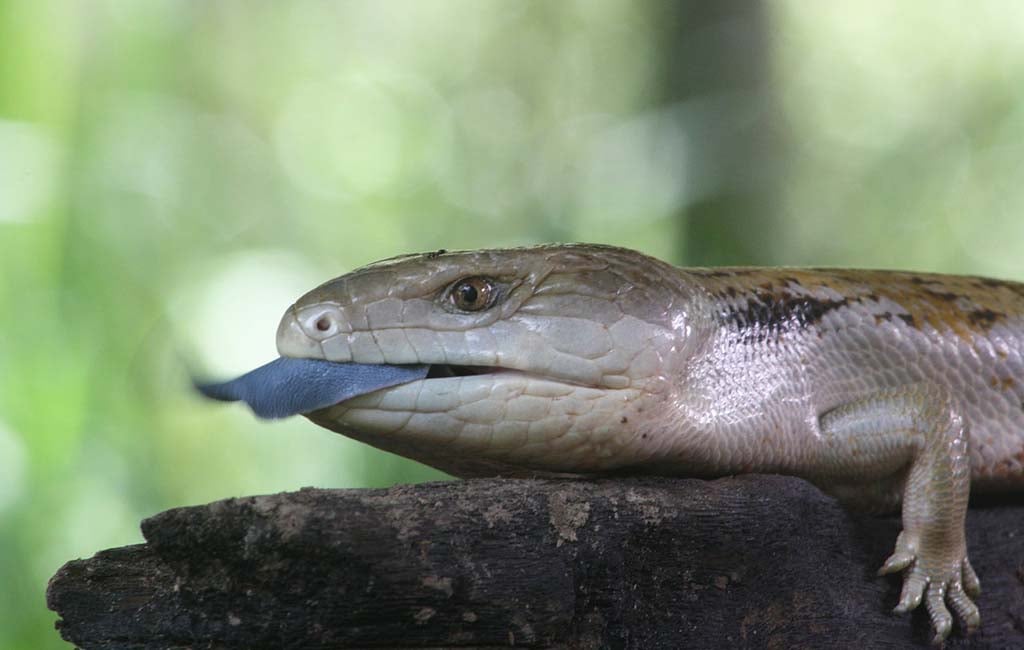
Blue Tongue Skink Size
What to look for when selecting a blue tongue skink:
- Eyes: Clear and alert, free of discharge or cloudiness
- Body condition: Fleshed out but not bloated, with no visible ribs
- Skin: No retained shed around toes, eyelids, or tail tip
- Activity: The animal should respond to being handled; complete lethargy is a red flag
- Blue tongue skink size relative to age: A two-month-old skink should not look like it was hatched last week
Asking the seller about feeding records and shedding history is completely reasonable. Reputable breeders welcome those questions rather than avoiding them.
Selecting based on the blue tongue skink temperament during the visit also matters. Some sellers permit handling before purchase. Watch how the animal responds. A defensive hatchling is expected behavior. A six-month-old that is still consistently hissing and biting during every interaction is a different matter, and may require considerably more time to work with.
Daily Interaction with a Blue Tongue Skink
Short, consistent sessions work far better than occasional long ones.
Starting with five to ten minutes daily is a reasonable approach for newly acquired animals. Over several weeks, that time can extend naturally as comfort builds. Forcing longer sessions early tends to set the process back rather than speed it up.
A few behaviors worth understanding before handling regularly:
- A wide-open mouth displaying the full blue tongue, paired with hissing, is a clear warning. Give the animal space and try again later.
- Skinks often become more active in the late afternoon as they are finishing their basking cycle. That is often a good window for interaction.
- They are not fast movers, but they are stronger than they appear. Supporting the full body length during handling prevents unnecessary stress on the animal.
- Blue tongue skink temperament in settled adults is generally stable enough for supervised interaction with older children.
Always wait at least 48 hours after feeding before picking up the animal again. Handling too soon after a meal can interfere with digestion and cause regurgitation.
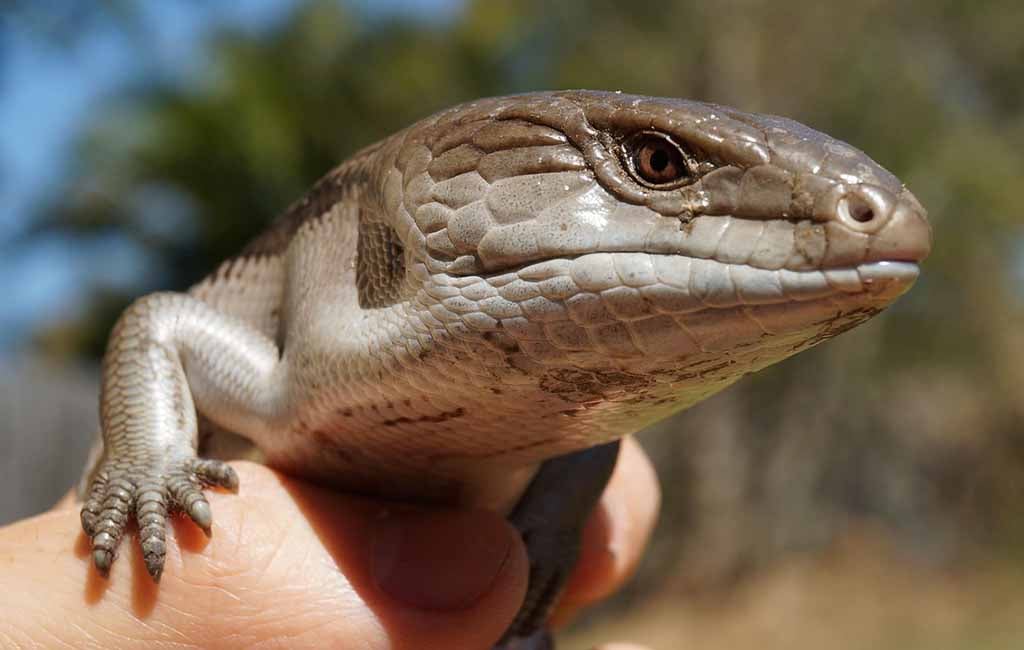
Interaction with a Blue Tongue Skink
To Sum Up
Blue tongue skinks earn the attention they receive. Between the manageable blue tongue skink size, the easygoing blue tongue skink temperament, and a blue tongue skink diet that works with ingredients found at most grocery stores, these lizards fit into a keeper’s life without overwhelming demands.
With the right enclosure setup, regular handling, proper nutrition, and appropriate lighting, a well-cared-for blue tongue skink can remain a companion for two decades. That is a long commitment. But for the people who make it, the experience tends to speak for itself.
Related Products




Leave a comment