
Geckos are one of the most interesting reptiles that one can keep as pets. They are a good choice since they have a distinctive look, a huge range of different species, and moderate levels of maintenance.
Content Table
Underground Reptiles has one of the widest ranges of geckos in the market. Regardless of whether you want a gecko species that shows a bright display or one you can handle now and then, there are loads of options. This hygger blog will introduce you to the profiles of geckos, their colorful varieties, the appropriate gecko enclosures, and which are the best-handled types.
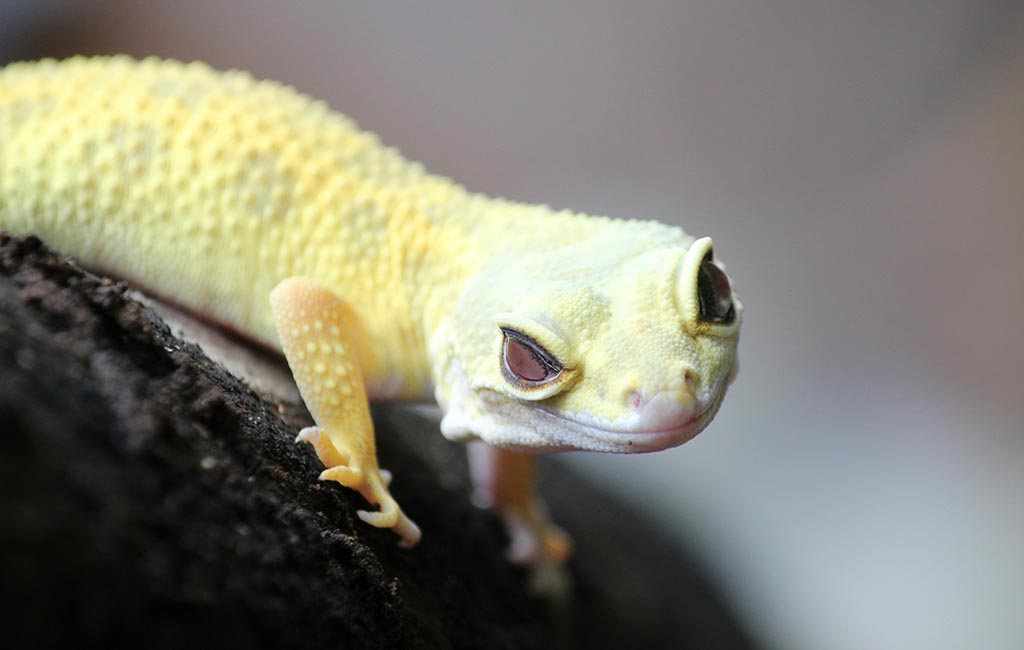
geckos
Gecko Profile
Gekkonidae is the family containing at least 1,500 known species of geckos. They are moderate and small-sized reptiles that are known to communicate vocally and have sticky toes. These are specialized toe pads with very small hair-like projections known as seta that enable the geckos to scale smooth vertical surfaces easily.
The geckos mostly go out at night and are assumed to be nocturnal. Nevertheless, some species do well during the day, such as day geckos. These are found in all warm areas of the world, such as Asia, Africa, Australia, and the Americas. The size of geckos also varies considerably, with dwarf species in the few-centimeter range, and giants like the New Caledonian gecko more than a foot in length.
They primarily feed on insects: crickets, roaches, a worm, etc. Although larger ones cut fruit, or can also feed on small vertebrates. Those in captivity do well on commercially available insect dusted with calcium and vitamin supplements. Geckos usually have a life span of 8 to 20 years, and therefore, they are long-term commitments.
Here’s a clear and easy-to-read Gecko Profile Table you can use:
| Feature | Details |
| Scientific Classification | Class: Reptilia, Order: Squamata, Family: Gekkonidae |
| Common Name | Gecko |
| Number of Species | Over 1,500 recognized species worldwide |
| Size Range | From 1.6 cm (dwarf geckos) to 60 cm (Tokay gecko) |
| Weight | 2 grams (smallest) to 150 grams (largest species) |
| Lifespan | 6–20 years, depending on species and care |
| Habitat | Tropical rainforests, deserts, grasslands, mountains, and urban areas |
| Geographic Range | Found on every continent except Antarctica |
| Activity | Mostly nocturnal, though some species are active during the day |
| Diet | Insects, small invertebrates, fruit, nectar, and sometimes small vertebrates |
| Unique Features | Adhesive toe pads for climbing, vocal communication, and tail regeneration |
| Reproduction | Most lay eggs (usually 1–2 per clutch); some species are live-bearers |
| Conservation Status | Most species are stable; some face threats due to habitat loss and trade |
Colorful Types of Geckos
Now, we are going to take a look at some of the most vivid and popular geckos around.
1. Leopard Gecko (Eublepharis macularius)
Leopard geckos are the most common reptile to be kept because of their easy care requirements. These are found in dry grassland and desert regions in Pakistan, Afghanistan, and India, and have an unusual spotted pattern resembling a leopard. Selectively bred morphs have been developed that are orange, yellow, and even white or black.
2. Crested Gecko (Correlophus ciliatus)
The crested geckos, which originated in New Caledonia, are well known for their fringed crest above the eyes and over the backs. They are also available in different colors, such as red, yellow, cream, and even bicolor morphs. They are arboreal (arboreal) geckos, living in trees, and like humid conditions.
3. Tokay Gecko (Gekko gecko)
The Tokay gecko is one of the largest and most lush-looking geckos. It is native to Southeast Asia, and it is bluish-gray with orange or red spots on its body. It causes harm despite its beauty, and it is not advised to handle it. Nevertheless, it is a common reptile because of its brilliant colors.
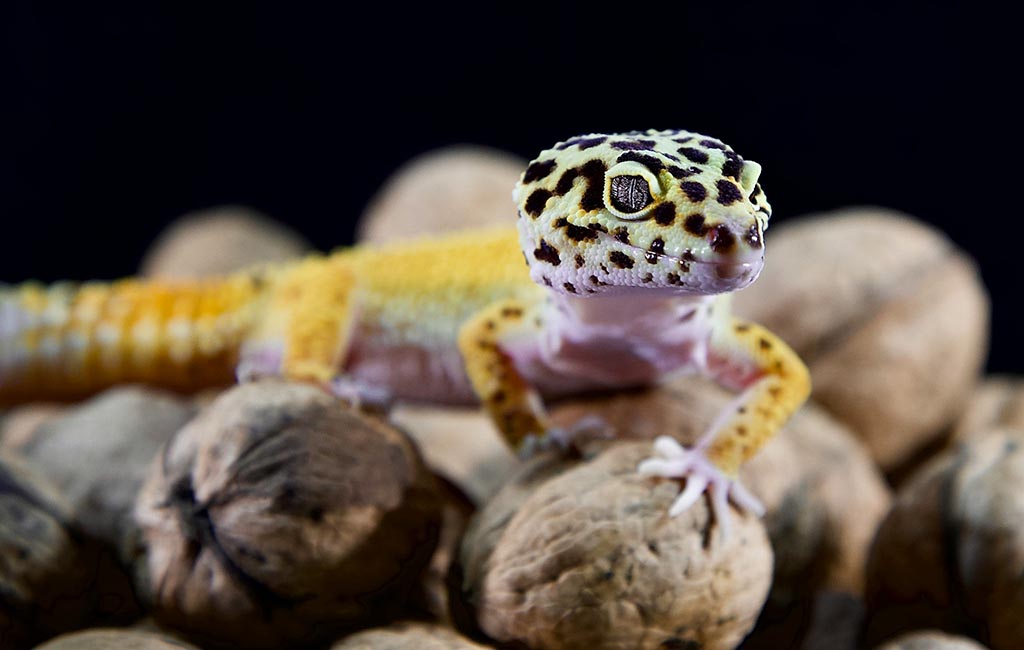
types of geckos
4. Gargoyle Gecko (Rhacodactylus auriculatus)
The gargoyle gecko, also of New Caledonia, gets its name from the bumpy head and marbled coloration. They are very adjustable, having a diverse range of colors and patterns such as orange stripes, reticulated patterns, and blotches. Gargoyle geckos are tough and fairly easy to keep.
5. Electric Blue Day Gecko (Lygodactylus williamsi)
This gecko is a tiny but beautiful reptile of Tanzania. Males have a very strong electric blue color, whereas the females are green with turquoise coloring. They are daytime active geckos and demand special enclosures with a robust UVB supply. They are less widespread but highly valued by collectors because of their conservation status.
6. African Fat-Tailed Gecko (Hemitheconyx caudicinctus)
The species is closely related to the leopard geckos and is found in West Africa. It is earthy with brown, tan, and cream coloring and has a banded look. The striking stripes or contrasting colors are seen on some morphs, which makes them attractive. They are passive and hence suitable for beginners.
Gecko Enclosure
Geckos need well-constructed enclosures in which to simulate their natural environment. Depending on the mode of existence of the species, whether it is a terrestrial, arboreal, or semiarboreal one, setups are different.
Enclosures must always be escape-proof, easy to clean, and have water bowls or misting systems. Humidity and temperature should be monitored on a regular basis using a digital gauge to ensure long-term health.
Let’s explore different enclosure needs based on gecko types.
1. Leopard and African Fat-Tailed Geckos (Terrestrial)
These geckos do best in desert-like or savanna enclosures. A glass aquarium with a tight lid is the best to use. A 20-gallon tank should do with one gecko. Use reptile carpet, paper towels, or tile as substrate to eliminate the impaction hazard because of loose sand.
Maintain a warm side at a temperature of 88-92°F with an under-tank heating pad and a cooler side of approximately 75°F. Both sides have hideouts, and there is a moist hide to help with shedding.
2. Crested and Gargoyle Geckos (Arboreal)
Arboreal geckos require high enclosures in which they can climb. The best kind of terrarium is a vertical one with a dimension of not less than 18x18x24 inches. Use coconut fiber/bioactive substrates with live plants as a source of humidity.
Hold temperatures of 72-78°F, with humidity of 60-80 percent. Give them lots of places to hide, branches, roots, and vines like their forest homes.
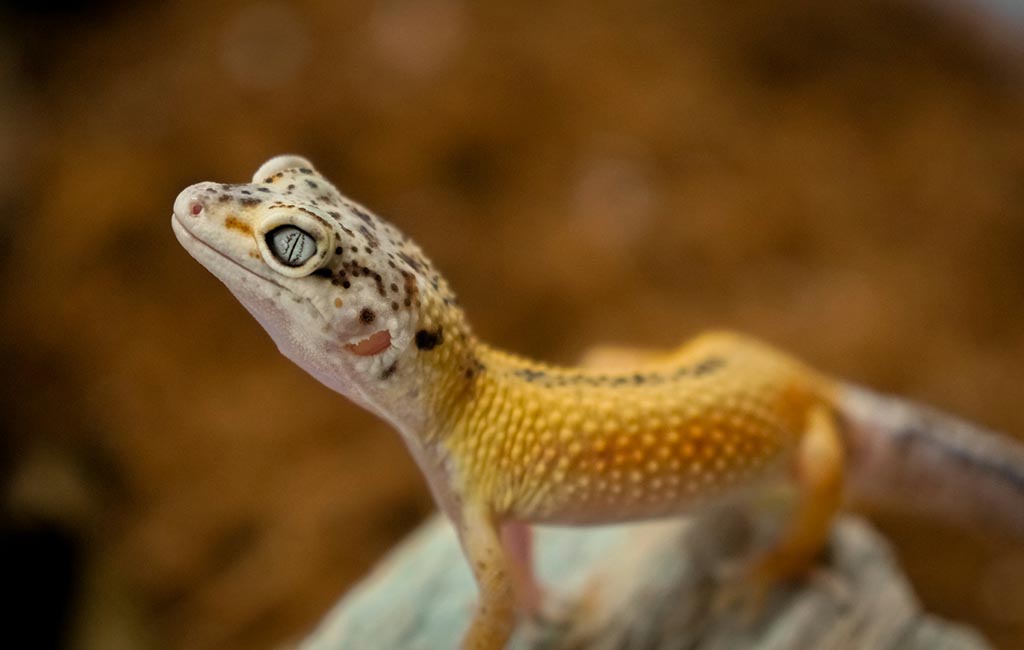
gecko enclosure
3. Tokay Geckos (Semi-Arboreal)
Tokays require a vertical climbing area as well as horizontal space. A 20-gallon tall can serve as a minimum. The temperatures have to be maintained at a range of 80 -90°F and a high humidity of 70 -80%. They are aggressive, and therefore enclosures should be safe with minimal handling.
4. Electric Blue Day Geckos (Arboreal, Diurnal)
These geckos required high-light enclosures with good UVB. A vertical terrarium with living vegetation and a humidity of 60-80% is invaluable. They eat insects as well as fruit mixes. The temperature in the daytime should be 80-85°F, with lower temperatures at night.
Select the Best Gecko to Hold in Your Hand
Not all geckos are handleable. Some species are too sensitive and fragile, and some become aggressive and stressed out. These 5 species will make excellent pets that will occasionally tolerate handling:
1. Leopard Gecko
Leopard geckos are commonly referred to as the least aggressive pet geckos. They seldom bite, they can be handled with ease, and, after some time, they also get familiar with their owners. Their docile nature qualifies them to be the ideal reptile for those who are new to the pet reptile world.
2. African Fat-Tailed Gecko
Like leopard geckos, fat-tailed geckos are mild and simple to handle. They tend to travel at a slow pace and are hardly aggressive, giving them the advantage of being harmless to children when supervised.
3. Crested Gecko
Crested geckos tend to be docile, yet at times jumpy. You can tame them with tact and patience, so that they perch on your hand. Their style makes the handling experience unique.
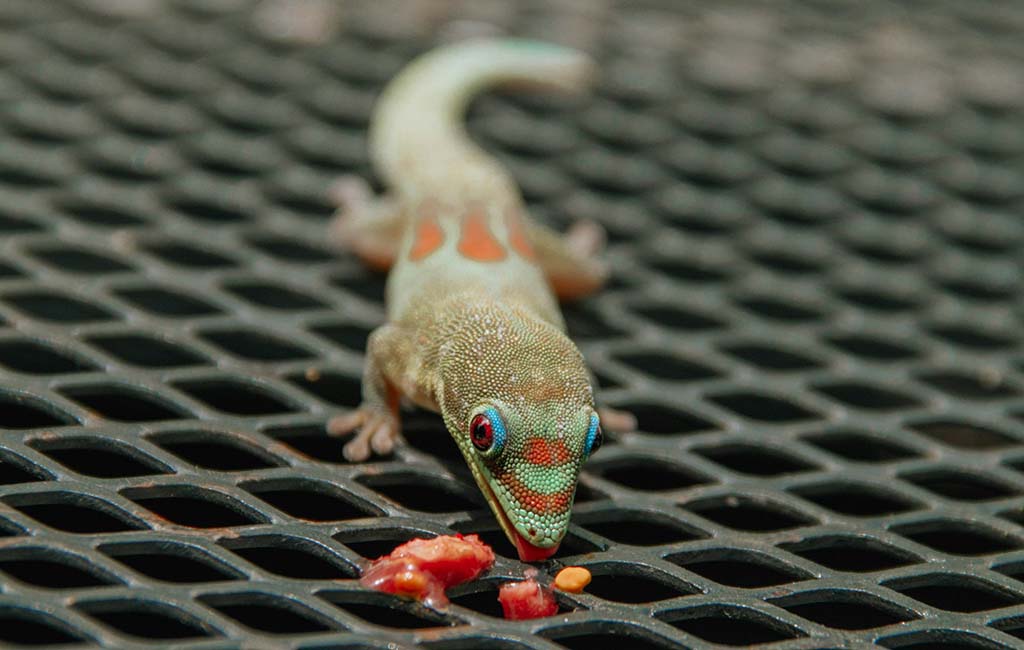
Best Gecko to Hold in Hand
4. Gargoyle Gecko
Gargoyle geckos are, in general, placid, although somewhat more restless than crested geckos. They can be handled, but should not be overly handled because of their fragile tails, which can drop under stress.
5. New Caledonian Giant Gecko (Rhacodactylus leachianus)
These are also referred to as Leachies and are the largest geckos in the world. Although they are large and intimidating, they are still sluggish and peaceful. They can be easily tamed by properly socializing them. They are a favorite among more advanced keepers.
Concluding Thoughts
Geckos are a varied family of reptiles that each have their own personality and unique looks, just as their environment. Whether it is the docile leopard gecko or the beautiful electric blue day gecko, there is a solution for all reptile lovers. The proper enclosure structure and care procedure are crucial to their well-being, as each species has its own needs.
Leopard geckos, fat-tailed geckos, or crested geckos are good species to pick in case you want to have a safe gecko to handle. In exotic display reptiles, some people find species such as tokay or electric blue day geckos to be unrivaled in beauty.
Underground Reptiles provides one of the best selections of geckos available, making it easier for you to choose the perfect one. These reptiles can lead long and healthy lives with proper care and can be enjoyed over the years.
Related Products


Leave a comment