
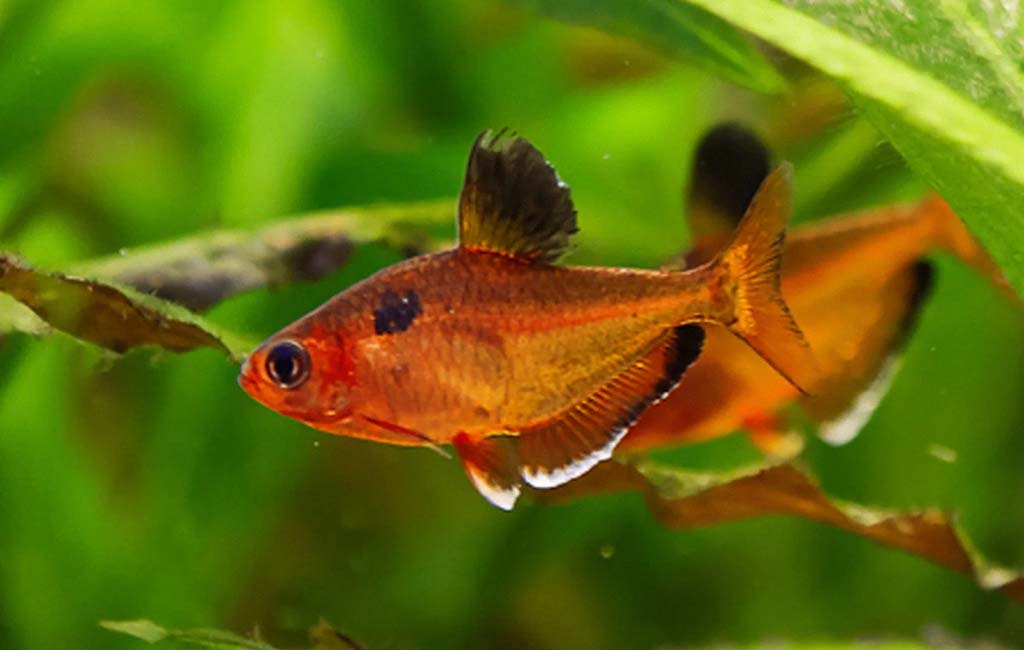
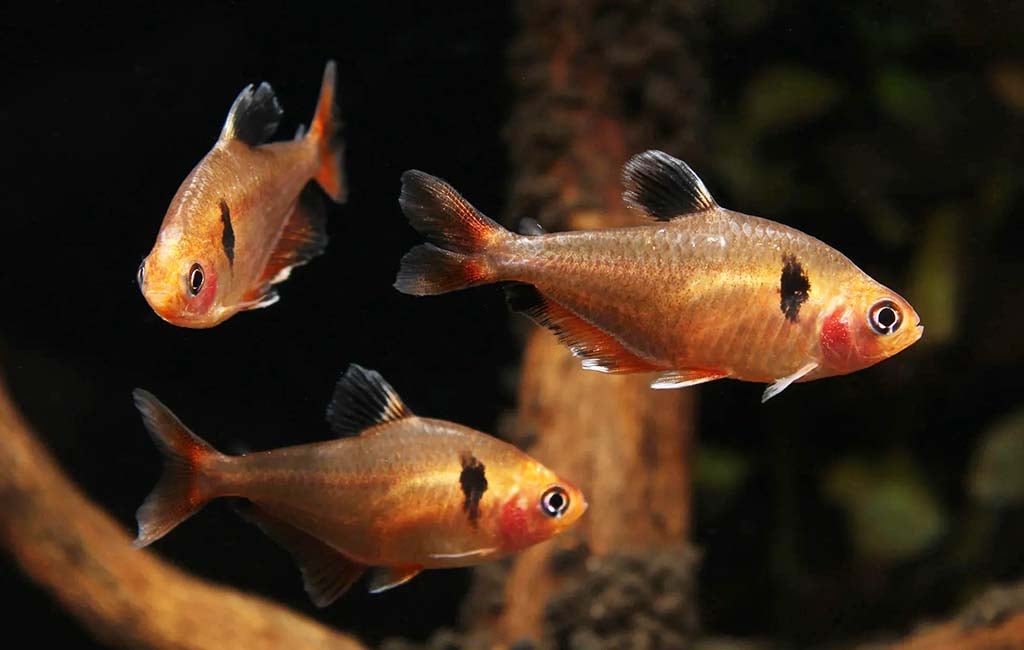
Serpae Tetras are one of the most vibrant and attractive freshwater fish. Their fiery red coloration and active schooling behavior make them a favorite choice for many aquarists. Despite their beauty, these fish can be a little tricky to manage.
Content Table
They are known for their sensitivity to environmental changes and sometimes aggressive tendencies. Therefore, understanding their behavior, tank requirements, and suitable companions is essential for keeping them healthy. This article provides aquarists with a complete Serpae Tetras care guide, covering everything from behavior to tank mates.

serpae tetra
Are Serpae Tetras Aggressive?
Serpae Tetras are known as semi-aggressive fish, particularly with slow-moving fish. Not normally coy, but they are nippy unless they are kept in the proper conditions. Serpae Tetras are reported by many aquarists not to be aggressive. Especially when they are being stalked and nipped at the fins. Especially on the fins when anxious or confined with few members.
Nevertheless, they can be effectively controlled in their aggression. Kept in bigger schools of six to ten or more, Serpae Tetras are less likely to harass tank mates. They are driven by the group dynamic that matches their energy level in school to a lower level of aggressiveness. They adapt better to a habitat that resembles the natural habitat in plants, places to hide, and more space to swim.
Thus, Serpae Tetras are not the friendliest of community fish, yet they are not extremely aggressive as well. The temperament is most affected by the conditions of the tank, its number, and the character of the companion. To keep them in harmony, Aquarists must recognize them as active, semi-aggressive fish that need planning.
Is Serpae Tetra Easy to Keep in Tanks?
Serpae Tetras are moderately easy to keep but demand attention to detail. Their main challenge lies in their sensitivity to sudden changes in water parameters. These fish are tropical, preferring stable water conditions with a temperature between 72°F and 79°F (22°C to 26°C). They also require slightly acidic to neutral water, ideally between pH 5.0 and 7.5.
For aquarists, the most important point is consistency. Serpae Tetras can become stressed if the water temperature or chemistry fluctuates frequently. Stress in turn lowers their immunity, making them vulnerable to diseases such as ich and fin rot. Therefore, regular monitoring with test kits and timely water changes are essential.
Another point of difficulty is their requirement for a well-decorated tank. Plants, driftwood, and shaded areas copy their natural environment and help reduce stress. Aquarists should also maintain proper filtration, as clean water contributes significantly to their overall health.
serpae tetra care
The Basics of Serpae Tetra Care
Appropriate treatment of the Serpae Tetras starts by getting the best-sized tank. At least 20 gallons is suggested when there are 6 (or more) of them in a school. The bigger the group is, the better they will conduct themselves. Here is what you need to know when it comes to Serpae Tetra care.
1. Feeding
Serpae Tetras are carnivorous fish that like high-protein food. High-quality commercial flakes or micro-pellets are a daily food that should be used in a balanced diet. To improve the coloration and energy levels of aquarists, one should add more frozen or live food like bloodworms, daphnia, and brine shrimp.
There are plant-based supplements, including spirulina flops or blanched vegetables. This assists in keeping the digestive system healthy and offers fiber. It is advisable to feed small amounts of food 2–3 times a day to avoid overfeeding and the risk of unstable water conditions. Food remains should be taken out at all times to prevent ammonia surges.
2. Tank Setup
The perfect tank setup of Serpae Tetra contains unrestricted swimming areas as well as an extensive hiding cover. Rooted plants like the Amazon sword and Java fern, as well as floating plants, can also be used by aquarists to spread light and minimize stress.
Key hiding structures offered by driftwood and rocks resemble their natural position. This darker substrate not only brings out the color of the fish (bright red). But also make the environment more like a natural one.
The intensity of the light is also desirable to be moderate. Extreme brightness tends to stress and may lead to fin-nipping. It is necessary to use a cover that fits tightly, as tetras can jump when frightened.
3. Water Maintenance
The key to the care of Serpae Tetra is stable water chemistry. They need tropical climates with a temperature of 72-79°F (22-26 °C) and a pH of 5.0 to 7.5. To minimize nitrates and restore minerals. The aquarists are advised to carry out a partial water change of about 25 percent each week.
It is advisable to use a high-quality filtration system with a sponge pre-filter that will provide biological and mechanical filtration without introducing too much current. Serpae Tetras can be stressed by a strong water movement, thus flow rates need to be well-regulated. It is always advisable to treat tap water using a reliable dechlorinator or water conditioner prior to use. This ensures the balance of beneficial bacteria as well as sparing fish gills.
4. Health Monitoring
Serpae Tetras are poor adapters to the quality of water and abrupt changes in parameters. It is advised that instead of testing ammonia, nitrite, and nitrate with strip kits, aquarists should frequently test them using test kits. The typical stress/illness indicators are clamped fins, pale color, frayed tail, or jerky swimming.
Diseases like ich or fin rot can be avoided by contrasting a diverse diet, as well as consistent water conditions. It is highly advised to quarantine the new arrivals, not only to prevent a parasite or bacterial outbreak. But also to spend at least two weeks in another fish tank before being released into the principal tank. A good and stable environment is the most effective protection against most health challenges.
Do serpae tetras eat shrimp
Can Serpae Tetras Live with Bettas?
The problem of compatibility of Serpae Tetras with Bettas is frequently encountered. Bettas are highly territorial and have long fin spines. On the other hand, the Serpae Tetras can be nippy when it comes to those fins. The Serpae Tetras, when cohabited together, might attack the flowing fins of the Betta, which is stressful and can cause injury.
Betta and Serpae Tetras can live in the tank together, and some fishkeepers have managed to do it, but it needs to be planned properly. They can create some tension by putting a large and adorned tank that has hiding places. The Betta must be allowed its territory, and the Tetras must be kept in a large school to minimize aggression.
However, such pairing is not ideal because of the risk of fin-nipping. In the case of aquarists who are keen on keeping the fines, having Serpae Tetras with other active schooling fish is preferable to Bettas.
Choose the Right Tank Mates for Serpae Tetras
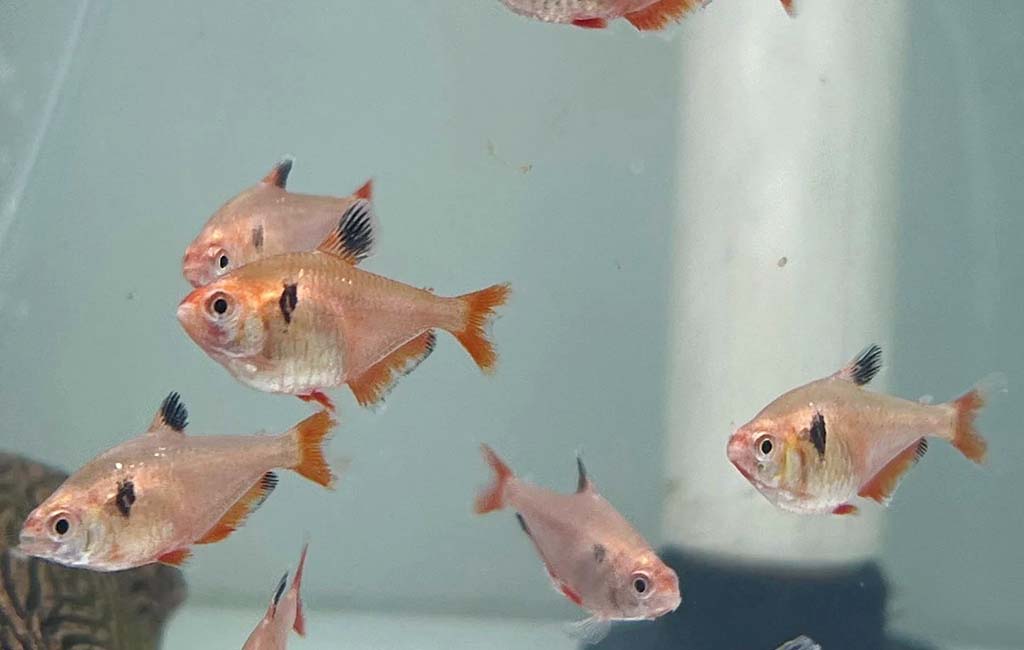
Choosing the appropriate tankmates is essential to tranquility. Serpae Tetras get along with other semi-aggressive or fast fish. Good tank mates are Black Skirt Tetras, Rosy Barbs, Corydoras Catfish, and a couple of Plecos. These fish can tolerate the active temperament of Serpae Tetras without getting bullied.
A more complex option of tank mates is shrimp. Small shrimp are very often viewed as prey, and Serpae Tetras are very opportunistic feeders. In case aquarists want to maintain shrimp, it is advisable to use bigger sizes, such as Amano Shrimp, which will not be consumed easily. But even bigger shrimp can be at risk somewhat.
Serpae Tetras are not suitable for other slow-moving or long/end-finned fish such as Angelfish, Gouramis, or Guppies. Their fins are soft and easy to target, making such fish more susceptible to harassment. Rather, select friends who will be able to keep up with their exuberance and toughness.
Keeping them in a species-only tank, or with fish of similar temperament, is the best strategy. This will ensure that aquarists can appreciate the beauty of Serpae Tetras without always being concerned about aggression.
Tank Mates for Serpae Tetras
Looking Ahead
Raising Serpae Tetras is an effort that needs a good combination of care, time, and strategy. They are delicate fish that prefer a stable environment and require careful selection of tankmates. Although they can be aggressive at times. Aquarists can control them by maintaining larger schools and a proper setup in the tanks, and regular water quality.
Serpae Tetras are very rewarding to aquarists who are willing to satisfy their needs. Their colorful nature, active schooling, and curious characters spark up any aquarium. With a little time spent learning their habits and needs, aquarists can rest assured that these sensitive, though beautiful, fish will continue to live healthily.
Related Products




Leave a comment